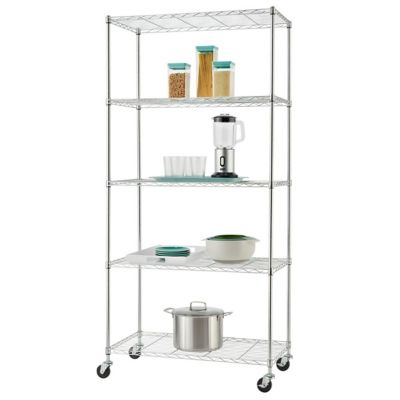
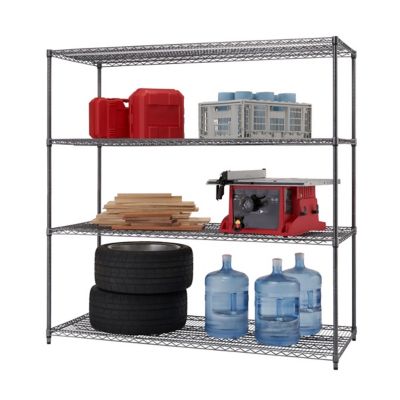
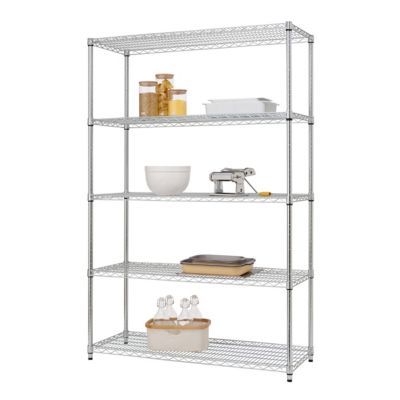
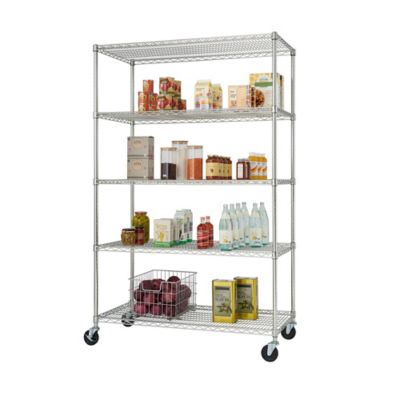
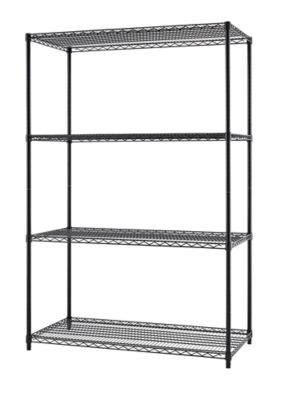
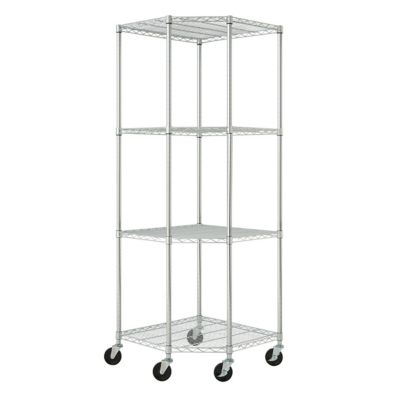
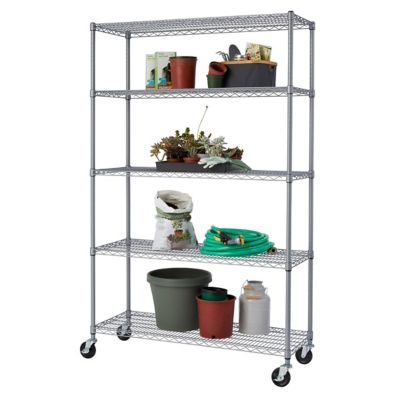
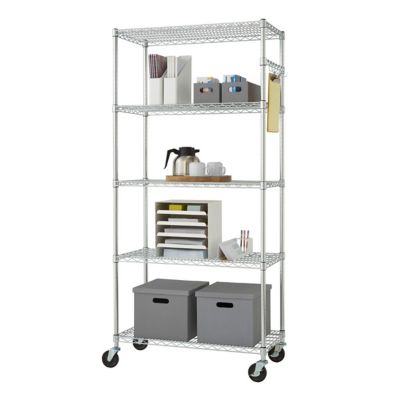
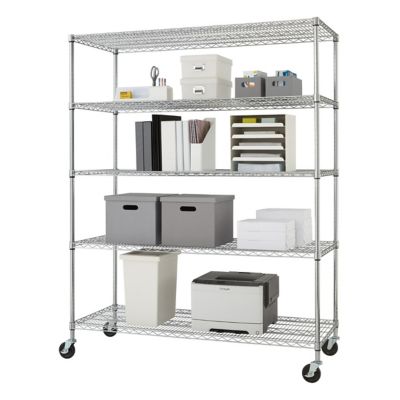
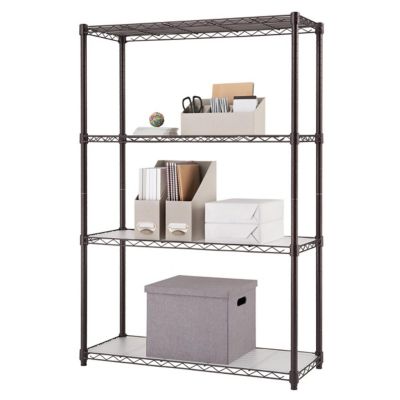
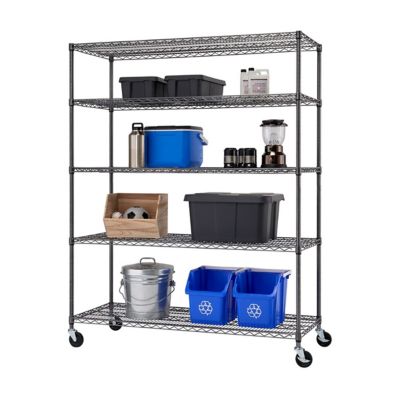
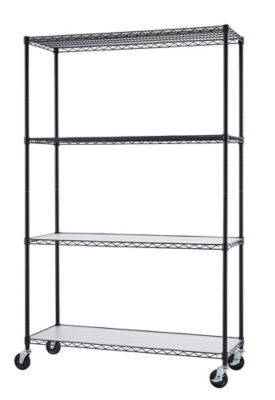
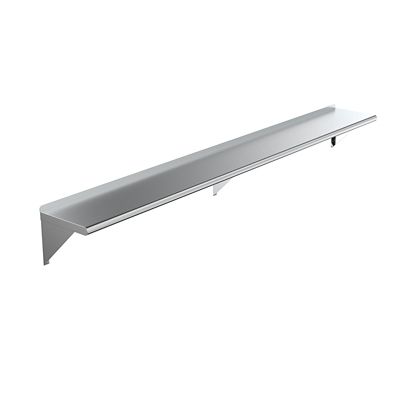
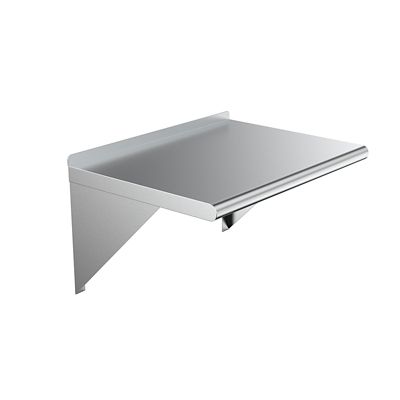
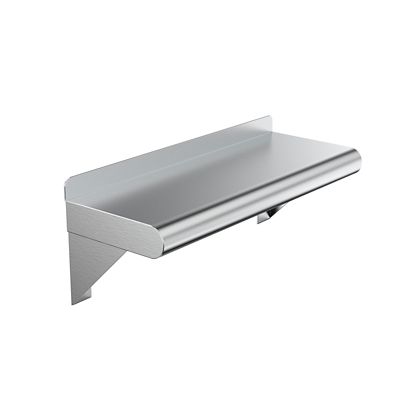
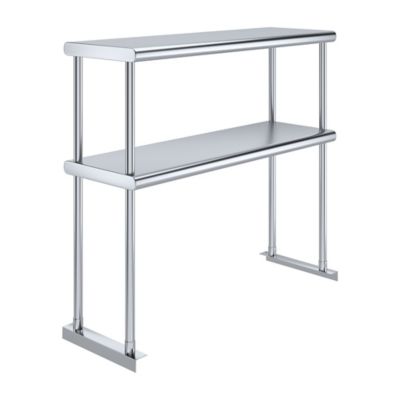
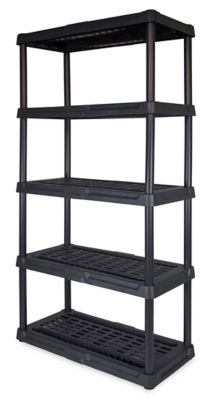
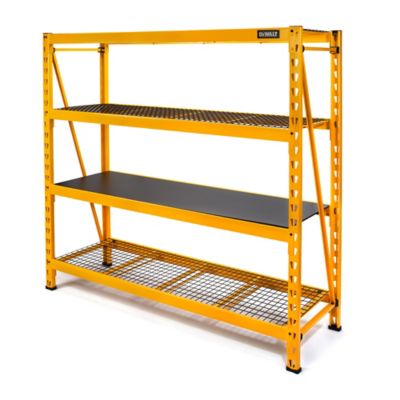
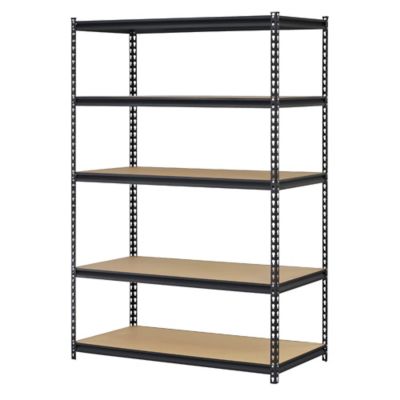
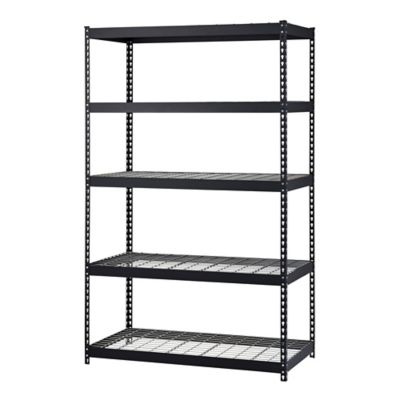
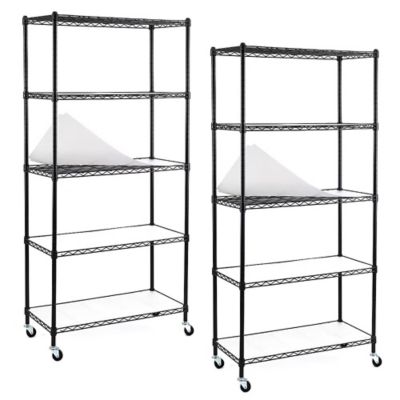
Commercial shelving brings order to the places where work piles up: a repair shop with parts waiting for the next job, a farm office with records and supplies, or a business back room where every square foot counts. Getting things off the floor makes more room for moving equipment, carrying boxes, and keeping the workday rolling. Good shelving also gives everyday supplies a home, so a missing fitting or misplaced carton doesn’t turn into a search across the building. The right setup depends on what the space holds and how often someone needs to reach it. A shelf for small containers has different demands than one holding heavy equipment parts, and a display area calls for a different layout than a workroom. Materials make a difference in how shelving handles those jobs. Steel offers strength for demanding storage, while protective finishes help limit surface corrosion and make routine cleaning easier. Stainless steel may suit settings where moisture and frequent cleaning are part of the work, though the finish and construction still need to match the intended application. Wire shelves provide visibility and airflow, making it easier to spot containers and see what’s tucked toward the back. Solid shelves give smaller objects a continuous surface and help keep narrow feet or loose pieces from slipping through openings. Shelving with wood-based panels can provide a broad platform for boxes and equipment, but those panels need protection from spills and prolonged dampness. Plastic shelving has its own place in storage areas, with load limits and cleaning requirements that depend on the material and design. Across these choices, the details matter: sturdy uprights, sound connections, supported shelf surfaces, and a finish suited to the workspace. Commercial shelving earns its place by fitting the work at hand, whether that means keeping paperwork within reach, lining up labeled bins, or clearing a crowded floor beside the workbench. It can serve shop owners, farm crews, maintenance teams, and small-business operators who need an orderly place for the things that keep a job moving.
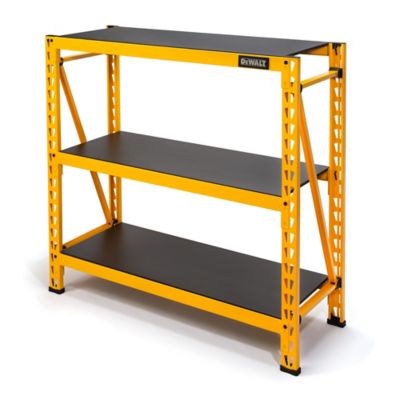
Fit means more than finding a unit that slides into an open spot. Shelf width, depth, and height affect how much room remains for doorways, walkways, equipment, and the people carrying supplies through the area. Deep shelves can handle larger containers, but they also make the back harder to reach. Shallower shelving keeps smaller supplies visible and can work well along a narrow wall. Tall units make better use of vertical space, provided the upper shelves remain accessible with suitable equipment and the installation meets the manufacturer’s requirements. Adjustable shelf spacing helps accommodate a mix of short bins, tall cartons, and equipment without leaving large gaps between levels. For spaces with heavier storage needs,
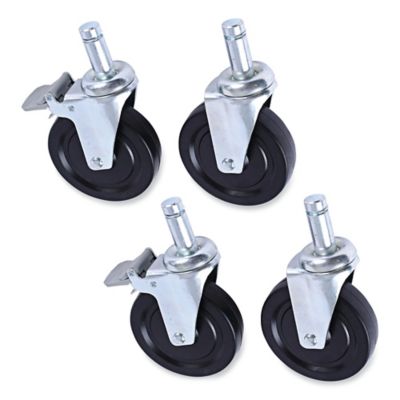
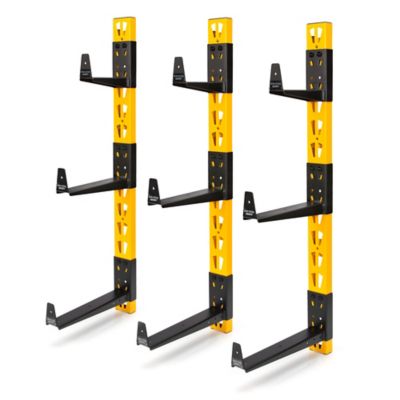
Steel Racks offer another way to consider steel storage structures alongside the dimensions and load requirements of the job. Published weight ratings deserve close attention because the rating for one shelf may differ from the limit for the complete unit. Ratings also commonly depend on evenly distributed loads, so a heavy object concentrated in the middle is not necessarily the same as several containers spread across the surface. Keeping heavier loads low can make handling easier and reduce the need to lift substantial weight overhead. Shelving should stand on a suitable, level surface, with anchoring or bracing installed wherever the manufacturer calls for it. A concrete shop floor, a raised storage area, and a small utility room can present very different installation conditions. Freestanding, wall-mounted, and mobile designs each have their own space requirements. Where wheels are part of the design, caster ratings, locking features, and floor conditions become part of the decision, too. A shelving layout works best when there’s enough clearance to set down a box, turn with it, and reach the next shelf without bumping nearby equipment. That practical working room can matter just as much as the shelf space itself.
Everyday use is where commercial shelving proves its value. In a service shop, grouping related supplies keeps small parts from spreading across the bench. In a farm workroom, clearly marked containers can keep fasteners, repair materials, and maintenance supplies easy to find without mixing them together. An office or packing area may need open shelves for folders, cartons, and supplies that come out several times a day. Retail spaces often benefit from shelving that presents goods clearly while leaving enough room for people to move comfortably. The surface and shelf pattern should suit what rests on them: narrow containers need steady footing, while larger boxes need enough support to sit flat without overhanging into a walkway. Compatible bins and liners can help contain small pieces, but they do not increase a shelf’s rated capacity or replace necessary structural support. Care is generally straightforward when it follows the material and finish. Dust, grit, and spills are easier to manage before they build up around shelf joints or beneath containers. Cleaning products should be suitable for the shelf surface, since harsh chemicals or abrasive scrubbing can damage some finishes. Wire shelving needs attention around intersections and corners, while solid surfaces make it easier to wipe up loose debris. Wood-based panels benefit from prompt spill cleanup and checks for swelling, sagging, or other changes. Metal shelving warrants a look at chipped coatings, corrosion, bent supports, and loosened connections, especially in busy work areas where equipment may bump against it. Changes in the storage load also call for another look at shelf ratings and placement; a space that once held light cartons may later need to carry something much heavier. Straightforward organization, sensible loading, and routine upkeep help shelving stay useful through the daily grind. With dimensions and construction matched to the setting, commercial shelving supports a cleaner workspace and makes putting things away feel like part of the job rather than another chore.