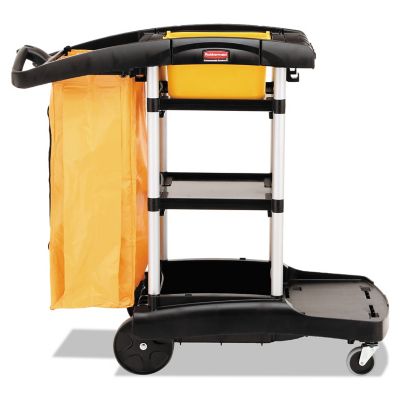
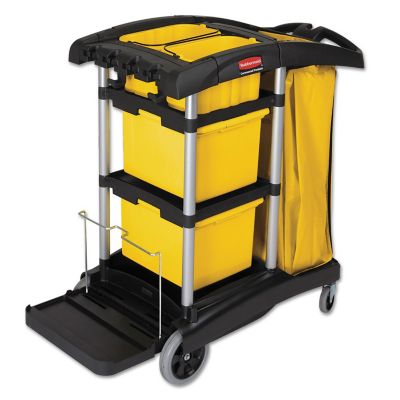
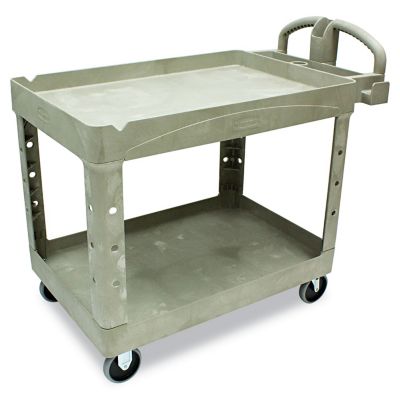
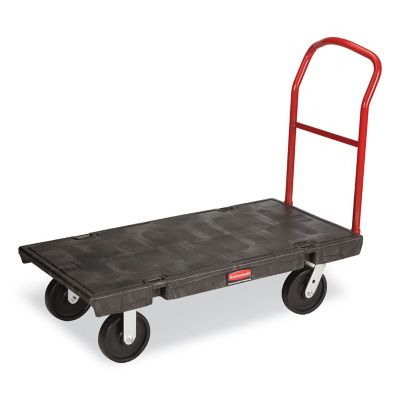
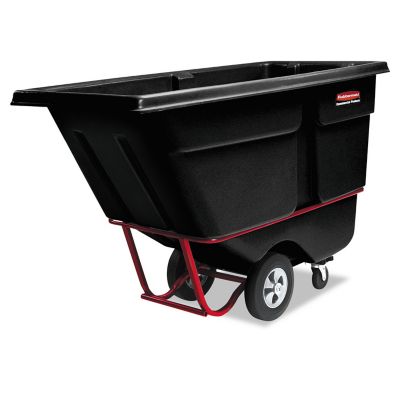
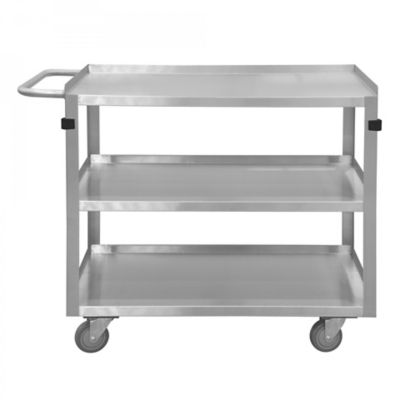
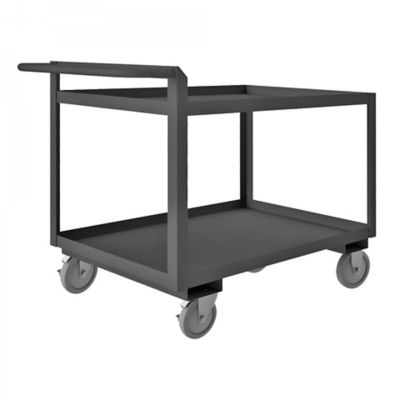
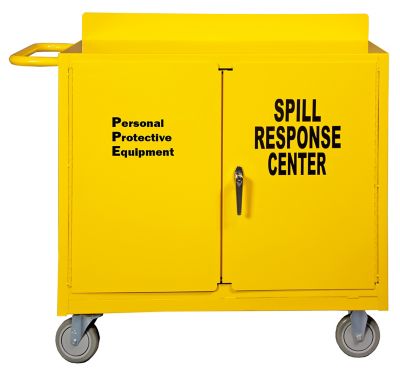
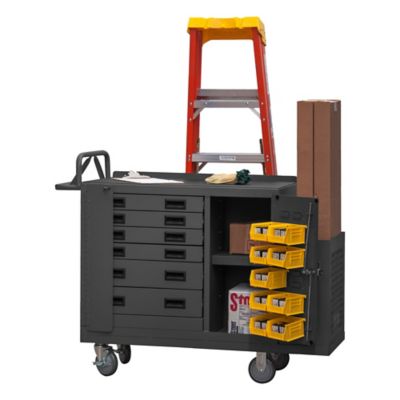
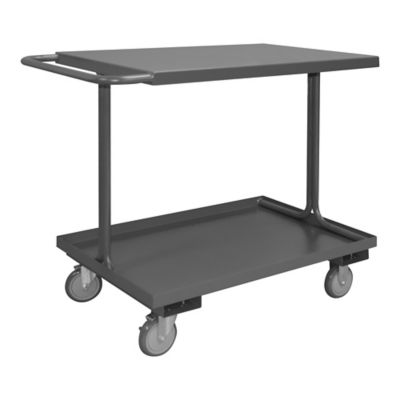
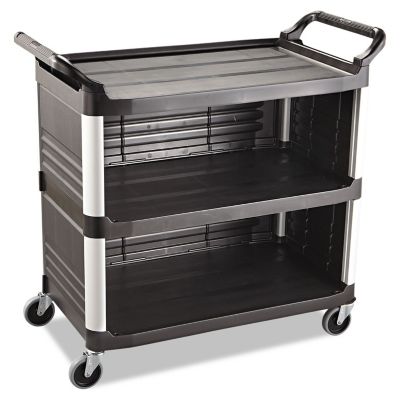
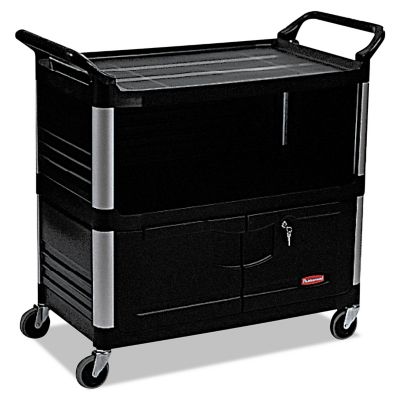
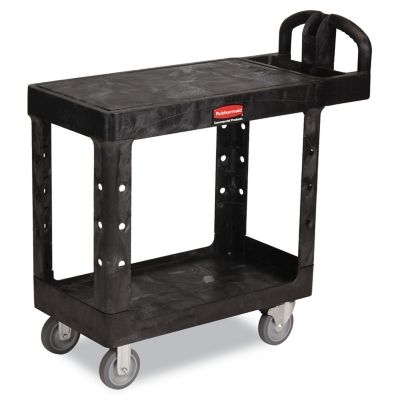
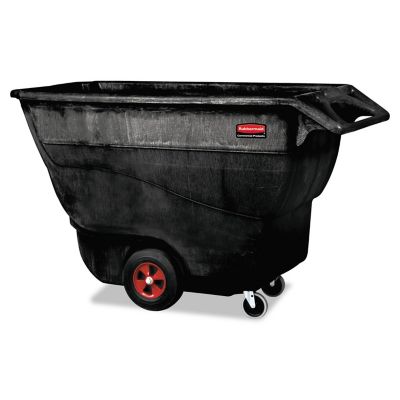
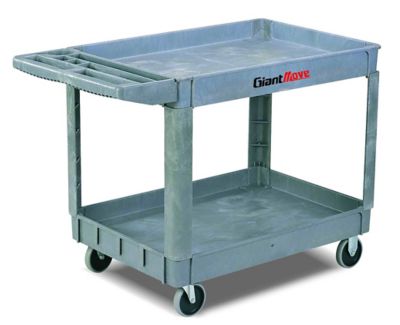
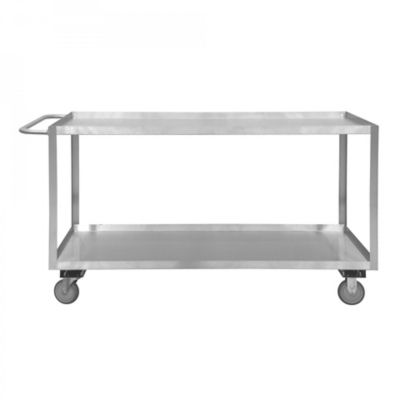
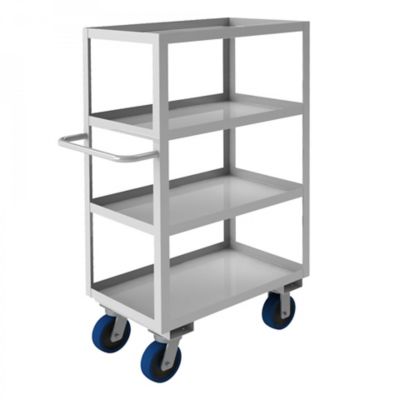
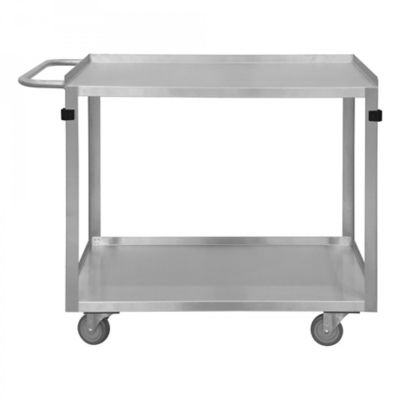
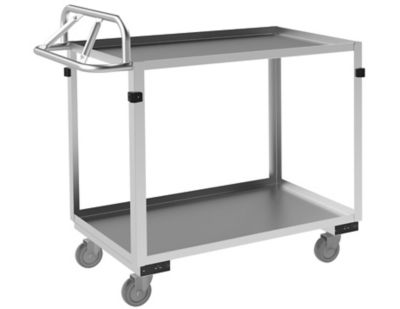
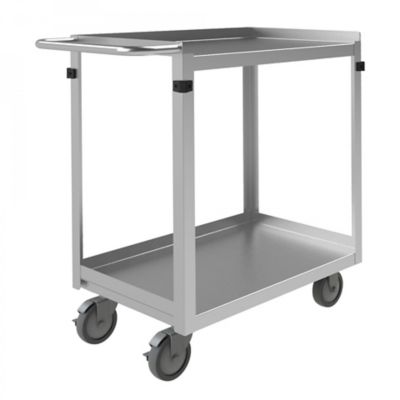
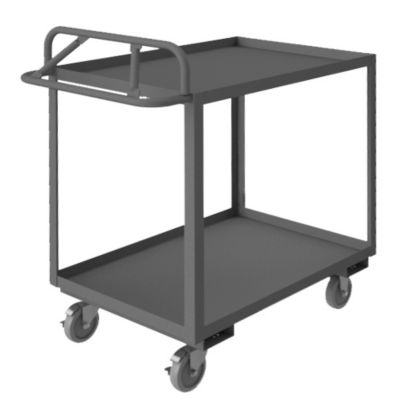
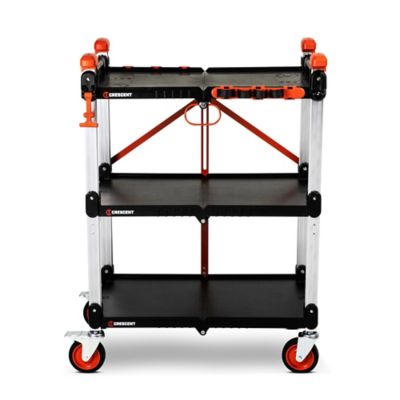
Commercial janitorial carts are mobile workstations built to keep cleaning supplies, tools, waste, and everyday essentials moving with you instead of sending you back and forth to a supply closet. In a busy office, school, hotel, healthcare facility, retail store, warehouse, church, or public building, that saved time can add up quickly. A well-planned cart may carry spray bottles, microfiber cloths, dusters, brushes, gloves, liners, paper goods, floor-care tools, and a collection bag in one organized setup. Open three-shelf designs are a practical choice for routine custodial work because supplies stay visible and easy to reach. Higher-capacity carts with extra bins or compartments can help reduce trips when cleaning a large building or covering several rooms in one shift. Compact quick-response carts fit well in tight hallways, public areas, and other spots where a full-size unit may be hard to maneuver. Enclosed carts, including styles with cabinet doors or lockable hoods, offer added control when cleaning chemicals, tools, or other supplies need to be kept out of sight and away from children, visitors, patients, or unauthorized users. Consider the route the cart will travel before choosing a size. A smaller cart may be the best fit for narrow aisles and crowded facilities, while a larger cart gives a maintenance crew more room for a full day’s workload. Carts can also support seasonal building upkeep, from tracking in mud and damp leaves during cooler weather to handling extra touchpoint cleaning when doors and windows stay closed. For related essentials such as disinfectants, brooms, mops, gloves, liners, and restroom supplies, browse
Commercial Cleaning Supplies to help outfit the whole cleaning station.
Durability and mobility matter just as much as storage space. Commercial janitorial carts are commonly made with heavy-duty structural plastic, high-density resin, or other non-rusting materials that stand up to daily use, damp conditions, and contact with cleaning solutions. Look for smooth surfaces that wipe down easily, rounded edges that are less likely to catch on walls and door frames, and a layout that keeps frequently used items within comfortable reach. Non-marking swivel casters help with turns and spot-cleaning, while larger rear wheels can make it easier to roll over thresholds, floor transitions, and uneven patches without jolting the load. A cart that tracks smoothly is easier on the person pushing it and less likely to scuff finished floors. Tool holders and secured grips are useful for keeping mop handles, brooms, dusters, and other long-handled tools upright rather than leaning across a walkway. Shelves with raised edges help keep bottles and cans from sliding off when the cart moves over a doorway transition. A front platform or open lower area can provide room for a bucket, waste container, or bulky supplies, but avoid overloading it until the cart becomes difficult to steer. Waste collection is another important consideration. A front-access bag or zippered vinyl collection compartment can make liner changes quicker and help keep trash contained as the crew moves through a facility. Think about the amount and type of waste produced, the distance to the disposal area, and whether the bag can be removed without lifting a heavy, awkward load. For operations that handle confidential paperwork, sharp debris, contaminated materials, or regulated waste, choose a system and disposal process that matches facility policy rather than relying on the cart alone.
The best commercial janitorial cart is one that matches the building, the cleaning routine, and the people who will use it every day. A school custodian may need sturdy tool storage, easy maneuvering around desks, and secure space for supplies between classrooms. A hotel housekeeping or maintenance team may value divided compartments for guest-area touchups, restroom service, and floor care. In a medical or care setting, smooth-cleaning surfaces, controlled access, and clear separation of clean and used materials can be especially important. Office and retail crews may prefer a professional-looking cart that moves quietly through public spaces and holds enough supplies for quick response work without blocking aisles. When comparing options, check the overall footprint, shelf arrangement, caster size, handle height, waste-bag capacity, and any locking or enclosed storage. Pay attention to how the cart will fit through doorways, elevators, storage rooms, and service corridors. Before a shift begins, place heavier items low on the cart, keep frequently used supplies near the handle, and secure long tools in their holders. Keep chemical containers closed, labeled, and separated according to the product instructions and workplace safety rules; never mix chemicals, and do not leave an unattended cart where children or visitors can reach the supplies. During use, slow down around corners, ramps, wet floors, and crowded walkways. A quick wipe-down and inspection at the end of a shift helps prevent sticky wheels, clogged casters, leaking bottles, and worn bags from turning into bigger problems. Whether it supports a full custodial crew, a small business owner, a property manager, or a hardworking facilities team, a dependable janitorial cart can make the daily cleaning route feel more orderly, less tiring, and easier to keep on schedule.