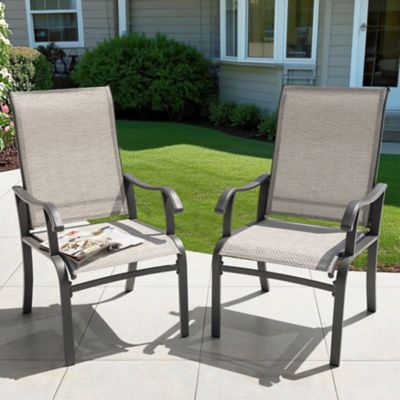
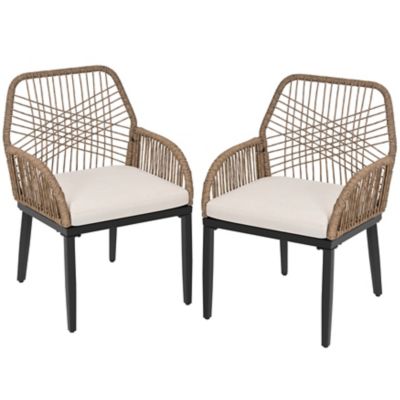
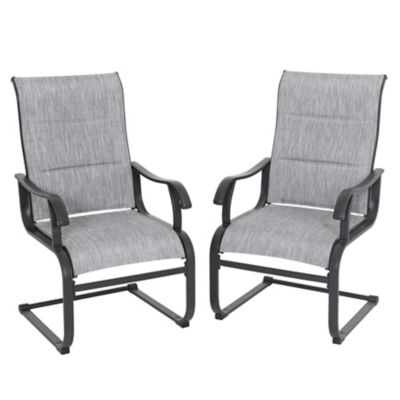
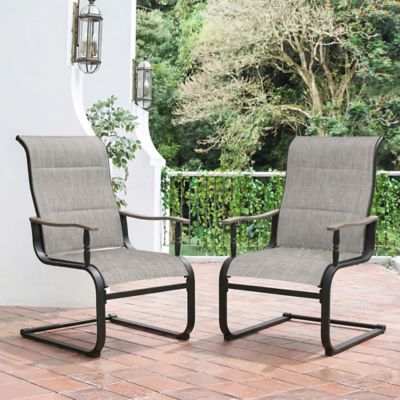
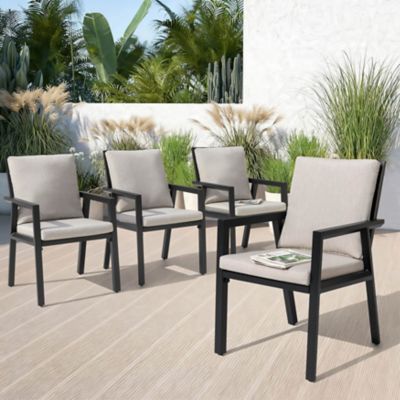
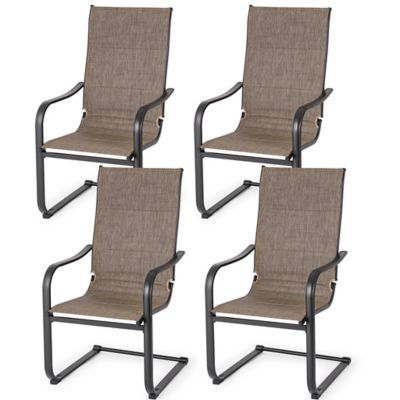
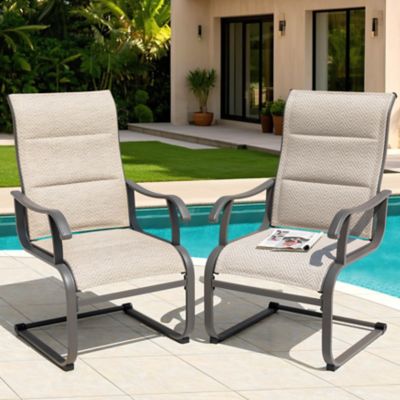
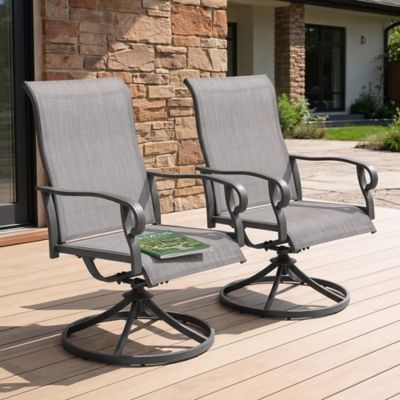
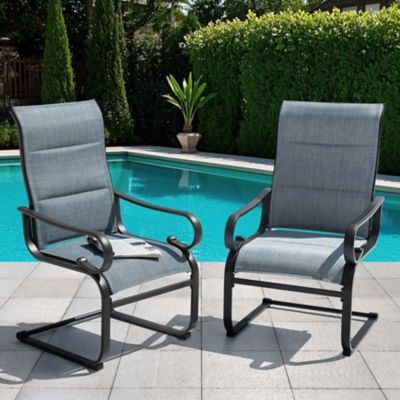
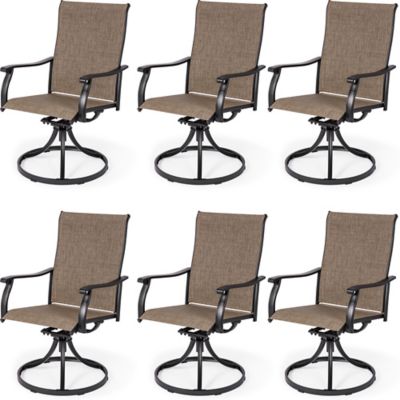
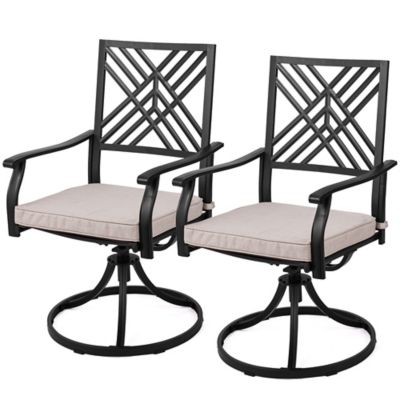
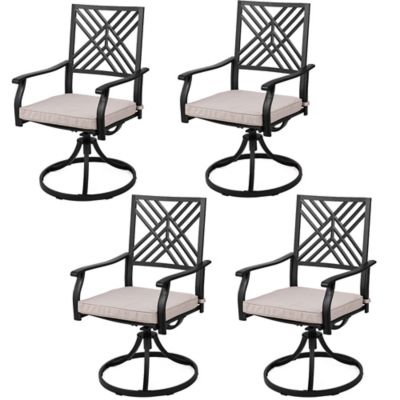
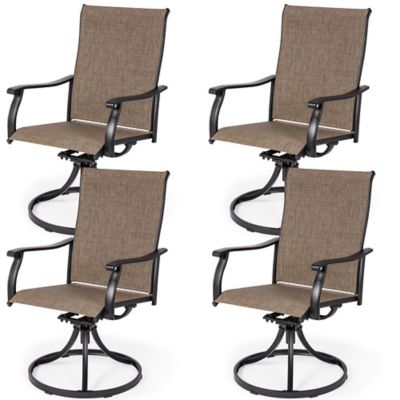
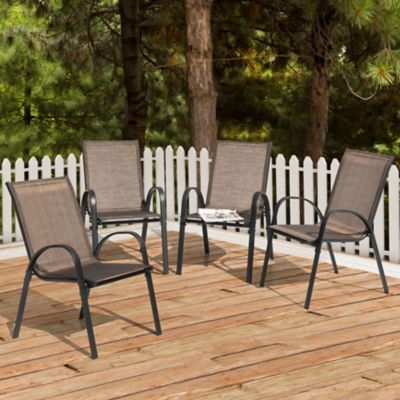
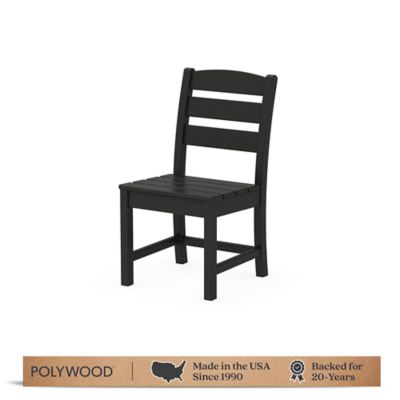
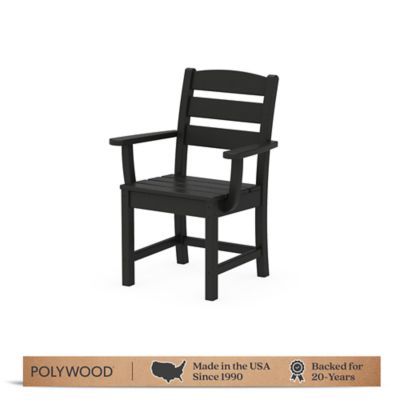
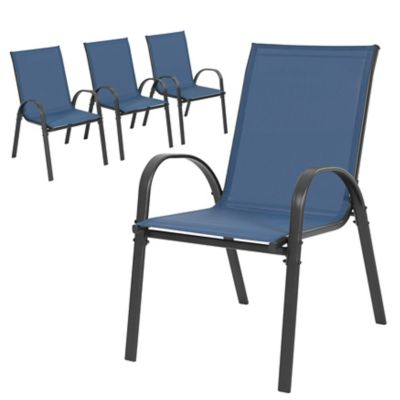
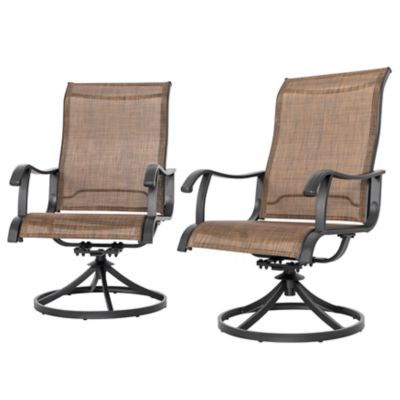
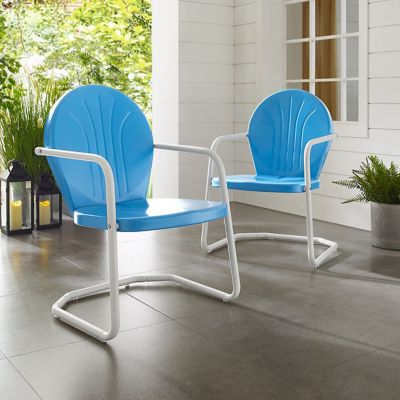
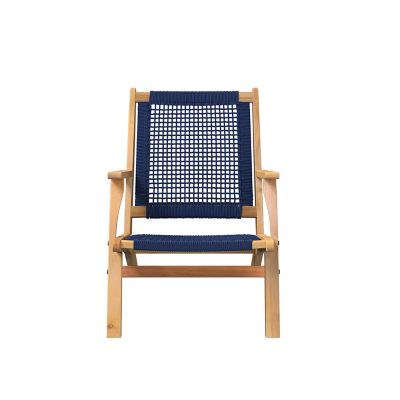
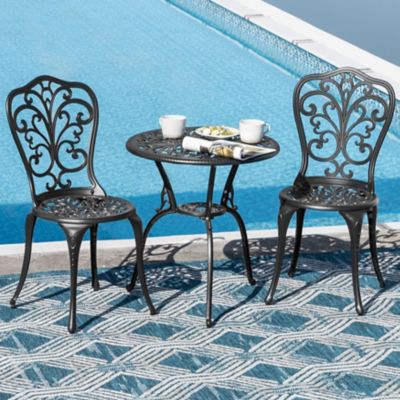
Comfortable outdoor dining chairs combine a supportive seat, a backrest that follows the body’s natural curve, and proportions that work with the dining table. Cushioned armchairs, contoured wood seats, woven designs, and sling-style seating can all make room for a relaxed meal without putting you too far back from your plate. The right feel depends on how you like to sit and how long folks tend to linger. A gently shaped seat can spread pressure more evenly than a flat surface, while a slightly angled back offers support without the deep recline of a lounge chair. Cushions add softness, but thickness alone doesn’t tell the whole story: filling that holds its shape helps keep the seat from feeling flat halfway through supper. Seat depth matters, too. There should be enough room to settle in while leaving space behind the knees, with feet resting comfortably on the ground. A roomy seat can be welcome for a long conversation, though a chair that’s too deep may leave a shorter person perched on the front edge. Armrests give elbows a place to land and can provide a steady handhold when sitting down or standing up. Their height should also allow the chair to slide beneath the tabletop or table apron, the support running below the top. Standard dining, counter-height, and bar-height chairs belong with tables of corresponding heights; matching the overall look isn’t enough to ensure a comfortable fit. Space around each chair deserves the same attention as the seat itself. Enough elbow room keeps a family meal from feeling crowded, and clearance behind the chairs lets someone carry a serving dish past without asking everybody to scoot in. On a porch or patio with limited room, armless chairs can tuck in neatly, while armchairs at the ends of a rectangular table give a little extra room to settle in.
Materials shape both the feel of outdoor dining chairs and the work involved in looking after them. Wood brings a solid, familiar look that fits easily beside a farmhouse table or on a back porch. Teak, acacia, and other woods differ in weight, grain, and maintenance needs, so the finish and the manufacturer’s care directions matter as much as the species name. Some wood finishes call for periodic attention to help maintain their appearance, and unfinished wood may gradually change color with exposure. Aluminum frames are generally lighter than comparable steel frames, which can make chairs easier to pull out for meals or move for sweeping. Steel can provide a substantial feel, though protective finishes need attention if scratches expose the metal underneath. Resin wicker offers a woven texture over a supporting frame; the frame material, weave construction, and care requirements all contribute to how well the chair holds up outdoors. Molded resin and recycled-plastic designs can offer shaped seats with straightforward cleaning, although their weight and construction vary. Sling seating provides support through tensioned fabric rather than a loose cushion, and its open weave can allow airflow. For cushioned chairs, removable covers simplify cleaning only when the care label permits removal and washing. Fabric described as water-resistant is not necessarily waterproof, and moisture can still reach seams or cushion filling. Cushion ties, straps, and slip-resistant backing help keep seating pads from shifting as people get up from the table. Everyday care is usually less involved when crumbs and spills are handled promptly, but cleaning methods should suit the material. Mild soap and a soft cloth may be appropriate for many surfaces, while abrasive pads or strong cleaners can harm certain finishes. Checking fasteners, looking over joints, and replacing worn foot glides can help keep seating steady and protect the surface beneath it. On pavers or decking, a chair that sits squarely without rocking makes every meal feel more settled.
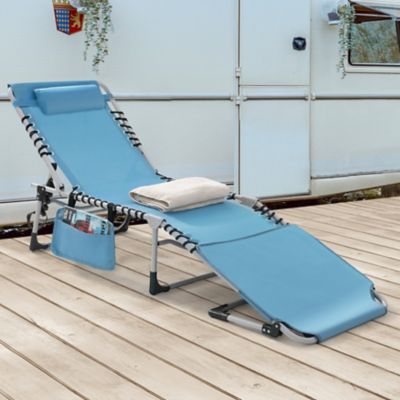
Outdoor dining seating earns its place through ordinary routines as much as special gatherings. It’s the spot for breakfast before chores, sandwiches after working in the garden, and a supper that turns into another hour of catching up. Chairs that move easily can make those routines simpler, especially when the table does double duty for sorting seed packets or setting out dishes for a family gathering. Heavier seating may suit a more permanent arrangement, while stacking or folding designs can free up floor space when the meal is over. Those features depend on the chair’s construction, so dimensions and handling requirements deserve a look before planning a tight storage space. The seating surface underneath matters as well: broad feet may rest more securely on some outdoor surfaces than narrow legs, and glides can help limit scraping on a finished porch floor. For a household with people of different heights and builds, seat width, back support, and the stated weight capacity are practical considerations rather than small print to skip. A firm, supportive chair with arms may suit someone who prefers a steady place to sit, while another person may favor an armless seat with more freedom to turn. Coordinating chairs don’t have to look identical, either. A shared frame color, wood tone, or cushion fabric can bring a mixed arrangement together without making every seat the same. Dining chairs also have a different job from
Comfortable Outdoor Lounge Chairs, which generally favor a lower, more relaxed position for stretching out away from the table. Keeping those roles separate helps create outdoor spaces where eating and unwinding both feel natural. As a housewarming or wedding gift, outdoor dining seating makes the most sense when the recipient’s table height, space, and care preferences are already known. For everyday meals or a table full of company, comfort comes down to seating that fits the people, works with the table, and stays manageable through regular cleaning and care.