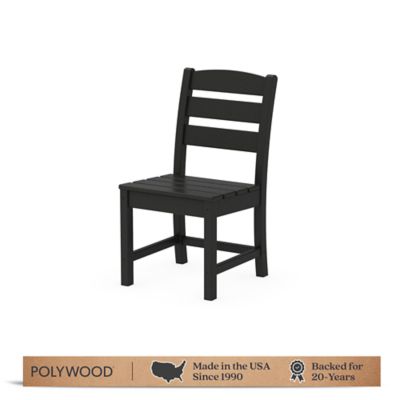
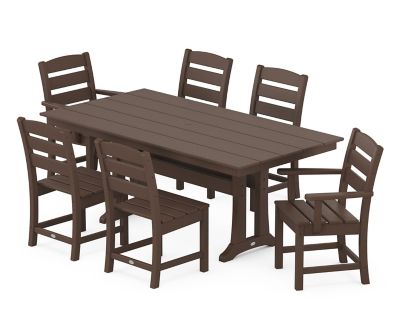
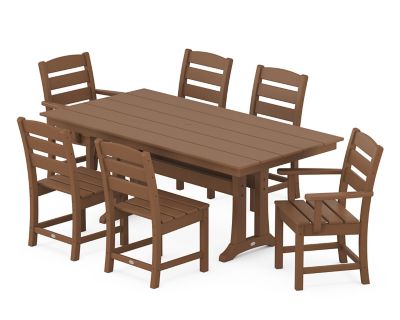
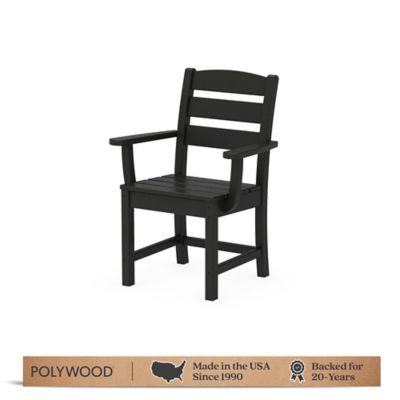
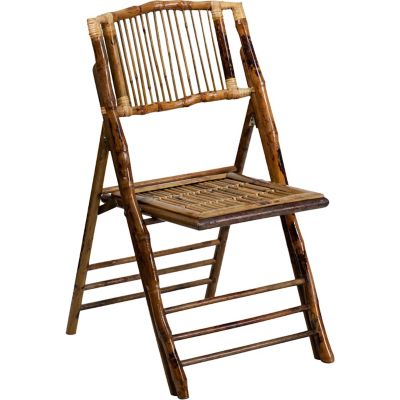
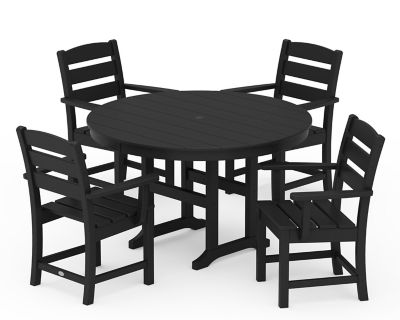
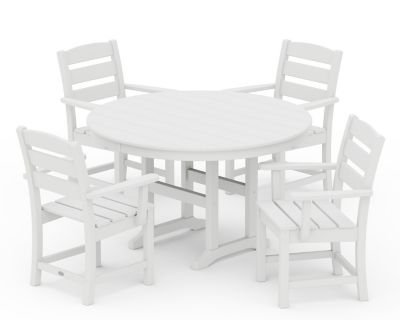
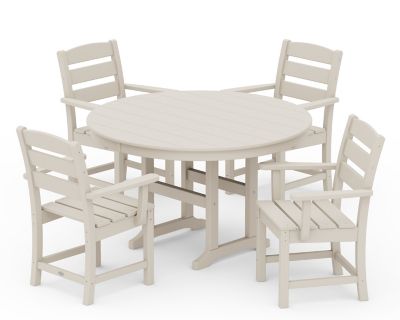
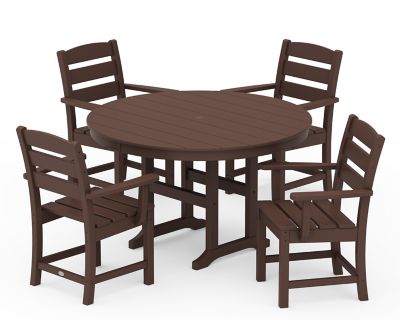
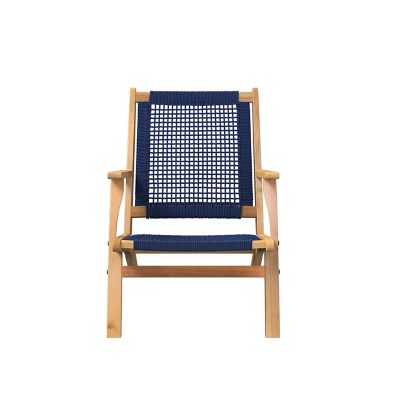
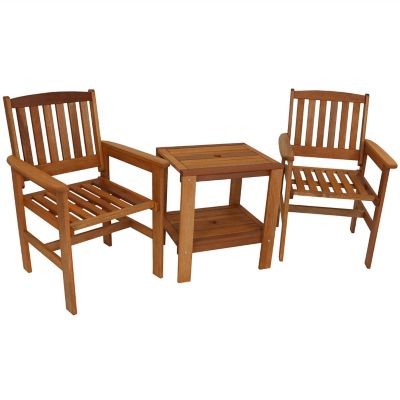
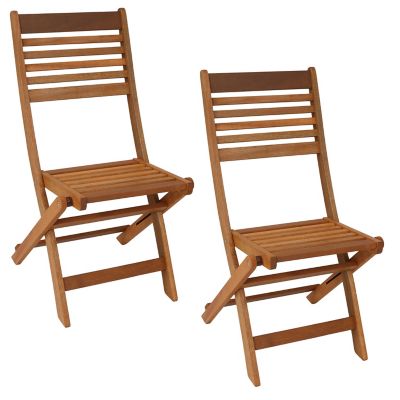
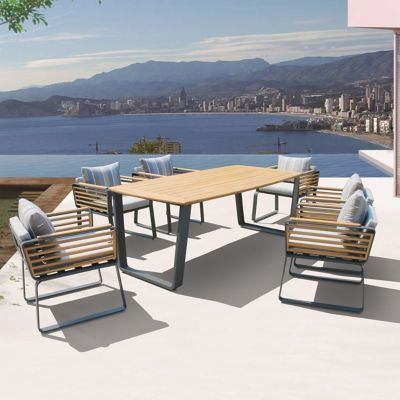
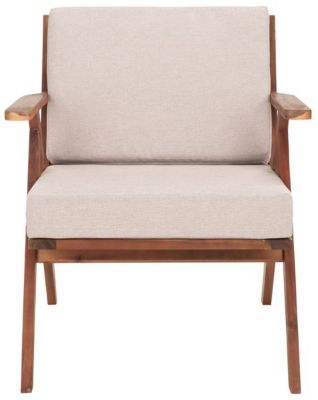
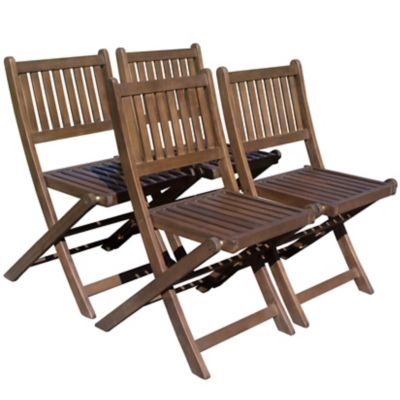
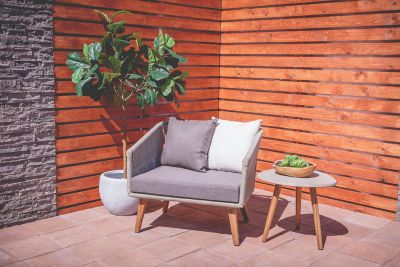
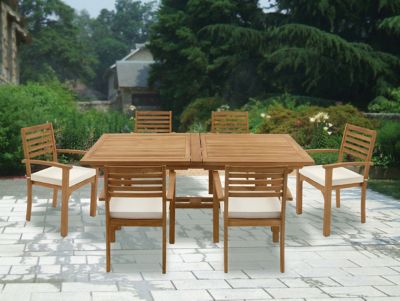
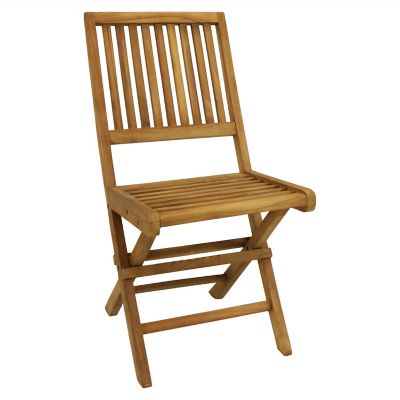
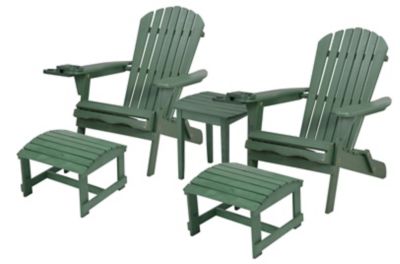
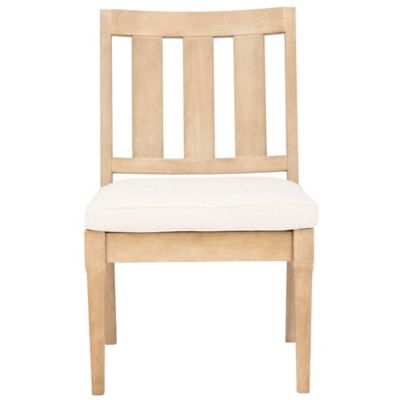
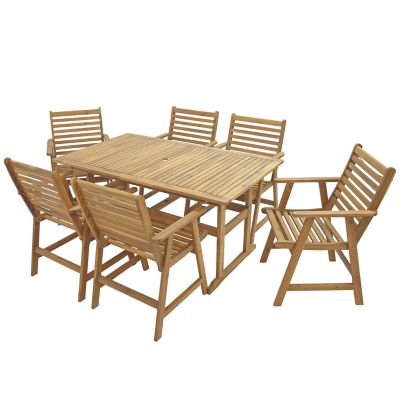
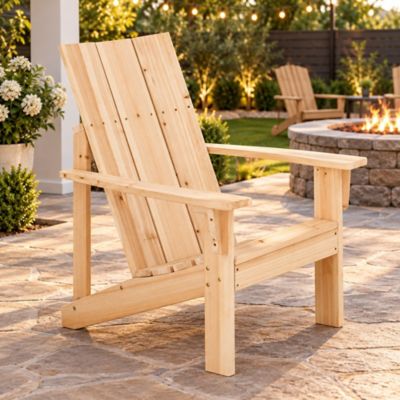
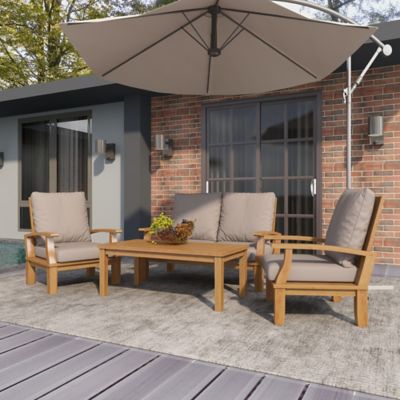
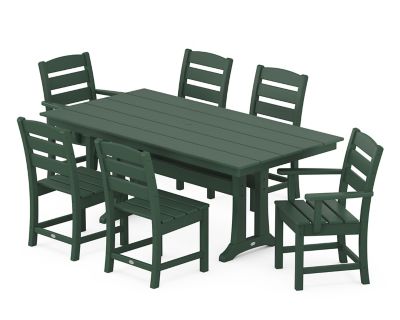
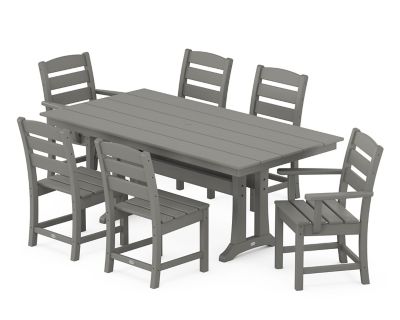
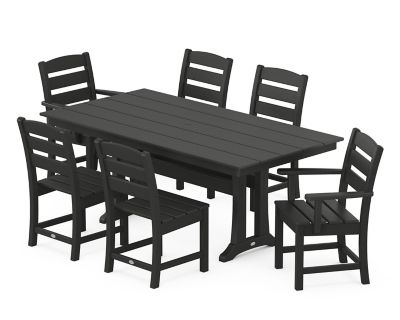
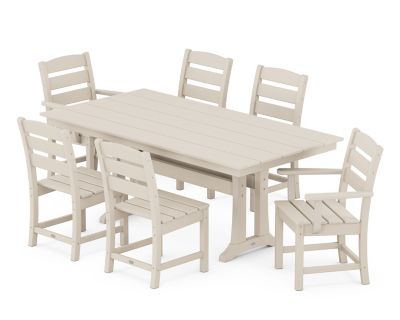
Outdoor wooden dining chairs bring a warm, lived-in feel to patios, porches, decks, garden tables, and outdoor kitchens. Wood fits right in beside a gravel fire ring, a covered back porch, or a long farmhouse table set beneath shade trees. Unlike metal or molded plastic seating, wooden chairs add natural grain, earthy color, and a little character that only gets better as an outdoor space comes together. They work well for everyday meals, weekend cookouts, morning coffee, card games after supper, and larger gatherings when extra seats are needed around the table. A well-made set of outdoor wooden dining chairs can also make a thoughtful gift for someone settling into a new home, building a backyard entertaining area, or fixing up a cabin, hunting camp, or country porch. When choosing chairs, start with the way the space is used. Side chairs are easy to move around and often tuck neatly beneath a table, making them a practical choice for smaller patios or dining areas where every inch matters. Armchairs offer a little more support and a comfortable place to settle in for a long meal, but they need more room between seats and may not fit as many people around a table. If you host family reunions, summer suppers, or impromptu visits from neighbors, a combination of armchairs at the ends and side chairs along the sides can give everyone a comfortable spot without crowding the table. Stackable designs are useful when chairs need to be stored in a shed, garage, barn, or covered corner during rough weather, and they make it easier to clear the patio after a gathering. Foldable or lightweight options can be helpful, too, especially when seating moves between the porch, lawn, and driveway. Before ordering, measure the table height, available floor space, and storage area. Leave enough room for guests to pull chairs out and sit down without bumping into a railing, grill, planter, or neighboring seat.
The type of wood plays a big role in how outdoor wooden dining chairs look, feel, and hold up over time. Teak is a premium hardwood valued for its density, natural oils, and resistance to moisture, decay, insects, and everyday weather exposure. It can begin with a warm honey or golden tone and gradually develop a soft silver-gray patina when left outdoors, though regular care can help preserve its original color. Acacia is another durable hardwood often used for outdoor furniture, offering attractive grain and a rich, varied appearance. Like any natural wood, acacia benefits from being kept clean and protected from standing water and long periods of harsh exposure. Other wooden chairs may use painted, stained, or treated lumber, so check the care instructions and finish before setting them out. Look for sturdy joinery, smooth edges, balanced legs, and a seat that feels solid rather than wobbly. A gently angled back can make a noticeable difference during a long dinner, while a broad seat and shaped armrests add comfort for guests who tend to linger around the table. Cushions can soften a firm wooden seat and add color without changing the basic character of the chair. Washable polyester cushion covers are especially handy around food, pets, children, and damp grass. Choose cushions with ties or other secure fasteners so they stay in place when a breeze comes through, and bring them indoors or into a weather-protected storage bin when rain is expected. Neutral cushions blend easily with changing table linens, while stripes, checks, or deeper earth tones can give a porch a more collected, welcoming look. For a coordinated outdoor dining area, consider the table finish, nearby planters, fencing, and other outdoor furniture rather than trying to match every piece exactly. Natural wood pairs nicely with galvanized metal, woven accents, stone, and simple cotton or canvas textiles.
Outdoor furniture lasts longer when it gets a little routine attention. Sweep away leaves, pollen, and crumbs before they collect in corners or around hardware, then wipe the chairs with mild soap and water as needed. Avoid harsh cleaners unless the manufacturer specifically recommends them, since strong products may affect the finish or dry out the wood. Let chairs dry fully after cleaning, and check joints, screws, and protective feet from time to time. During the warmer part of the year, placing chairs on a level surface helps prevent rocking and keeps legs from sitting in wet soil. A covered porch or shaded area can reduce direct sun and rain exposure, while breathable furniture covers can help protect chairs during extended periods of rough weather. Avoid trapping moisture beneath a cover, and never store damp cushions in a closed container. As the weather turns cooler, stackable chairs can be moved into a garage, shed, or covered storage area, though many well-built hardwood chairs can remain outside when properly cared for. Keep the seating arrangement practical for the people who use it most: a busy household may appreciate easy-clean cushions and sturdy arms, while a smaller patio may benefit from slim side chairs that slide neatly beneath the table. For a softer, more relaxed look, pair wood seating with outdoor textiles and nearby greenery. If you like the natural texture of wood but want a different woven finish, browse
Outdoor Wicker Dining Chairs for another way to furnish a porch or patio dining area. With the right size, wood type, comfort features, and storage plan, outdoor wooden dining chairs can turn an ordinary outdoor table into a favorite place for fresh lemonade, family meals, and slow evenings spent enjoying the open air.