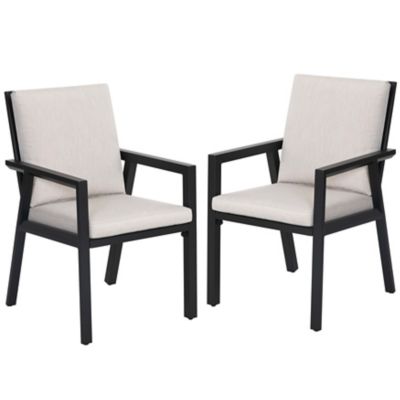
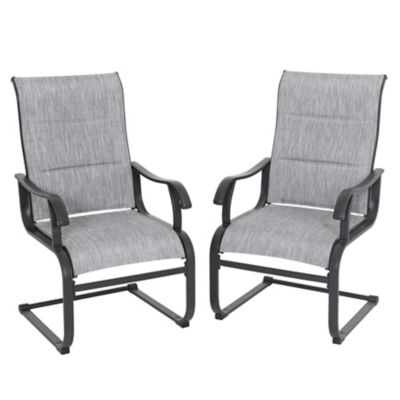
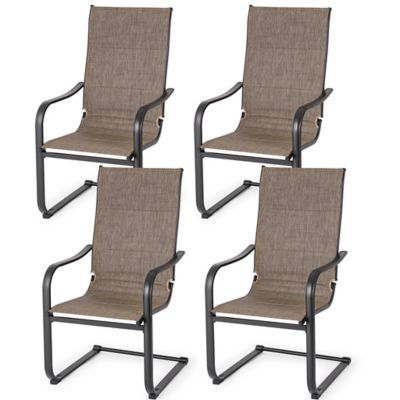
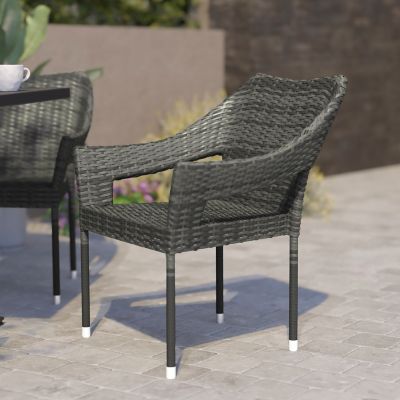
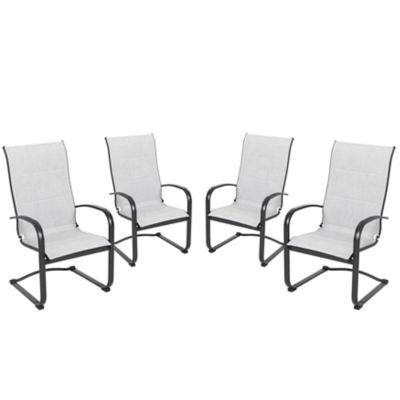
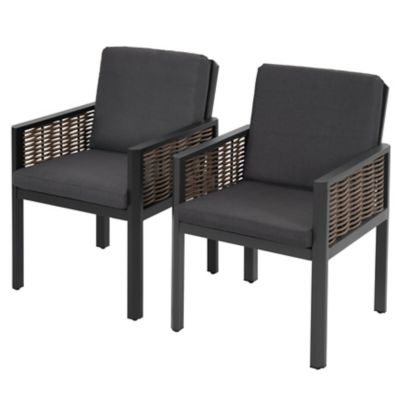
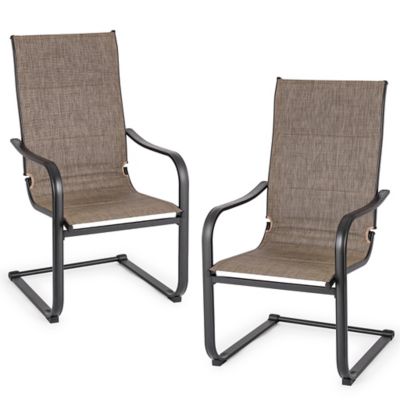
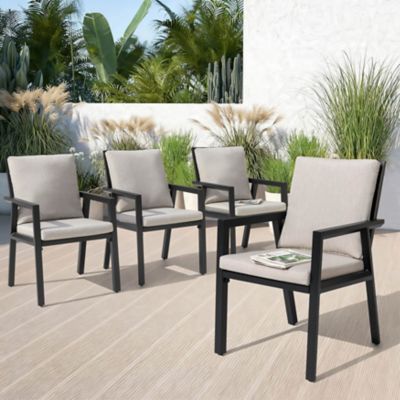
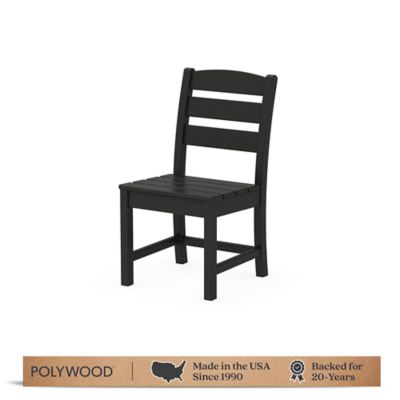
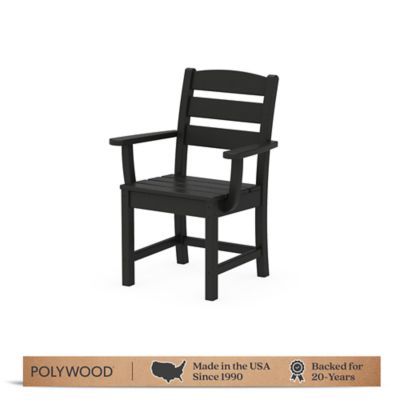
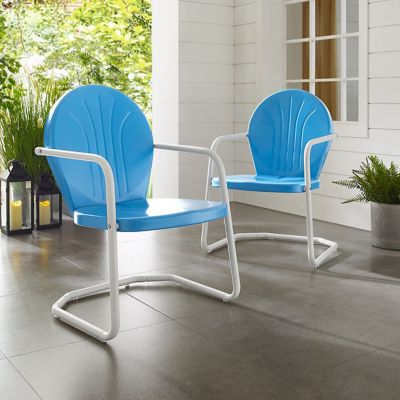
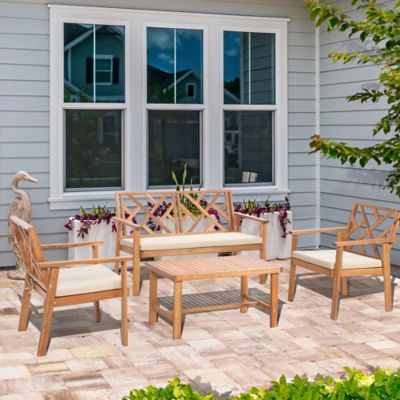
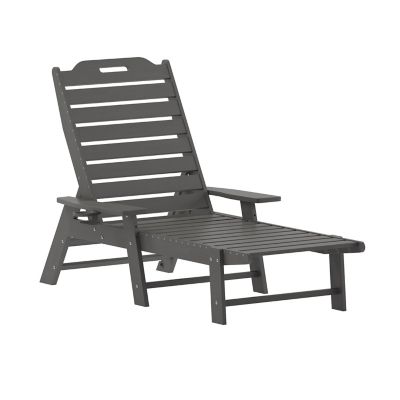
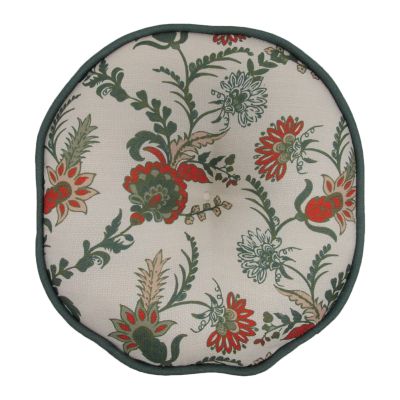
Comfortable patio dining chairs combine a supportive back, a seat that fits the person sitting in it, and a height that works with the dining table. Cushions can add softness, but comfort also comes from the shape of the frame, the angle of the backrest, and having enough room to move without bumping elbows. A gently curved back can feel more welcoming than a straight, narrow panel, while a rounded front seat edge helps keep pressure off the backs of the legs. For meals on the porch or patio, a fairly upright seat makes it easier to reach a plate and sit comfortably through supper. Deep, low seating has its place for stretching out, but it may leave diners reaching up toward the tabletop. The best fit lets feet rest flat and leaves space between the seat and the underside of the table, including any apron or support rails. Cushion thickness counts toward that seated height, so a thick pad can change how a chair fits even when the frame measurements look right. Armrests provide a place to settle forearms between bites and may help some adults sit down or stand up, provided the chair stays steady and the arms are suitable for support. Armless chairs offer more freedom to slide in from either side and can tuck closer to a table. Seat width matters, too, especially when a long family meal turns into cards or conversation after the dishes are cleared. Published dimensions and weight limits are useful starting points, but seat depth, back height, and cushion firmness all affect how that space feels. A softly padded chair should still hold its shape beneath a diner rather than sink so deeply that getting up becomes a chore. Whether the table is a spot for morning coffee or a full spread after a day of fence work, comfortable outdoor dining chairs make the space feel like a place to stay awhile.
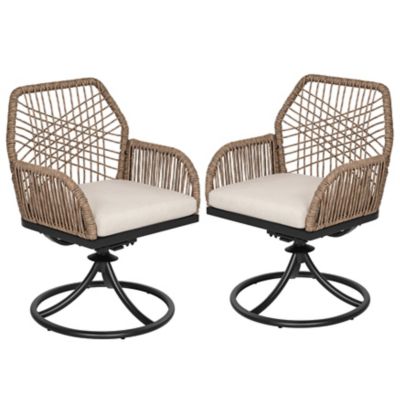
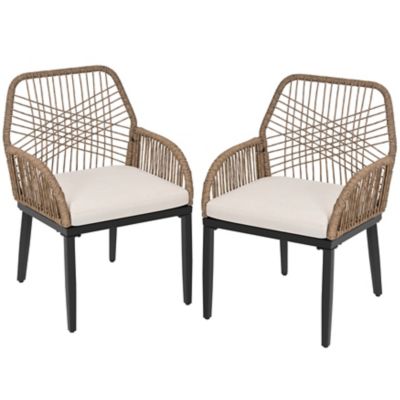
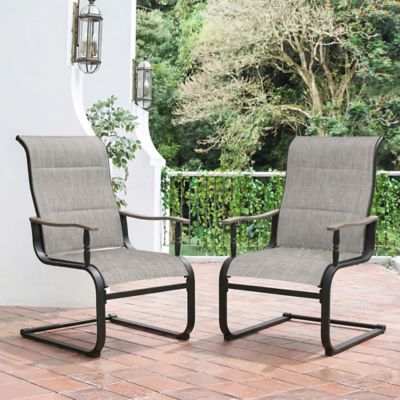
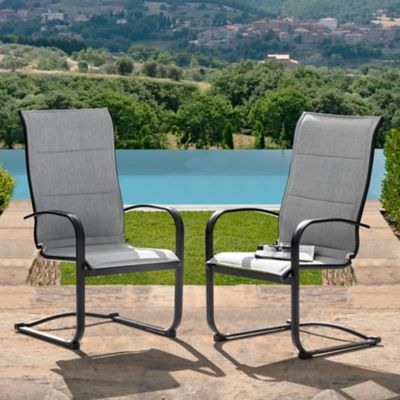
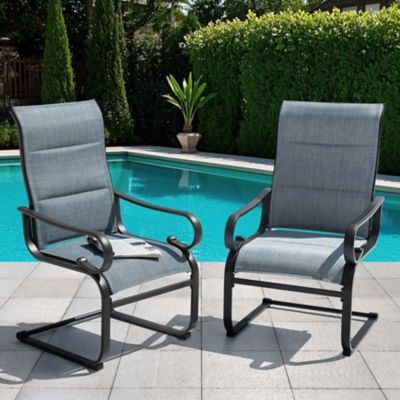
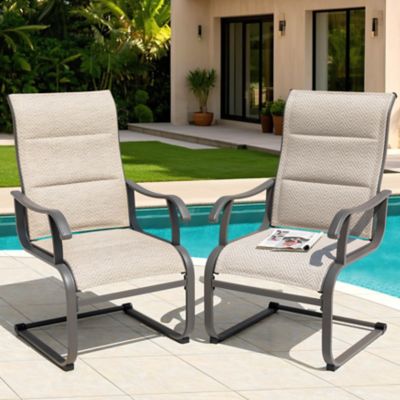
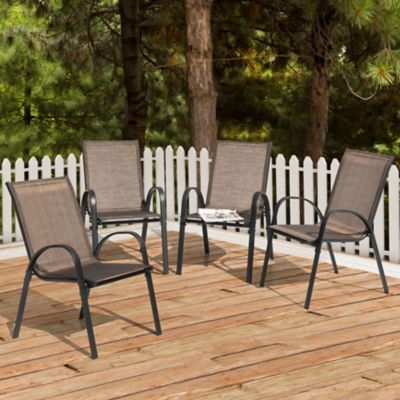
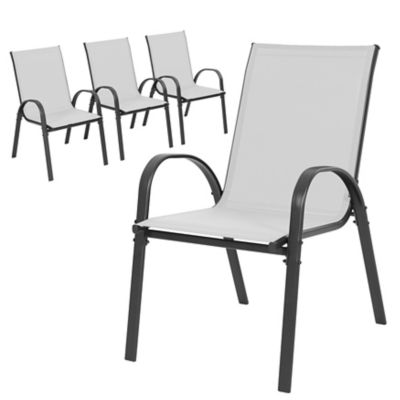
Materials influence the feel of patio dining chairs as much as their appearance. Wood brings a solid, familiar look to a porch table, with grain and color that vary by species and finish. Its care needs vary, too: some wood benefits from periodic oiling or sealing, while other finishes call for a different routine. Aluminum frames tend to be lighter to move and do not develop iron rust, though their hardware and finishes still need attention. Steel offers a substantial feel, with protective coatings that help limit exposure to moisture; scratches and chipped areas deserve prompt care according to the manufacturer’s directions. Molded resin and high-density polyethylene seating can be practical around outdoor meals because the surfaces generally wipe clean, but chair weight, reinforcement, and stated load limits still matter. Woven resin chairs add texture, and the frame beneath the weave plays a big part in overall strength and support. Sling seats provide a little give without a separate cushion, while padded seats offer a softer landing for longer gatherings. Cushion construction makes a difference beyond the first sit: firm foam, even seams, secure ties, and removable covers can make everyday ownership easier. Fabric labeled for outdoor use is better suited to sun and moisture than ordinary indoor upholstery, although no label replaces the care instructions. Food spills are easier to manage before they settle into a weave or seam, and mild soap is often enough when the maker permits it. Cushions should dry fully before being tucked away, and covers work best when they fit properly and allow the furniture to remain dry beneath them. For exposed patios, drainage openings and surfaces that shed water help reduce lingering dampness. Chairs beneath a covered porch still collect dust, pollen, and the occasional muddy paw print, so easy-to-reach surfaces and replaceable cushions can be welcome features. Simple upkeep, sound joints, and a frame suited to outdoor use help keep the seating ready for the next meal without turning patio care into another big job.
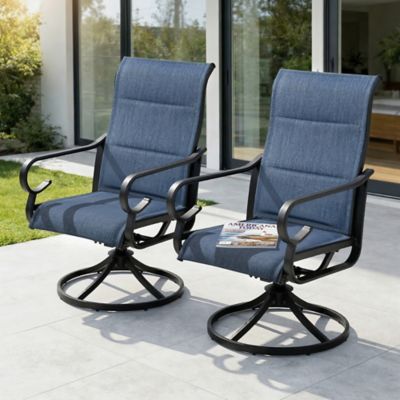
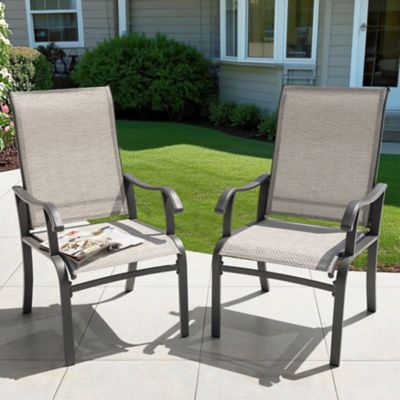
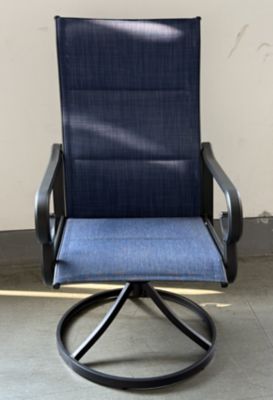
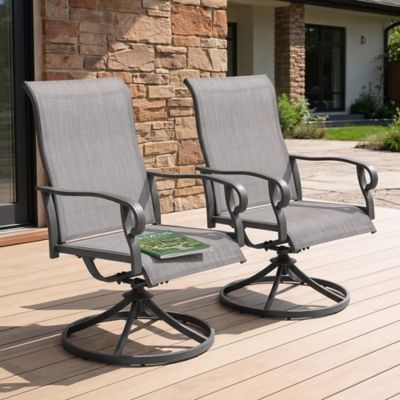
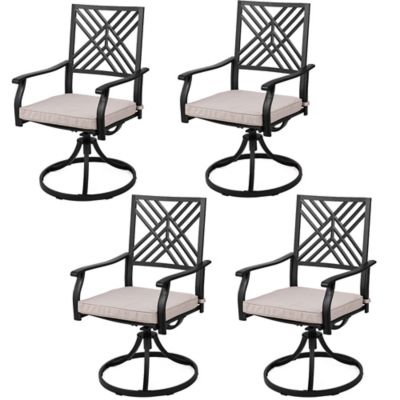
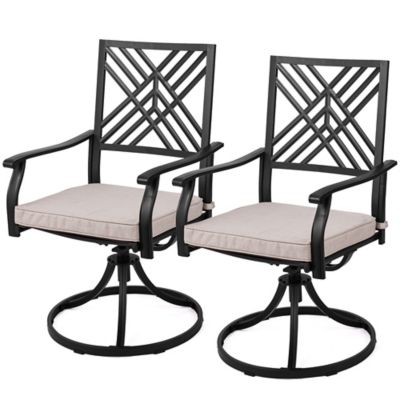
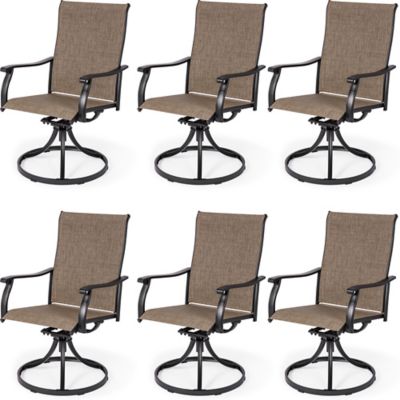
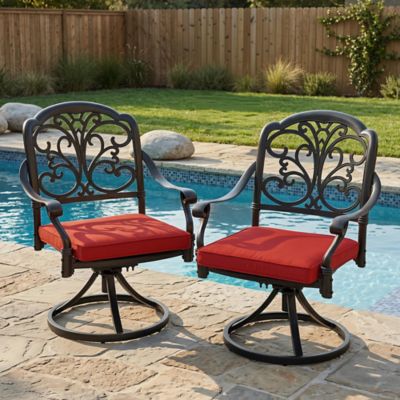
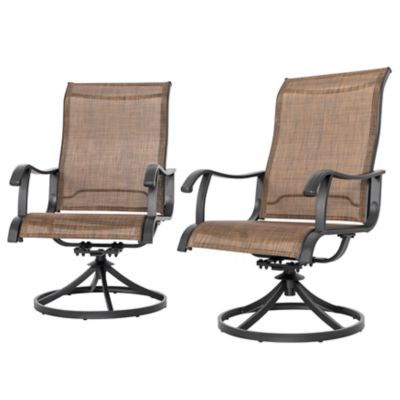
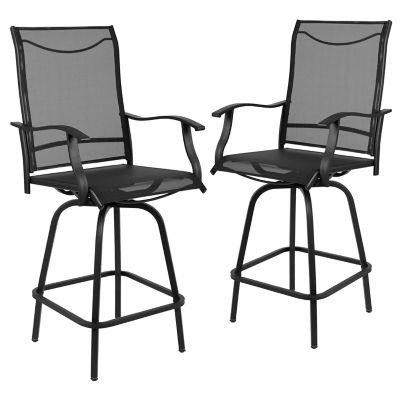
The right chair style also depends on how the dining area fits into everyday life. A pair beside a small table can make a quiet breakfast spot outside the kitchen door, while a larger arrangement gives family and neighbors room to gather over burgers, garden vegetables, and a pitcher of tea. Swivel chairs make it easier to turn toward a conversation without dragging the chair across the floor, but they need clearance from nearby seats and table legs. Rocking or motion seating calls for room behind and beneath the frame, along with a level surface that suits the design. Stationary chairs keep the arrangement straightforward, especially where a narrow porch leaves little space between the table and the walkway. Chairs should pull out far enough for someone to stand without stepping into a planter, railing, or doorway. Wide feet can help distribute weight on some surfaces, while suitable glides help protect porch boards and reduce scraping; loose gravel and uneven ground can make dining furniture unstable. Folding and stackable designs can simplify putting chairs away, though cushions and armrests may affect how neatly they nest. For a coordinated seating area,
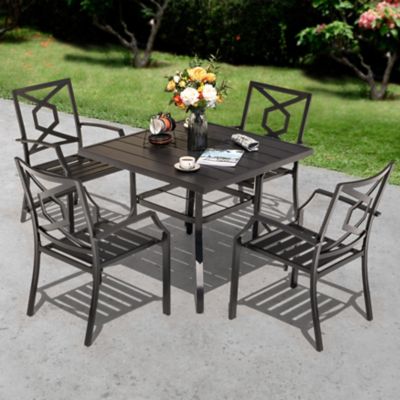
Comfortable Patio Furniture Sets offer another way to bring the table and chairs together. Matching every finish is not necessary for a welcoming setup: the more important details are compatible heights, comfortable spacing, and a shared sense of scale. A broad table can handle more substantial armchairs, while a compact eating area often feels less crowded with slimmer frames. Households with children may appreciate wipe-clean seats and fewer deep seams to catch crumbs, while frequent hosts may favor seating that moves easily between the table and a nearby conversation area. Patio dining chairs can also make a thoughtful housewarming or anniversary gift when the recipient’s table measurements and seating preferences are known. From a quick sandwich between chores to an unhurried meal with company, supportive seating helps an outdoor table earn its place in daily life.