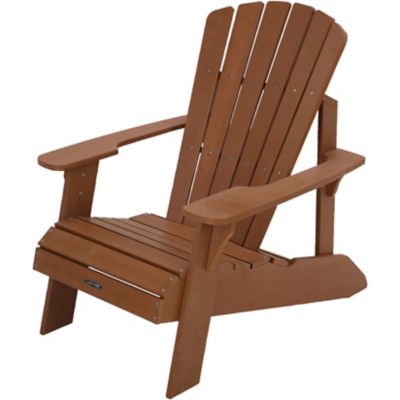
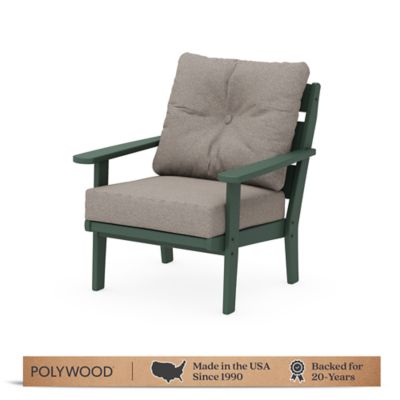
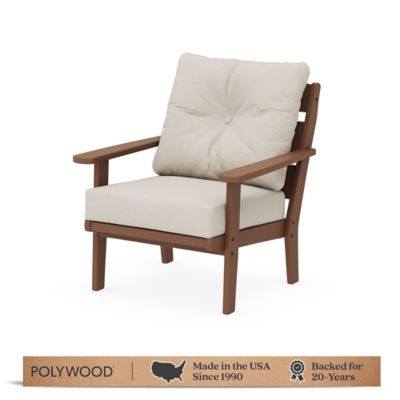
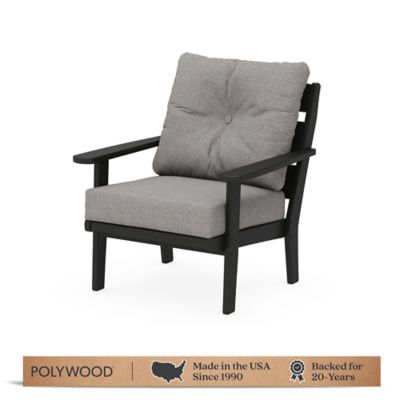
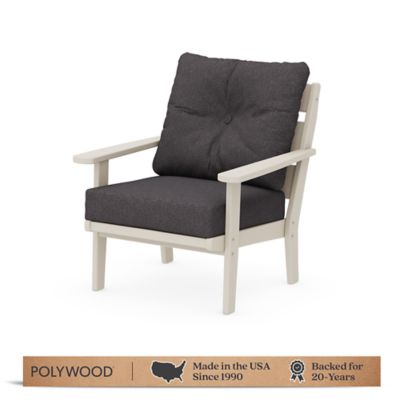
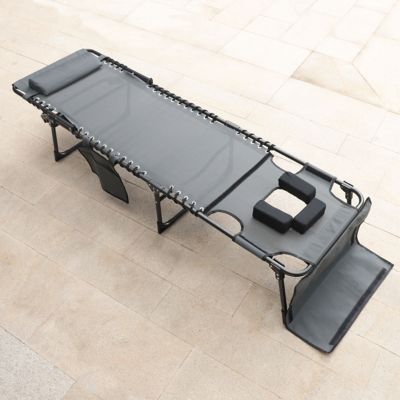
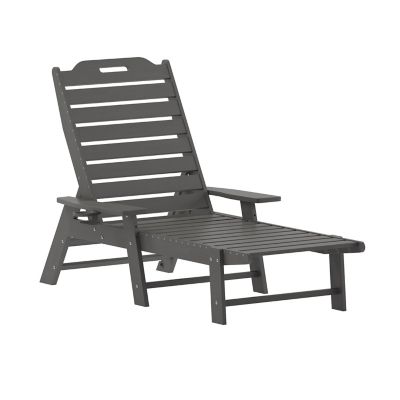
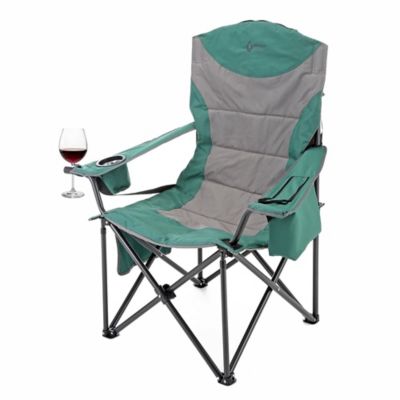
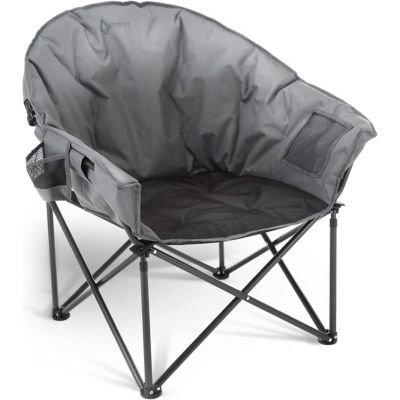
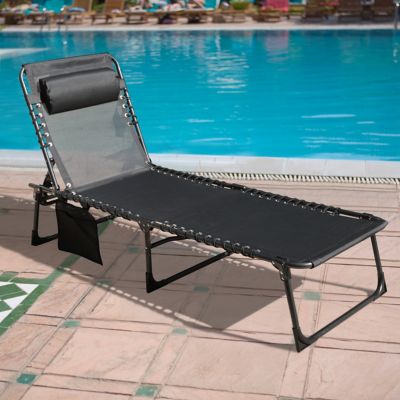
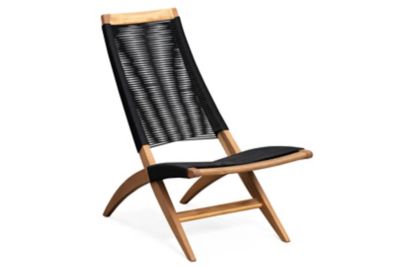
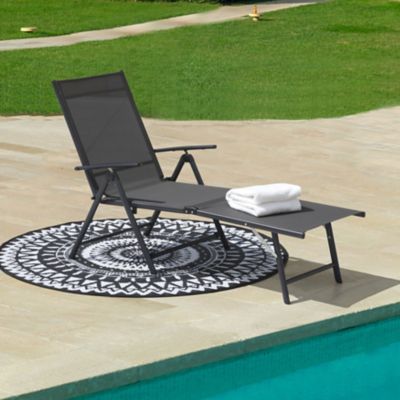
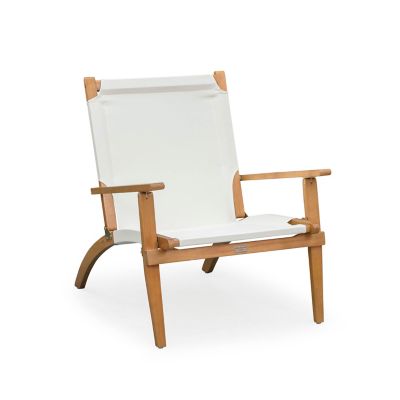
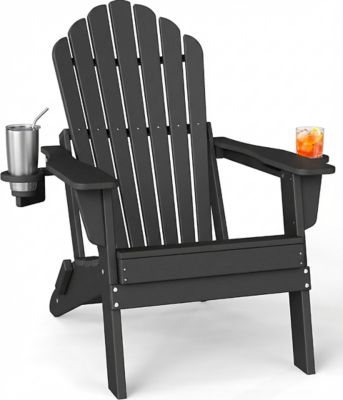
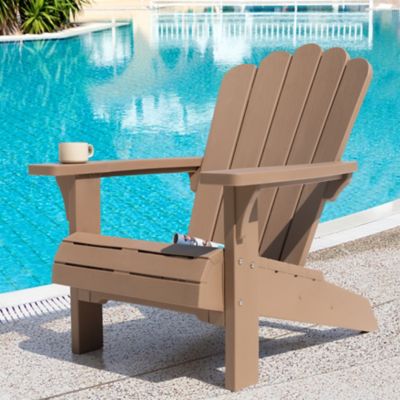
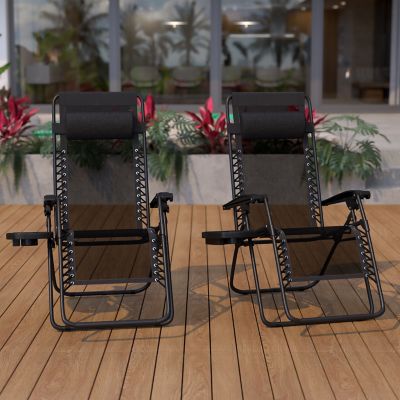
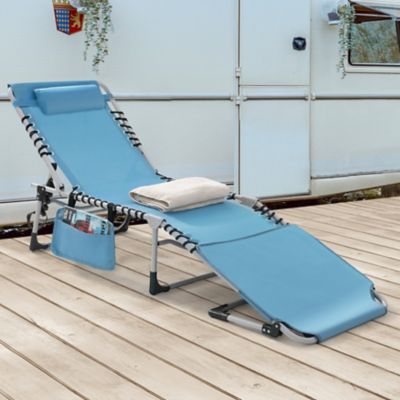
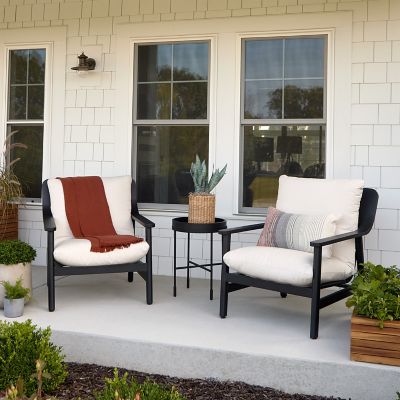
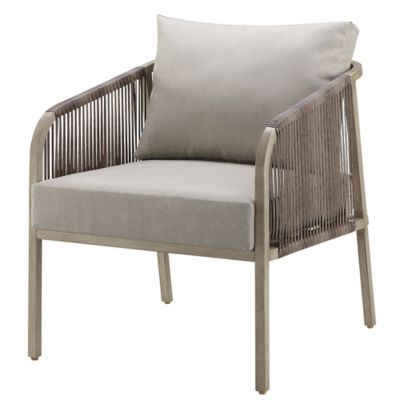
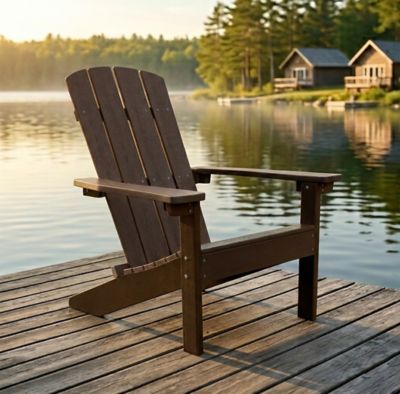
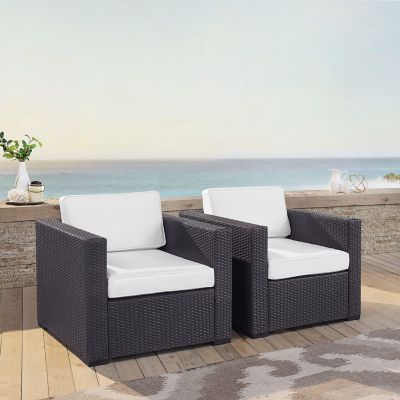
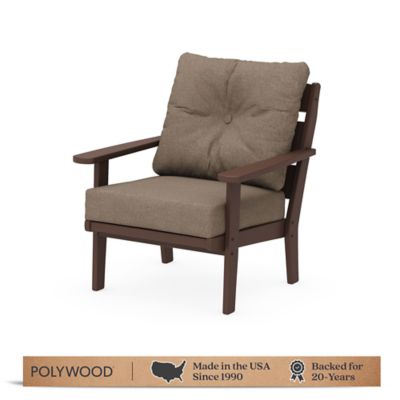
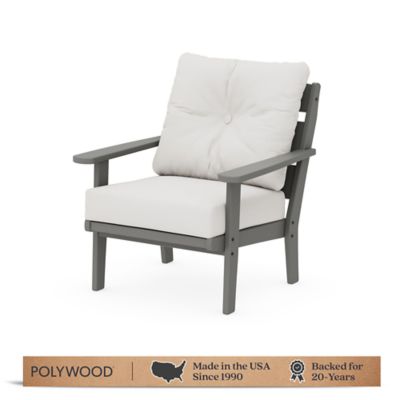
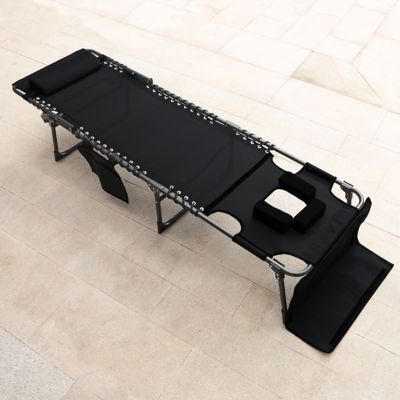
Comfortable outdoor lounge chairs give you a place to stretch out on the patio, settle onto the porch with a book, or take a breather after chores. The right fit comes down to how you like to relax, how much room you have, and where your body needs support. A long chaise supports your legs for reclining, while a lounge chair with a separate footrest lets you change positions without committing the whole space to a full-length seat. Adjustable backs make it easier to sit upright for conversation, lean back for reading, or recline for a quiet break. For everyday comfort, seat depth matters just as much as cushioning. A deep seat leaves room to curl up, but it may need a back pillow if you prefer sitting with your feet flat on the ground. A shallower seat can feel more natural for visiting with company or getting up between tasks. Seat height, armrest placement, and back height all affect how a chair feels over a longer stretch. Broad armrests give your elbows a resting spot, and a taller back can support more of your shoulders. Cushions should have enough substance to soften the seat without letting you sink against the frame. Firmer padding often makes changing position easier, while a softer cushion can suit someone who prefers a tucked-in feel. A contoured seat or a properly tensioned sling can also provide comfort without thick padding. Chair width deserves a look, too: the listed overall width may include the arms, so the actual sitting area can be smaller than expected. Checking seat measurements and the stated weight capacity helps match the chair to the person who will spend time in it. Whether the spot faces a garden, a fence line, or the backyard, comfortable seating should let you settle in without constantly shifting around to find a better position.
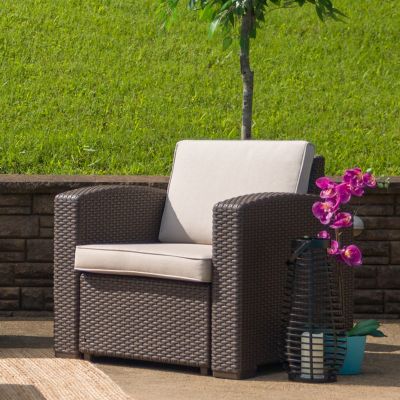
Frame and seat materials shape both the feel of outdoor lounge chairs and the attention they need over time. Aluminum frames are generally lighter to move, which helps when a chair travels between the deck and a storage area. Steel frames can provide a heavier feel, though their protective finish needs attention if scratches expose the metal underneath. Wood brings a solid, familiar look to a porch or patio, with care needs that vary by species and finish. Some wood surfaces call for periodic oiling or sealing, while others are meant to develop a different appearance with exposure. Resin and plastic seating can be straightforward to wipe clean, and molded shapes may provide support without separate cushions. Woven seats offer a textured look, but the weave material and underlying frame still matter; natural fibers and synthetic resin do not share the same care requirements. Sling fabric creates a suspended seat with airflow and fewer loose pieces to gather up. Cushioned chairs offer another kind of comfort, with fill thickness, cover fabric, and cushion attachment all affecting the experience. Ties or straps can help keep cushions from creeping forward when you sit down, and removable covers can make cleanup simpler when their care labels allow washing. A removable cover is not necessarily machine washable, so the listed cleaning directions are worth keeping handy. For ordinary dirt, a soft brush or cloth and a cleaner suited to the material can keep grit from building up around seams and joints. Letting fabric and cushions dry fully before storage helps prevent trapped moisture. Hardware, hinges, and adjustment points benefit from occasional checks, especially on chairs that move or fold often. Tight connections, intact finishes, and properly supported fabric all contribute to a chair that continues to feel steady. For families sharing a seating area with pets or children, wipeable surfaces and securely attached cushions can take some of the fuss out of everyday cleanup.
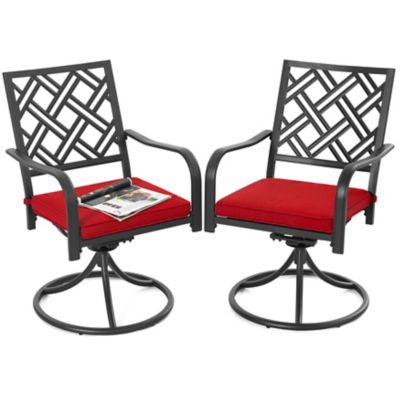
The way outdoor lounge chairs fit into a space matters nearly as much as the seat itself. A chair that looks compact while upright may need considerably more room with its back lowered and its footrest extended. On a narrow porch, that extra reach can block a door or crowd the path between seats. Around a pool or beside a patio, enough clearance makes it easier to walk past without stepping over someone’s feet. A firm, level surface helps keep the frame steady, and the shape of the feet matters on boards, pavers, or other surfaces with gaps. Protective glides can help limit scuffing where the chair meets the floor, provided they suit both surfaces. Folding frames make sense when the same area serves several purposes, such as a family gathering one day and an open walkway the next. Their folded size and carrying weight affect how easily they tuck away, while locking mechanisms should hold securely in the position described by the manufacturer. Reclining controls should be within easy reach, with enough room around moving parts to keep fingers clear. Wheels can make a larger chaise easier to reposition, but a stable resting position still matters once it is in place. A small table within reach gives a drink, reading glasses, or a paperback somewhere to land without balancing everything on an armrest. For a patio that handles meals as well as downtime,
Comfortable Outdoor Dining Chairs suit the table area while lounge seating leaves room for stretching out nearby. Similar frame finishes or cushion colors can help the two areas feel connected without requiring every seat to match. Outdoor lounge seating can also make a thoughtful housewarming or retirement gift for someone who enjoys time on the porch. Knowing the recipient’s space, preferred sitting position, and willingness to handle upkeep helps make that choice a better fit for everyday life.