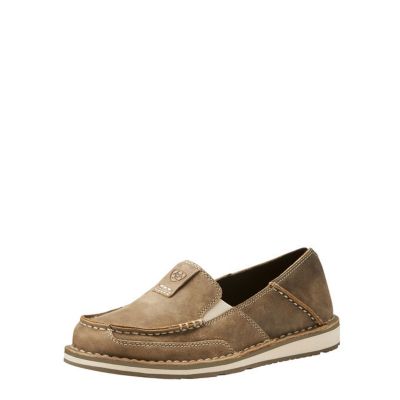
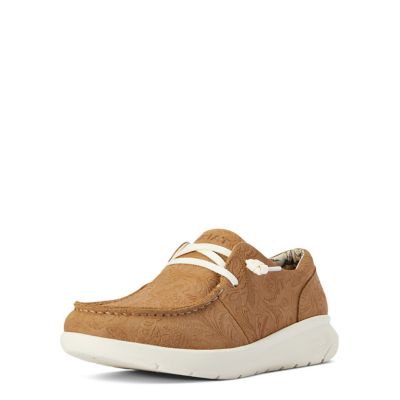
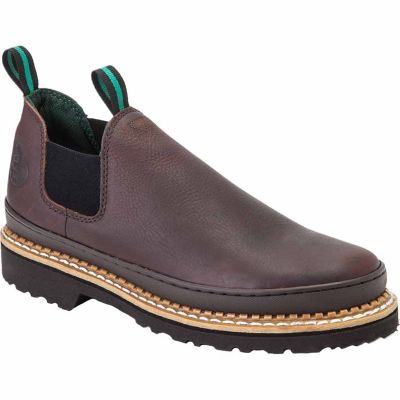
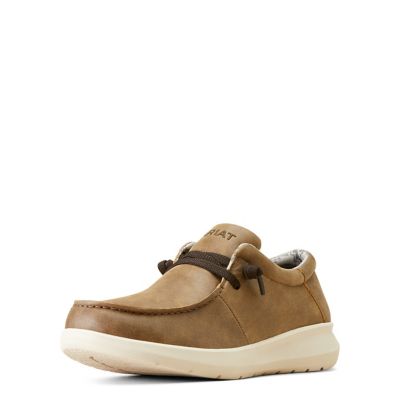
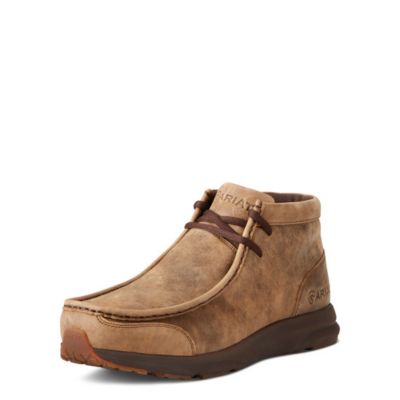
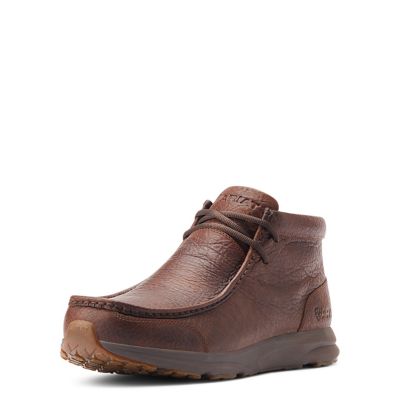
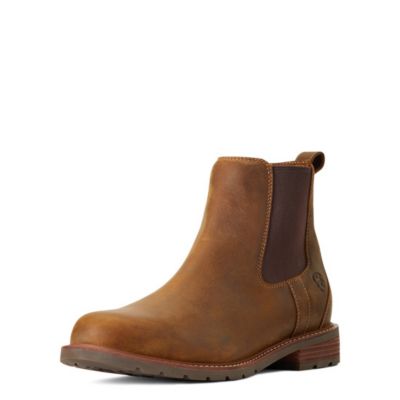
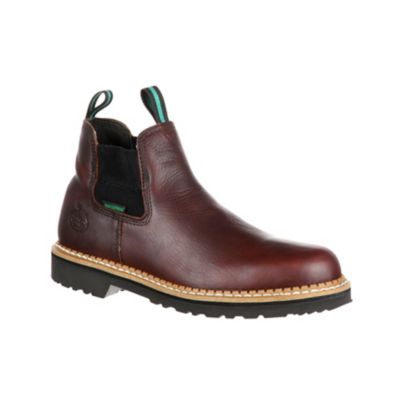
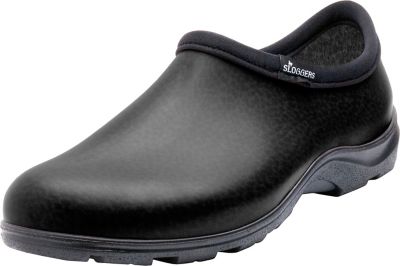
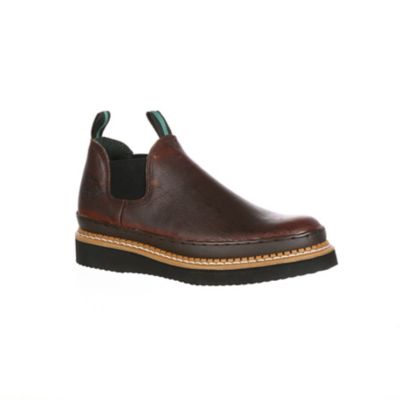
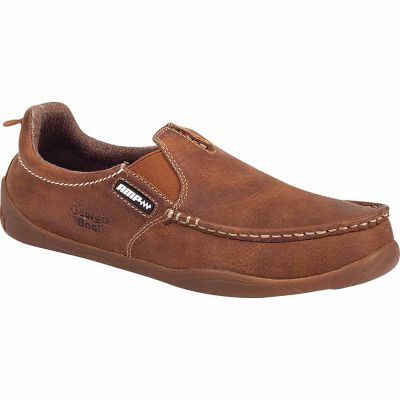
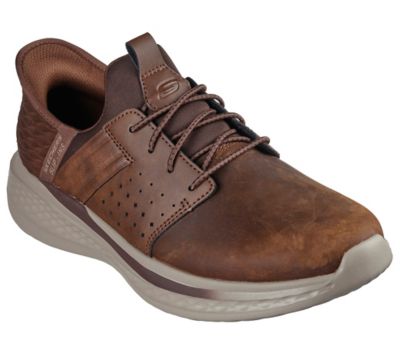
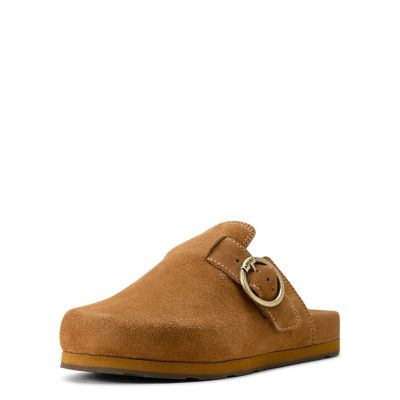
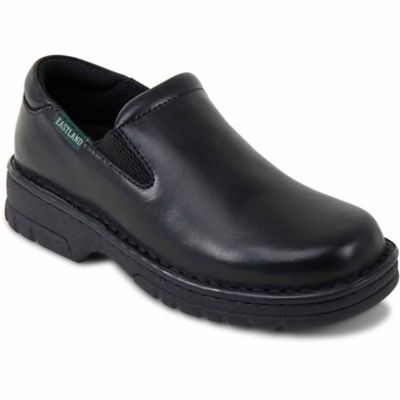
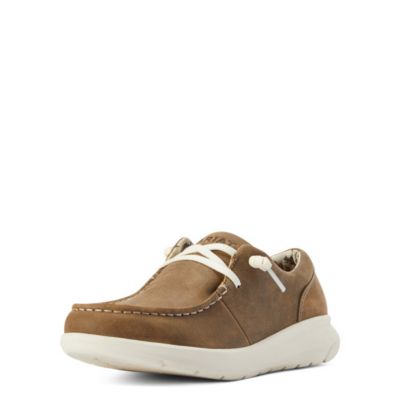
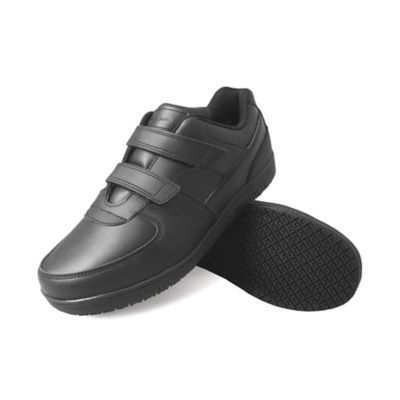
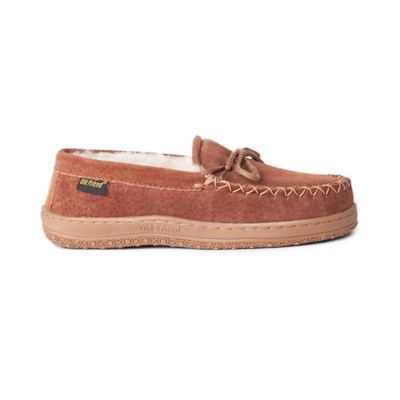
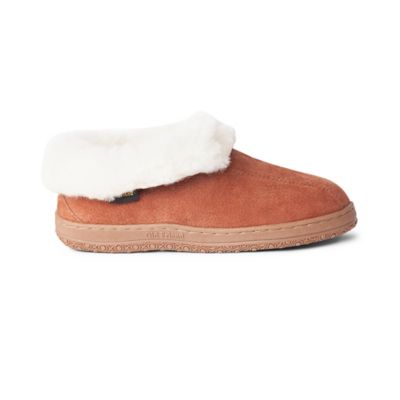
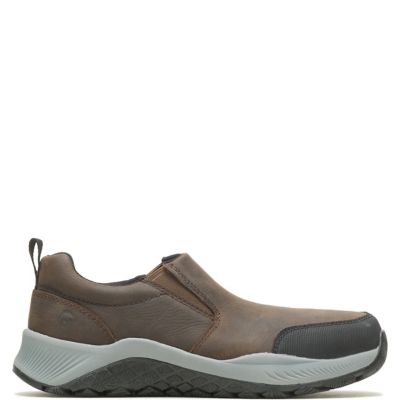
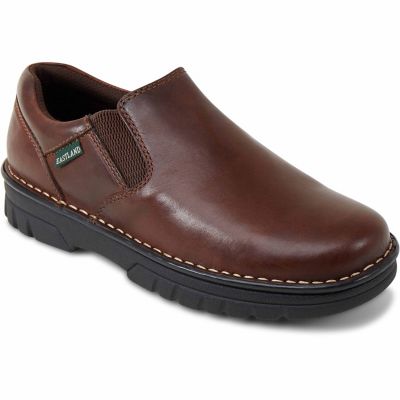
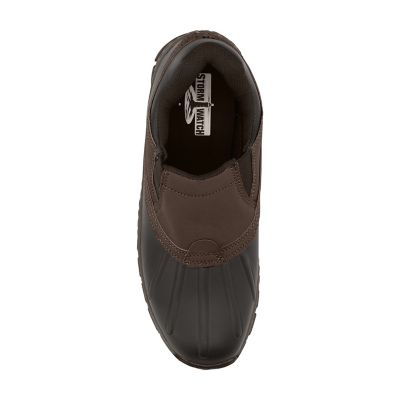
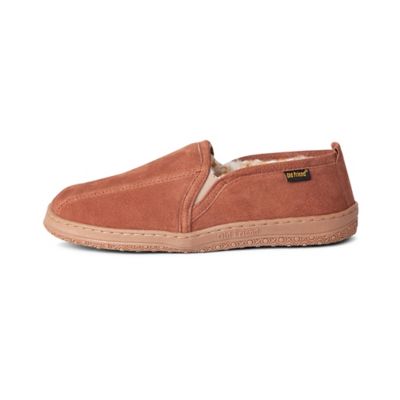
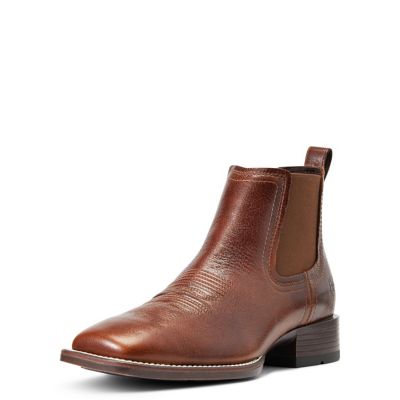
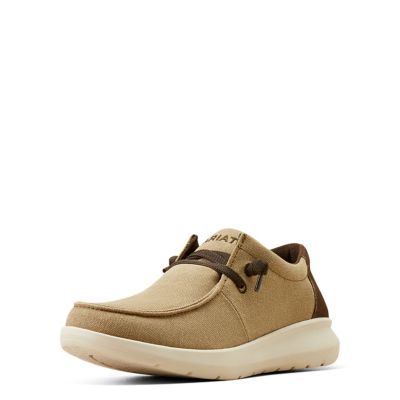
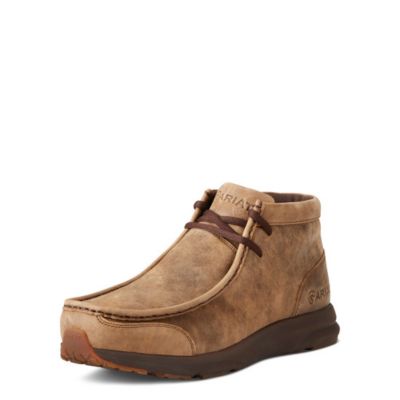
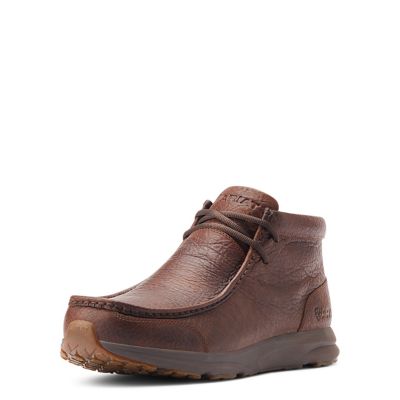
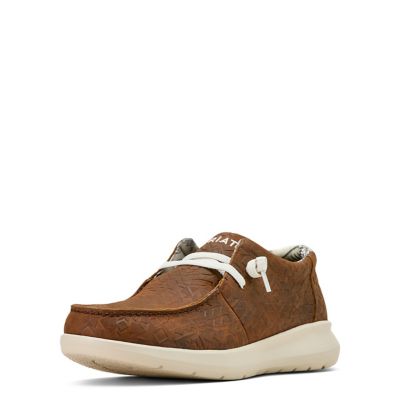
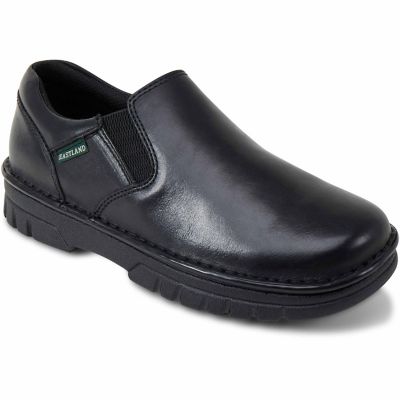
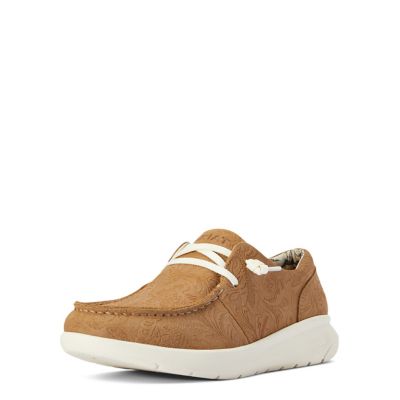
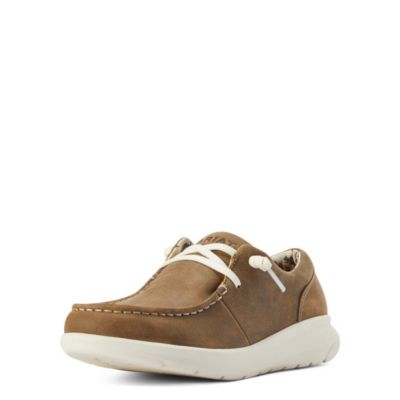
Comfortable leather slip-on shoes bring together the easy feel of everyday footwear and a tidy look that works well beyond the front porch. They fit into days that include a drive into town, time behind a service counter, lunch with family, or a few hours handling paperwork at the farm office. Without laces to tie, slip-ons keep getting out the door simple, while the leather upper gives them enough structure to pair with jeans, chinos, or work pants. The details make a real difference in how they feel. A supple upper can bend with the foot, a smooth lining can limit rubbing, and a cushioned footbed can soften the feel of hard floors underfoot. Full-grain leather retains the hide’s natural surface and can develop a deeper, more varied appearance with wear. Nubuck has a lightly buffed surface, while suede has a more noticeable nap; each has a different feel and care routine from smooth leather. Tumbled leather often has a pebbled texture and a softer hand, though softness alone does not tell the whole story about support or fit. Leather can gradually conform to the foot, but a comfortable pair should not depend on a painful break-in period. Construction matters just as much as the upper material: seams near the toes, the shape of the heel collar, and the flexibility across the ball of the foot all affect everyday comfort. Loafer shapes offer a neat, low-profile appearance, while slip-on walking styles tend to put more emphasis on cushioning and movement. Moc-toe stitching adds a familiar, easygoing look that sits naturally beneath a pair of straight-leg jeans. For folks who split their day between sitting, standing, and walking, the most useful combination is a secure fit, enough room through the forefoot, and a sole suited to the ground they cover. Leather slip-ons can fill that everyday role without looking like gym shoes or feeling as substantial as a pair of work boots.
Comfort in leather slip-on shoes comes from several parts working together, not simply from the softest insole. Memory foam can provide a cushioned first step, while a contoured footbed adds shape beneath the heel and arch. A lightweight EVA midsole can help keep a shoe from feeling heavy during errands or travel, and rubber outsole sections can provide grip and resist wear at contact points. Those features vary by construction, so the intended use matters more than any single material name. Someone standing at a counter for hours may prefer a stable base and cushioning that does not feel overly squishy. Someone walking between appointments may care more about forefoot flexibility and a secure heel. Elastic side panels, sometimes called gores, let the opening expand as the foot slides in, then help the upper sit close across the instep. A pull tab can make entry easier, but a slip-on shape does not automatically mean the shoe is built for hands-free entry. The heel should settle into place without needing to crush the back of the shoe. Since there are no laces to adjust, width and instep volume deserve close attention. A foot can have plenty of toe room and still feel squeezed across the top, or fit comfortably in front while lifting too much at the heel. Wide-width sizing can add needed room, but going up in length just to gain width may leave the foot sliding forward. A good fit leaves space for the toes to move without letting the shoe flop during an ordinary stride. Trying shoes with the socks intended for everyday wear gives a better sense of that fit. For anyone who wears an orthotic, a removable footbed and sufficient interior depth can be important. Leather may give a little with wear, but it will not fix a shoe that is too short. Outsole claims also deserve attention: a tread pattern alone does not establish slip resistance, and everyday leather slip-ons should not take the place of task-appropriate protective footwear around heavy equipment or other workplace hazards.
Long-term wear depends on the way comfortable leather slip-on shoes are built, how often they are worn, and the attention they get between outings. Strong seams, a firmly attached sole, and reinforcement around the heel can help shoes hold their shape through repeated steps. The outsole should flex where the foot naturally bends while providing enough structure for the intended activity. On smooth leather, removing grit with a soft brush or cloth helps keep dirt from grinding into the surface and stitching. A leather conditioner suited to the finish can help maintain suppleness, while too much product may darken the leather or leave residue. Suede and nubuck call for care products made for their textured surfaces rather than ordinary leather polish. Following the footwear maker’s care directions and checking a treatment on a small, less visible area helps protect the original finish. Letting shoes air out between wears, keeping them away from direct heat, and supporting their shape during storage can also help extend their service life. A shoehorn is handy for protecting the heel counter instead of folding it under each time the shoe goes on. As cushioning compresses or tread wears smooth, shoes may stop feeling as comfortable or steady even when the leather still looks good. For everyday outfits, brown leather pairs easily with denim and earth-toned pants, while black leather offers a straightforward option for darker trousers and a neater appearance. Shoppers drawn to that balance of comfort and a pulled-together look can also explore
Stylish Slip On Shoes. Leather slip-ons can make a thoughtful gift for a parent, partner, or anyone who appreciates easy-on footwear, especially when their usual size, width, and preferred shape are known. Whether heading to a community supper or spending the day on the move, a well-fitting pair offers everyday ease without giving up a finished look.