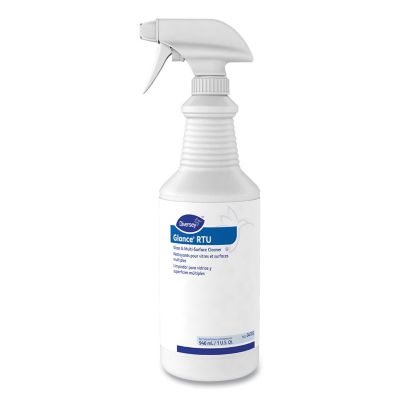
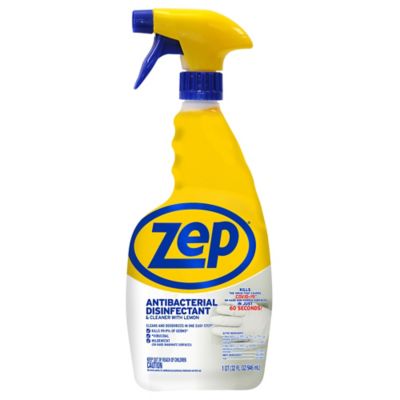
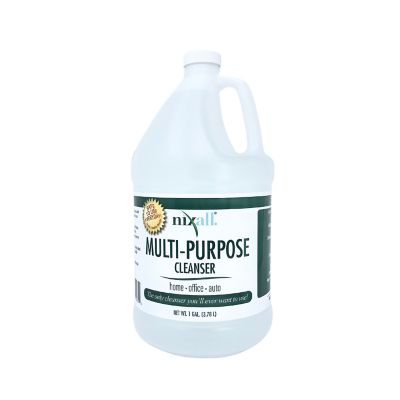
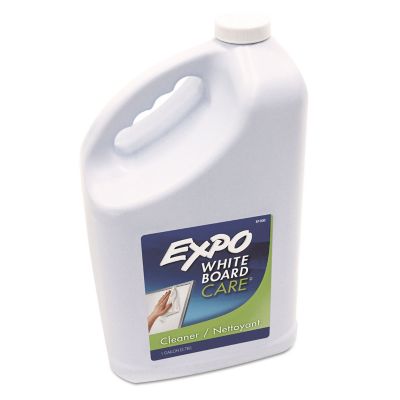
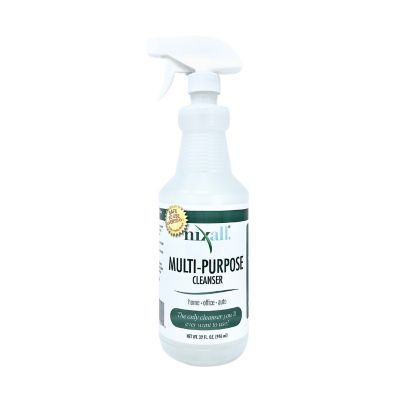
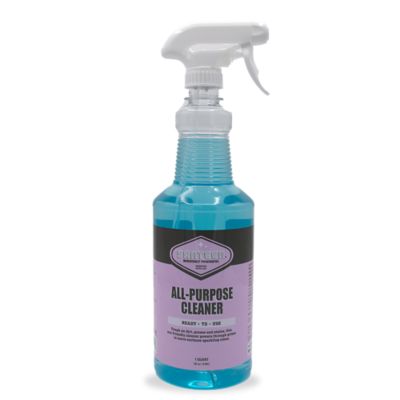
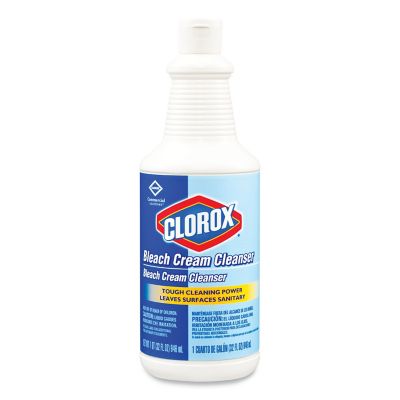
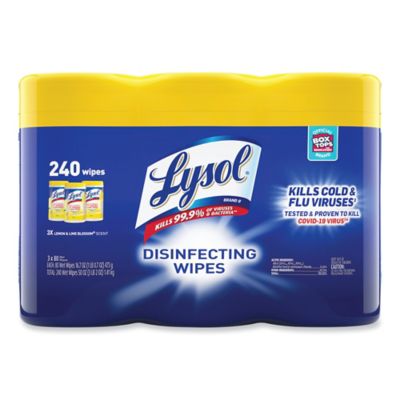
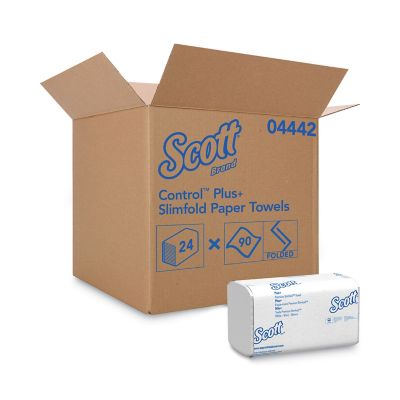
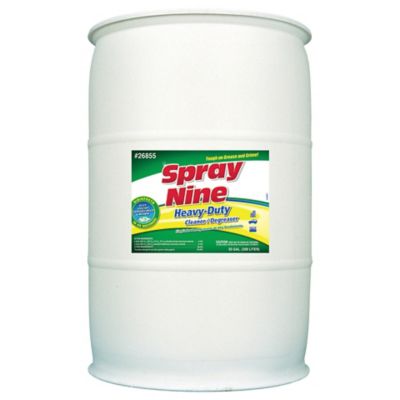
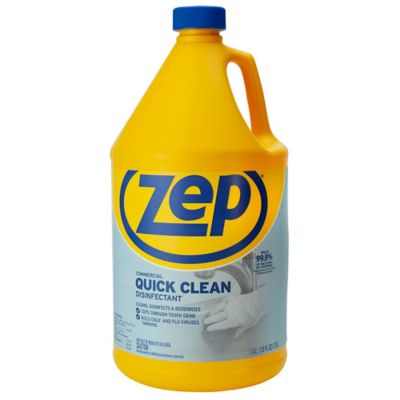
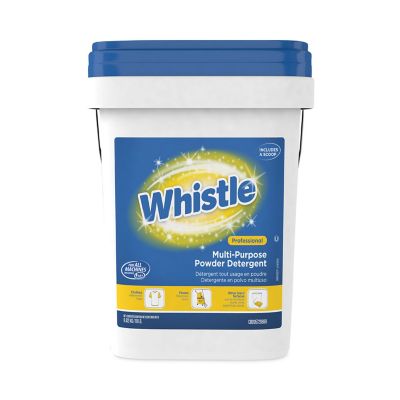
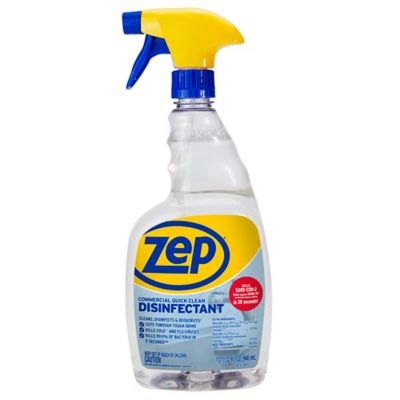
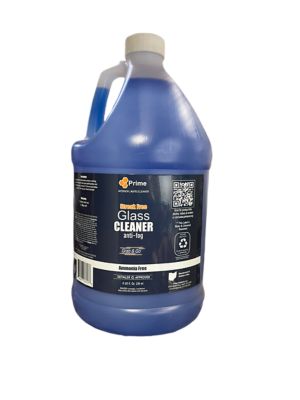
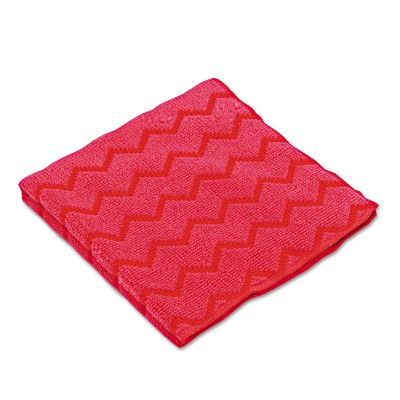
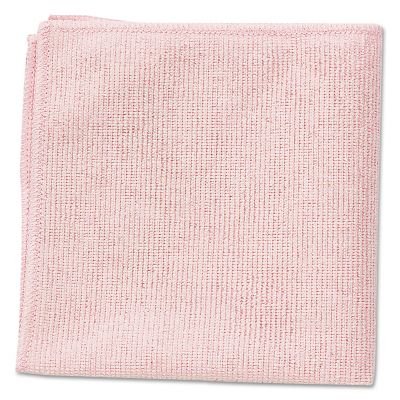
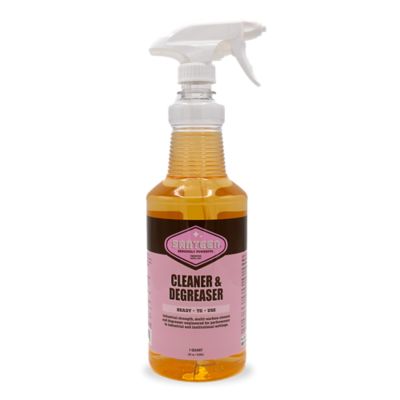
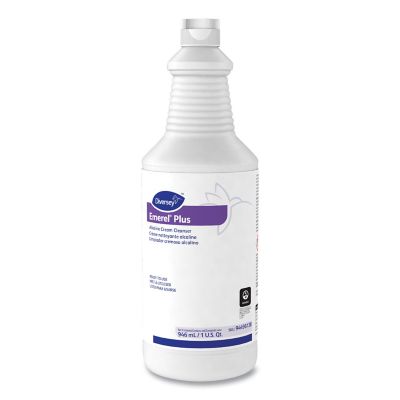
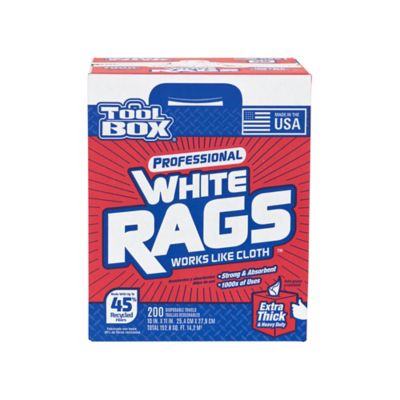
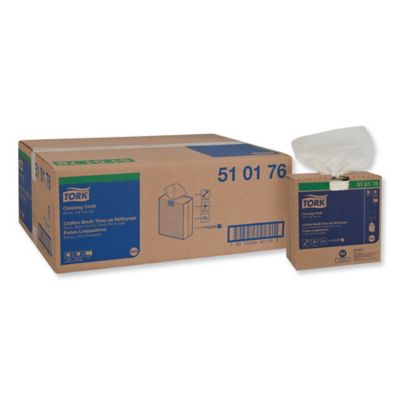
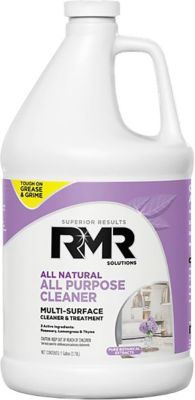
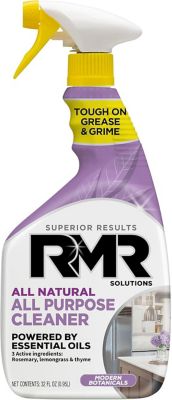
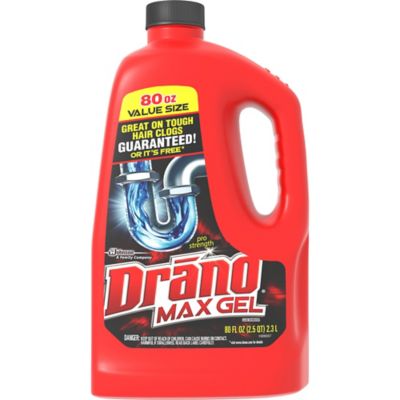
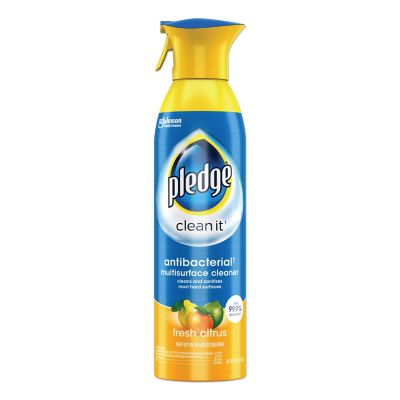
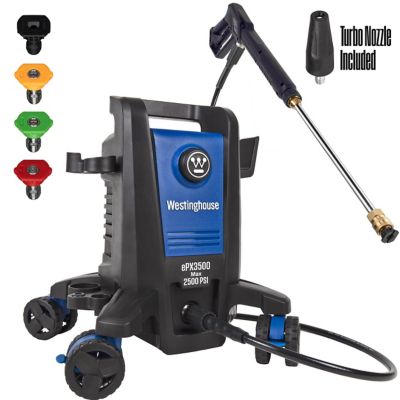
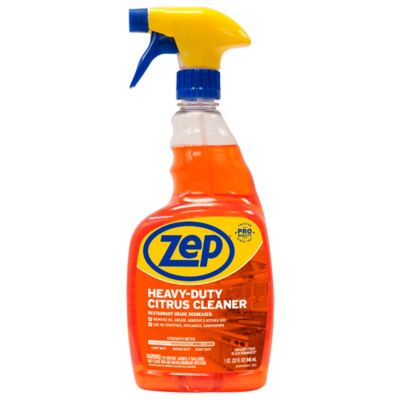
Keeping an office clean takes more than a quick pass with a dustpan at the end of the day. A well-stocked supply area makes it easier for employees, cleaning crews, and facility managers to handle everyday dirt, dust, spills, and high-touch surfaces before small messes turn into bigger chores. Start with versatile cleaners made for the surfaces in your workplace, including desks, breakroom counters, tables, doors, and other non-porous areas. Disinfecting cleaners and pre-moistened wipes can be handy around shared desks, door handles, light switches, phones, keyboards, and other spots that see plenty of use, while an all-purpose cleaner helps tackle coffee rings, tracked-in mud, food splatters, and general grime. Always check the label to make sure a cleaner is suitable for the surface, and follow the stated contact time when disinfecting. Glass cleaner helps keep entry doors, mirrors, windows, and conference room panels clear without leaving distracting streaks. Microfiber cloths are a practical choice for dusting because they pick up fine particles and can be used on many surfaces with less lint than ordinary rags. Keep separate cloths for restrooms, breakrooms, electronics, and general office areas to help prevent spreading dirt from one part of the building to another. For computer equipment and other sensitive electronics, use cleaning methods recommended by the manufacturer and avoid applying liquid directly to the device. A small supply of paper towels or absorbent cleanup materials is also worth keeping close by for tipped drinks, muddy footprints, and those surprise messes that always seem to show up just before an important meeting.
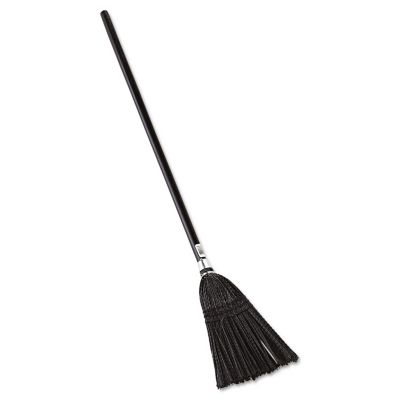
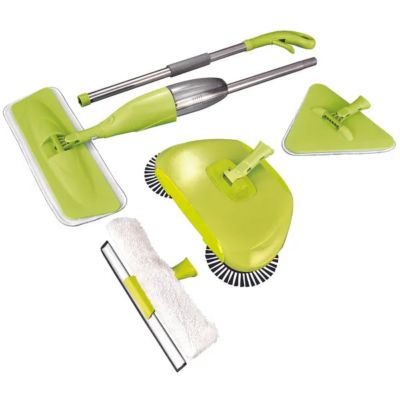
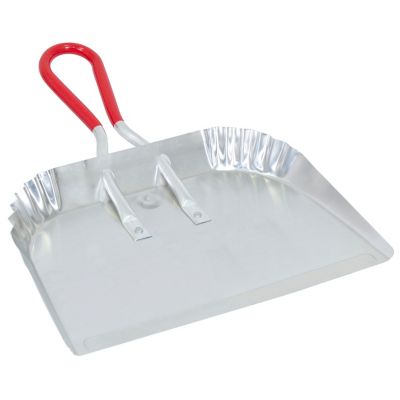
Floor care is another big part of maintaining a clean, comfortable office, especially when cooler weather brings wet boots, fallen leaves, and road salt through the doorway. A dependable vacuum can lift dust, crumbs, hair, and fine debris from carpet and rugs, while a model with HEPA filtration may help capture smaller airborne particles and allergens. Choose equipment that matches the size and layout of the space. A compact vacuum may be convenient for offices with tight corners and a few rooms, while larger facilities may benefit from higher-capacity equipment built for longer cleaning sessions. Brooms and dustpans are useful for quick sweep-ups in entryways, stockrooms, kitchens, and workshops, and a mop or floor-cleaning system can help keep hard flooring looking cared for after rainy or snowy days. Place entry mats where people come inside and clean them regularly so they can keep doing their job instead of becoming a holding place for mud. Trash can liners should fit the wastebaskets and recycling containers used throughout the office, with heavier-duty bags reserved for breakrooms, shipping areas, maintenance rooms, and other places where sharp or wet waste may be collected. It pays to measure each container before ordering, since a liner that is too small can pull loose from the rim and one that is too large may bunch up on the floor. Restrooms and shared areas also need a steady supply of hand soap, hand sanitizer, tissues, and paper towels. Keeping these items in clearly marked storage makes restocking quicker and helps prevent the last roll or nearly empty dispenser from becoming someone’s morning headache. For larger offices, schools, barnside businesses, clinics, warehouses, and community buildings, buying common-use supplies in larger quantities can make sense, as long as there is a dry, secure place to store them.
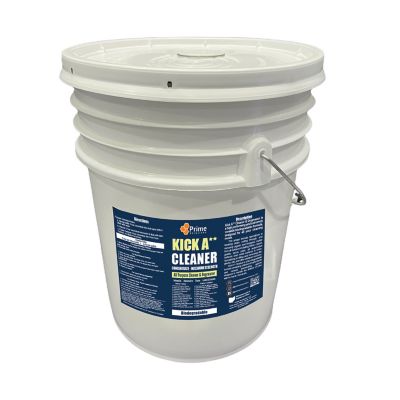
The right cleaning supply setup depends on who uses the space, how many people pass through it, and what kind of work happens there. A quiet office with carpeted workstations may need a different routine than a busy counter area, equipment room, farm office, or customer-facing shop where dirt and dust come in from outdoors all day. Think through the most common messes, then keep the appropriate supplies close to where they are needed. A small caddy or labeled tote can gather cloths, gloves, surface cleaner, wipes, and other daily-use items for an easier round of cleaning, while a locked cabinet may be appropriate for concentrated cleaners or products that should stay away from children, pets, and untrained users. Follow label directions, do not mix cleaning chemicals, and provide ventilation when recommended. Disposable gloves can help protect hands during restroom cleaning or messy spill cleanup, and washable tools should be rinsed, dried, and replaced when they become worn or hold onto odors. A simple restocking list can cover high-use items such as liners, soap, sanitizer, towels, and wipes, with a separate schedule for vacuuming, dusting, glass cleaning, and deep floor care. During the cooler months, it is especially helpful to watch entryways and shared kitchens, where moisture, grit, and food debris can collect faster. As the weather warms and longer days make it easier to tackle neglected corners, storage rooms, windows, and high shelves, the same dependable basics can support a more thorough reset. For offices planning ahead for seasonal cleanups, explore
Spring Cleaning Products while building a supply area that stays useful throughout the year. With the right mix of everyday cleaners, dusting tools, waste supplies, floor-care equipment, and hand-hygiene essentials, employees can spend less time hunting for what they need and more time keeping the workplace comfortable, presentable, and ready for the day.