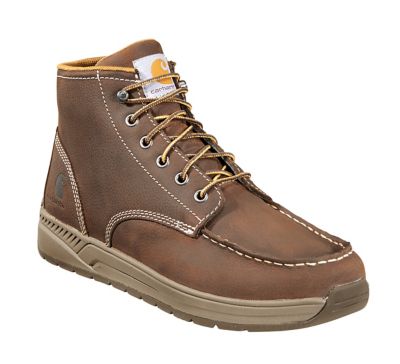
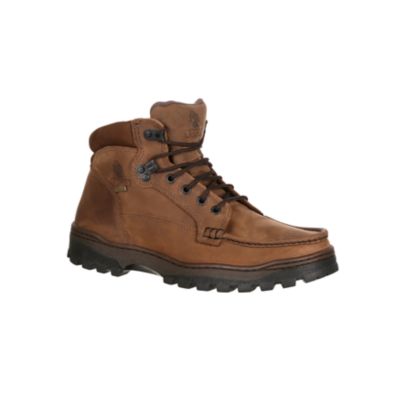
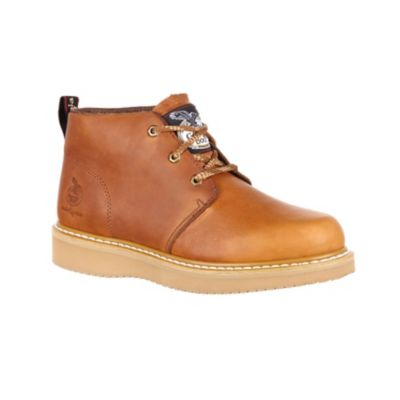
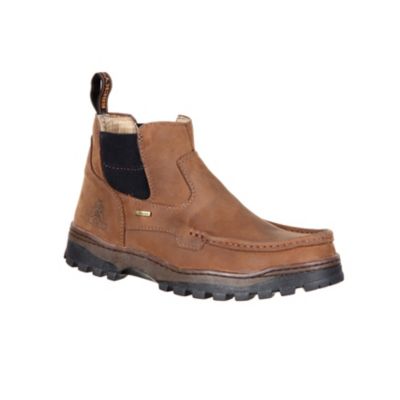
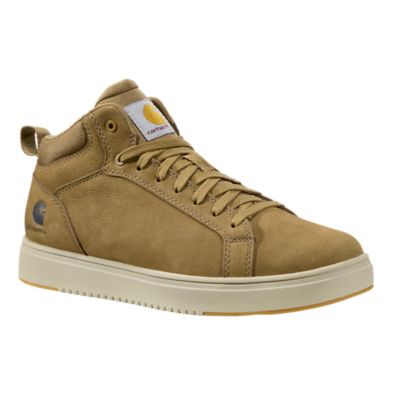
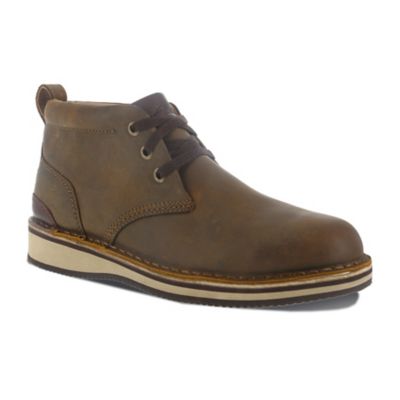
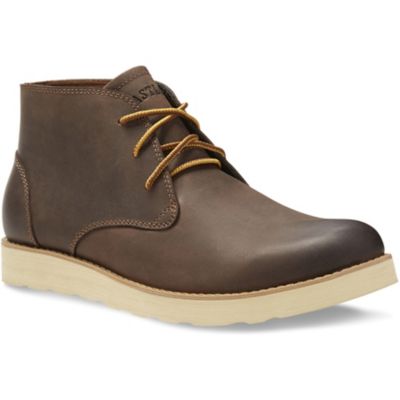
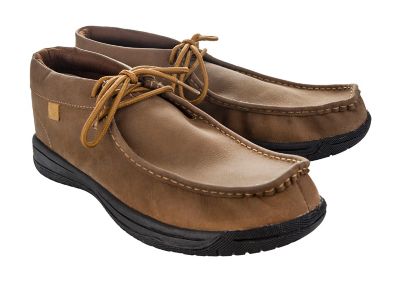
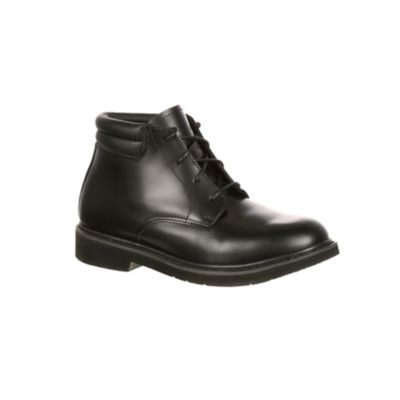
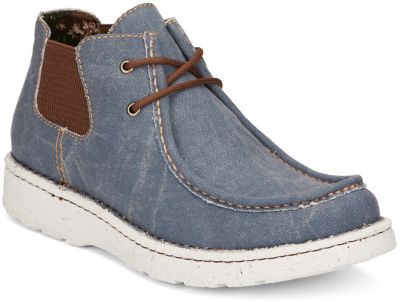
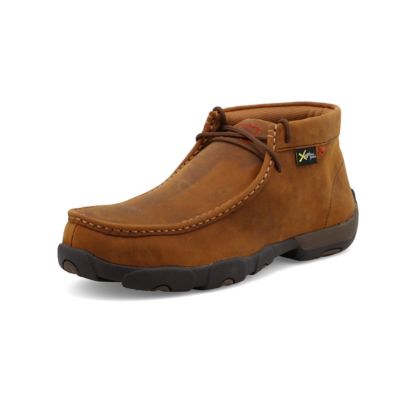
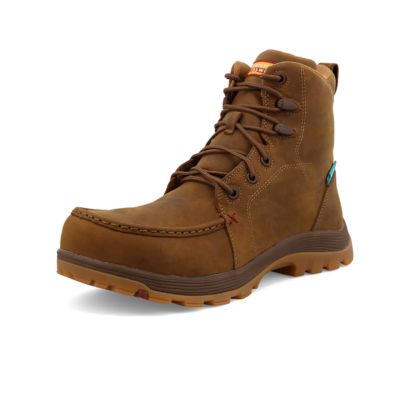
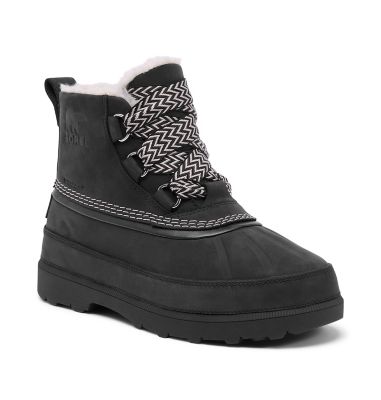
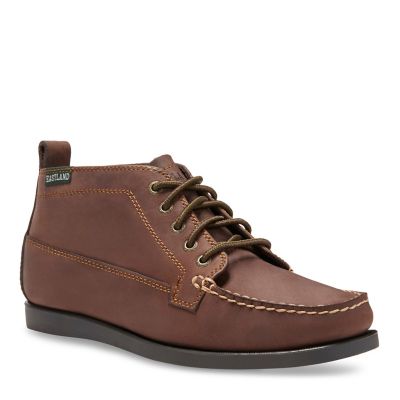
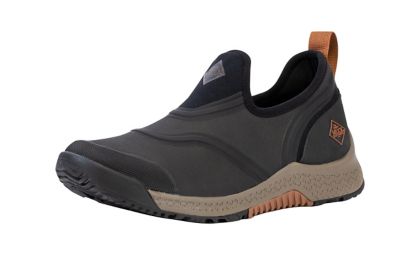
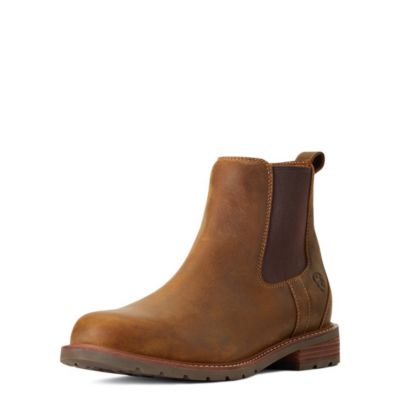
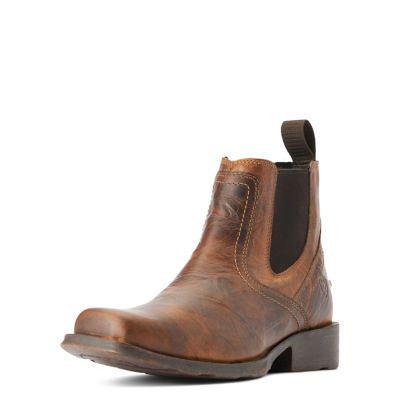
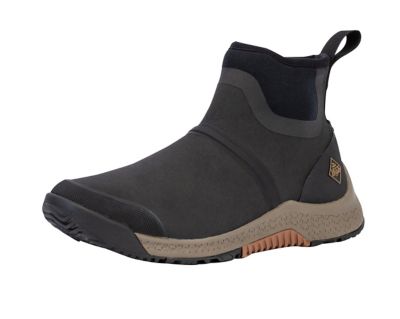
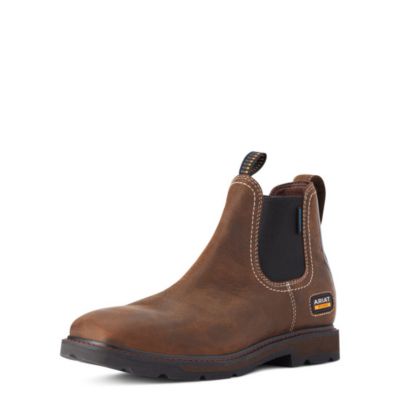
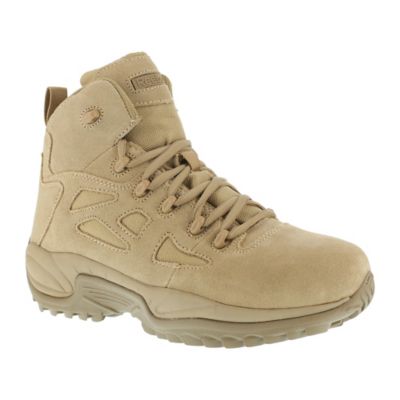
Chukka boots are ankle-high lace-up boots, usually made from leather or suede, with open lacing and two or three pairs of eyelets. Their simple shape, modest height, and uncluttered stitching give them a look that falls between a casual shoe and a taller boot. Open lacing means the sections holding the eyelets sit on top of the front of the boot, allowing the opening to spread as the laces loosen. The name comes from a period of play in polo, though modern chukkas are everyday footwear rather than riding boots. Desert boots are a type of chukka, traditionally associated with suede uppers, little or no lining, and crepe rubber soles. Other chukkas may have smooth leather uppers, more structured linings, and different rubber or leather outsoles, so the two names do not describe exactly the same construction. That range makes chukka boots a practical choice for folks who want one style that looks at home with jeans, canvas pants, or chinos. A suede pair has an easygoing feel for a trip into town, while smooth leather can look a little more dressed up at a farm office, church gathering, or family dinner. Shoppers comparing earthy shades can also explore
Tan Boots, which pair naturally with blue denim, olive pants, and a plain leather belt. Pants with a straight or gently tapered leg generally fall neatly around the short boot shaft without bunching. Chukkas also suit people who prefer the feel of a lace-up shoe but like a bit more coverage around the ankle. That coverage does not automatically mean added ankle support or protection, however. A casual chukka belongs on everyday errands and lighter activities; jobs involving machinery, livestock, heavy materials, or other hazards call for footwear with the safety features the task requires. The shape alone cannot tell you whether a boot is suitable for a job site.
Materials and construction make a noticeable difference in how chukka boots feel, wear, and fit into a routine. Smooth leather has a firm surface that can be wiped clean and conditioned, while suede has a soft, raised nap that calls for brushing rather than ordinary leather polish. Full-grain leather retains the hide’s natural grain and can develop creases and changes in tone with regular wear. Other leather finishes offer different surface textures and care needs, so the material description matters more than appearance alone. Suede may feel softer at the start, but its texture can hold dust from gravel paths or a shop floor. An unlined upper generally feels less structured, while a lined boot can provide a smoother interior and a more substantial feel around the foot. Neither construction guarantees comfort; seams, heel shape, cushioning, and the room inside the boot all play a part. Underfoot, rubber outsoles vary from low-profile designs to deeper tread patterns. Crepe rubber, often associated with desert boots, has a yielding feel and a distinctive textured surface, though it can pick up dirt and show wear. Leather soles create a slimmer profile and a firmer feel, with traction that differs from many rubber designs. The tread pattern and any stated slip-resistance features deserve attention when the day includes smooth floors or long stretches of walking. A defined heel, wider base, or flexible forefoot can also change the feel of each step. Welted construction may allow a worn outsole to be replaced when the boot’s design and condition permit, while cemented construction bonds the sole to the upper and often keeps the build lighter. Stitching, sole attachment, and reinforcement at the heel influence how well a boot holds together over time. For someone moving between a desk, a pickup cab, and errands around town, a balanced combination of flexibility, cushioning, and secure footing usually matters more than a heavy-looking sole.
Fit is especially important with chukka boots because their shorter lacing area leaves fewer places to adjust tension than a tall lace-up boot. A comfortable fit holds the heel without pinching, leaves room for the toes to spread, and keeps the ball of the foot near the boot’s natural bending point. The toes should not press into the front when walking, and the top of the foot should not feel squeezed beneath the laces. Slight movement can occur as a leather sole flexes, but repeated heel lifting or rubbing can point to a mismatch in size or shape. Trying boots with the socks intended for everyday wear gives a better sense of the space inside. Anyone wearing an orthotic or footbed also needs enough depth to accommodate it without crowding the toes or pushing the heel too high. Leather can soften and ease across the width with wear, but a boot that is too short will not become longer through break-in. Comfortable chukkas should feel secure from the beginning rather than require sore feet to make them work. Care helps preserve that fit and keeps the materials looking tidy. Loose dirt can be removed from smooth leather with a soft brush or cloth before applying a cleaner and conditioner suited to its finish. Suede benefits from a suede brush and appropriate spot-cleaning products that lift dirt without flattening the nap. Any treatment is worth testing in an inconspicuous area because it may change the color or texture. Letting boots air out between wears, keeping them away from direct heat, and supporting their shape with properly sized shoe trees can help limit odor, deep creasing, and distortion. Worn laces, lifting sole edges, and uneven heel wear are signs that a little attention is due. Chukka boots can also make a thoughtful gift for someone who favors simple footwear for everyday outings. Knowing the person’s usual size, preferred width, and preference for leather or suede makes the choice more personal, especially when the boots need to work with clothing already in the closet.