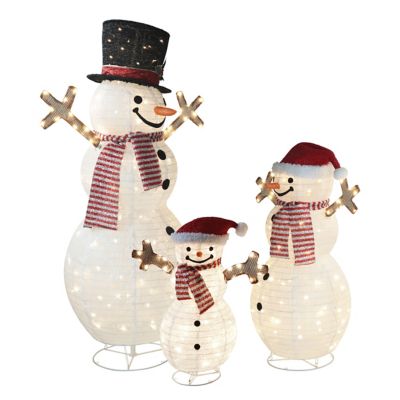
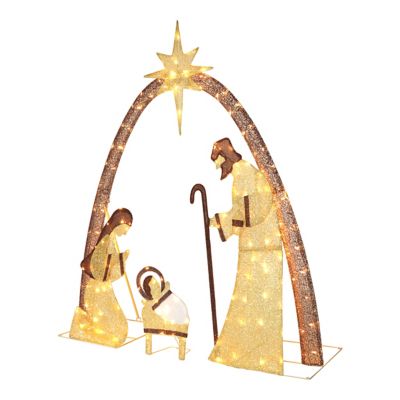
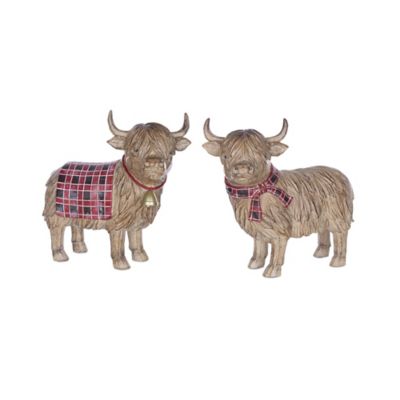
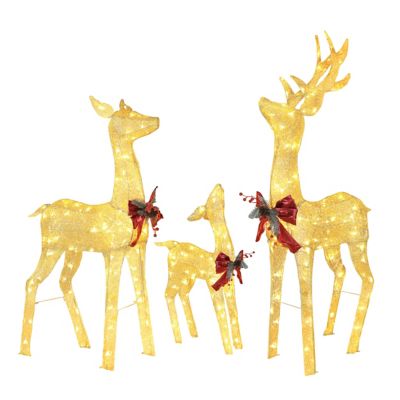
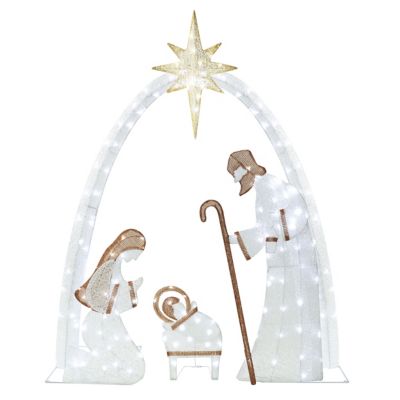
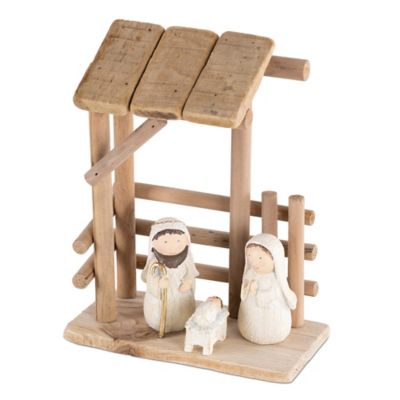
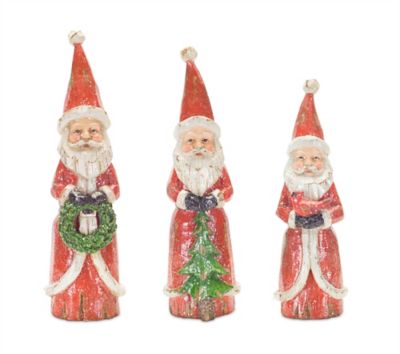
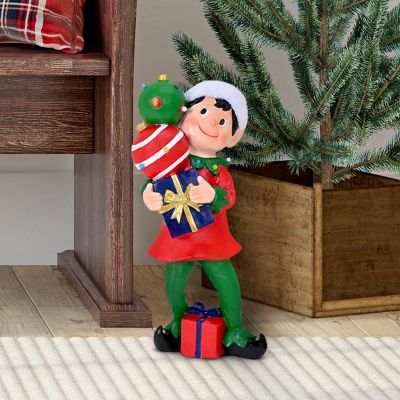
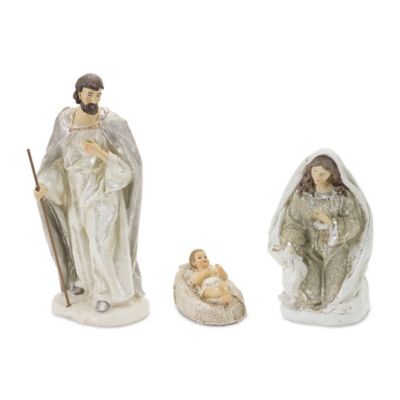
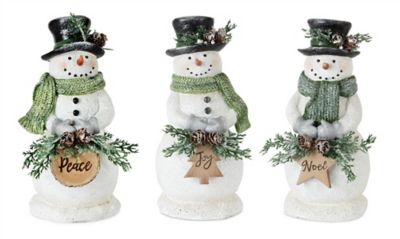
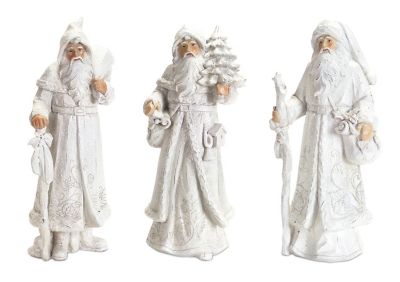
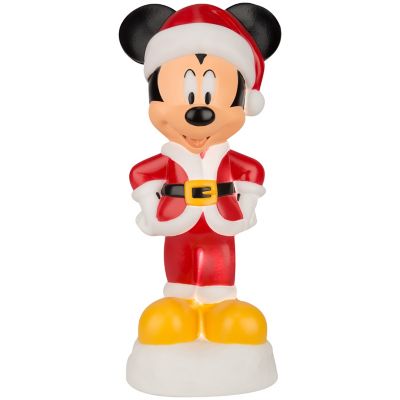
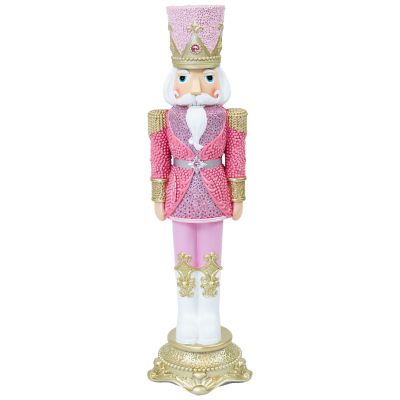
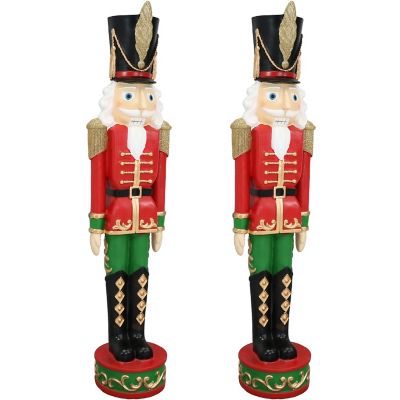
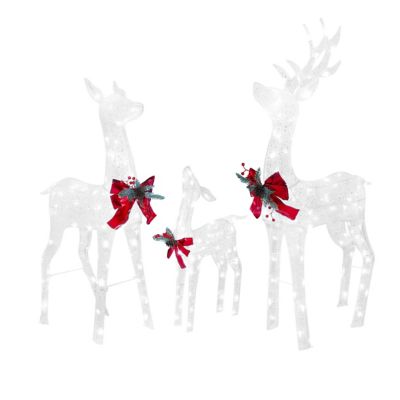
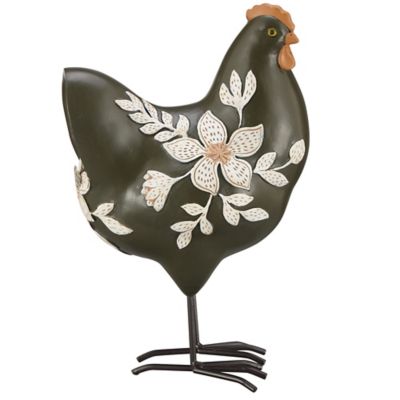
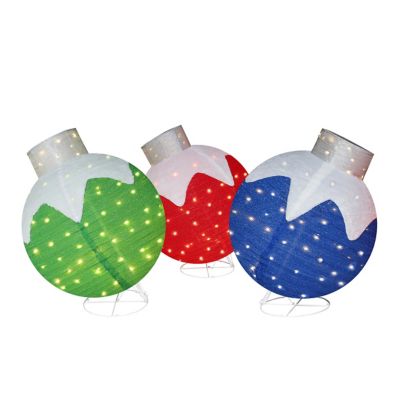
Christmas figures are freestanding holiday accents that bring familiar characters and Christmas scenes to shelves, mantels, entry tables, porches, and yards. Common styles include Santa figures, snowmen, reindeer, nutcrackers, Nativity figures, and the small people and animals that fill a Christmas village. Their appeal comes from the details: a bright red coat, a carved-looking beard, a woolly sheep, or a lantern held at the edge of a snowy scene. Traditional Christmas figurines often feature red, green, gold, and white, while rustic styles lean into wood tones, muted colors, plaid fabrics, and country-inspired clothing. A cheerful Santa can feel right at home near a pair of work boots by the door, while a few woodland animals bring a quieter touch to a farmhouse mantel. Religious figures put the Christmas story at the center of a display. Nativity scenes typically feature Mary, Joseph, and the baby Jesus, with some arrangements also including shepherds, wise men, angels, and stable animals. Whether a display is simple or more complete, figures with similar proportions help the scene read as a whole. Nutcracker figures bring a more upright, structured shape, while seated characters and shelf sitters have a relaxed look along a ledge. Small village figures add a sense of everyday life around miniature homes and shops, from a family walking together to someone tending animals. These different styles can stand alone or share a setting when their colors, proportions, and finishes work together. A small grouping often has more presence than several unrelated pieces spread across a room. For a home with knotty wood walls, an old sideboard, or a stone fireplace, softer finishes and simple shapes can blend in without competing with the room itself.
Materials affect a Christmas figure’s appearance, weight, care needs, and suitability for different spaces. Ceramic and porcelain allow for crisp painted details and smooth finishes, making them familiar choices for tabletop characters and Nativity scenes. They can chip or break if knocked from a shelf, so a level surface away from busy elbows matters, especially in a house full of visiting family. Resin can capture textured coats, fur, facial features, and other small details, though thin antlers, fingers, and accessories still need gentle handling. Wood brings visible grain and a warm, natural look; its finish and construction determine how well it handles moisture and changes in temperature. Metal figures may have a painted, polished, or weathered-looking surface, with care requirements that depend on the metal and coating. Fabric characters offer a softer appearance, often with felt hats, knitted scarves, or plush bodies, but their care labels may call for spot cleaning rather than washing. Material alone does not establish whether a figure belongs outside. Outdoor Christmas figures need an explicit outdoor-use designation, and a covered porch does not make an indoor-only piece suitable for damp air, blowing rain, or freezing conditions. Broad bases and appropriate anchoring provisions are worth considering for exposed locations, following the maker’s directions rather than adding weight to fragile parts. Lighted Christmas figures bring another consideration: the power source and placement need to work together. Battery compartments should remain accessible, cords should stay clear of walkways, and electrical components need the proper indoor or outdoor rating for their location. Around a working fireplace or woodstove, every figure needs enough clearance from heat, sparks, and open flames. For everyday care, a soft brush can lift dust from textured surfaces, while any wiping, cleaning solution, or moisture should follow the care directions. Painted faces, flocking, fabric trim, and attached accessories may need different treatment even on the same figure.
Size and placement make just as much difference as character and color. A tall Christmas figure can give an entryway a welcoming focal point, but its base still needs to leave room for boots, bags, and the door to swing freely. On a mantel, the shelf depth matters as much as the figure’s height; the entire base should rest securely on the surface without extending over the edge. Shelf sitters need particular attention to balance, especially where children or pets might brush against dangling legs. For a dining table, smaller Christmas figurines can bring holiday cheer without blocking conversation or crowding serving dishes. A sideboard offers more room for a Nativity scene or a village grouping, with space between figures so their details remain easy to see. Repeating one or two colors can tie a display to nearby greenery, ribbons, or stockings without making every piece match. Households that also enjoy
Thanksgiving Figurines can carry that same country character from harvest gatherings into Christmas through familiar wood tones, animal themes, and simple tabletop arrangements. Christmas figures can also make thoughtful gifts for someone who collects Santas, keeps a family Nativity tradition, enjoys farm animals, or has a favorite spot for a holiday scene. Matching the recipient’s space matters: a small figure suits a windowsill or apartment shelf, while a larger piece needs a clear place to stand. For gifts that become part of an annual family tradition, manageable weight and straightforward care can matter more than elaborate detailing. After the celebrations, padded dividers help keep painted surfaces from rubbing together, and separate wrapping protects projecting parts such as antlers and staffs. Clean, dry figures store best according to their material and care instructions, with removable batteries taken out before a long rest. A clearly labeled container makes it easier to bring the same familiar faces back into the Christmas display year after year.