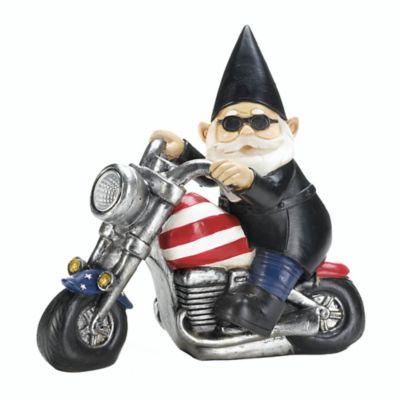
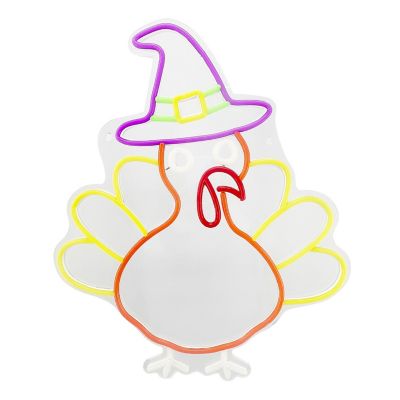
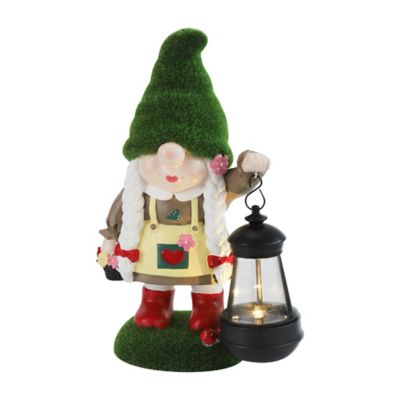
Thanksgiving figurines are freestanding holiday accents that celebrate the harvest, gratitude, and time spent around the table. Common themes include turkeys, pumpkins, harvest gnomes, woodland animals, and figures carrying baskets or gathered crops. From a small shelf sitter to a larger tabletop centerpiece, these pieces bring a little personality to a Thanksgiving gathering without taking over the room. A turkey with a full fan of feathers feels right at home beside a wooden serving board, while a pair of harvest characters can frame a family photo on the mantel. Styles range from playful faces and rounded shapes to lifelike feather patterns, carved-looking surfaces, and simple silhouettes. Earthy browns, pumpkin orange, golden yellow, and deep red echo familiar harvest colors, while cream and muted green offer a quieter look alongside everyday furnishings. Materials make a difference in both appearance and handling. Resin can capture fine details such as feather edges, woven baskets, and textured clothing, though a figure’s weight depends on its size and construction. Ceramic and porcelain bring a different feel, with finishes that may be glossy, matte, or softly glazed. Their hard surfaces can chip if knocked against a counter or another piece. Wooden figures may show visible grain, painted surfaces, or layered shapes that suit a farmhouse shelf or country kitchen. Mixed-material designs can add fabric hats, metal accents, raffia, or other small details, each with its own care needs. A smooth finish tends to be simpler to dust than deep grooves or soft trim, while projecting feathers and narrow stems call for gentler handling. The best fit comes down to the look of the room and how the figure will fit into the gathering: a conversation piece on the sideboard, a welcoming accent near the door, or a familiar favorite brought out for the family meal each year.
Size and placement matter just as much as the character itself, especially when Thanksgiving dinner brings extra chairs, serving bowls, and elbows to the table. A low figurine can anchor a centerpiece without blocking the view across the table, while a taller piece often has more breathing room on a buffet, mantel, or entryway console. The full footprint matters, not just the height; a turkey’s spread tail or a character’s outstretched arms may reach beyond its base. On a narrow shelf, that extra width can make the difference between a comfortable fit and an awkward overhang. For a dining table, leaving space around platters, gravy boats, and place settings keeps the display from crowding the meal. A few figures grouped on a tray can create a contained arrangement that is easier to move when another casserole arrives. Matching sets offer a coordinated look, while separate figures with similar colors can feel collected over time. One larger piece often works well on its own, particularly against a plain wall or beside a lamp. Smaller figures can fill a shallow shelf or sit near framed family pictures without hiding them. A broad, level base is worth considering in a busy household, although any breakable accent belongs away from table edges, wagging tails, and little hands. Thanksgiving figurines are generally display pieces rather than toys or food-serving pieces, unless their labeling says otherwise. Keeping them separate from uncovered food, open flames, and hot cookware helps protect both the finish and the gathering space. Indoor and outdoor suitability also depends on the individual piece; a covered porch still exposes an accent to moisture, sunlight, and wind. For a holiday welcome that extends beyond the front door,
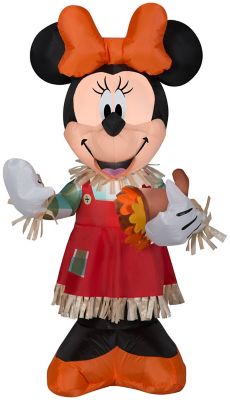
Thanksgiving Inflatables can carry the theme into the yard, while figurines bring smaller-scale character to the spaces where folks gather inside.
Thanksgiving figurines also make thoughtful host gifts and keepsakes for people who enjoy setting out a few familiar pieces each year. A turkey figure can suit the family member who always hosts the meal, while a harvest animal or pumpkin-themed character may appeal to someone who prefers a country look throughout the fall. For a gift, the recipient’s space matters more than an oversized statement: a compact figure can fit an apartment shelf, a kitchen windowsill with enough depth, or a small entry table. A larger centerpiece makes more sense for someone with a roomy sideboard or a dedicated holiday display. Pieces without prominent lettering can blend easily with different table linens and serving dishes, while a gratitude message can give the display a clear Thanksgiving focus. Simple shapes and coordinated colors also make it easier to add a new figure to an existing collection without starting over. Care requirements are another useful consideration, particularly for a gift that will come out year after year. A soft, dry cloth is often suitable for routine dusting, but the maker’s directions should determine whether a surface can handle a damp cloth, cleaning solution, or washing. Painted faces, applied glitter, fabric trim, and glued-on details may need extra care, and soaking can damage some finishes or attachments. Packing each figure separately helps keep painted surfaces from rubbing together during storage. Cushioning around narrow legs, tails, hats, and other projecting parts can reduce the chance of breakage, while a divided box keeps smaller pieces from knocking into one another. A dry storage spot away from heavy stacked bins helps protect the collection between gatherings. With the right scale, material, and care needs for the household, Thanksgiving figurines can become part of the familiar scene: the turkey on the mantel, the little harvest figure beside the recipe box, and the centerpiece that comes out whenever the family pulls up a chair.