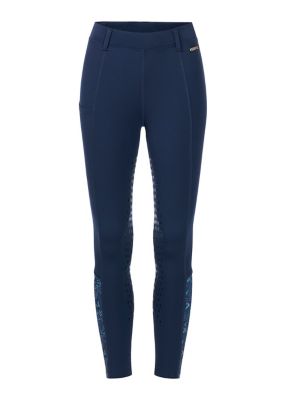
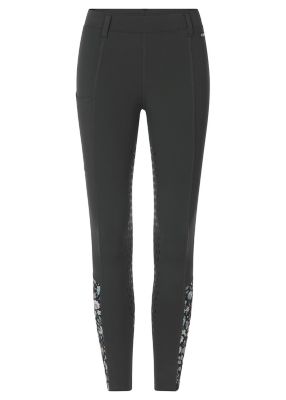
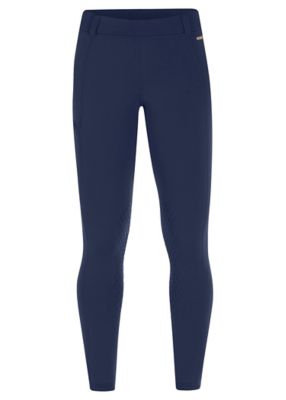
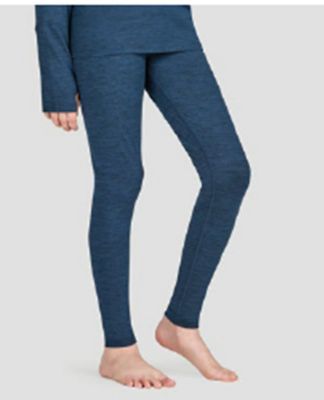
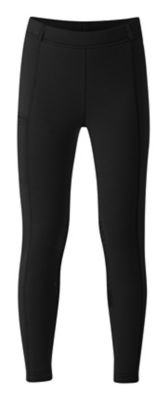
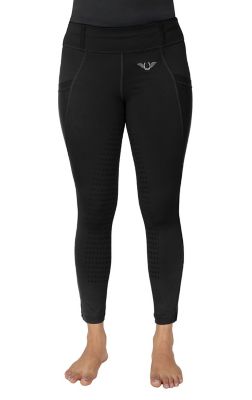
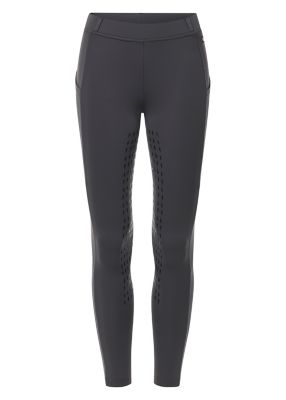
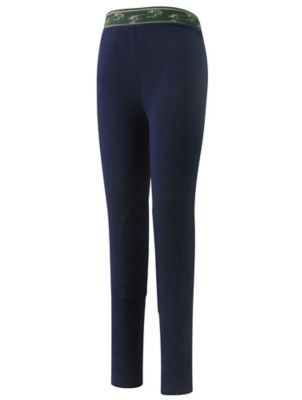
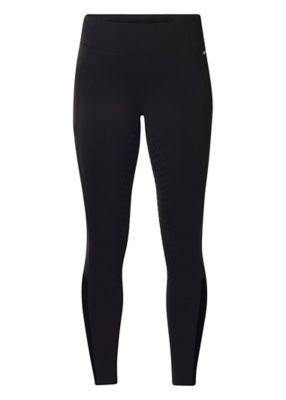
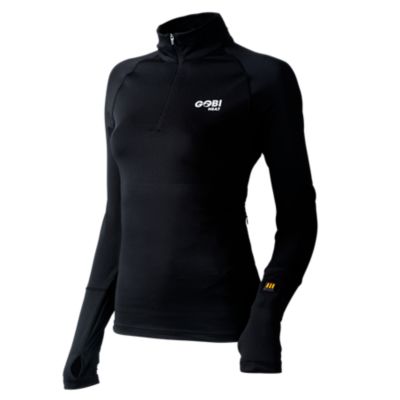
Children's thermal leggings are close-fitting base-layer bottoms that help hold warmth near the skin beneath everyday pants, insulated bibs or snow pants. They add a layer for chilly school mornings, trips to the barn and afternoons spent sledding without making every outfit feel heavy. The best match depends on the fabric, the child's activity level and the clothing worn over it. Cotton-rich thermals often have a soft, familiar feel that suits relaxed days and lighter activity, though cotton holds moisture and takes longer to dry after a child works up a sweat. Polyester and other synthetic blends can help move moisture away from the skin and dry more quickly, making them worth considering for active outdoor play. Merino wool can provide warmth while managing moisture and resisting odors, although the feel against the skin matters for children who are sensitive to wool. Fleece-lined leggings have a brushed interior that adds warmth and a soft touch, while lightweight thermal knits fit more easily beneath closely fitted pants. Fabric weight matters just as much as the fiber name: a thin wool blend and a thick fleece knit will not feel the same under a pair of jeans. A little stretch helps knees bend comfortably when a child crouches to collect eggs, climbs onto a sled or sits cross-legged on the classroom rug. Thermal leggings are not automatically waterproof, and a heavier fabric is not always the better choice. A child running across the yard may need less insulation than one sitting on cold bleachers. For active days, the aim is enough warmth without trapping excess heat and sweat. For slower outings, a warmer layer may feel more comfortable. That balance makes children's thermal leggings a practical part of a cold-weather outfit rather than a replacement for protective outerwear.
Fit makes a big difference in how thermal leggings feel throughout the day. A base layer should sit close enough to stay beneath pants without twisting or bunching, but it should not squeeze the waist, pull across the knees or restrict a full stride. Children need room to squat, climb steps and bend over to pull on boots. A broad, soft waistband can spread pressure more evenly than a narrow band, while smooth seams and a tag-free interior may help children who notice every scratchy edge. Flat seams can also reduce rubbing under snow pants during a long afternoon outside. The rise should provide coverage when a child bends, and the legs should reach the ankles without leaving folds of fabric inside boots. Size charts based on height, waist and inseam measurements are more useful than age labels alone, especially for children between sizes. Buying far too large for growing room can leave loose fabric gathered behind the knees or around the ankles. Stretch recovery matters, too; leggings that return to shape after movement are less likely to sag through the day. For children who spend plenty of time kneeling and scooting, reinforced knees, even stitching and well-finished seams are construction details worth a look. Care requirements also belong in the decision, particularly when thermals become part of the school-day laundry routine. Some fabrics allow machine washing and low-heat drying, while wool blends and certain stretch fabrics may call for gentler washing or air drying. The care label gives the right direction for each garment. High dryer heat can shrink some fibers or weaken stretch over time, and fabric softener may interfere with moisture management in certain performance fabrics. Keeping hook-and-loop closures fastened on other laundry can help prevent snags. Letting leggings dry fully before putting them away helps keep the next wearing comfortable, whether they are headed into a dresser drawer or a bag for an overnight visit.
Everyday use often comes down to how easily thermal leggings work with the rest of a child's clothes. A smooth, lightweight pair can slip beneath school pants without changing how the waistband fits, while a warmer knit may suit roomy chore pants or insulated overalls. The outer layer still needs enough space for comfortable movement; squeezing several layers into tight pants can make bending awkward and leave a child feeling bundled up rather than ready to play. Around boots, a smooth overlap between leggings and socks helps limit exposed skin without creating a thick ridge at the ankle. Snow pants provide the barrier for sitting in snow or sliding down a hill, while the thermal layer helps manage warmth underneath. For outings involving snowballs, sled ropes and cold metal gates,
children's waterproof winter gloves complement leg layers by helping protect hands from wet snow. A hat, suitable coat and well-fitting boots round out the outfit according to the conditions. Children who move between a warm classroom and a cold playground may be more comfortable in lighter thermals than in heavily insulated leggings that cannot easily come off during the day. On longer outings, a dry change of base layers is useful if clothing becomes damp from sweat or snow finding its way inside outerwear. Thermal leggings can also make a practical gift for a child who enjoys camping trips, winter trail walks or helping with simple chores around the place. Knowing the child's measurements, preferred fabric feel and usual activities makes that gift more useful than choosing by age alone. For families juggling school, chores and time outdoors, easy care and a comfortable fit often matter as much as extra warmth. The right thermal leggings should let children get on with their day, whether that means checking the nest boxes before breakfast, heading to the bus stop or taking one more turn down the sledding hill.