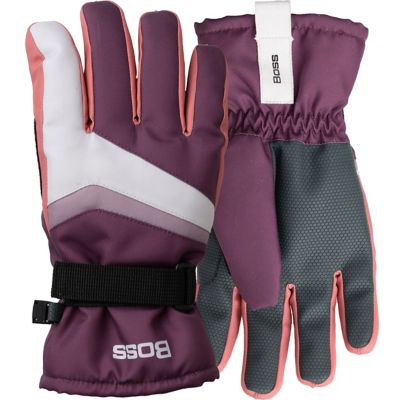
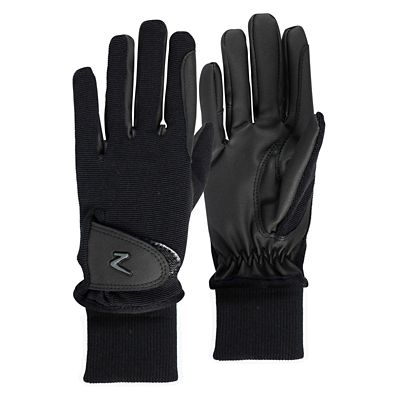
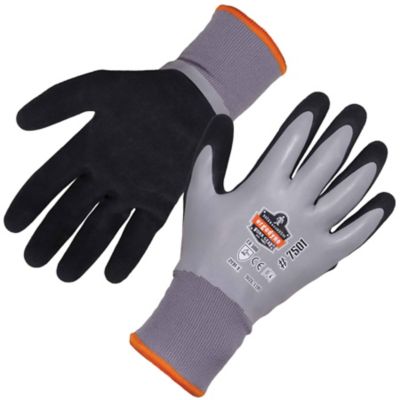
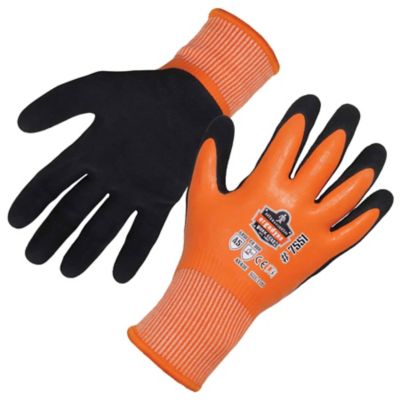
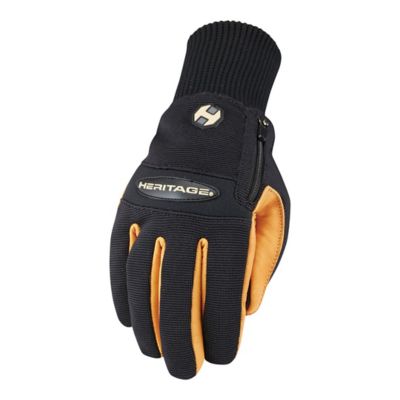
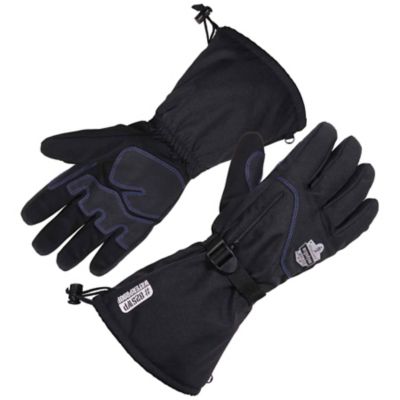
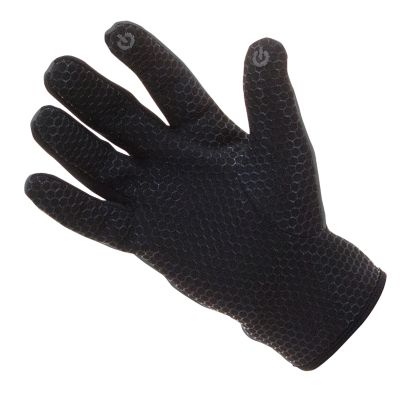
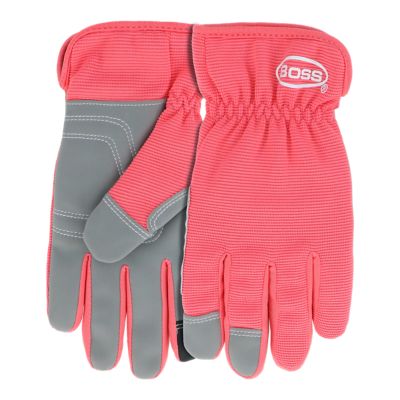
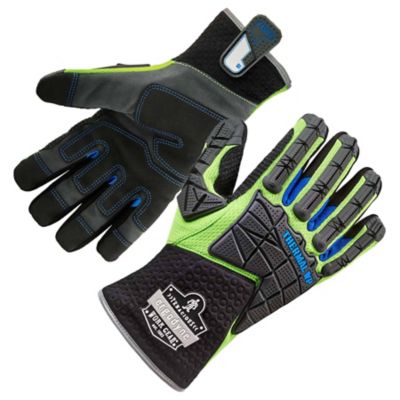
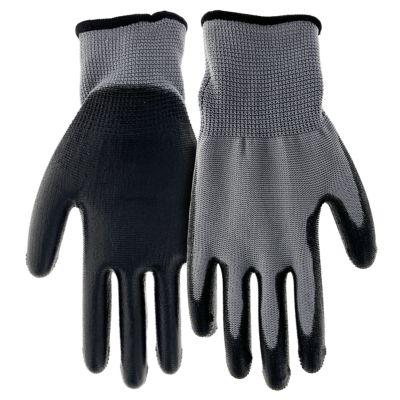
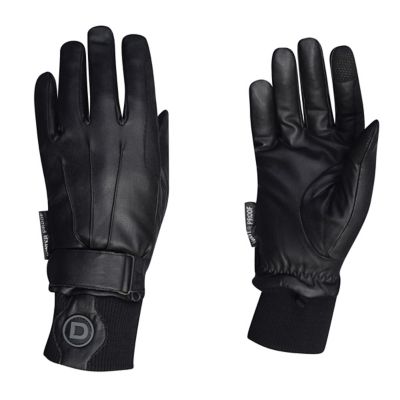
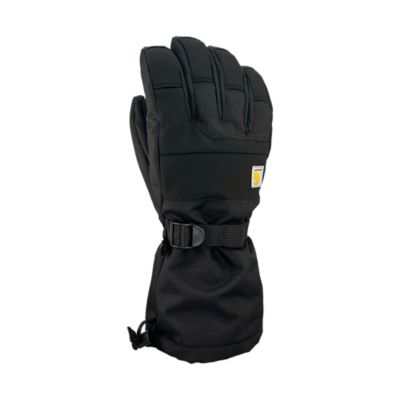
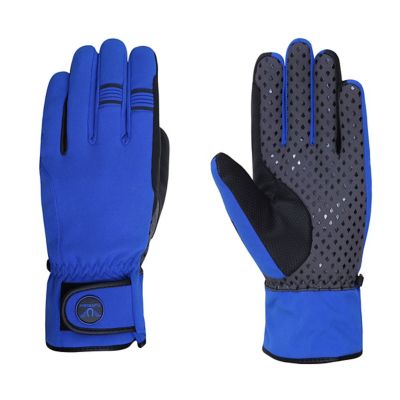
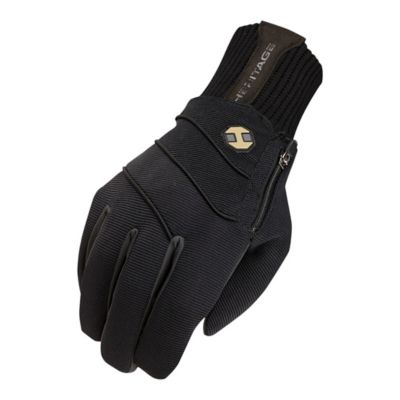
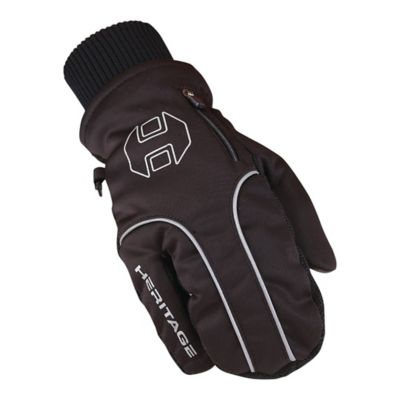
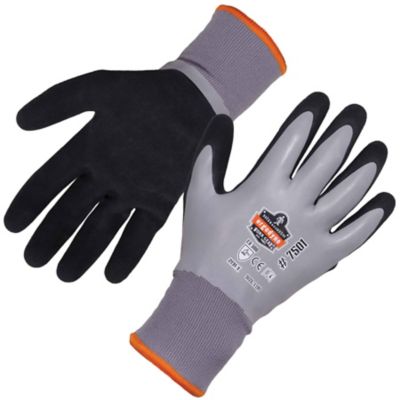
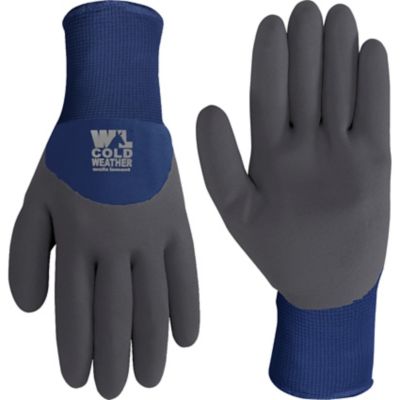
Children’s waterproof winter gloves help keep small hands comfortable through snowball building, sledding runs, and the walk from the driveway to the school bus. A pair suited to wet snow combines a waterproof barrier, insulation, a comfortable lining, and cuffs that help keep snow from slipping inside. Those layers do different jobs. An outer shell made from nylon or polyester can stand up to everyday rubbing against sled handles and snow-covered benches, while a waterproof membrane or insert helps block moisture from reaching the hand. A water-repellent surface treatment helps moisture bead on the shell, but that treatment alone isn’t the same as waterproof construction. Seams and the opening at the wrist also matter, especially when a child spends more time digging in a snowbank than standing beside it. Synthetic insulation traps warmth without needing an overly thick glove, and a soft fleece or brushed lining can feel comfortable against bare skin. Insulation amounts vary, so the warmest-feeling pair for a quiet wagon ride may feel too warm for an energetic afternoon hauling a sled uphill. Breathable construction and moisture-moving linings can help manage perspiration, though no glove keeps hands comfortable indefinitely when the inside gets damp. Wind-blocking materials are another consideration for open yards, breezy playgrounds, and walks across an exposed field. Reinforced palms and fingertips add resistance to the rubbing that comes with gripping ropes, carrying snow toys, and climbing back onto a sled. Textured grip surfaces can also make smooth handles easier to hold, although ice and slush can still make any surface slippery. Waterproof winter gloves are built for cold, wet outdoor activities, not prolonged immersion in puddles or a creek. Their protection works best as part of a sensible winter outfit, with dry layers, covered wrists, and breaks indoors when fingers begin to feel chilled. That balance matters more than a thick appearance alone: warmth, moisture control, and freedom to move all contribute to how a glove feels after the first few minutes outside.
Fit makes a noticeable difference in children’s waterproof winter gloves, particularly when little hands are still learning to manage zippers, sled ropes, and backpack straps. Fingers need enough room to bend naturally, with a little space beyond the fingertips rather than tight pressure against the ends. Too much extra length can make it tough to grasp small objects, and an oversized palm may slide around instead of moving with the hand. A glove that feels tight across the knuckles can compress insulation and restrict comfortable movement. Toddler, children’s, and youth size labels don’t line up the same way across every size chart, so hand measurements are more useful than an age label alone. Depending on the sizing instructions, that may mean measuring around the palm, measuring hand length, or checking both. The fit should allow a child to make a loose fist and straighten the fingers without pulling hard against the fabric. Cuff design matters just as much once a coat enters the picture. Long gauntlet cuffs can extend over jacket sleeves to help keep loose snow out, while lower-profile cuffs may tuck beneath an outer sleeve for a closer connection at the wrist. Adjustable wrist straps and easy-grab tabs can help keep gloves in place without needing an overly tight closure. Wide openings are handy for younger children who need help lining up their fingers, especially when getting dressed involves snow pants and a wiggly toddler on the mudroom bench. Separate fingers offer more control for handling a scoop or fastening a buckle; mittens keep fingers together and can be a better match for children who struggle with finger openings or prefer that warmer-feeling shape. Neither style replaces a proper fit. For families comparing glove features, simple closures, flexible fingers, and a lining that stays put can matter more in daily use than extra details. A child who can get gloves on comfortably is less likely to pull them off halfway across the yard.
Everyday wear puts children’s winter gloves through plenty, from dragging a sled over crusty snow to stuffing a damp pair into a backpack after recess. Strong stitching, reinforced high-contact areas, and securely attached straps help a pair handle that routine, but even sturdy materials need a chance to dry. Care instructions vary with the shell, waterproof layer, lining, and any leather trim, so the care label should set the washing method. Some gloves allow machine washing on a gentle setting, while others call for wiping clean or hand washing. Fabric softeners, bleach, and harsh cleaning products can interfere with certain finishes or materials and shouldn’t be added unless the care instructions specifically permit them. After snow play, shaking off loose snow and opening the cuffs helps moisture escape. Air drying away from direct heat is often appropriate, while radiators, woodstoves, and other intense heat sources can damage glove materials. Pulling hard on the lining may shift it out of place, making the next round of getting dressed more frustrating than it needs to be. A dry spare pair is useful for a long day away from home, especially when recess is followed by an afternoon at the sledding hill. Bright colors can make a dropped glove easier to spot against snow, and an interior name label helps sort out look-alike pairs at school. Pairing gloves with
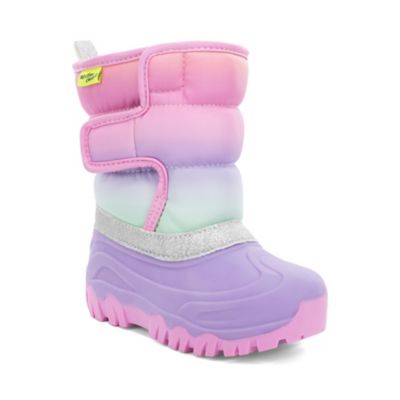
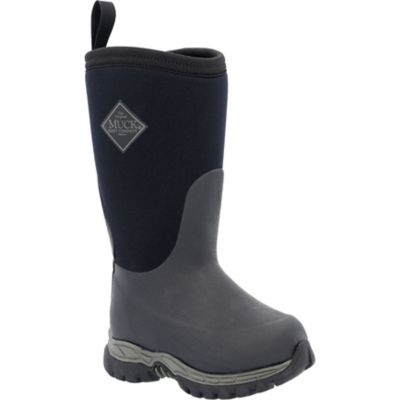
Children's Waterproof Snow Boots helps round out clothing for slushy paths and snowy yards, along with a coat, snow pants, and a hat suited to the conditions. Gloves also make a practical gift for a child who would rather be outside building a snow fort than watching from the window; checking hand measurements first helps make that gift ready for the next outing. From short walks with the family to supervised, age-appropriate chores close to home, the right combination of fit, weather protection, and easy care helps keep attention on the fun instead of cold, wet fingers.