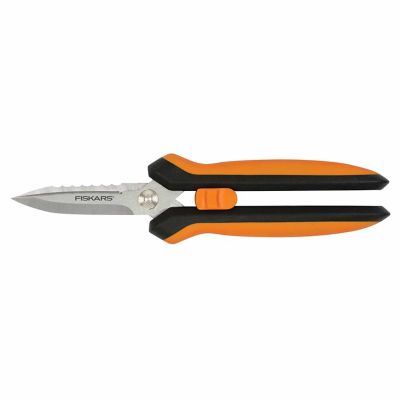
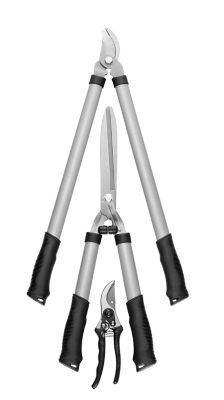
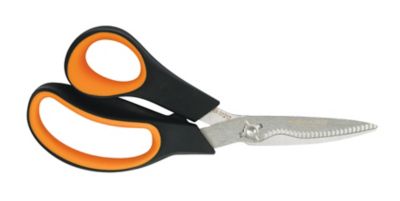
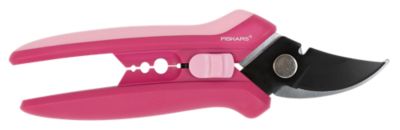
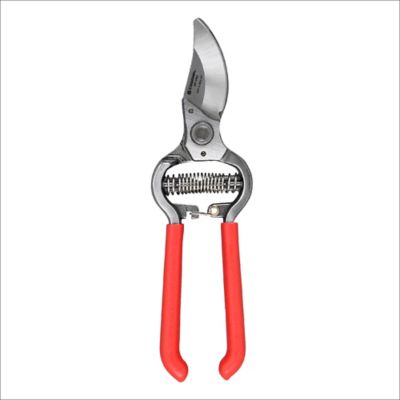
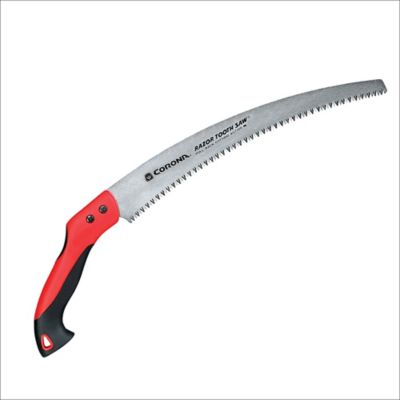
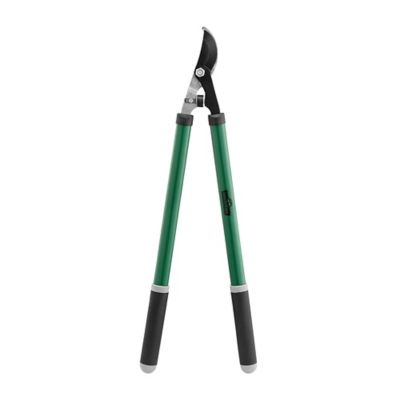
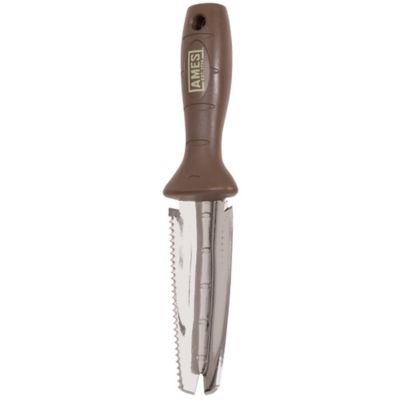
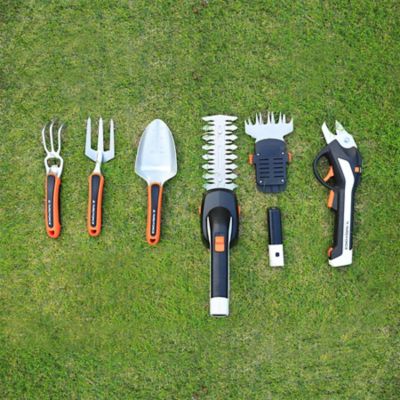
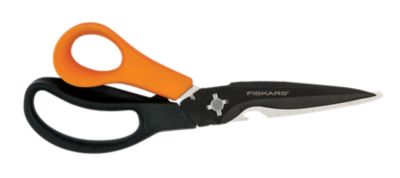
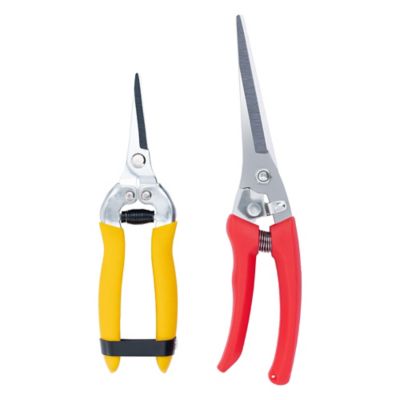
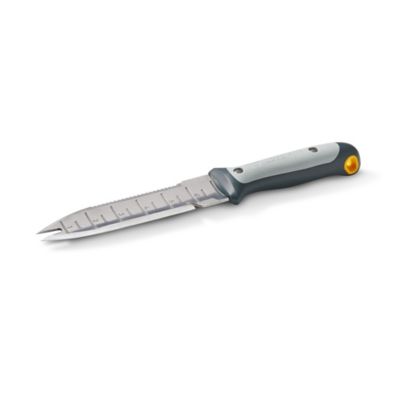
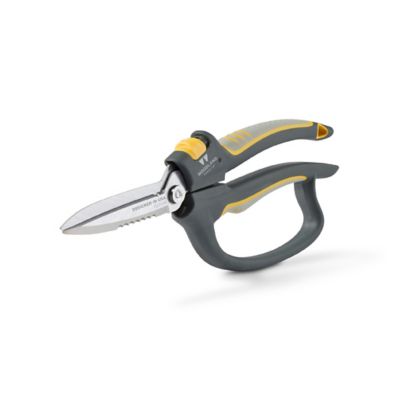
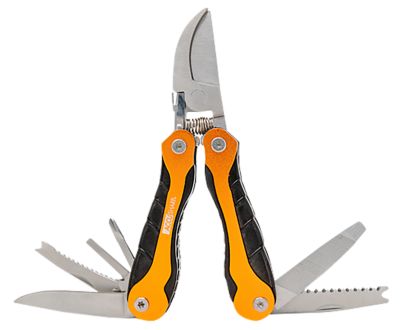
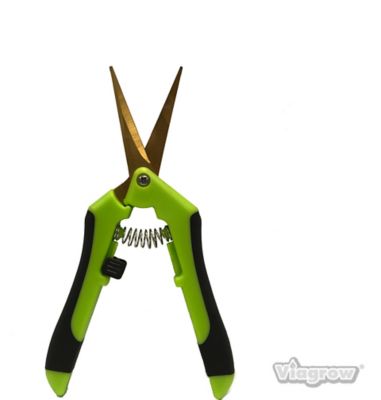
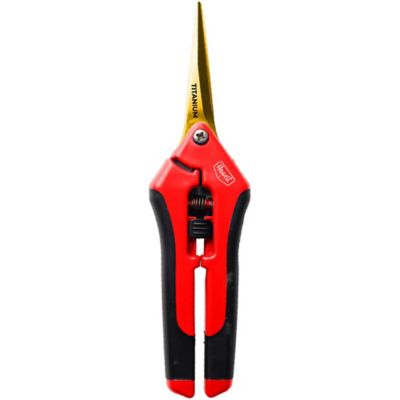
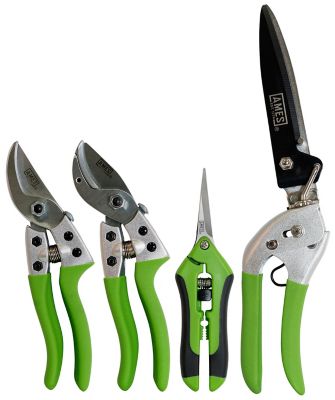
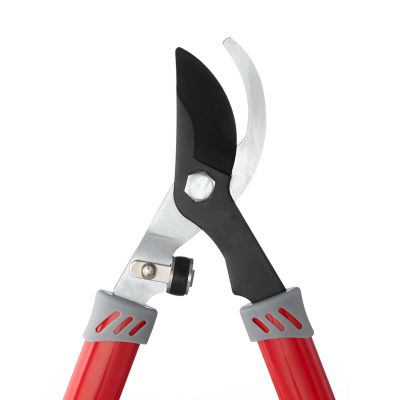
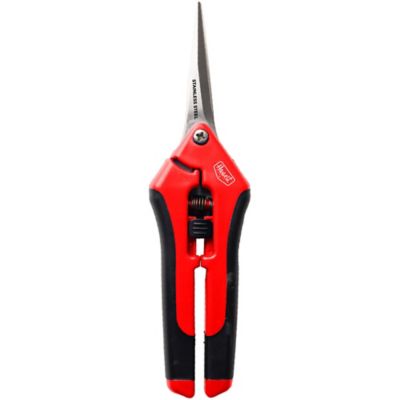
Gardening cutting tools make practical gifts for plant lovers, from the neighbor who shares fresh herbs to the family member who keeps a vegetable patch and a fence line full of flowering shrubs. The best match comes down to what that person grows and the cutting jobs that fill an ordinary day in the garden. Small garden snips suit close work, such as clipping basil stems, gathering flowers for the kitchen table, or removing spent blooms without disturbing nearby buds. Their narrow tips can reach between crowded stems where wider blades feel clumsy. Hand pruners handle sturdier growth, including small woody stems and shrub branches within the tool’s stated cutting capacity. Bypass pruners have blades that pass each other, much like scissors, and generally suit living stems where a clean cut matters. Anvil pruners bring a blade against a flat surface and are better suited to dry, dead growth that does not need the same protection against crushing. Loppers bring longer handles and added leverage to larger branches, while hedge shears suit shaping stretches of small-leaved growth rather than picking out individual stems. A garden knife adds another kind of cutting ability for dividing suitable plants, slicing through tangled roots, or opening a root-bound plant’s outer root mass before planting. These differences give gardening cutting tool gifts a personal touch without making the choice complicated: flower growers tend to appreciate fine control, vegetable gardeners often reach for harvest snips, and people tending shrubs may get more benefit from pruners or loppers. Someone caring for a few porch pots may need only one comfortable, easy-to-store tool, while a gardener tending several beds may appreciate complementary cutting styles. A thoughtful gift fits the work already happening around the place, whether that means bringing in a handful of herbs for supper or keeping a favorite rosebush from crowding the walkway. That connection to an everyday task often matters more than the number of pieces in a set.
Blade material, handle shape, and overall weight all affect how a cutting tool feels after more than a few snips. Stainless steel resists rust, making it a useful consideration for tools that regularly meet plant sap and moisture, although it still needs cleaning and dry storage. Carbon steel can hold a keen cutting edge, but it calls for attention to drying and corrosion protection. Protective blade coatings may help reduce friction or sap buildup, depending on their design, but no finish replaces routine care. Solid blade alignment and a sound pivot matter, too; blades that meet properly are less likely to fold a soft stem between them instead of cutting it. Handle materials range from metal with cushioned grips to molded designs that keep weight down. Comfort depends on more than padding. The distance between open handles, the shape of the grip, and the pressure needed to close the tool should suit the recipient’s hand. A broad handle span can feel awkward in smaller hands, while a cramped grip can make repeated cutting tiring for someone with larger hands. Gloves add another consideration, especially for a gardener working around thorny canes or rough branches. Left-handed gardeners may appreciate a design intended for their grip or an ambidextrous option, particularly where the lock and handle contours are concerned. Spring-assisted opening can make repeated snipping smoother, while a rotating handle or ratcheting mechanism may change how effort is spread through a cut. Those features serve different purposes rather than making one style right for everyone. Longer lopper handles provide leverage and reach, but they also add weight and need room to swing. Cutting capacity remains an important boundary: a branch that fits between the blades is not necessarily within the tool’s recommended limit. For a gift recipient who spends time working through several rows or around a broad shrub border, manageable weight and a natural grip can matter as much as blade size. A tool that feels balanced in the hand is easier to control when stems are tucked behind leaves or growing close together.
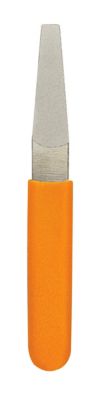
Care and storage are part of what makes a garden cutting tool a gift with staying power. Sap, soil, and bits of plant tissue can collect around blades and pivots, so easy access for wiping and cleaning is worth considering. Removable blades, replaceable springs, and adjustable pivots can make ongoing upkeep more manageable when those features are part of the design. Sharpening needs vary by blade shape; bypass blades, serrated edges, and coated surfaces do not all call for the same treatment. The maker’s care directions help protect the cutting edge and any surface finish. Cleaning tools between plants, particularly after cutting diseased growth, also helps limit the movement of plant pathogens. Dry storage and lubrication where recommended help protect moving parts, while a secure latch or blade cover keeps sharp edges contained between jobs. A sheath gives a garden knife a protected home, and a pouch or tool bag keeps smaller snips from disappearing beneath gloves and seed packets. These supporting pieces can make sense in a gift set when they serve the recipient’s habits rather than simply adding more pieces. A flower grower might appreciate snips paired with a protective pouch, while someone maintaining woody plants may prefer pruners with an appropriate sharpening tool. For a broader look at garden-task essentials, explore
Green Gardening Tools alongside cutting-tool gifts. Birthdays, housewarmings, and thank-you gifts are all natural occasions for something that earns its place on the potting bench. A new gardener benefits from straightforward operation and clear care information, while an experienced grower may value a tool that fills a gap in an established routine. Picture the recipient stepping out to gather a few stems for a vase, trim an unruly shoot beside the gate, or clip herbs without tugging at the whole plant. A well-matched cutting tool supports those small, satisfying jobs and gives the gardener something practical to reach for again and again.