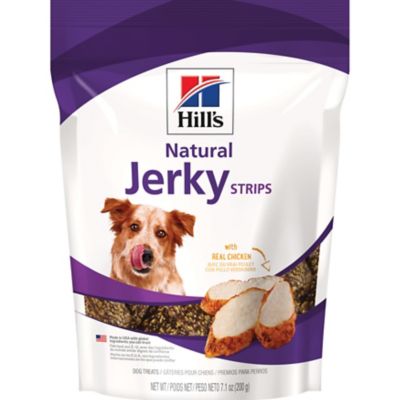
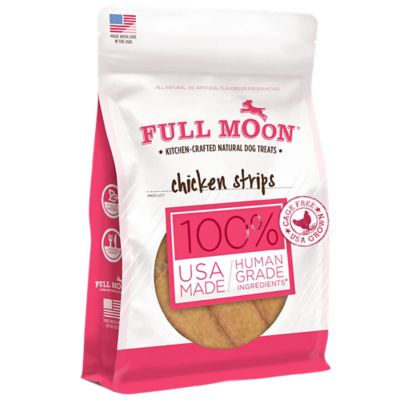
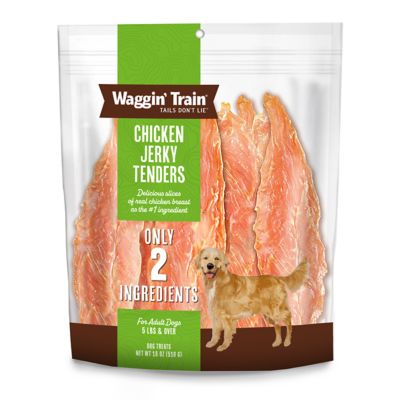
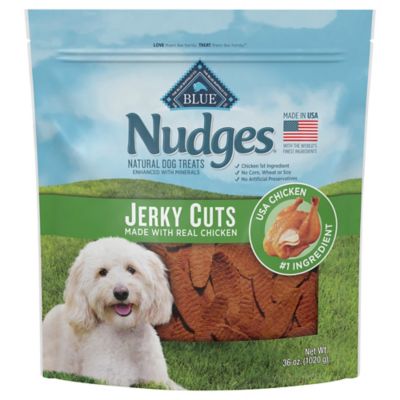
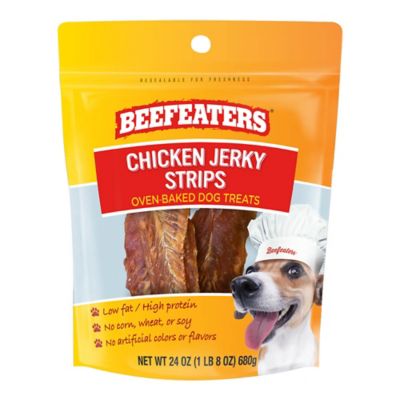
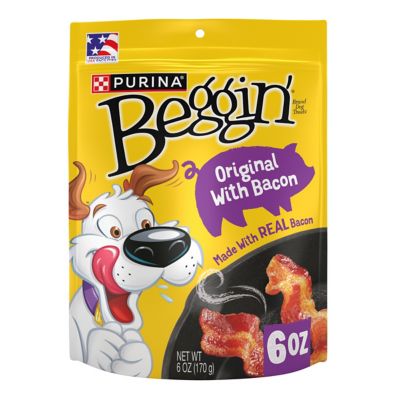
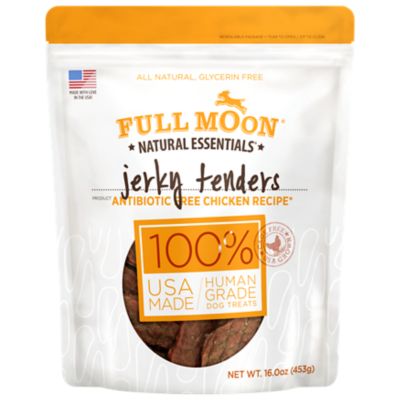
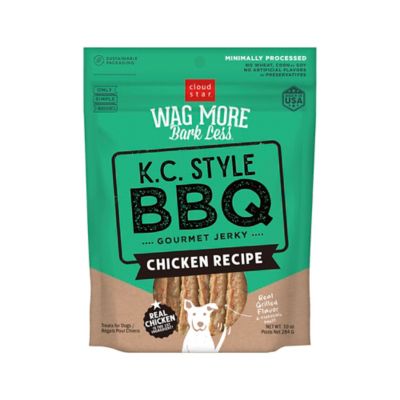
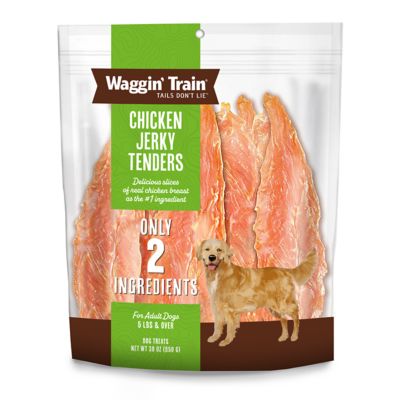
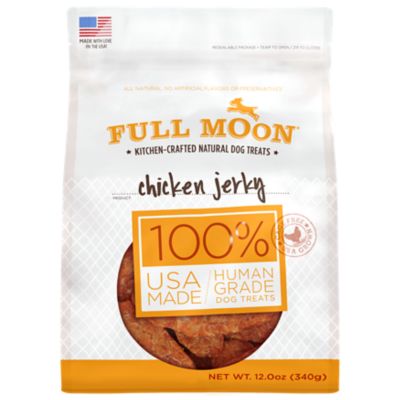
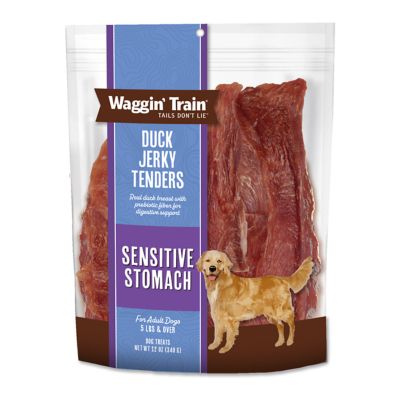
Chicken strips for dogs are a handy, meaty treat for pups that enjoy a simple chicken flavor and a satisfying chew. Most are made with chicken breast or other chicken cuts that have been baked, roasted or dehydrated to remove moisture, creating a shelf-stable snack with a strong aroma and plenty of protein. Depending on how they are prepared, strips may be tender and easy to tear into small training bites or firmer and chewier for dogs that like to work at a treat. They can be useful for all sorts of everyday moments, from rewarding a young dog for sitting at the back door to encouraging a nervous pup through grooming, nail trimming or a trip to the veterinarian. A strip tucked into a pocket also makes a practical reward for walks, barn chores and time spent practicing recall in the yard. Look over the ingredient panel before adding any treat to your dog’s routine. Many owners prefer single-ingredient chicken strips or limited-ingredient recipes, especially when they are trying to keep things simple or identify foods that may upset a sensitive stomach. Choose treats made without added salt, garlic, onions, heavy seasoning or other ingredients that are unsafe for dogs, and keep an eye out for unnecessary fillers, artificial colors and preservatives. If your dog has a known food allergy, kidney or heart concerns, pancreatitis, or another condition that calls for a special diet, check with your veterinarian before introducing a new snack. Even a wholesome treat adds calories, so chicken strips should complement a complete, balanced dog food rather than replace a meal. A good rule of thumb is to keep treats and other extras to about 10% of your dog’s daily calories, adjusting meals as needed and taking your dog’s size, age, activity level and health into account.
The right chicken strip depends on the dog and the job at hand. Small dogs, puppies with developing teeth and older dogs may do better with softer pieces that can be torn into tiny bites, while larger, active dogs may appreciate a thicker strip that takes longer to finish. For training, choose a treat that breaks apart cleanly without leaving greasy fingers or crumbs all over your pockets; small pieces let you reward several good decisions without overfeeding. For a quiet afternoon on the porch or a long ride to the feed store, a more substantial strip can give your dog something tasty to enjoy under supervision. Always match the size and texture to your dog’s chewing habits, and never assume a treat is suitable just because it is labeled for dogs. Some strips are intended to be swallowed as a snack, while others are designed for chewing, so follow the package directions and watch your dog the first few times. Dogs can gulp food when excitement gets the better of them, particularly when treats are handed out around other pets. Offer chicken strips in a calm spot, separate dogs that guard their food, and make sure fresh water is available. It is also smart to store treats in a cool, dry place and reseal the package after each use. Check the best-by date, look for damaged packaging and follow any storage instructions after opening. If a strip smells unusual, looks moldy or has changed texture, toss it out. For households that enjoy keeping a few extra treats on hand, chicken strips can make a thoughtful gift for a new puppy owner, a neighbor with a hardworking farm dog or a friend welcoming a rescue dog home. Pairing them with a treat pouch, food-storage container or other
Natural Dog Treats can make the gift useful without adding clutter.
Chicken strips can also fit neatly into a dog’s regular routine when used with a little planning. Break larger pieces into portions before heading outside so the bag does not become an all-you-can-eat buffet during a busy training session. A few small rewards can reinforce polite behavior while loading into a truck, waiting at the gate, riding calmly in the car or coming back when called. You can hide a piece in a puzzle toy, use it as a topper over regular kibble or offer it after a brushing session to help end the chore on a good note. Keep high-value treats special enough that your dog pays attention, but use them alongside praise, play and affection so food is not the only reward. If you make chicken treats at home, use plain chicken with no salt, garlic, onion or seasoning, slice it evenly, cook it thoroughly and dry it until no moist spots remain. Homemade strips should be cooled completely, stored in an airtight container in the refrigerator for short-term use or frozen for longer storage, and discarded if they show any sign of spoilage. Homemade and store-bought treats alike should be handled carefully, with clean hands and separate utensils from raw meat. During warmer weather, do not leave chicken treats in a hot vehicle, tack room or sunny porch, and during cooler months, keep packages protected from dampness and curious barnyard visitors. Whether you are rewarding a steady heel, celebrating a newly learned trick or simply sharing a small snack after a day outdoors, chicken strips offer an easy way to make ordinary time with your dog feel a little more special.