Chicken processing equipment covers the tools and machines that help turn farm-raised poultry into dressed birds ready for cooking or freezer storage. It includes poultry cones, scalding equipment, feather pluckers, processing knives, worktables, chilling containers, and related supplies for handling birds and keeping the work area clean. These tools serve different jobs, but they work best as parts of a setup sized for the flock and the people doing the work. A homesteader processing a few meat chickens has different space and handling needs than a farm preparing larger groups of birds throughout the year. For a small flock, a straightforward arrangement with manual tools may suit the pace. More birds can make powered feather removal, greater water capacity, and roomier work surfaces worth considering. Capacity means more than how many birds a machine can hold at once; it also includes the time needed for loading, unloading, cleaning, and moving birds between work areas. Bird size matters, too. Equipment that fits smaller broilers may not provide the same clearance or control with heavier chickens, and poultry equipment should not be assumed suitable for every kind of bird. Overall dimensions, working height, and access around a machine all affect how comfortably it fits into a farm workspace. A roomy table can keep tools within reach without crowding the bird, while a stable base helps limit movement during demanding tasks. For folks adding to an existing setup, compatibility with the tools already on hand can matter more than adding another large machine. A good match supports a steady pace without leaving one person waiting at a plucker or another searching for a clear place to work. Thoughtful sizing also leaves room for the less noticeable parts of processing, including containers, hoses, protective clothing, and a place to set equipment aside for cleaning.
Materials and construction make a real difference in chicken processing equipment because the work involves water, feathers, repeated handling, and thorough cleanup. Stainless steel is common on processing tables, tanks, and other equipment because it resists corrosion and can provide a smooth surface for washing. The finish and construction still deserve attention: accessible corners, smooth welds, and removable parts can make cleanup less of a chore than narrow seams and hard-to-reach recesses. Food-contact suitability matters wherever birds or meat touch equipment, including containers, cutting surfaces, and machine components. Sturdy frames, secure fasteners, and replacement parts that match the equipment help support regular farm work without turning routine upkeep into a project. For feather removal,
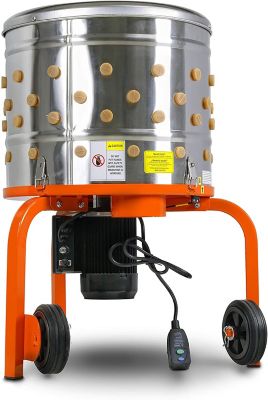
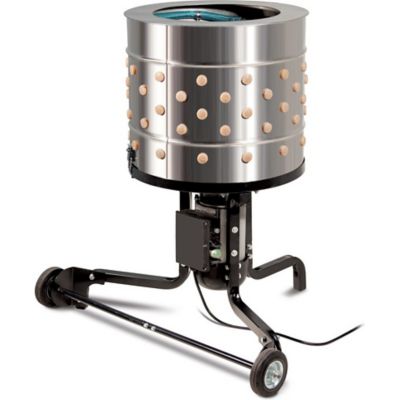
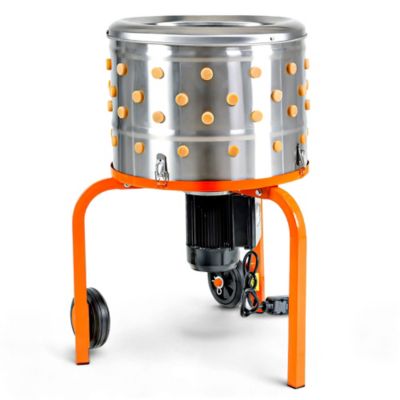
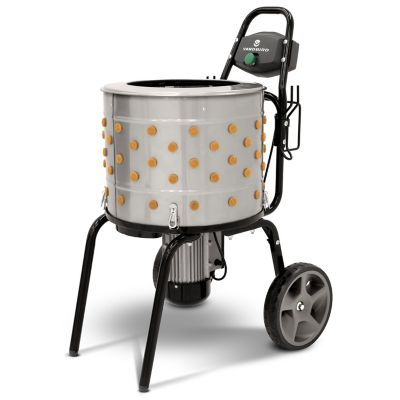
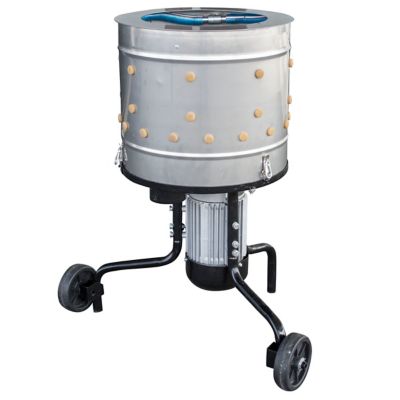
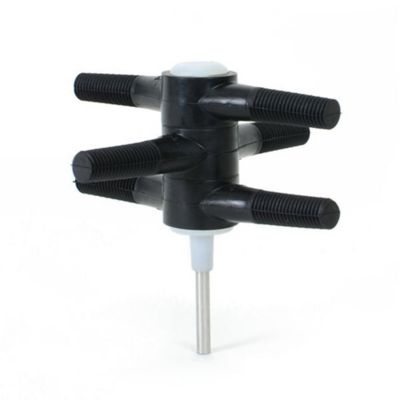
Chicken Pluckers provide a range of machine styles, with differences in capacity, power requirements, footprint, and feather collection. Plucking fingers are working components rather than permanent fixtures; their material, spacing, condition, and fit affect how the machine handles a bird. Replacement fingers need to match the manufacturer's specifications, not simply look close in size. Feather removal also depends on preparation, so a larger motor alone does not determine the result. Scalding equipment contributes another set of considerations, including tank dimensions, heating method, water controls, and the ability to monitor water temperature. A tank needs enough room for the intended birds without becoming awkward to load or maintain. Drain placement can make a noticeable difference when emptying equipment at the end of a processing day, especially when the workspace has limited room for moving heavy containers. Electrical ratings and connection requirements also deserve a close look wherever powered equipment operates near water. Equipment instructions should spell out the intended setup and safeguards. For a farm with a dedicated processing space, larger equipment may fit naturally into the layout; for a shared work area, manageable weight, secure wheels where provided, and storage dimensions can be just as important as working capacity.
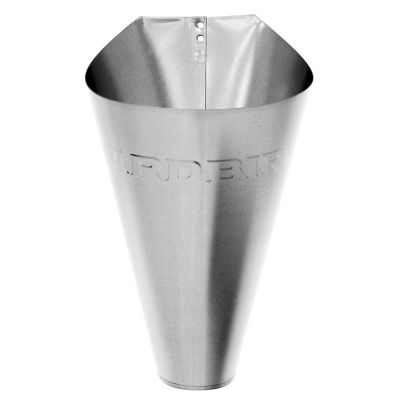
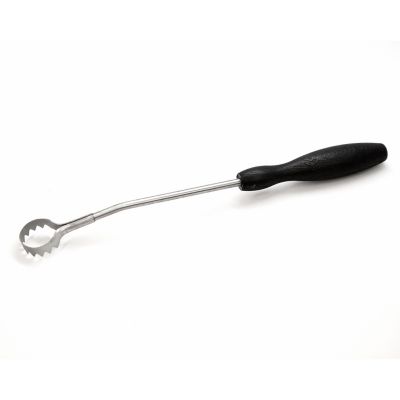
The smaller tools often shape how comfortable and organized the work feels over several hours. Processing knives need blades suited to their intended tasks, handles that remain manageable with wet hands, and a practical way to maintain the edge. Handle shape and size matter when different people share the work, especially if one person has a smaller grip or wears protective gloves. Poultry cones likewise need a size and mounting arrangement appropriate for the birds and the supporting structure. Secure mounting and easy access for cleaning are more useful than a setup that looks tidy but leaves cramped working space. Around the worktable, washable containers and clearly separated areas for birds, feathers, offal, and finished poultry help keep the operation orderly. A chilling setup needs capacity for the planned number of birds and the handling method, rather than whatever space happens to remain after the other equipment is arranged. Food-safe handling, suitable chilling, and protection from cross-contamination remain essential regardless of whether the flock numbers a handful or several dozen. Processing equipment supports those practices, but it does not replace them. Care after the work is finished matters just as much as the initial setup. Manufacturer-approved cleaning and sanitizing methods help protect food-contact surfaces, while proper drying and storage help limit corrosion and wear. Motors, switches, bearings, and other mechanical parts may require different care than washable tanks or removable components, so a machine should not be treated as though every part can take the same cleaning method. Space for disassembly, drying, and tool storage makes upkeep easier to carry through. For homesteaders, small poultry farms, and families raising meat birds, the right equipment is the equipment that fits the actual workload, handling needs, and available workspace. A sensible setup brings the larger machines and everyday tools together without unnecessary clutter, making room for careful work from the first bird to the final cleanup. Farms processing poultry for sale also need equipment and facilities that meet the rules applying to their operation.