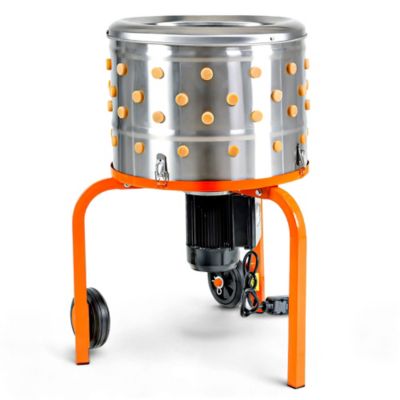
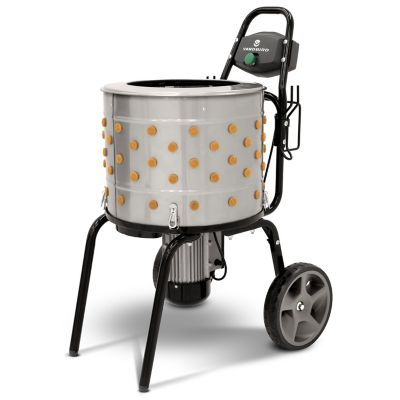
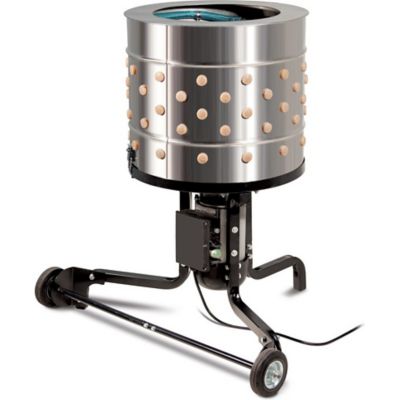
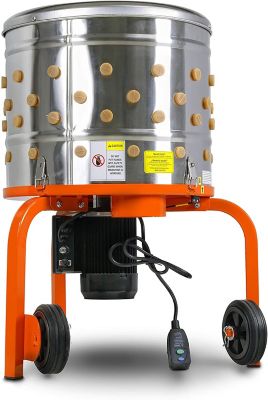
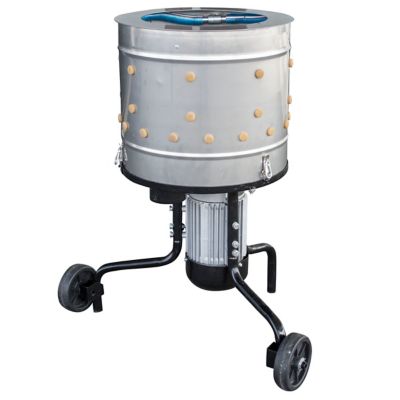
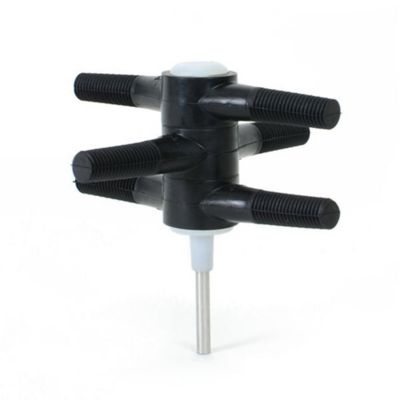
Chicken pluckers remove feathers from poultry after slaughter and scalding, taking much of the repetitive handwork out of processing birds raised for meat. A motorized tub-style chicken plucker typically has a rotating bottom plate and flexible rubber fingers along the plate and tub walls. As the bird tumbles, those fingers rub away loosened feathers, while a discharge opening lets feathers and rinse water leave the chamber. Under suitable conditions, some machines can remove most feathers in about 15 to 30 seconds, though cycle length depends on the machine, the bird, and the scald. That short cycle describes feather removal, not the full time needed to process a chicken. Slaughter, scalding, evisceration, chilling, and cleanup remain separate jobs. For a family raising a small flock of meat birds, a chicken plucking machine can make a full processing day less tiring. On a homestead with several batches throughout the year, it can help keep feather removal moving without leaving one person tied up hand-plucking every bird. Tub-style machines suit people who want a contained plucking chamber, while drill-powered feather plucker attachments offer a smaller setup with a more hands-on approach. Neither style is a one-size-fits-all answer. The number of birds processed per session, their dressed size, and the space around the work area all matter more than simply picking the biggest machine. Capacity deserves a close look because a tub needs enough room for birds to move as intended; crowding it can interfere with feather removal and put extra strain on the drive system. A machine sized for chickens is not automatically suited to large turkeys or small quail. The manufacturer's listed bird types, weight range, and batch limits give a better picture of fit than tub diameter alone. Even with a well-matched machine, a few stubborn wing feathers or fine pinfeathers may still need attention by hand.
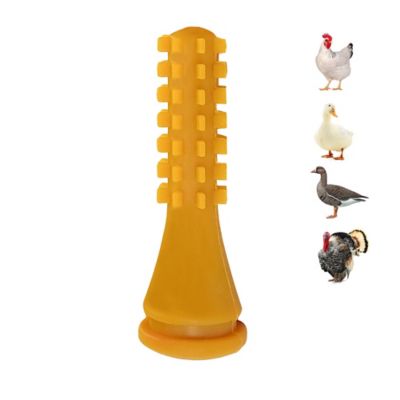
Construction makes a difference when equipment spends its working hours around water, feathers, and repeated washdowns. Stainless steel tubs and other corrosion-resistant surfaces can make cleaning more manageable, but the whole build matters, including the frame, fasteners, discharge chute, and areas beneath the rotating plate. Smooth, accessible surfaces leave fewer awkward spots where debris can collect. Removable components can also make a difference when it is time for a thorough cleanup, provided they come apart as described in the equipment instructions. Rubber plucker fingers are working parts rather than permanent fixtures. Their shape, spacing, firmness, and condition influence how they contact the bird, and replacements need to match the machine rather than merely look close. Fingers that become cracked, stiff, torn, or worn down can affect plucking performance. Appropriate replacement parts and clear maintenance directions are worth considering alongside motor specifications. Motor power alone does not tell the whole story, either. The drive arrangement, rated load, and allowable operating cycle help determine whether a machine fits occasional household processing or longer sessions with multiple batches. A stout frame and a stable base matter when a loaded tub starts moving, especially on a work surface that is not perfectly forgiving. Wheels and handles can make a plucker easier to move between storage and the processing area, while locking casters or another manufacturer-approved means of securing the machine help keep it in place during operation. Physical fit includes the machine's footprint, working height, doorway clearance, and room to reach controls without leaning over moving parts. A low discharge opening may call for a different feather-collection arrangement than a raised chute. Hose connections, splash control, and access beneath the tub can affect how neatly the work area runs. These details are easy to overlook beside a large motor rating, yet they often shape the experience from the first bird through the final rinse.
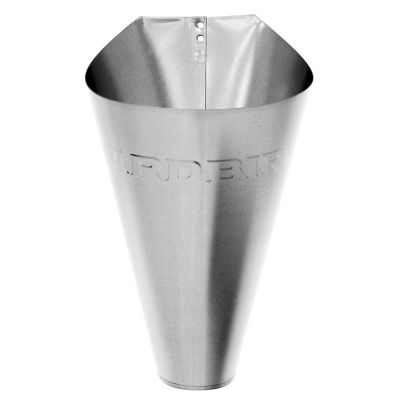
A good chicken plucker setup fits into the rest of the poultry-processing area rather than becoming a bottleneck of its own. Proper scalding loosens feathers before the bird reaches the plucker; the machine is not a substitute for that preparation. Scalding requirements vary with bird type, age, feather development, and the finish desired, so compatible equipment and the manufacturer's directions matter more than a single time or temperature applied to every bird. Too little feather release can leave extra work, while excessive processing can damage skin. Water management deserves the same attention. Some tub pluckers have an integrated rinse ring or hose connection to help carry feathers toward the outlet, while other designs require a different rinse arrangement. Feather-heavy runoff needs a collection plan that keeps drains from clogging and leaves walkways clear. The wider range of
Chicken Processing Equipment can support the separate jobs of preparation, feather removal, handling, and chilling, with each part serving a different purpose. Enough space between those jobs helps keep the day organized, whether two family members are working through a handful of birds or several experienced helpers are handling a larger flock. Electrical requirements also belong in the buying decision: the power supply, grounding, and ground-fault protection must match the equipment instructions and applicable requirements, with plugs and connections protected from water. Guards and safety switches should stay in place, and power must be disconnected before clearing a blockage, reaching into the chamber, or servicing working parts. After processing, removing feathers and residue, washing and sanitizing appropriate food-contact surfaces, and allowing components to dry help prepare the machine for its next outing. Bearings, belts, and other service points may need attention according to the manual, while storage should protect the motor, cord, and rubber fingers from damage. For backyard poultry keepers, small farms, and homesteaders, the best fit is a chicken plucker that matches the birds, the workload, and the way the processing area actually works—not just the fastest cycle listed on a specification sheet.