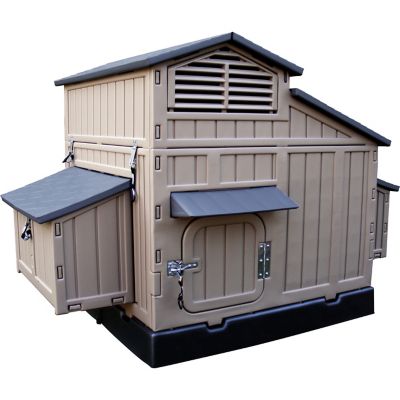
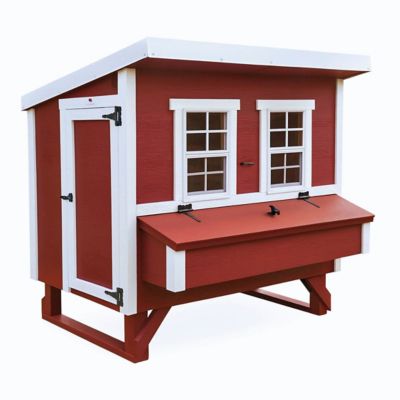
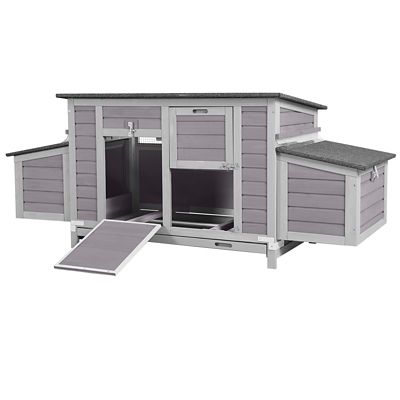
Chicken coop ventilation for hot weather helps fresh air move through the house instead of leaving heat, moisture, and strong odors trapped around the flock. A coop can feel stuffy long after the sun drops behind the barn, especially when a low roof, crowded roosts, and damp bedding hold the day’s heat. Chickens do not sweat, so they depend on shade, drinking water, and their surroundings to help shed body heat. Good airflow is part of that setup, whether the flock lives behind a farmhouse, beside a backyard garden, or in a small homestead poultry yard. Ventilation openings near the roof give rising warm air a way out, while lower openings can bring replacement air into the space. Openings on different sides also make better use of a passing breeze than a single small window tucked into a sheltered corner. The right arrangement depends on more than the number of birds. Roof height, floor area, window placement, nearby buildings, and the direction of prevailing winds all affect how air travels through a coop. A little henhouse shaded by trees has different needs from a long poultry shed sitting out in full sun. Chickens also add moisture through breathing and droppings, which makes ventilation important even when the bedding looks dry on top. For a family keeping a few laying hens, easy-to-reach openings may make daily chores simpler. For a larger flock, consistent air movement throughout the building matters more than a breeze that reaches only the doorway. Hot-weather ventilation works best as part of a roomy, clean housing setup rather than a fix for crowding. The goal is a coop where fresh air reaches the birds’ living space and stale air can leave without creating a hard, concentrated blast across the roost. That distinction matters in a house where hens settle shoulder to shoulder at dusk and stay inside until the morning chores begin.
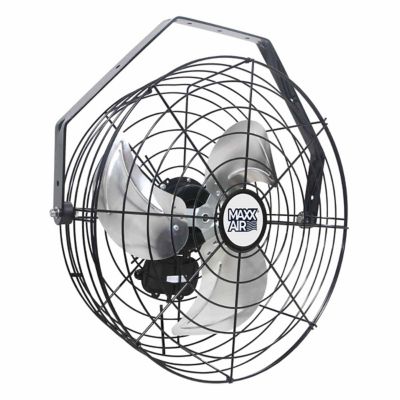
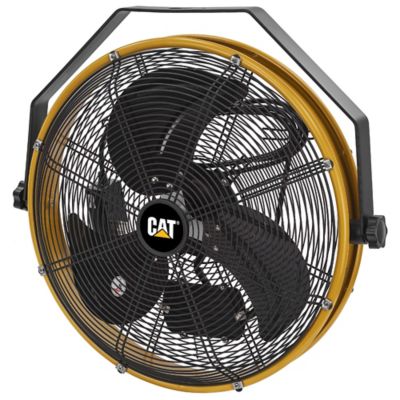
Materials and fit make a real difference in how ventilation equipment holds up around feathers, dust, and the occasional sideways rain. Galvanized steel and aluminum are common choices for vent components because they tolerate exposure better than bare steel, though fasteners, cut edges, and mounting points still need attention. Exterior-rated plastic components offer another option, with resistance to sunlight and temperature changes depending on their construction. A vent opening needs a sound frame and a close fit against the coop wall or roof so water does not seep into the wood around it. Louvers and rain hoods can help limit windblown rain, while roof installations need flashing suited to the roofing material and slope. Screening also affects performance: a tightly covered opening may move less air than its outside dimensions suggest. Strong, securely fastened welded wire mesh can help keep predators from reaching the flock, but mesh size, wire strength, and attachment all matter. Ordinary insect screen alone is not a predator barrier. Powered ventilation brings another set of considerations, especially in a coop that sits behind a windbreak or gets little natural breeze. Fan sizing depends on building volume, airflow restrictions, and the route air takes through the house, not just the size of the fan face. An exhaust fan needs enough intake area to draw replacement air without struggling against closed walls. Motor suitability matters, too, because poultry dust is tough on equipment. Electrical equipment needs ratings appropriate for its location, with guarded moving parts and wiring protected from birds, rodents, and moisture. Ground-fault protection and electrical work that meets local requirements are important around outbuildings. A fan can improve air movement, but it does not refrigerate the coop or make incoming air colder than the surrounding outdoor air. For small backyard houses and larger walk-in coops alike, access for cleaning, secure mounting, and straightforward operation are just as useful as airflow figures on a label. Equipment that is difficult to reach tends to turn a simple cleaning job into an afternoon project.
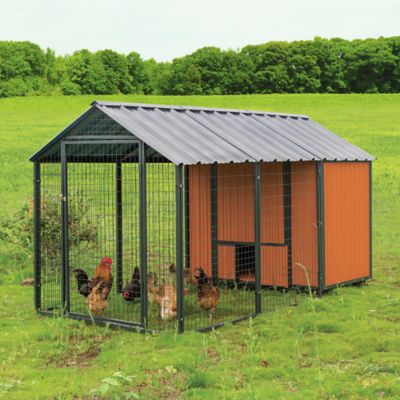
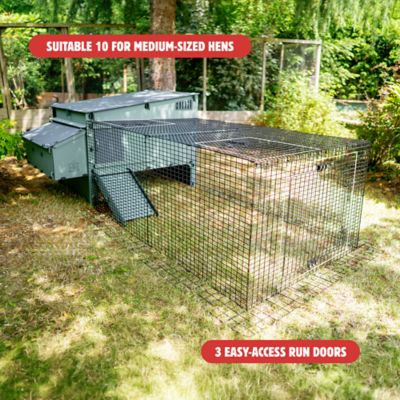
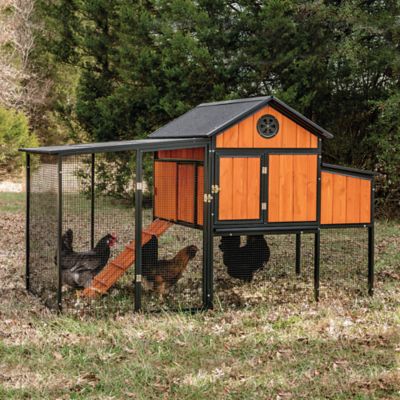
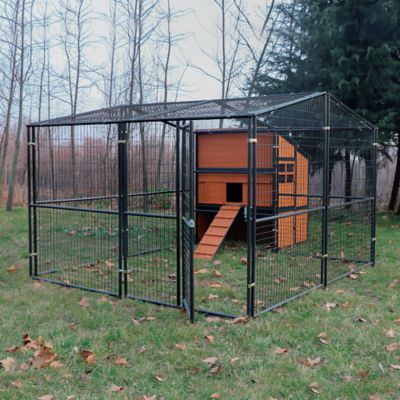
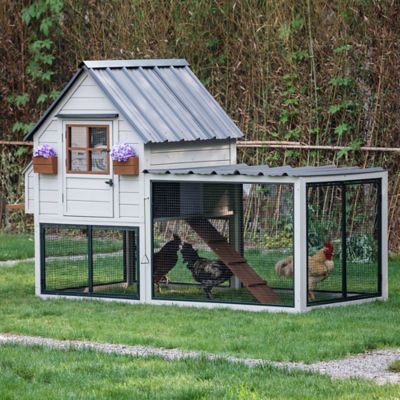
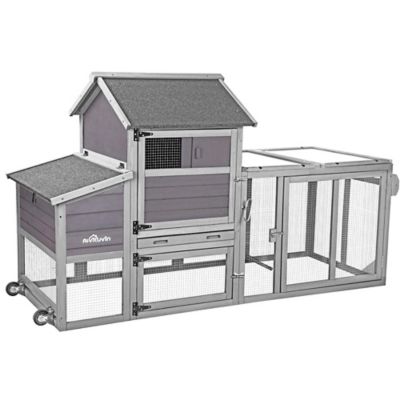
Shade and ventilation tackle different parts of the same hot-weather problem. Shade reduces the sun’s direct heat load, while ventilation carries warm, moist air out of the enclosed space. A shaded run gives hens somewhere to scratch and settle without standing in full sun, but a roofed run does not automatically mean the sleeping quarters have enough airflow. An
outdoor chicken coop with shade protection can fit into that broader housing plan, with attention to both the sheltered outdoor area and the enclosed house. Solid covers, nearby fences, and vegetation can change the breeze at bird level, so the whole layout matters. A shade panel stretched across every open side may block the very air movement the flock needs. Likewise, a ventilation opening behind a feed bin or a stack of bedding cannot do much good. Everyday care keeps the system working as intended. Feather dust collects on fan guards, cobwebs bridge screens, and bits of bedding can gather along low openings. Removable guards, accessible louvers, and surfaces that wipe clean make those chores less of a wrestling match. Metal parts benefit from checks for corrosion and loose fasteners, while wood around openings needs attention for cracks, softness, or rain stains. Cleaning methods should match the equipment manufacturer’s directions, particularly around motors and electrical connections. Inside the coop, dry bedding, prompt attention to leaking waterers, and regular manure removal reduce the moisture and odor that ventilation must carry away. Fresh drinking water and a shady resting spot remain essential even in a well-ventilated setup. Hens panting heavily, holding their wings away from their bodies, or showing unusual weakness need prompt attention rather than simply more fan speed. For folks planning a first flock or improving an established chicken yard, hot-weather ventilation is about making the whole space work together: clear air paths, secure openings, manageable upkeep, and enough shelter for birds to get out of the sun.