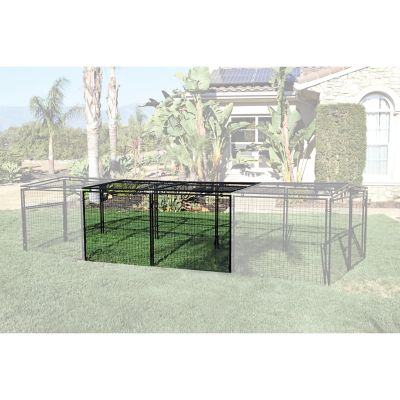
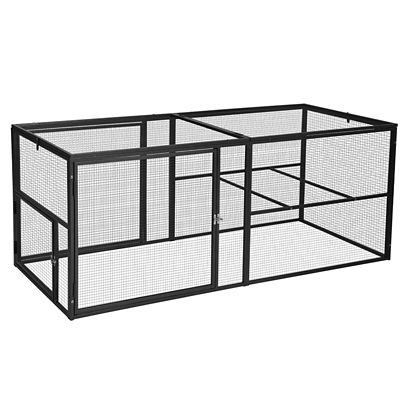
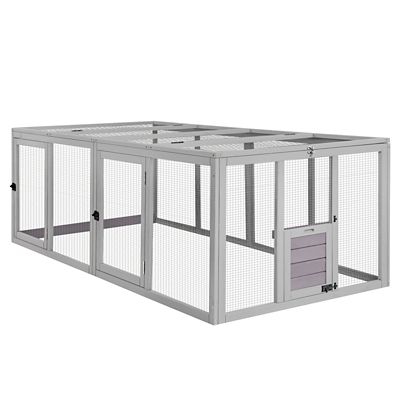
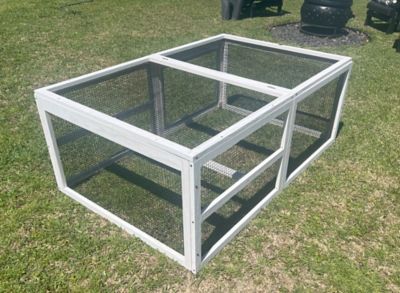
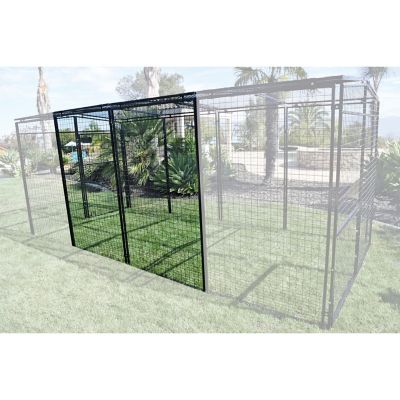
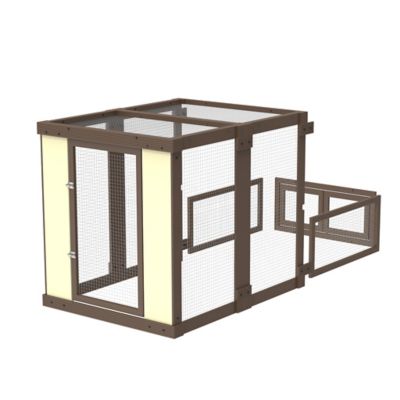
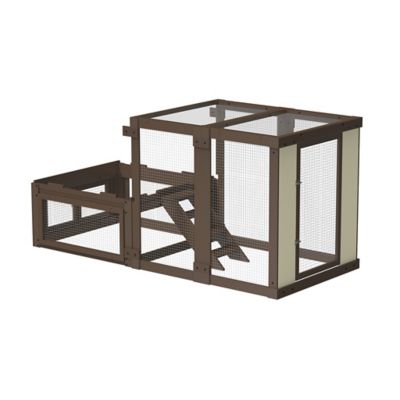
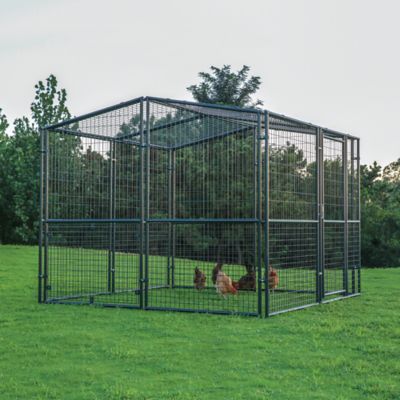
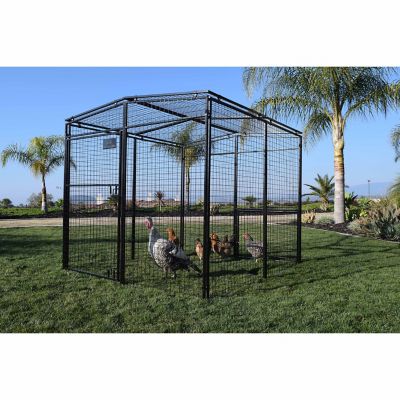
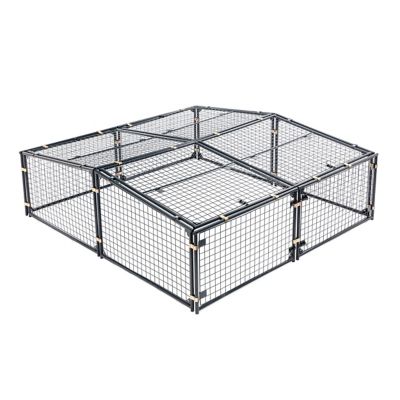
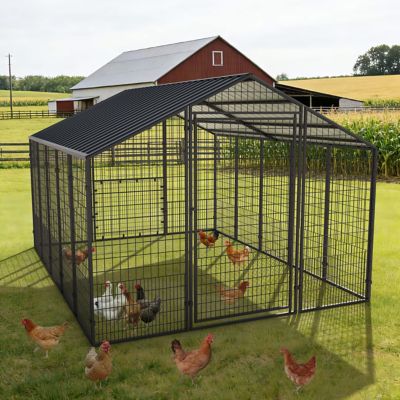
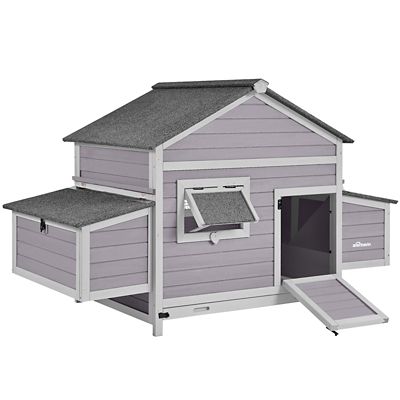
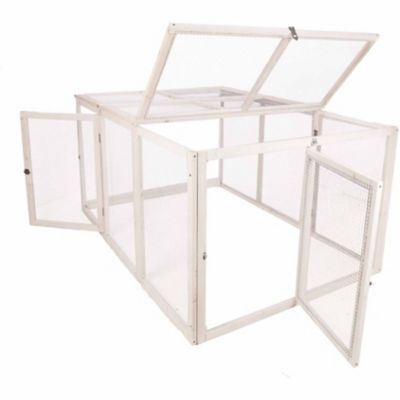
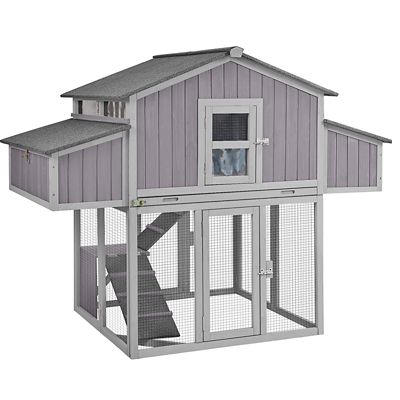
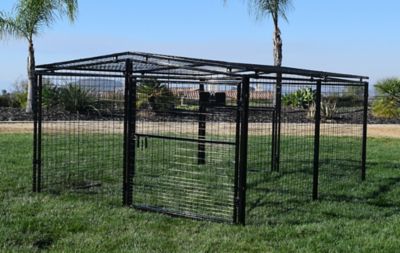
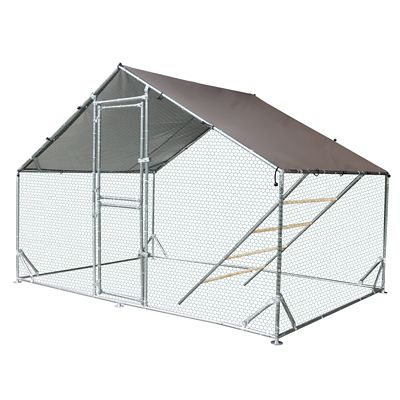
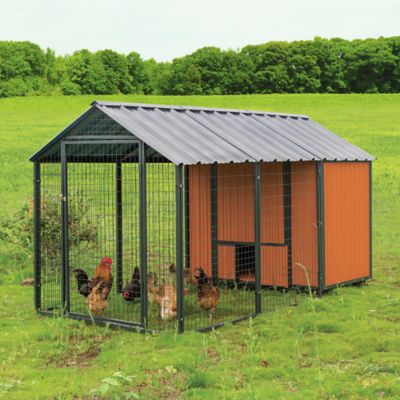
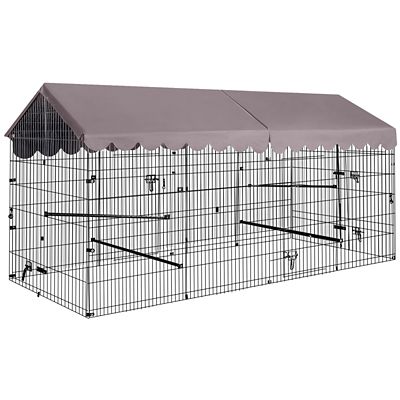
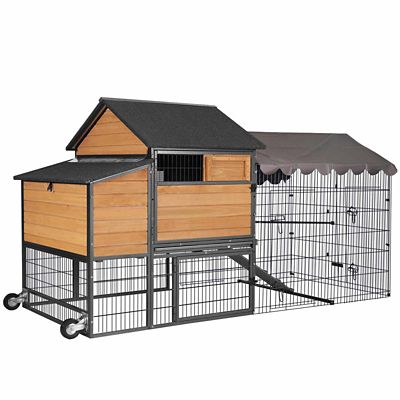
Chicken coop run extensions give a flock more room to scratch, stretch, and explore while keeping the run connected to the coop. For a backyard chicken keeper with a few laying hens or a small acreage owner expanding an established setup, that extra space can make everyday flock care more manageable. Chickens spend plenty of time pecking at the ground, hunting for a stray seed, and working through loose bedding, and an extended enclosure gives those activities more breathing room. It can also create space between a busy feeder, a water station, and the entrance where birds tend to bunch up. The right fit starts with the coop and run already in place. Overall length and width matter, but so do panel height, connection points, doorway position, and the shape of the existing frame. An extension made for one connection system may not attach properly to another, even when the measurements look close. Matching attachment hardware and compatible panel layouts help keep the joint between sections secure without awkward gaps or a doorway that only opens halfway. Long, narrow layouts can follow the edge of a yard or paddock, while wider layouts may leave more room for birds to move around one another. The footprint also needs to work for the person carrying feed, collecting eggs, and checking on the flock. A run that crowds the coop’s cleanout door can turn a simple chore into a tight squeeze. Space needs depend on flock size, bird size, and how much time the chickens spend inside the enclosure, so an extension’s dimensions tell more than its appearance alone. Extra floor area is helpful, but a sensible layout leaves clear routes to the coop entrance and feeding spots rather than filling every corner with equipment. For growing flocks, a compatible add-on can expand an existing arrangement without changing the whole setup.
Materials and construction make a difference in how an extension holds together through regular flock activity and repeated cleaning. Metal frames may feature galvanized steel or a powder-coated finish, while other designs pair wire panels with wood framing. Galvanizing and coatings help protect metal surfaces from corrosion, though scratched areas, exposed edges, and connection points still deserve attention. With wood components, solid joints and surfaces that are straightforward to inspect make ongoing care easier. Panel stiffness matters, too: a frame should support its mesh without excessive flexing, especially around gates and the connection to the original run. Wire type, opening size, and attachment method all affect the enclosure’s role as a barrier. Chicken wire can help contain birds, but it is not the same as a sturdy welded-wire barrier against animals trying to get in. Smaller mesh openings can limit reach-through access, although protection depends on the complete setup, including the wire strength, fasteners, doors, roof, and ground edge. For smaller birds, openings also need to suit their size; an enclosure intended for adult hens may not contain young chicks. A close-fitting entrance and a latch that stays firmly engaged are worth attention wherever raccoons or other persistent animals roam. At ground level, perimeter features such as an attached wire apron can help discourage digging when installed as directed, but no single feature makes every enclosure predator-proof. Overhead construction deserves the same consideration. Open tops, flexible netting, and rigid wire panels offer different barriers, and their suitability depends on the animals present and the way the run connects to the coop. Secure seams matter as much as the broad panel surfaces. A small opening beside a frame bracket or beneath a gate can undermine an otherwise well-planned enclosure. Hardware that can be checked and tightened without dismantling a whole section makes regular inspection less of a chore, particularly where several extension panels meet.
Day-to-day access is another part of choosing chicken coop run extensions that work well beyond the first setup. A full-height walk-in section can make feeding, checking birds, and handling bedding easier on the back, while a lower enclosure may suit a compact coop with access panels positioned within reach. Door width matters when a feed bucket, bedding fork, or small cart needs to pass through. So does the swing of the gate: there should be room to open it without bumping the coop, trapping a waterer, or blocking the path back to the house or barn. Removable panels can be handy for occasional deep cleaning, provided their fasteners return to a snug, secure fit afterward. Inside the run, enough room around feeders and waterers helps keep routine care from becoming a shuffle of equipment and impatient hens. A spot for dust bathing and a little open scratching space support normal chicken behavior without requiring an elaborate arrangement. Run flooring and bedding choices affect upkeep as well. Bare ground, sand, and bedding-covered surfaces each call for attention to droppings, spilled feed, and compacted areas. Easy access to corners and panel edges helps keep those chores manageable. Feed buildup along the perimeter can attract unwanted visitors, so an enclosure that allows a thorough look around the entire edge has a practical advantage. Extensions add enclosed outdoor space; they do not replace the coop’s sleeping area, nesting space, or other flock housing needs. A separate enclosure may fit some properties better than another attached section, and
Large Chicken Runs provide another option for layouts that need more room beyond a compact add-on. For an attached setup, the strongest match brings together compatible connections, room for the flock’s usual activities, and access that makes sense for daily chores. That combination helps keep the chicken yard comfortable to work in, with fewer tight corners between the feed bucket and the coop door.