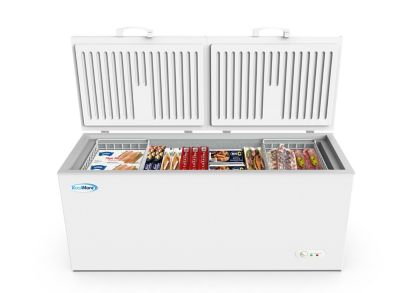
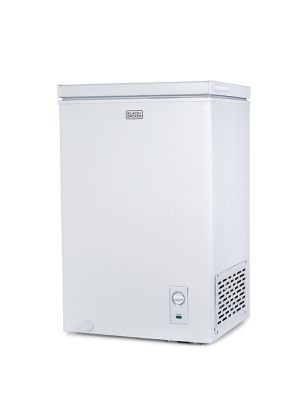
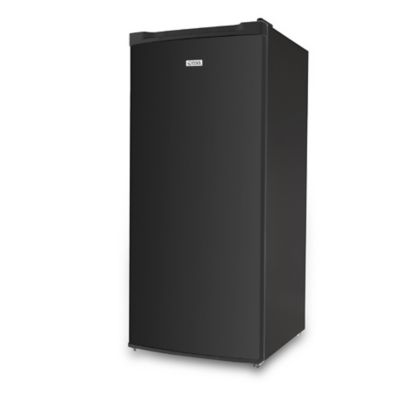
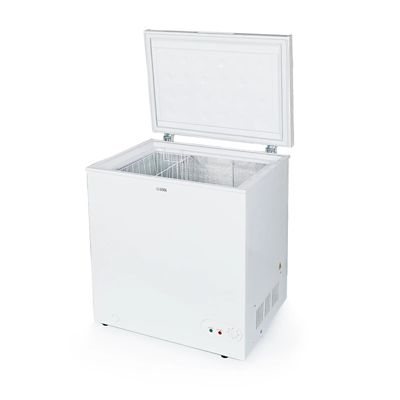
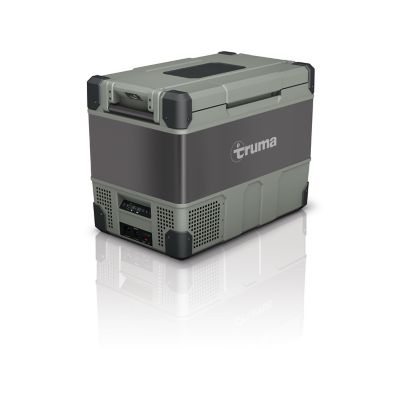
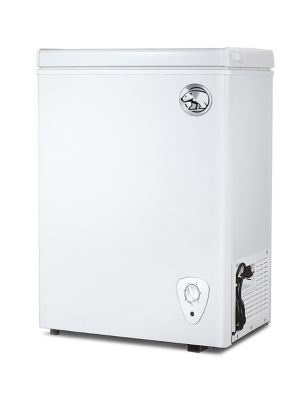
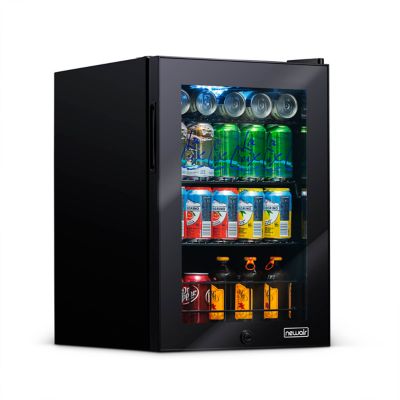
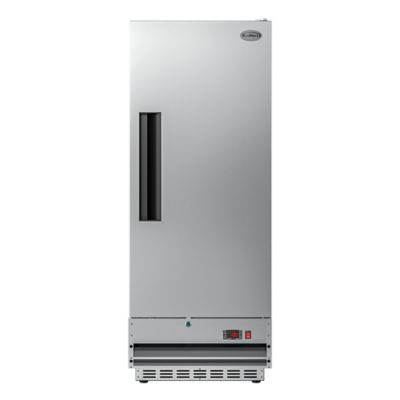
Chest freezers for garden harvest storage give a full picking basket somewhere to go when the kitchen freezer is already packed. A few rows of green beans, a patch of sweet corn or a generous crop of tomatoes can produce more than a household can eat fresh, and a separate freezer makes room for that extra food without crowding out everyday groceries. The wide, top-opening design works well for bags of vegetables, containers of cooked squash and berries spread out on trays before packing. Cold air tends to stay down in the cabinet when the lid opens, while the deep storage compartment accommodates larger containers alongside smaller portions. For gardeners feeding a family, homesteaders putting up their own produce or neighbors sharing the yield from a backyard plot, that extra space can turn a busy picking day into meals enjoyed long after the plants have finished producing. Capacity matters, but the best fit depends on what goes inside. Flat bags of corn kernels stack differently from round containers of tomato sauce, and whole fruit takes up more room than chopped portions. A smaller chest freezer may suit a modest vegetable patch and a few berry bushes, while a larger cabinet can make sense for a household preserving several crops along with meat and other groceries. Removable baskets help keep small packages near the top instead of buried beneath a stack of heavier containers. Interior dividers, where provided, can separate vegetables from fruit or keep ready-to-cook portions apart from larger batches. The shape of the storage space matters just as much as the number of cubic feet, especially for anyone who wants to reach a bag of peas without unpacking half the freezer. A layout that matches everyday cooking habits makes the harvest easier to manage, whether dinner calls for one cup of chopped peppers or enough green beans to feed everyone around the table.
Finding the right chest freezer also means looking closely at where it will sit. A utility room, basement or garage needs enough floor space for the cabinet, the ventilation clearance specified by the manufacturer and room for the lid to open fully. Shelving above the freezer can interfere with that lid, and a narrow doorway or tight stairwell can complicate getting the appliance into place. Exterior measurements, delivery access and comfortable reach into the bottom of the compartment all deserve attention before choosing a size. Chest freezers with a garage-ready rating may suit spaces without household heating or cooling, but each appliance has its own permitted ambient operating range; that rating does not mean every location is suitable. A level, dry spot and an electrical connection that meets the manufacturer’s requirements help support proper operation. Construction details count, too. Coated metal cabinets, insulated walls and easy-to-clean interior liners are common features, while basket materials and interior finishes vary. A close-fitting lid gasket helps hold the cold inside, and sturdy hinges make a difference when the lid opens repeatedly on a food-packing day. A lid that holds itself open can make loading easier, though hands and fingers still need clearance around the closing edge. Locks or other security features may matter in households with children, alongside careful placement and access control. Adjustable temperature controls, power indicator lights and temperature alarms can help with everyday monitoring when those features are included. A separate freezer thermometer provides a clear check that the storage compartment stays at 0°F or below. Energy information is worth comparing across similar capacities, since a freezer runs throughout the year. A cabinet that is much larger than the household needs takes up extra room, while one that is too small can leave little flexibility when several crops are ready together. The goal is useful space that fits the room, the harvest and the way the household eats.
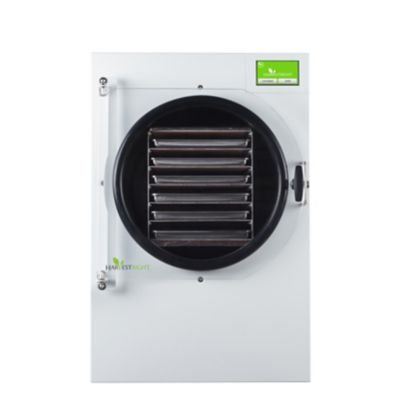
Garden produce brings its own storage considerations, and a chest freezer works best with packaging and portions suited to the food. Freezer-safe bags and containers help limit exposure to air, which can dry out food and lead to freezer burn. Flat packages make tidy stacks, while containers holding sauces or other liquids need the appropriate headspace for expansion. Labels with the crop name and packing date make it easier to tell last year’s sliced peaches from a newer batch without opening anything. Frozen produce will not always have the same texture as fresh-picked food: thawed berries often work better in baking or sauces, and frozen tomatoes are handy for soups and cooked dishes. Most vegetables benefit from crop-specific blanching before freezing, followed by prompt cooling and draining. Those preparation needs affect how a freezer gets filled, especially when a large harvest arrives at once. Loading food in manageable amounts, within the appliance’s stated freezing capacity, helps avoid asking the cabinet to freeze more than it can handle at one time. Keeping frequently reached-for packages in upper baskets and rotating older portions toward the top can prevent good food from disappearing into the bottom. Care is straightforward but important. Many chest freezers require manual defrosting, and a drain can make that task easier when frost builds up. Defrosting and cleaning should follow the appliance instructions, with frozen food protected elsewhere and sharp tools kept away from the liner and cooling components. Clean gaskets, a dry interior and clear exterior ventilation space help keep the cabinet ready for the next batch. For households considering another preservation method alongside freezing,
Home Freeze Drying for Food Storage offers a look at an approach that removes moisture for properly processed and packaged dry storage. A chest freezer fills a different role: keeping prepared produce frozen and close at hand for casseroles, soups, pies and everyday suppers, with enough room to carry the garden’s yield beyond the picking basket.