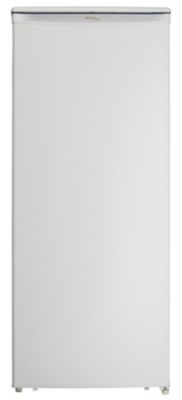
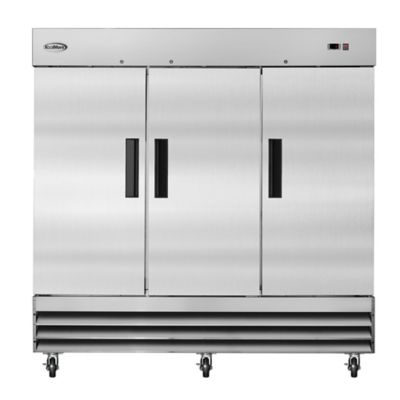
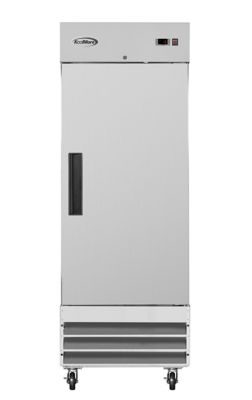
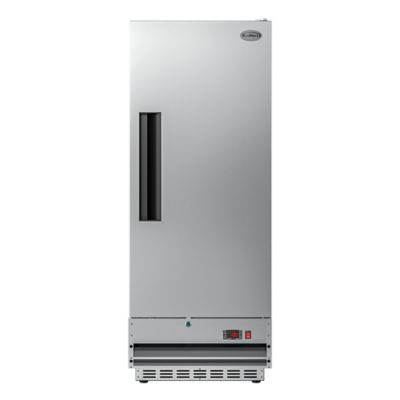
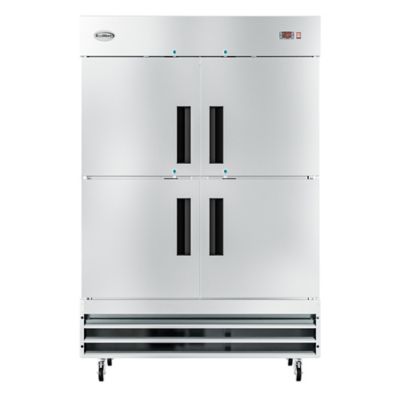
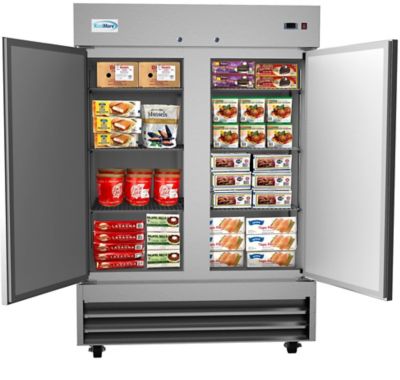
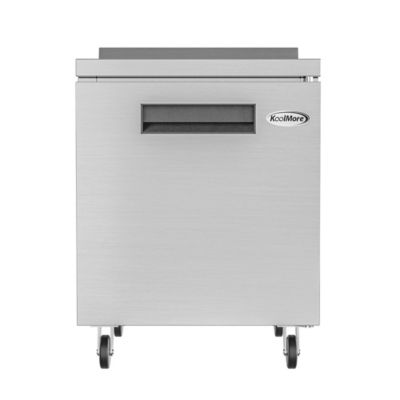
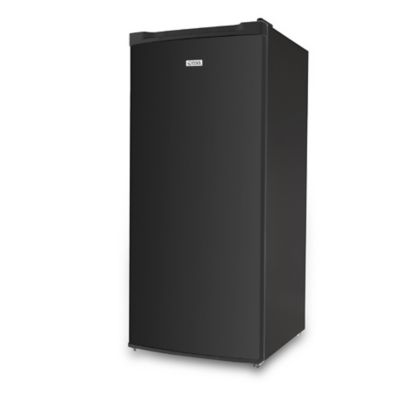
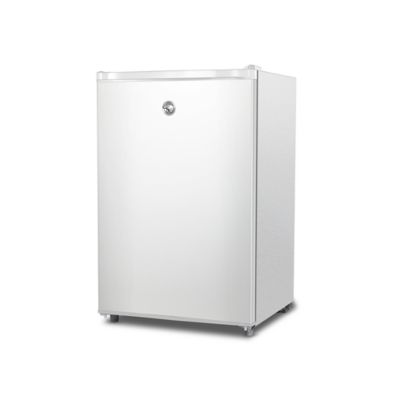
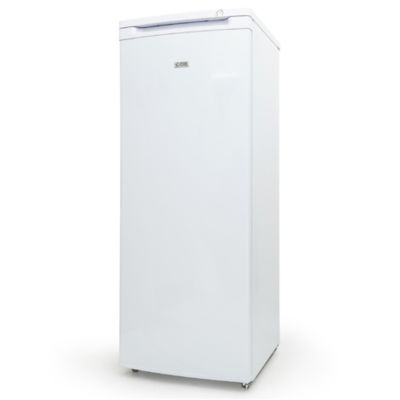
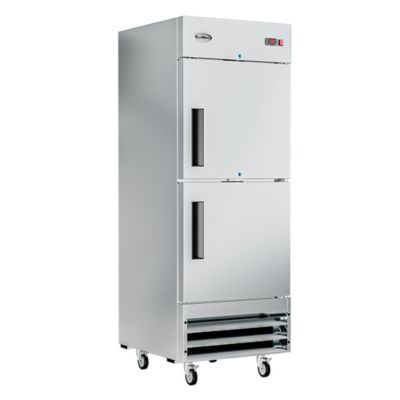
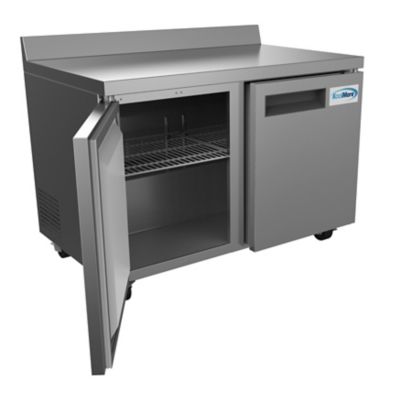
Upright stainless steel freezers bring extra frozen-food storage into a kitchen, pantry, utility room, or other suitable space without spreading everything across the wide footprint of a chest freezer. Their vertical layout puts shelves, baskets, and door compartments within easy reach, making it simpler to separate ground beef from vegetables, find a casserole, or grab breakfast sausage before heading out to do chores. For households that bring home large grocery orders or freeze portions from a garden or livestock harvest, that organization can make everyday meal preparation less of a rummage. Capacity is generally listed in cubic feet, with compact upright freezers often falling around 6 to 8 cubic feet, midsize units around 11 to 14 cubic feet, and larger units at 16 to 19 cubic feet or more. Those ranges offer a starting point, but shelf spacing and interior layout matter just as much as the total number. A freezer holding mostly flat packages of meat has different storage needs from one filled with tall containers, whole poultry, and covered baking dishes. Adjustable shelves can accommodate changing loads, while pullout baskets help keep smaller packages from disappearing behind larger ones. Interior lighting makes labels easier to read, especially toward the back of a deep shelf. Stainless steel doors give these appliances a clean, practical appearance that fits alongside many kitchen appliances and utility-room fixtures. Construction varies, though: a stainless steel door does not necessarily mean the cabinet sides or interior are stainless steel, and a stainless-look finish is not the same material as solid stainless steel. Finish details also vary, including brushed surfaces and fingerprint-resistant coatings. For a busy household, the appeal is straightforward: more room for food, an orderly view of what is inside, and a surface that can be maintained with routine care. An upright stainless steel freezer can serve as the main frozen-food appliance in a smaller home or provide dedicated overflow space alongside a refrigerator-freezer.
Fit goes beyond whether an upright freezer will slide into an open corner. Overall height, width, and depth need to work with the room, but the handle, hinge position, ventilation clearance, and door swing also affect how comfortably the appliance fits into daily routines. A narrow pantry may have enough floor space for the cabinet yet leave too little room to open the door far enough to remove a basket. A nearby counter or doorway can create the same problem. Reversible doors, where offered, provide another placement option, though reversal requirements depend on the appliance. The delivery path matters, too, particularly in homes with tight turns, narrow entry doors, or stairs between the entrance and the intended location. A level floor that supports the loaded appliance helps the door close properly and keeps shelves sitting evenly. Electrical requirements should match the installation instructions, with a properly grounded outlet positioned so the freezer can connect without an extension cord. Placement in a garage requires closer attention to the appliance’s stated operating limits. A garage-ready upright freezer is designed for a specified range of surrounding temperatures; the label does not mean every unit can handle every garage environment. The manufacturer’s operating range is the deciding detail, rather than a universal temperature claim. For food storage, a freezer setting of 0°F or below is the standard target, and a separate appliance thermometer makes it easier to check conditions inside. Digital controls can simplify adjustments, while temperature alarms and door-open alerts can call attention to a problem before it goes unnoticed for long. Convertible upright units add another option by switching the entire compartment between freezer and refrigerator operation. That flexibility can suit households whose storage needs change, but it generally means choosing one mode at a time, not keeping frozen meat and refrigerated drinks at their respective temperatures in the same compartment. Controls, alarms, conversion options, and garage suitability differ among appliances, so these features deserve attention alongside size and finish.
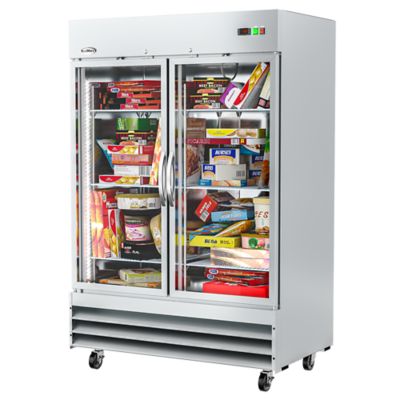
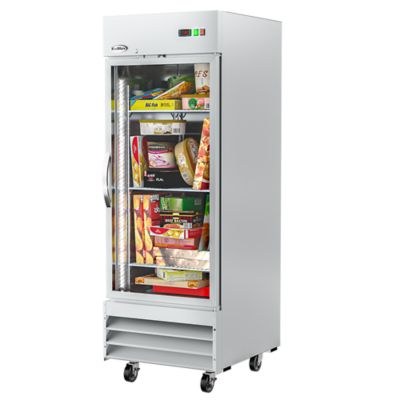
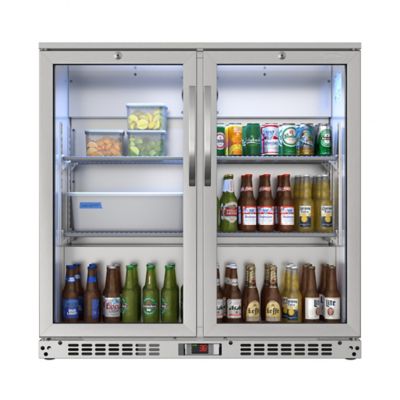
Day-to-day care and storage habits help an upright stainless steel freezer keep doing its job over the long haul. Frost-free operation manages frost through automatic defrost cycles, reducing the need to empty the cabinet for routine ice removal. Manual-defrost freezers require planned defrosting as frost accumulates, following the appliance instructions and keeping food safely frozen elsewhere during the process. Neither design replaces good packaging: freezer-safe containers and tightly wrapped portions help limit moisture loss and freezer burn. Flat packages stacked neatly, clearly marked dates, and separate areas for meat, vegetables, and prepared meals make the interior easier to manage. Leaving vents clear allows air to circulate, and staying within shelf and bin load limits helps protect those components. Door storage also works best when packages sit securely without interfering with the seal. A gasket kept free of crumbs and spills helps the door close snugly; cracks, gaps, or persistent frost near the opening can signal that the seal needs attention. For the exterior, a soft cloth and a cleaner approved for the finish are sensible choices. Wiping with the grain on brushed stainless steel helps maintain its appearance, while abrasive pads and harsh chemicals can damage the surface or its coating. Fingerprint-resistant finishes may reduce visible smudges, but they still need cleaning and may have their own care requirements. Accessible components such as removable baskets and shelves can make spill cleanup less of a chore, and condenser cleaning should follow the manufacturer’s directions where applicable. For households putting away homegrown produce, hunters organizing packaged game, or families preparing several meals at once, a well-arranged upright freezer keeps the work of filling it from turning into the work of searching it. Solid-door storage suits food kept out of sight; for settings where seeing contents before opening the door is a priority,
Commercial Glass Door Freezers provide a different format to consider, with suitability depending on the intended setting. The right upright stainless steel freezer balances usable shelf space, room fit, straightforward controls, and manageable upkeep, giving everyday food storage a practical place in the home.