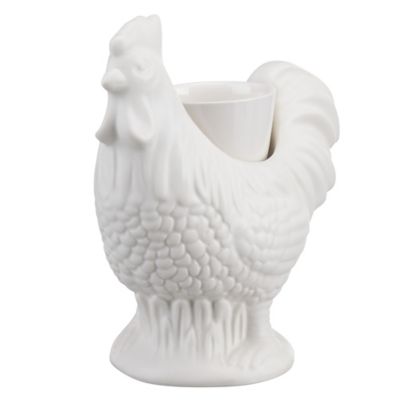
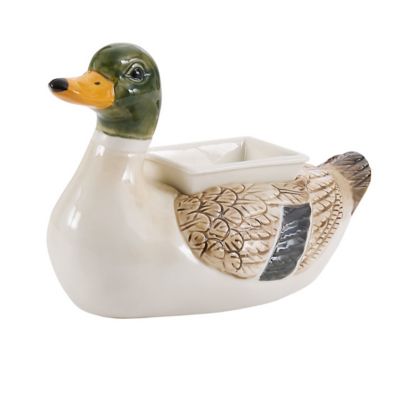
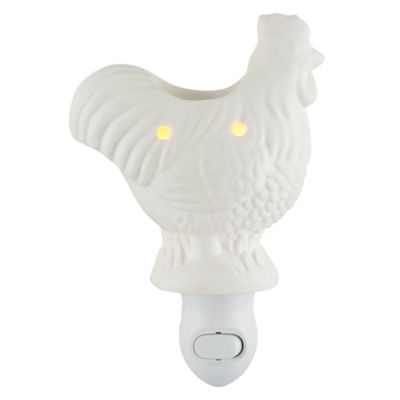
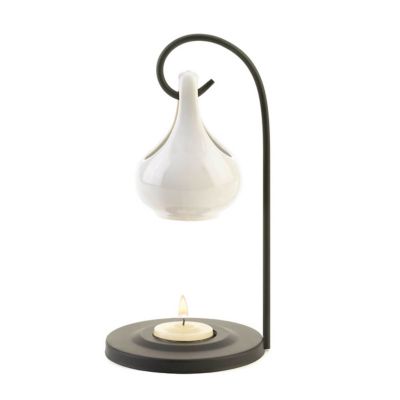
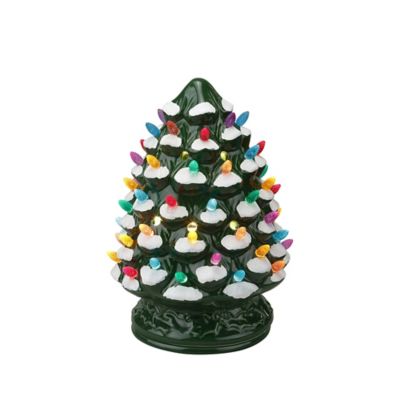
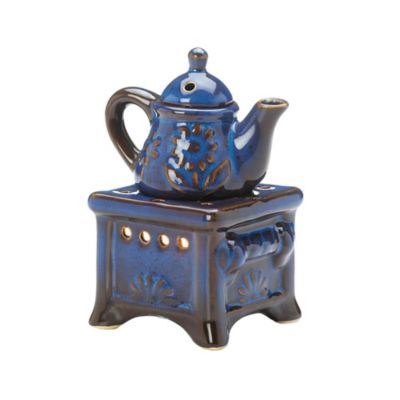
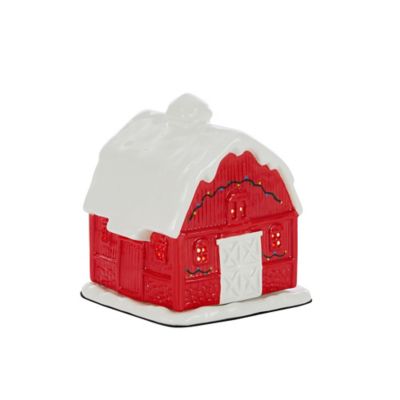
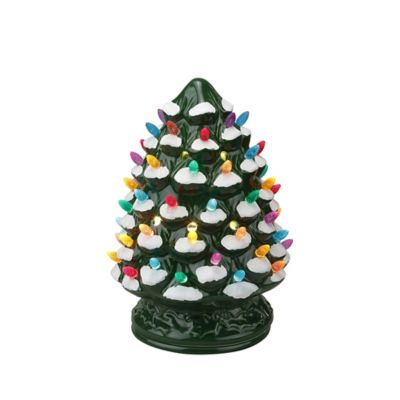
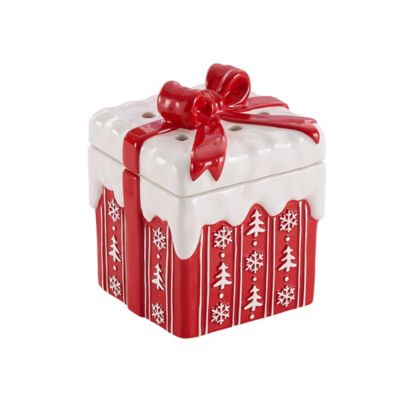
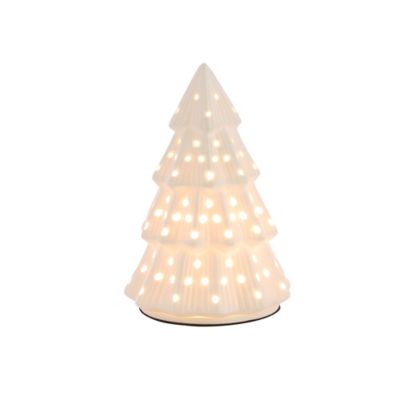
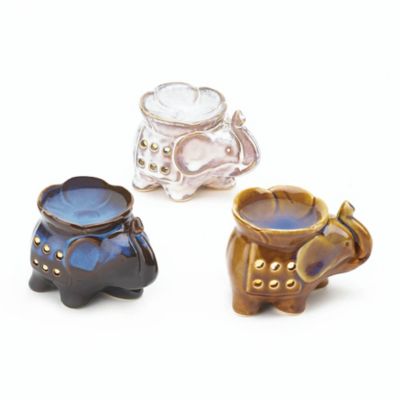
Ceramic wax warmers hold scented wax melts in a dish and apply gentle heat so the wax softens and releases fragrance into the room. They bring scent to everyday spaces, whether that means a kitchen counter beside the coffee station, a living room side table, or a home office tucked away from the household bustle. Electric ceramic wax warmers heat wax with a warming plate or a bulb, depending on the design, and do not need an open flame. Tealight-powered ceramic warmers work differently: a small candle sits below the wax dish, so those styles do involve an open flame and call for candle safety precautions. That distinction matters more than the shape or color when choosing a warmer for a particular spot. Ceramic bodies can have smooth glazed surfaces, textured finishes, cutout patterns, or simple shapes that fit comfortably alongside wood furniture, painted cabinets, and stone countertops. A neutral finish can blend into a busy kitchen, while a patterned piece can stand out on an otherwise plain table. The ceramic body gives the warmer its shape and appearance, but the heating method, dish design, and controls determine much of the everyday experience. Some electric styles give off a soft glow through openings in the body; others focus on warming wax without much visible light. A glowing warmer can add a little atmosphere beside a reading chair, though it should not take the place of proper task lighting. Fragrance comes from the wax rather than the ceramic itself, which leaves room to switch between fresh, floral, woodsy, or food-inspired scents without replacing the warmer. Scent strength depends on the wax formula, the amount in the dish, airflow, and room size. A fragrance that feels noticeable in a small entryway may seem much lighter in an open living area, and a larger warmer does not automatically mean a stronger scent.
The best fit starts with the space the warmer will occupy and how it will fit into daily routines. A tabletop ceramic wax warmer needs a level, heat-resistant surface with enough clearance around it, not a narrow shelf where a passing elbow could knock it over. In a kitchen, a spot away from the sink, food preparation, and the edge of the counter makes more sense than squeezing it between everyday tools. For electric designs, outlet location and cord length matter, especially around walkways or places where children and animals can reach. Wall-outlet styles, where offered, need a compatible outlet orientation and enough surrounding clearance to sit as the maker intends. Dish capacity is another practical consideration: a deeper bowl may hold more wax, but the fill limit still applies, and a full dish can spill when moved. Removable dishes can make scent changes and cleanup simpler, while an integrated bowl means the entire unit needs careful handling during cleaning. Some warmers pair a ceramic body with a flexible wax liner or another dish material, so checking the construction helps set expectations for care. Bulb-heated designs may also cast light, and replacement bulbs must match the type and wattage specified for that warmer. A bulb that fits the socket is not necessarily the right one for the job. Plate-heated designs do not depend on a fragrance-warming bulb, though the housing and dish can still become hot. Switch placement, indicator lights, and automatic shutoff features can make operation more convenient; a timer is a helpful feature, not a reason to leave the unit running unattended. Wax-only warmers should hold wax melts, not water, loose herbs, or fragrance oils unless their directions expressly allow those materials. Despite the shared material, wax warmers have a different job than
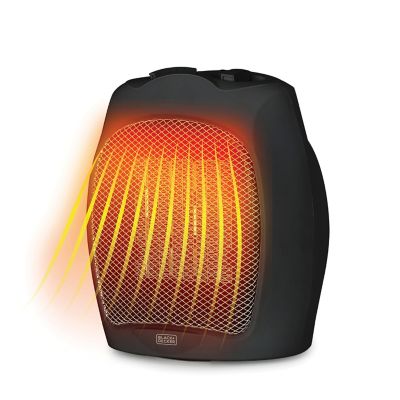
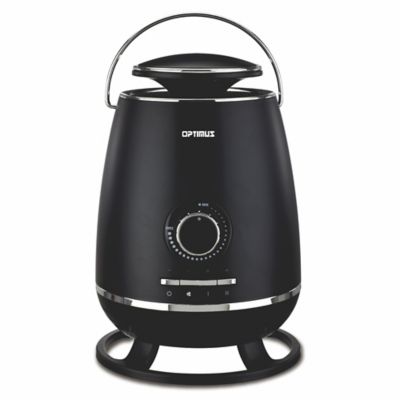
Ceramic Heaters: they release fragrance from wax rather than provide room heating. Matching the appliance to its intended task keeps expectations straightforward.
Ceramic offers plenty of character, but it still calls for sensible handling. Glazed surfaces are often easy to wipe once the warmer has cooled, while raised patterns and openings can take a little more attention to keep free of dust. Like other ceramic household pieces, a warmer can chip or crack if dropped, struck against a hard edge, or exposed to sudden changes in heat. A substantial base may feel steady on a table, but it is not protection against a fall. Care depends on the complete construction, not just the outer shell: an electric base contains components that should stay dry, and a removable dish is not automatically dishwasher-safe. The maker’s cleaning directions should settle those details. Before changing wax or cleaning, switch off and unplug an electric warmer, or extinguish the tealight in a candle-powered style, then allow the unit to cool as directed. Hardened wax may release from some dishes or liners, but sharp tools can scratch the finish or damage the bowl. Melted wax belongs out of sink drains, where it can harden and contribute to clogs. Wax melts generally lose their fragrance before the wax itself disappears, so a dish that still looks full may be ready for a scent change rather than another cube piled on top. Keeping the dish below its fill line helps prevent spills. Placement matters just as much over time: curtains, papers, bedding, and other combustible materials need to stay clear, and children and pets should not be able to reach hot wax or chew a cord. Fragrance preferences deserve consideration, too, especially in shared rooms or homes with scent-sensitive people and animals. A wax warmer adds fragrance; it does not clean the air or replace cleaning and ventilation. For a housewarming or a gift for someone who enjoys home fragrance, a ceramic warmer can be a thoughtful choice when its appearance, heating method, and care needs suit the recipient’s routine. A simple finish and easy-to-handle dish can be just as welcome as an eye-catching pattern, particularly when the warmer has a sensible place to sit.