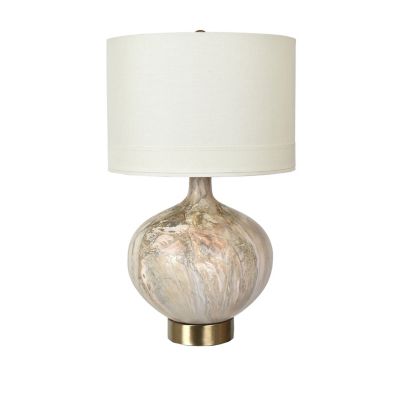
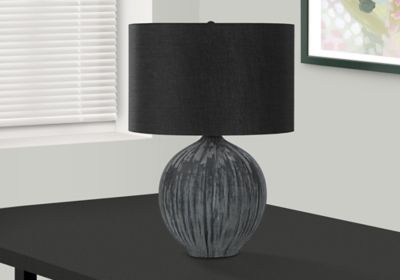
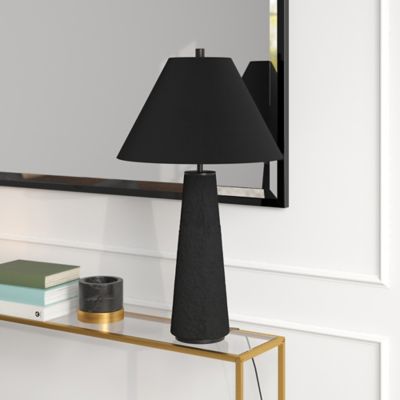
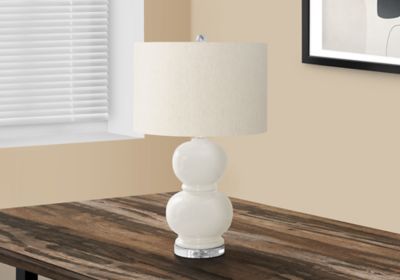
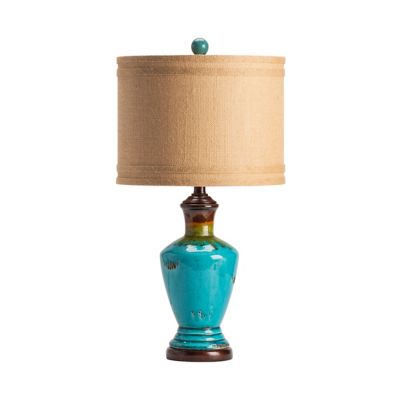
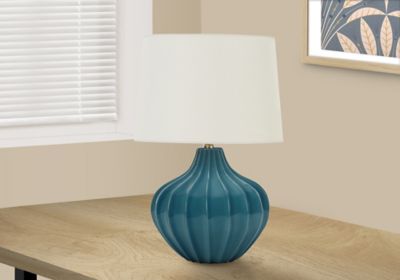
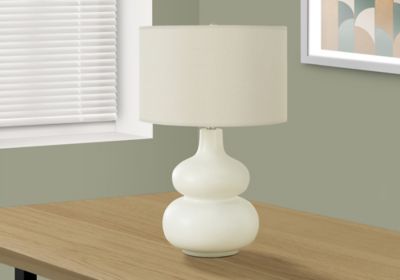
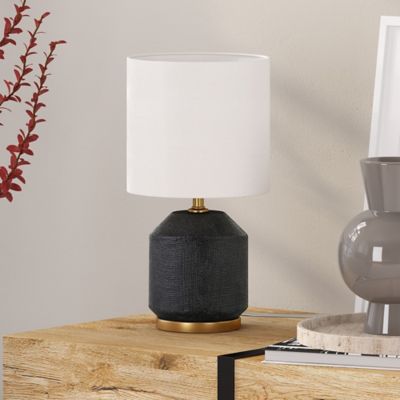
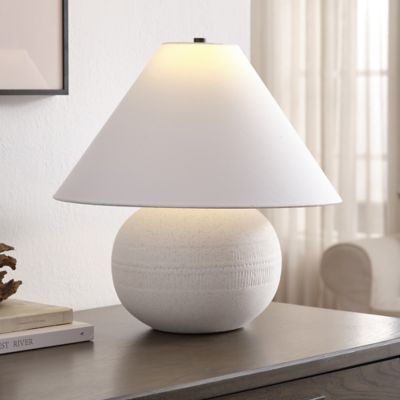
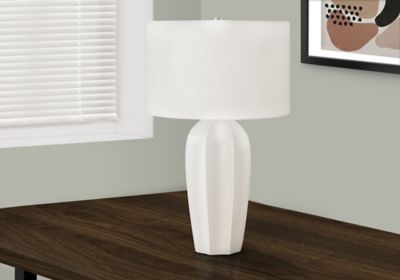
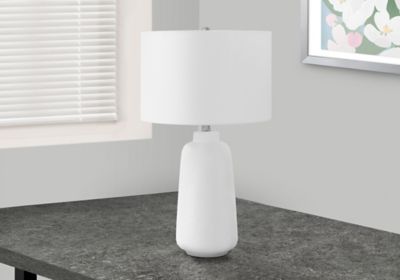
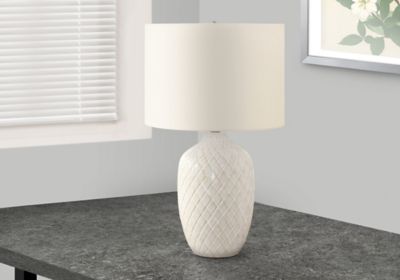
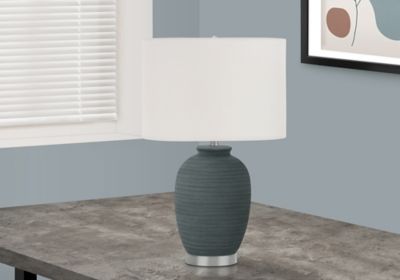
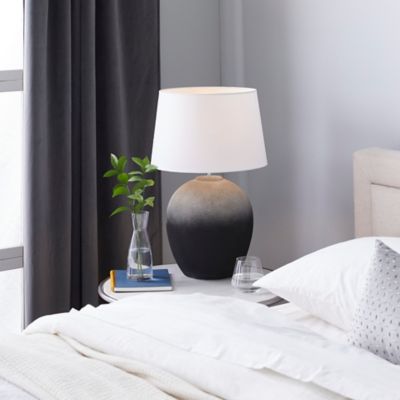
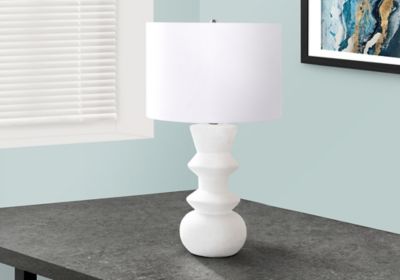
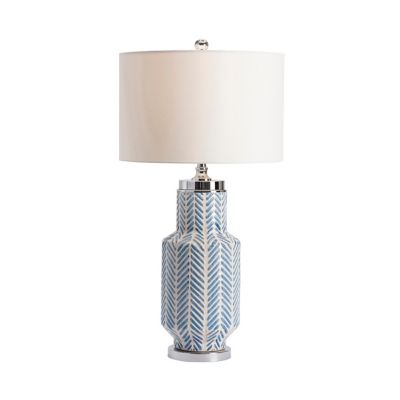
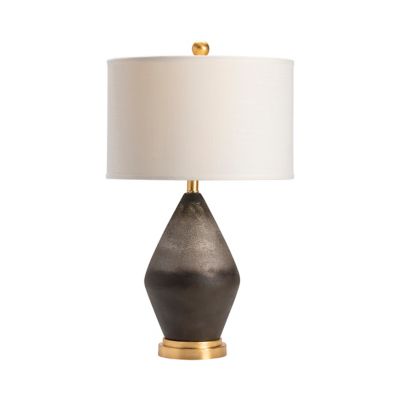
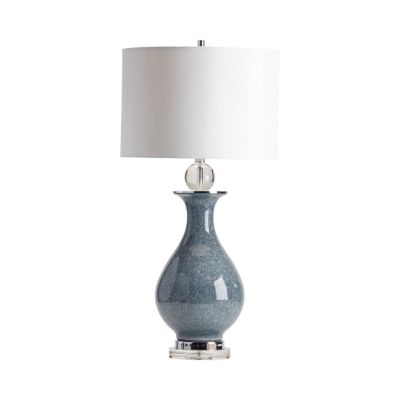
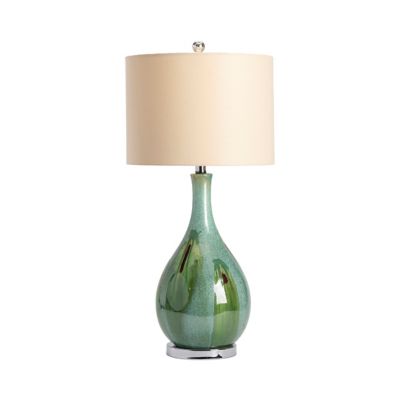
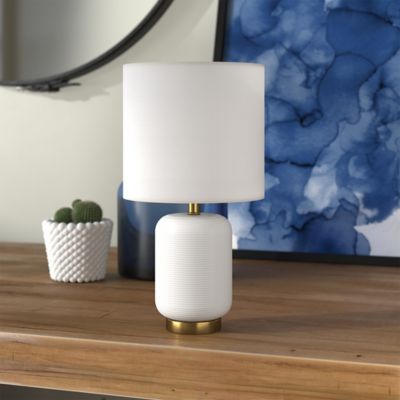
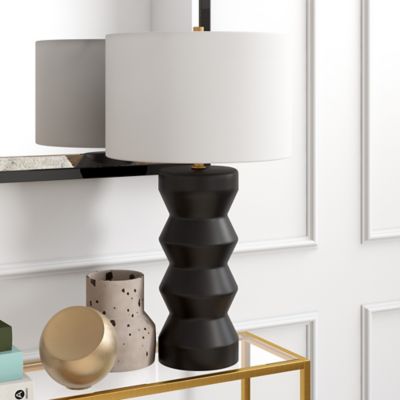
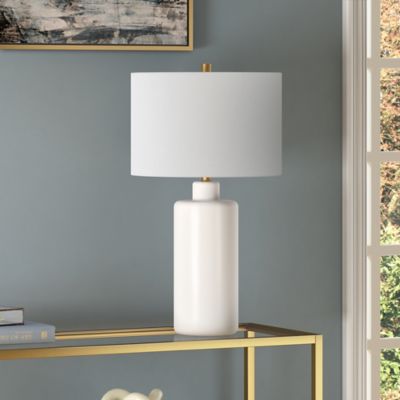
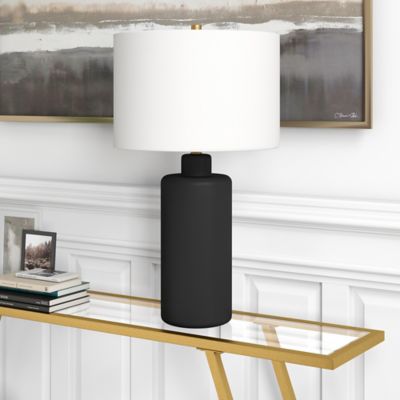
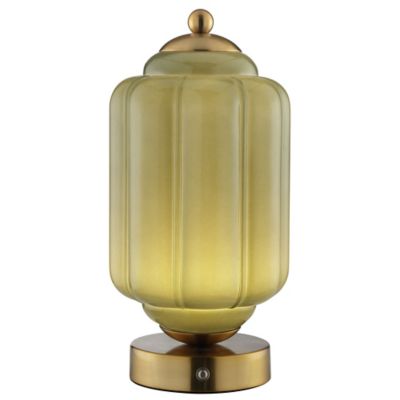
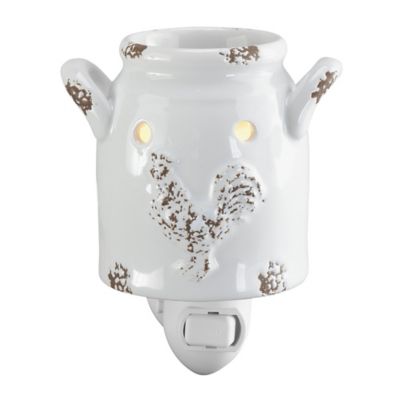
Small ceramic lamps bring a soft pool of light to the places where a full-size lamp would feel like too much. Their smaller footprint works well on a nightstand, entry table, kitchen sideboard, reading nook, office shelf, or end table beside a favorite chair. Ceramic adds visual weight without making a room feel crowded, while the lamp’s glow can take the edge off a dark corner during the cooler months. In a farmhouse, cabin, apartment, or country home, this kind of lamp can help make everyday spaces feel more settled and welcoming. Place one beside the bed for a gentle light when you are winding down, near the front door to brighten the spot where keys and mail collect, or on a side table where family and guests gather after supper. A smaller lamp also works nicely in rooms with low furniture, narrow shelves, or limited floor space. When choosing one, start by measuring the surface where it will sit. Leave enough room for the base, the cord, and anything else that needs to stay within reach. The lamp should feel steady on the table, with the shade sitting at a comfortable height for the person using the space. If it will be placed beside a chair, check that the bulb is not shining directly into your eyes. A warm-toned bulb can create a mellow evening glow, while a brighter bulb may be better for reading, sorting paperwork, or tending to a little task. Always match the bulb to the lamp’s stated size and wattage limits, and keep fabric, paper, bedding, and other heat-sensitive items clear of the bulb and shade.
Ceramic lamps come in a range of shapes, finishes, colors, and shade styles, so consider the feeling you want the room to have before making a choice. A simple rounded base can soften a room filled with wood, metal, and straight lines. A lamp with a taller profile may help balance a low table, while a shorter shape can tuck neatly beneath a shelf or beside a bed. Light colors can keep a small space feeling open, and deeper shades can bring a grounded look to a room with pale walls or natural wood. Think about the other finishes already in the space, including cabinet hardware, picture frames, curtain rods, and nearby furniture. The lamp does not need to match every piece, but it should sit comfortably among them. A fabric shade can spread light across a wider area, while a more focused shade may direct the glow downward for reading or close-up work. Details such as the switch location, cord length, shade size, and outlet position matter more than they may seem, especially when the lamp will sit behind a bed or in a corner with limited access. If a room already has plenty of color or pattern, a quieter lamp shape may help keep the setting from feeling busy. If the room feels plain, a ceramic base with a little texture or a richer tone can add interest without taking over the space. For a room with darker furnishings, compare the lamp’s finish in both daylight and evening light, since ceramic can look different as the sun moves across the room. If you are drawn to a different material for another room, browse
Metal Lamps for another way to add light to a table, shelf, or bedside spot.
Small ceramic lamps also make thoughtful gifts for someone settling into a new home, setting up a guest room, refreshing a bedroom, or creating a quiet place to read. They can suit a housewarming gift, a college apartment, a first home, or a room that needs a little more evening light. A lamp is especially useful for someone who enjoys a warm, low glow rather than relying on a bright overhead fixture. For a guest room, it gives visitors an easy light to reach from bed without having to cross a dark floor. In a nursery or child’s room, keep the lamp well out of reach and follow all safety directions, since cords and hot bulbs should never be accessible to young children. In a bedroom, place the lamp where its switch can be reached without stretching across the mattress or knocking over nearby items. On a desk or worktable, leave room for notebooks, tools, or a cup of coffee, and position the lamp so your hand does not cast a shadow across the work area. In an entryway, keep the base away from the edge of the table and route the cord along the back where it will not catch on coats, bags, or boots. Dust the ceramic and shade with a soft, dry cloth, and unplug the lamp before wiping any part of it. Avoid placing it where splashes, condensation, or heavy moisture can reach the socket. A little thought about placement helps the lamp work better and keeps the surrounding space neat. From early fall evenings when the sun slips away sooner through the first cold nights of winter, a small ceramic lamp can lend a steady, comfortable glow to the daily rhythm of home.