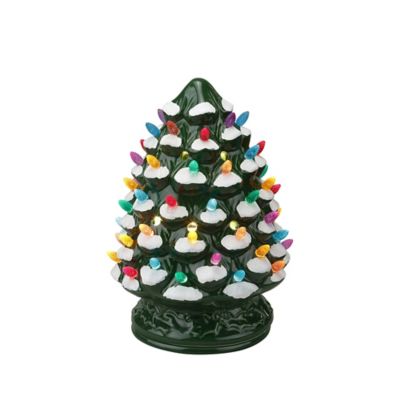
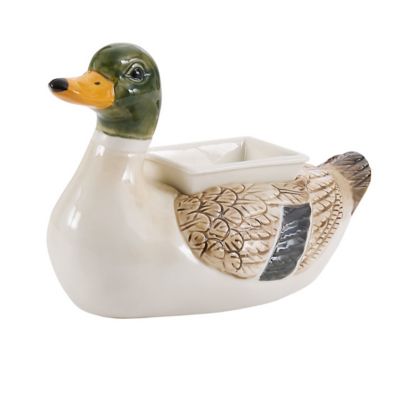
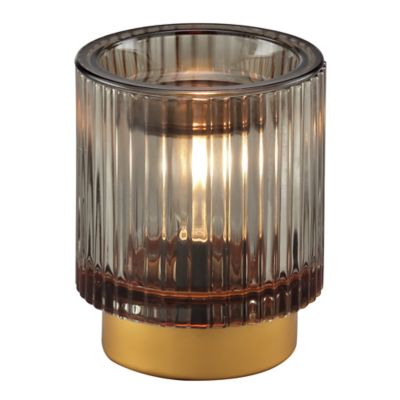
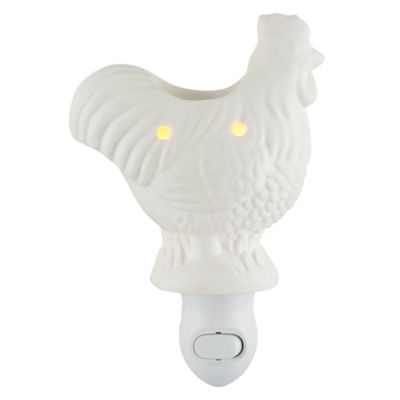
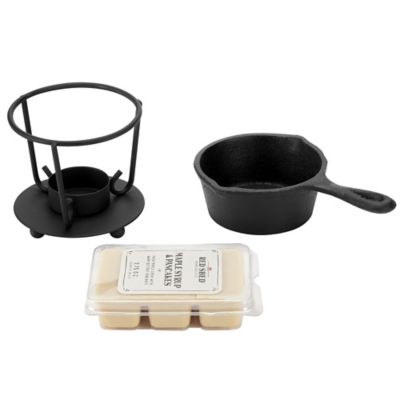
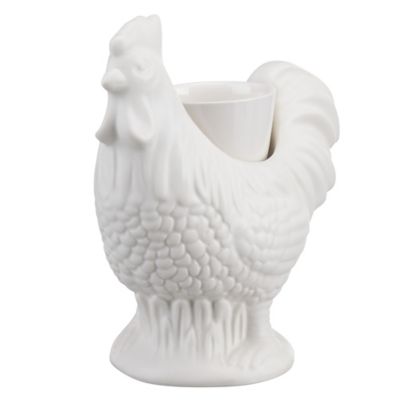
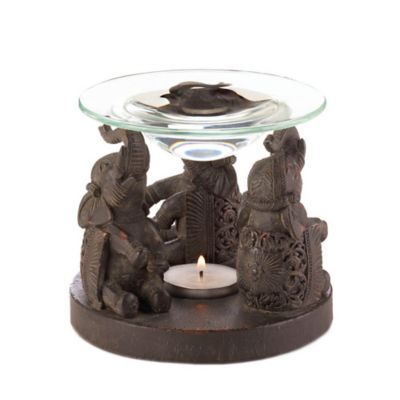
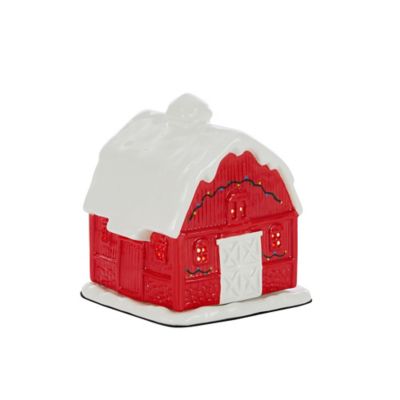
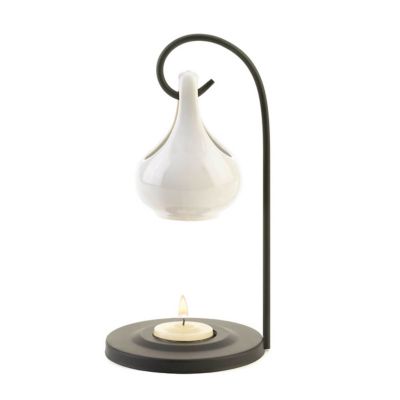
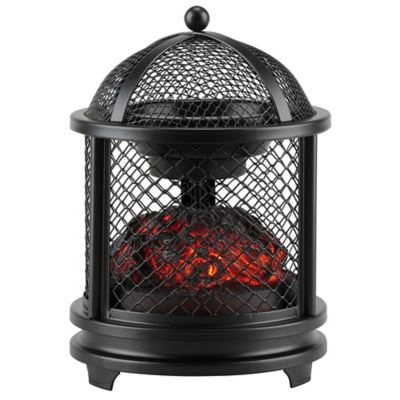
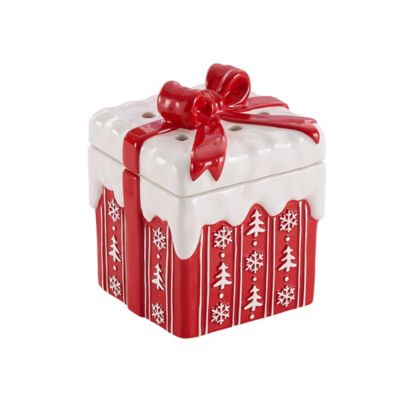
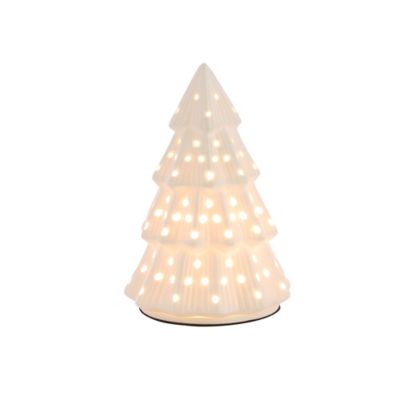
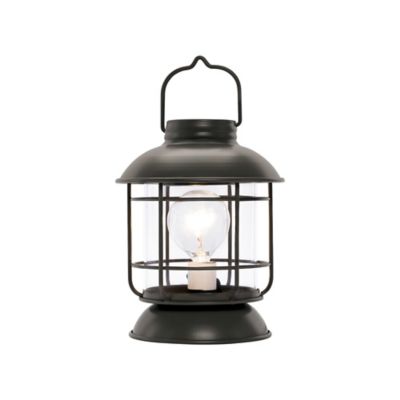
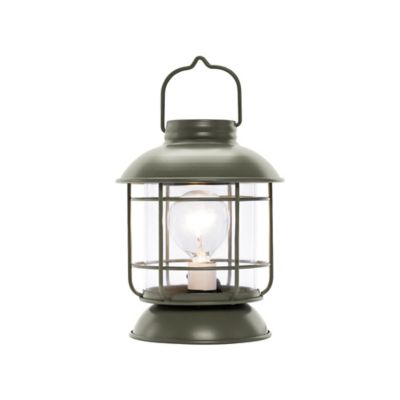
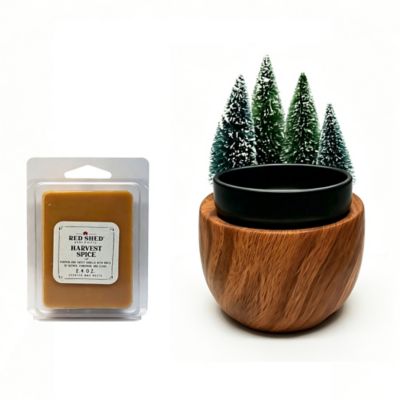
Wax fragrance warmers heat scented wax in a dish, allowing its fragrance to spread through a room without burning the wax itself. Electric models supply heat through a warming plate or a heat-producing bulb, while tea-light styles hold a small candle beneath the dish. That distinction matters: an electric wax warmer operates without an open flame, but a tea-light warmer does not. Both require care around hot wax and heated surfaces. As the wax melts, its scent gradually fills the surrounding space, making these warmers a fitting choice for living rooms, entryways and other indoor gathering spots. A gentle fragrance near the mudroom can help create a welcoming first impression, while a warmer on a suitable living room table can add scent where the family settles in after chores. The right match depends on more than the size of the dish. Room layout, airflow, wax formula and the amount of wax all affect how noticeable the fragrance becomes. A scent that seems strong in a small sitting room may be much lighter in an open kitchen and dining area. Adding more wax is not always the answer, especially if doing so would exceed the warmer’s fill limit. Start with the amount recommended by the manufacturer and give the wax time to melt before deciding whether the scent suits the space. Wax stays in the dish as its fragrance fades, so a full pool of melted wax does not necessarily mean plenty of scent remains. Turning up the heat beyond the intended setting will not restore spent fragrance. For everyday household use, a warmer offers a way to enjoy scent without tending a candle wick, though it still needs a safe location and attention while operating. Fragrance also does not replace cleaning, ventilation or taking care of the source of an unpleasant smell.
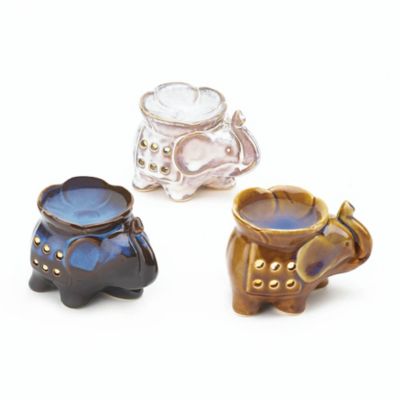
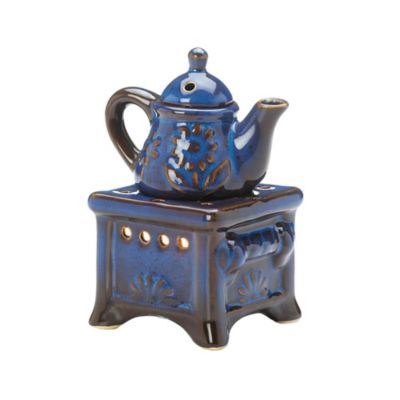
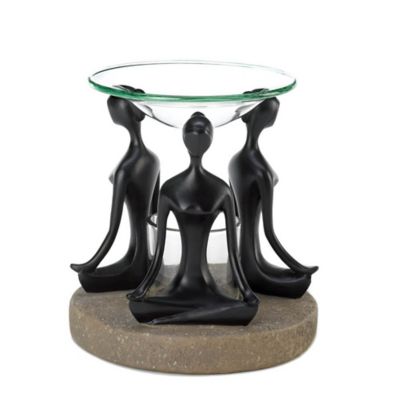
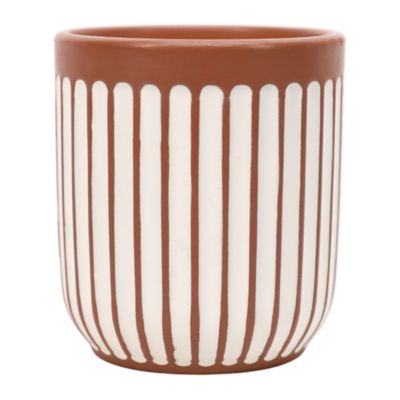
Materials, dimensions and heating style all deserve a look when choosing a wax fragrance warmer. Ceramic bodies can have smooth glazed finishes, textured surfaces or simple shapes that fit comfortably alongside wood furniture and stoneware. Glass elements may let light shine through, while metal housings bring a different look and feel. Appearance is only part of the decision, though. Ceramic and glass can chip or crack if dropped, and metal components may become hot during operation. A steady base, an intact dish and a finish that can be wiped according to the care directions matter more than a design that merely looks right on a shelf. Check the warmer’s full footprint, including room for its cord, rather than judging fit by the wax dish alone. A narrow ledge beside a busy doorway is a poor spot for hot wax, even when the base technically fits. Choose a level, heat-resistant surface away from shelf edges, curtains, paper and anything that could knock the warmer over. Keep cords out of walking paths and away from water, and leave the clearance specified in the instructions. Plug-in styles also need an outlet positioned so the warmer stays upright and clear of nearby objects. In homes with children or animals, placement should account for reaching hands, wagging tails and climbing cats. No fragrance setup should be assumed suitable for every pet; follow scent precautions and seek veterinary advice when needed. Heating controls vary by design, with some warmers incorporating switches, timers or adjustable settings. A timer can help manage a scent session, but it does not replace supervision or the manufacturer’s operating limits. For bulb-heated warmers, match replacement bulbs to the stated type and wattage. An ordinary bulb with a similar shape may not provide the intended heat, and a higher wattage can create a hazard. Choose a warmer intended for scented wax rather than assuming any heated dish will do.
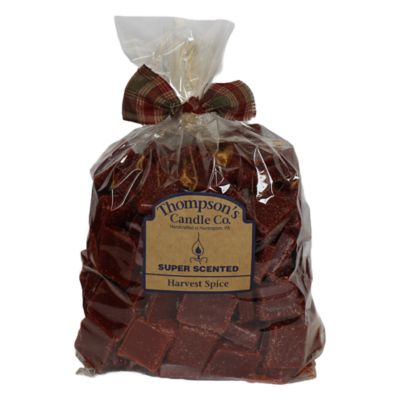
Day-to-day care is usually straightforward when the wax dish is easy to reach and the controls are simple to operate. Follow the warmer’s directions for adding wax, and keep the amount below the stated maximum so melted wax has room without spilling over. Do not add water, fragrance oil or other liquids unless the appliance instructions expressly allow them. Pair the warmer with
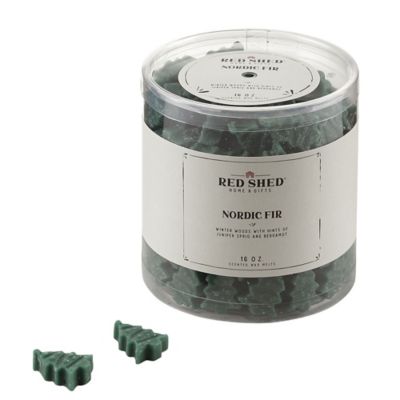
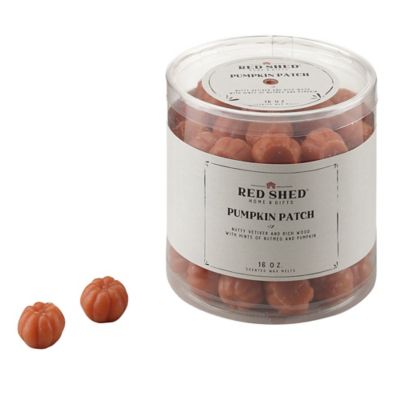
Fragrant Wax Melts intended for this type of heating, checking both the wax packaging and warmer directions for compatibility. Scent selection comes down to the room and the people sharing it. Cedar and other wood notes can suit a den with leather seating and pine furniture, while citrus or light floral scents may fit an entryway without overwhelming it. Vanilla and bakery-inspired fragrances bring another option for gathering spaces, though a lighter amount is often a better starting point around anyone sensitive to scent. Introduce one fragrance at a time rather than layering several strong scents across adjoining rooms. When changing wax, switch the warmer off, unplug electric models and follow the recommended removal method. Never move a warmer while its wax is liquid, and never pour wax into a sink or drain. Let components cool before handling or wiping them, keep the electrical base out of water and check whether a removable dish has separate washing instructions. Avoid scraping glazed or glass surfaces with sharp tools, and stop operating a warmer with a cracked dish, damaged cord or other visible damage. These habits help protect the finish and keep everyday upkeep manageable. A wax warmer can also make a thoughtful housewarming, birthday or host gift for someone who enjoys home fragrance. Consider the recipient’s available counter space, access to an outlet, scent preferences and comfort with routine care. A simple shape and easy-to-handle dish can be more useful than an elaborate design, especially for someone who wants a little fragrance without adding much fuss to the day.