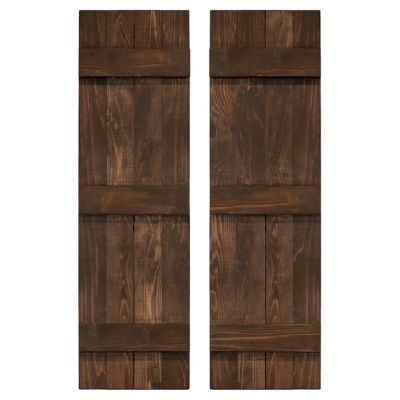
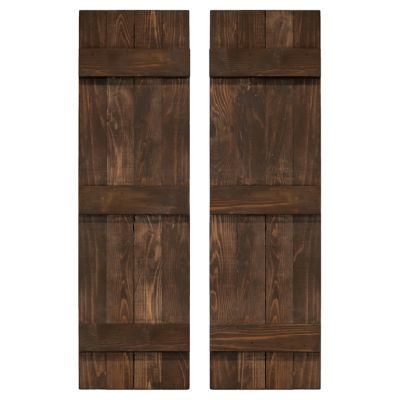
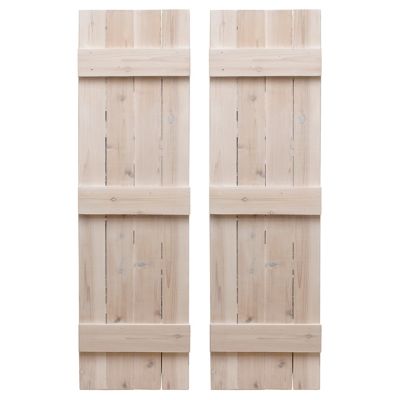
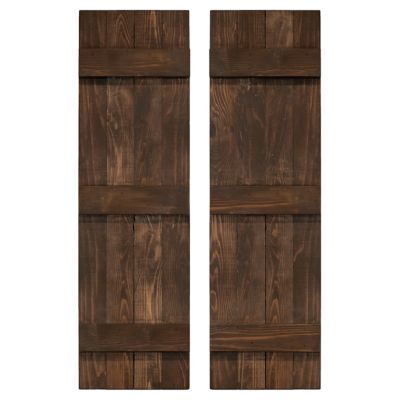
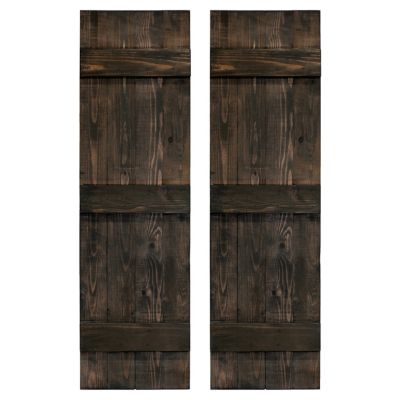
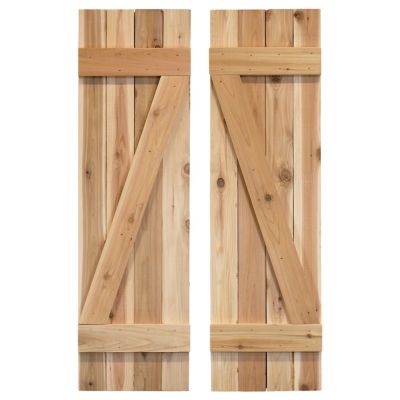
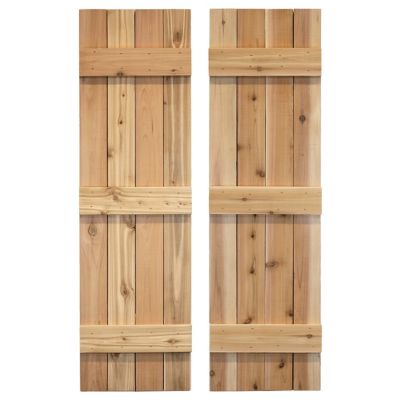
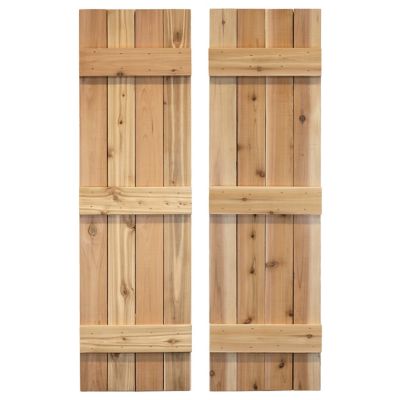
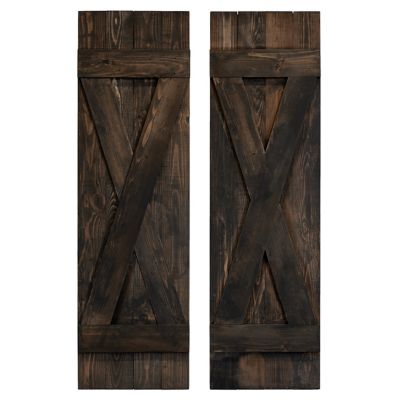
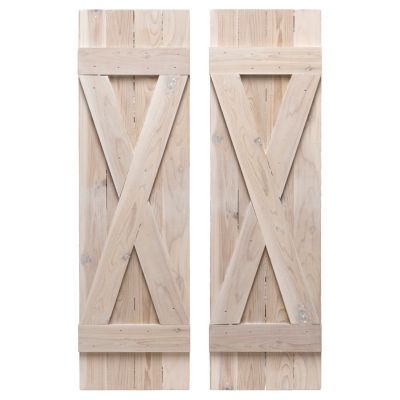
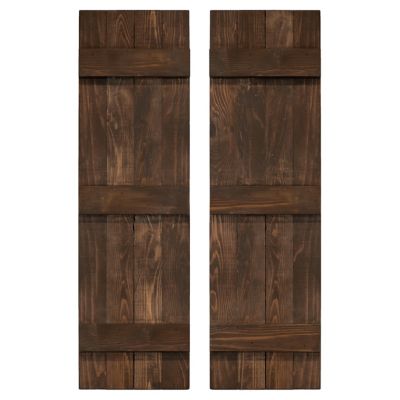
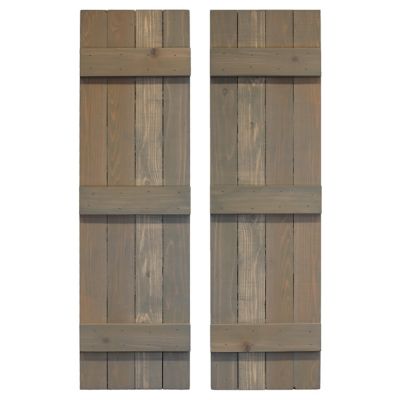
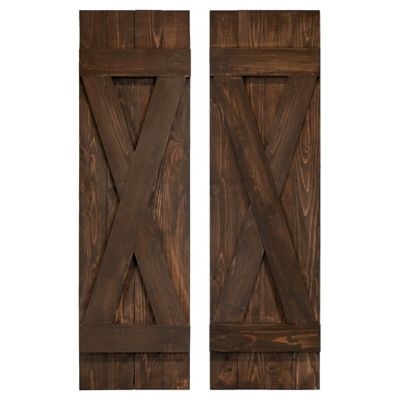
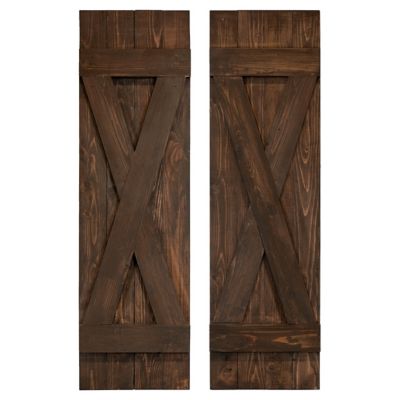
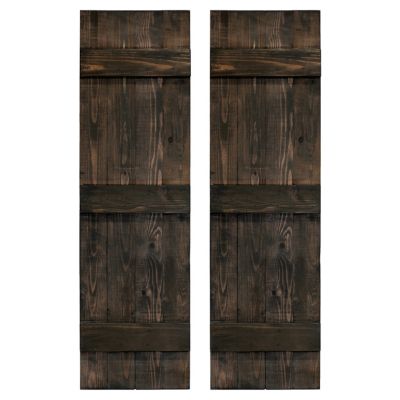
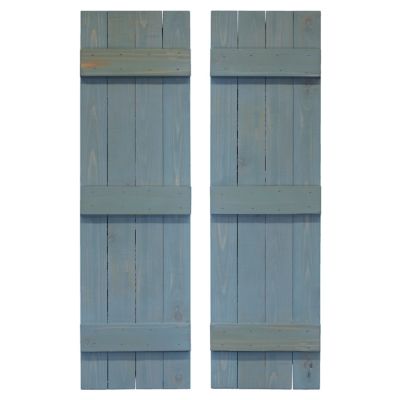
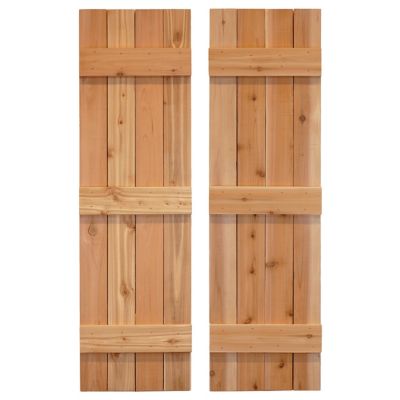
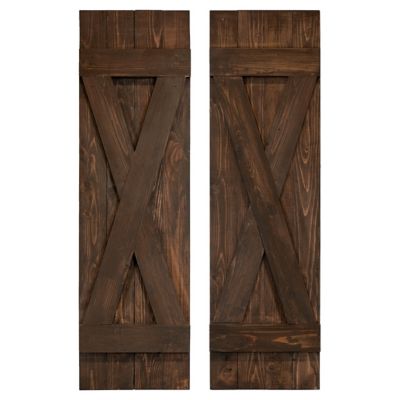
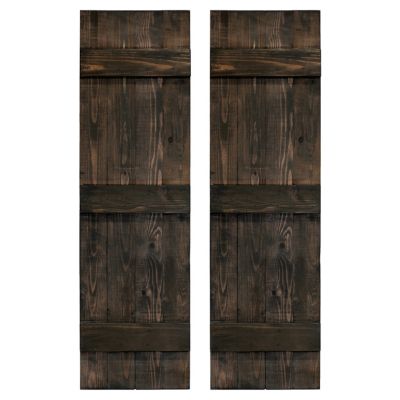
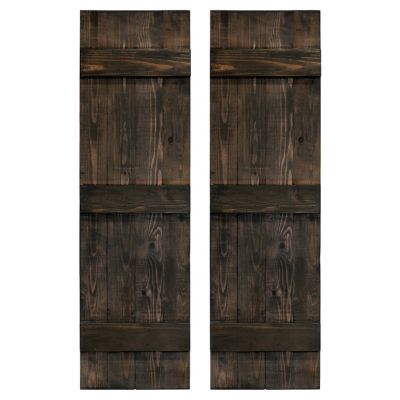
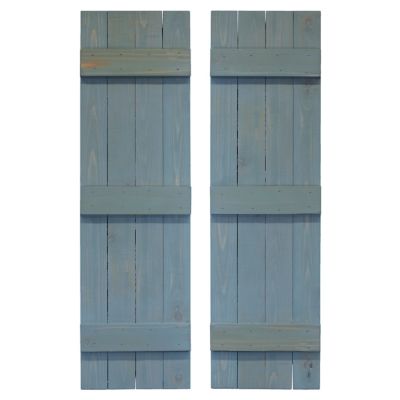
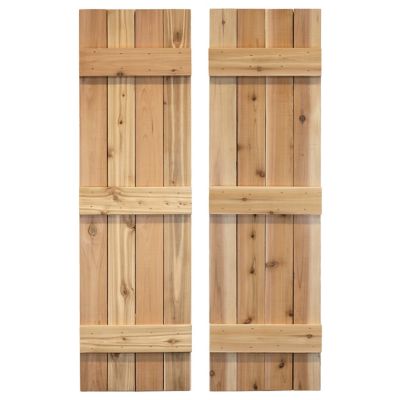
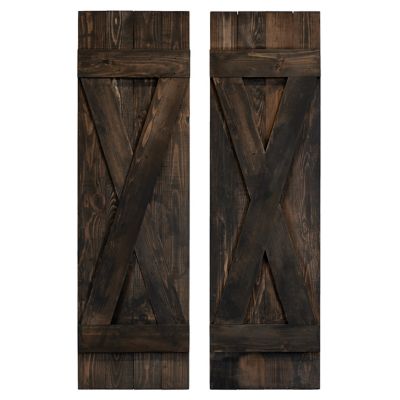
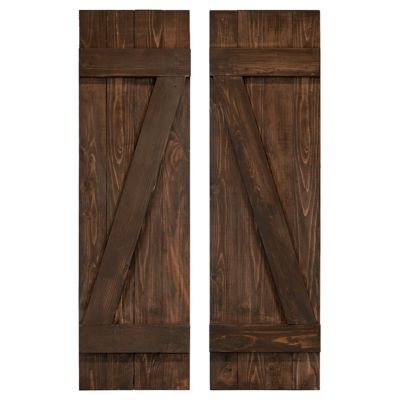
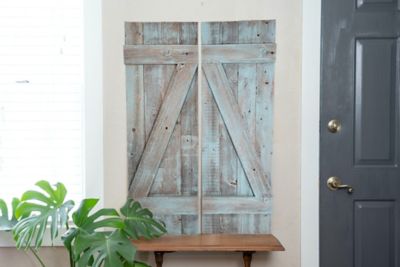
Cedar wood exterior shutters bring natural grain, warm color, and a finished look to windows on farmhouses, ranch homes, cottages, and country properties. Cedar is a relatively lightweight softwood, and naturally occurring compounds in its heartwood help resist rot, decay, and some insect damage. That resistance makes cedar a practical material for exterior woodwork, though it does not make shutters immune to moisture, movement, or neglected maintenance. The amount of heartwood, the cedar species, the construction, and the finish all affect how a shutter holds up over time. Its generally straight grain and dimensional stability can also help it keep its shape, provided the wood has been properly dried and the installation allows for normal expansion and contraction. Beyond those practical traits, cedar has a look that fits comfortably beside clapboard siding, brick, stone, or a porch lined with wood posts. Different shutter styles bring different proportions and details to that setting. Board-and-batten shutters feature vertical boards held together by horizontal battens, sometimes with a diagonal brace, for a straightforward look that suits a farmhouse or a simple country cottage. The broad boards and visible crosspieces of
Cedar Board And Batten Shutters give windows definition without adding a lot of intricate detail. Louvered shutters have angled slats that create shadow lines and, in an operable design, can allow some airflow and filtered light through the shutter. Flat-panel and raised-panel styles offer a more enclosed face, with framed sections that complement traditional trim and more formal entries. The best match depends on the house itself rather than a style name alone. A small cottage window may suit a simple, narrow profile, while taller windows beside a broad front porch can carry shutters with stronger framing and more substantial proportions. Repeating the same general style across the main exterior helps the windows feel connected, even when their sizes differ.
Fit matters just as much as appearance with exterior cedar shutters. A pair that looks too short, too narrow, or crowded against the trim can throw off the proportions of an otherwise tidy window. For shutters intended to open and close, the combined width needs to fit the opening they will cover, with allowances for the hinges, meeting edges, and operating clearance. Height also needs to match the part of the opening being covered, which may differ from the outside dimensions of the window casing. Fixed shutters do not have to close across the glass, but proportions that suggest they could cover the opening usually look more natural. On a wide picture window, narrow side shutters can look out of scale; on a window close to a corner, a full-width shutter may run into the adjacent wall or trim. These details matter on farm properties where an older house may have several window sizes or additions built at different times. Product dimensions, mounting requirements, and the available wall space deserve a close look before choosing a size. The mounting surface matters, too. Brick and masonry call for compatible anchors, while lap siding, vinyl siding, and framed walls may require different attachment methods, spacers, or mounting blocks. Fasteners need a sound attachment point rather than just a thin exterior surface. Exterior-rated hardware compatible with cedar helps limit corrosion and staining around attachment points. Operable shutters also need suitable hinges, latches, and holdbacks to keep the panels supported and positioned as intended. Cedar’s lower weight can make positioning easier than with some heavier woods, but larger panels still need hardware matched to their size and weight. Clearance for window screens, projecting sills, trim, and nearby fixtures helps prevent awkward interference. Shutters mounted only for appearance should not be counted on for security or impact protection, and operable shutters need an appropriate rating before serving any protective purpose beyond their stated design. For homeowners and contractors alike, those fit and mounting details are what turn an attractive shutter into a sensible addition to the building.
Finish choices give cedar exterior shutters a wide range of looks, from visible wood grain to a solid color that ties in with the front door or window trim. A penetrating exterior stain can bring out the grain while adding color, with the final result depending on the wood’s starting shade and the stain’s opacity. Paint covers the grain more fully and offers a crisp contrast against siding or masonry. Cedar contains extractives that can bleed through some coatings, so a compatible stain-blocking primer is often part of a painted finish system. Finish instructions matter, including requirements for surface preparation, dry wood, application, and recoating. Where the shutter maker permits it, coating all faces and edges before installation helps limit uneven moisture absorption; end grain, joints, and freshly cut areas deserve particular attention. Bare cedar offers another look, gradually shifting toward gray as the surface ages outdoors, but that change may be uneven where parts of the shutter receive different exposure. Leaving cedar unfinished is a finish choice, not a promise of maintenance-free performance. For someone who wants the original wood tone to remain visible, an exterior finish with suitable protection and a planned maintenance schedule is a better fit than expecting bare wood to stay the same color. Ongoing care is usually about small tasks before they become bigger repairs. Gentle cleaning removes dust, pollen, and buildup without gouging the grain, while harsh pressure washing can roughen the surface and drive water into joints. Occasional checks around battens, louvers, panel joints, fasteners, and lower edges can reveal loose connections, worn coatings, or areas where moisture lingers. Leaves and other debris should not remain packed behind a shutter, and mounting arrangements should allow drainage rather than trap water against the siding. Recoating needs vary with the finish and exposure, so surface condition is a better cue than a single schedule for every home. With suitable sizing, sound installation, and steady attention to the finish, cedar shutters can keep the character of real wood alongside the practical needs of everyday exterior upkeep.