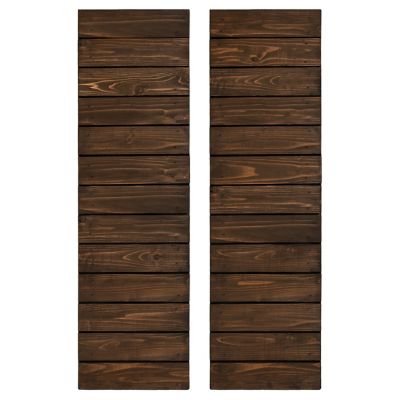
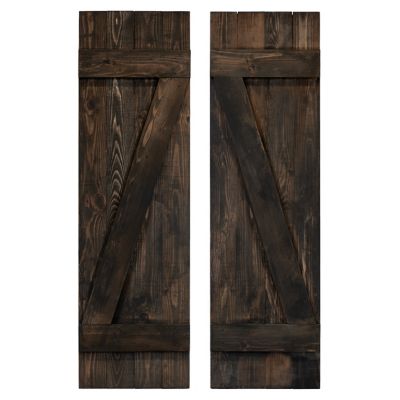
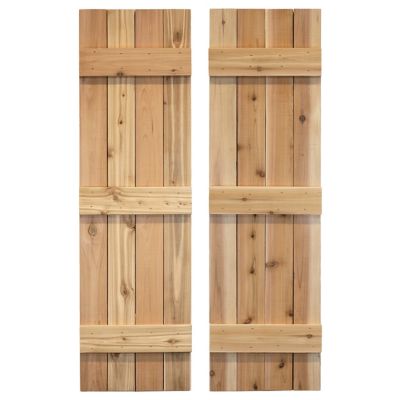
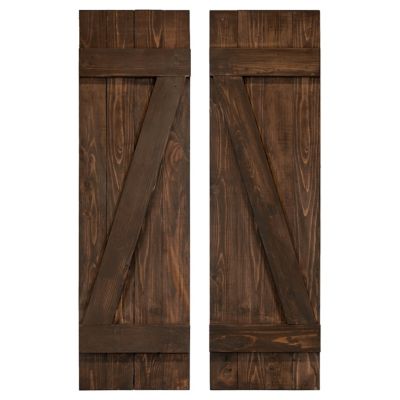
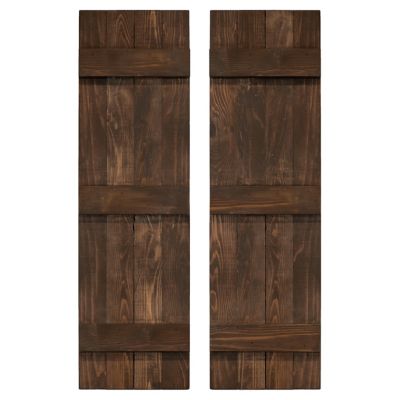
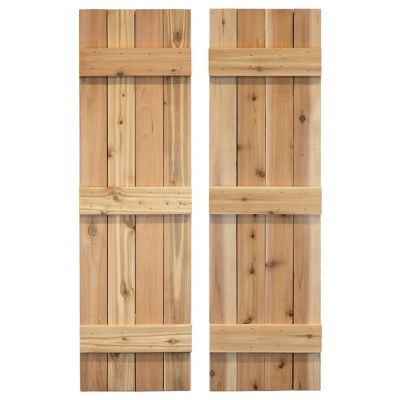
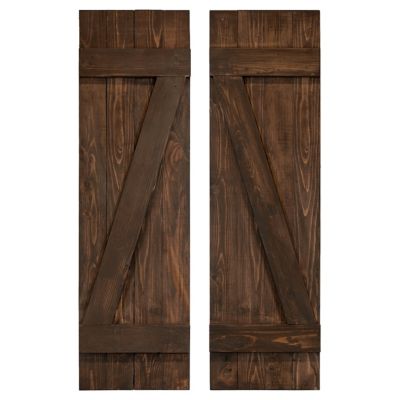
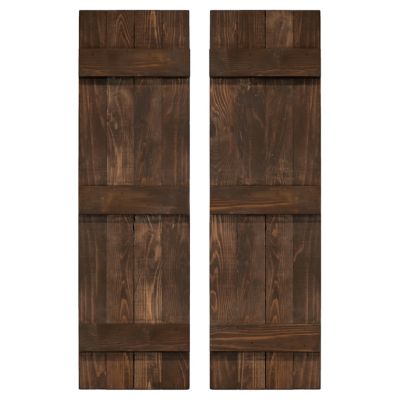
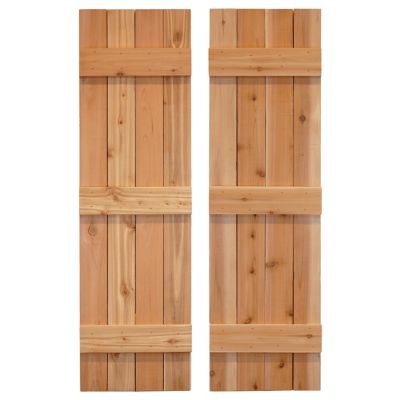
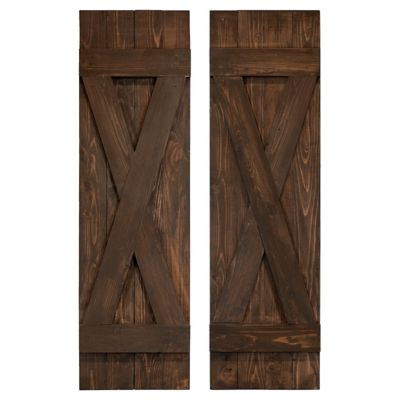
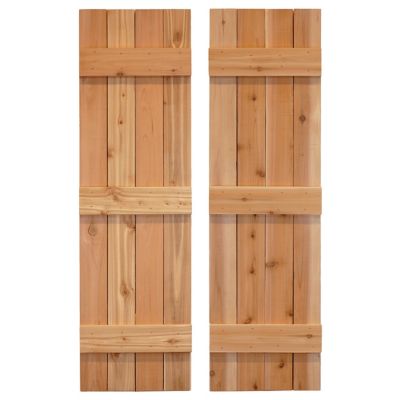
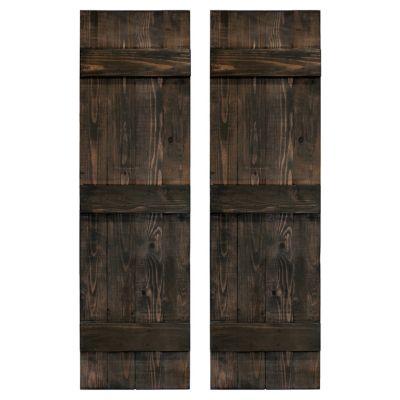
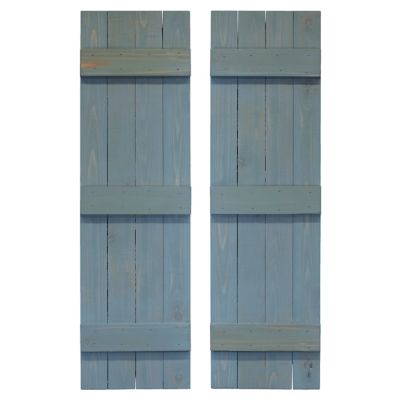
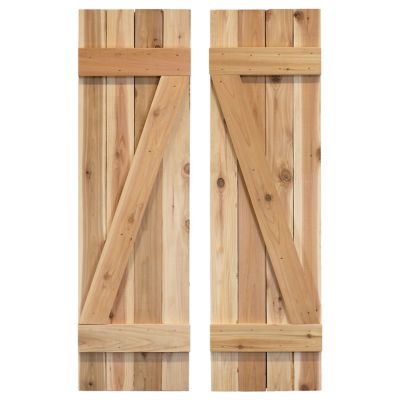
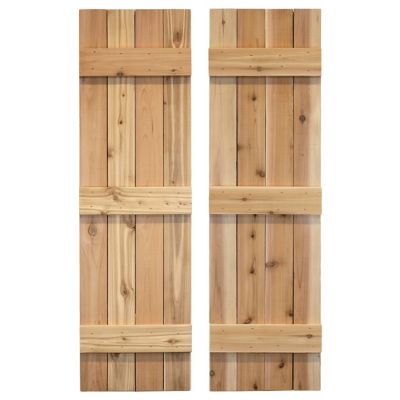
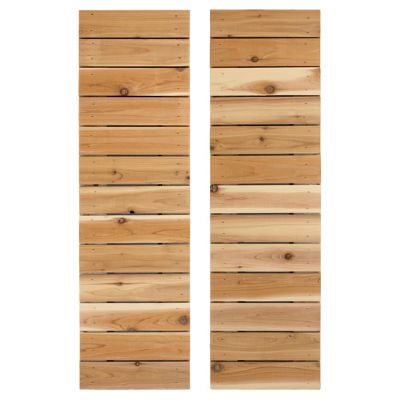
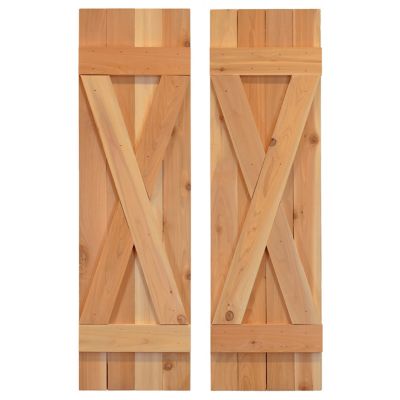
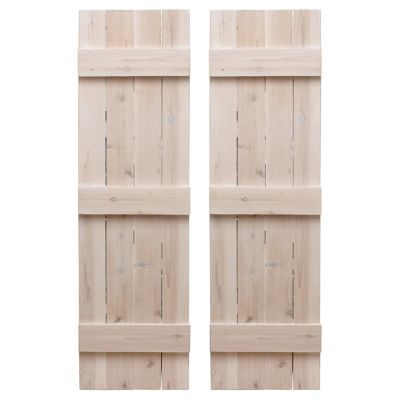
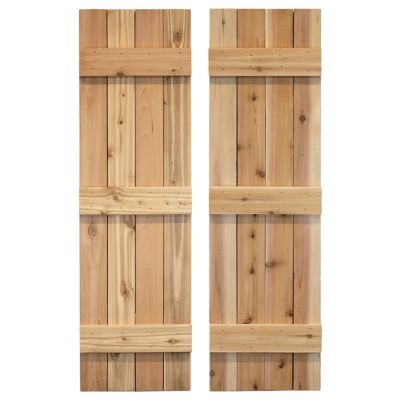
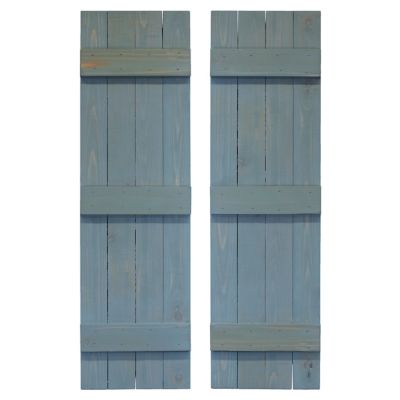
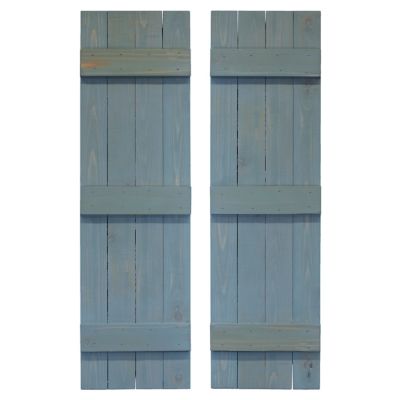
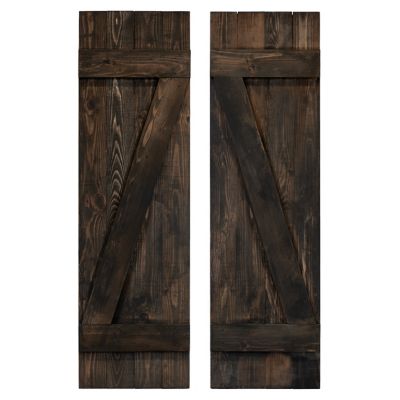
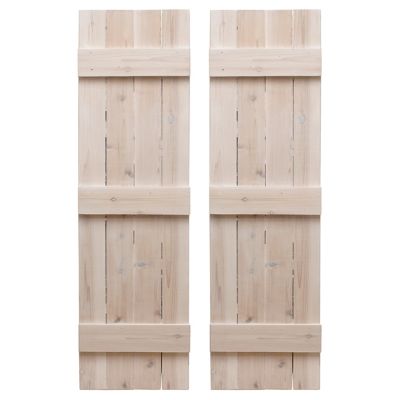
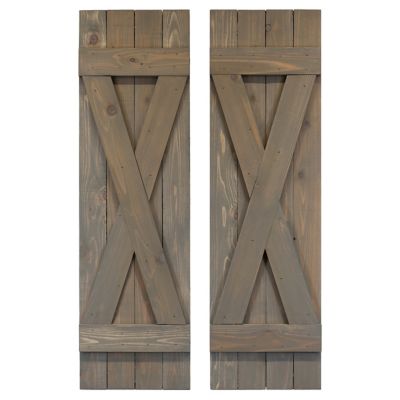
Western red cedar shutters bring natural wood grain, warm color and a grounded look to the outside of a home. They suit a farmhouse facing an open pasture, a cabin tucked along a tree line or a small-town house with a deep front porch. Beyond their appearance, western red cedar has practical traits that make it a familiar choice for exterior woodwork. It is relatively light in weight, generally holds its shape well when properly dried and has natural resistance to decay, particularly in its heartwood. That resistance does not make cedar immune to moisture, insects or weathering, so construction, finishing and placement still matter. The wood’s color can range from pale honey to reddish brown, with differences in grain and knots giving each shutter its own character. Those variations show more clearly beneath a transparent or semitransparent finish, while paint brings a more consistent color across the window arrangement. Common exterior shutter styles include board-and-batten, louvered and raised-panel designs. Board-and-batten shutters have upright boards joined by crosspieces, creating a straightforward look that works well alongside lap siding, stone foundations and metal porch roofs. Louvered shutters feature angled slats and a lighter visual pattern, while raised-panel shutters have solid sections that lend a more formal appearance. For homes where broad wood faces and simple crosspieces fit the setting,
Cedar Board And Batten Shutters offer a related style worth considering. Joined boards create a more continuous face; spaced boards leave visible gaps for a different look. Neither arrangement alone establishes whether a shutter can close over a window or provide protection. Many exterior shutters serve as fixed architectural accents, while operable shutters require suitable construction, hinges and a workable mounting arrangement. That distinction matters whether the goal is to dress up a plain front wall or bring working shutters back to an older farmhouse. Style sets the tone, but the shutter’s intended function determines much of what belongs behind it.
Fit is what makes western red cedar shutters look at home rather than tacked on. Height, width and thickness all affect the balance between the shutters, glass, window casing and surrounding siding. A narrow pair beside a broad picture window can look undersized, while overly wide shutters may crowd a porch post, downspout or neighboring window. Even fixed shutters tend to look more convincing when their proportions suggest that a pair could cover the opening. Working shutters need closer attention to the actual opening, hinge position, clearances and the way the two sides meet when closed. Window trim is not the same as the window opening, and measurements for one mounting style may not suit another. On a wall with several windows, consistent proportions often matter more than matching every shutter to a single dimension. There is also the mounting surface to consider. Brick, wood siding, fiber cement and vinyl each call for an appropriate attachment method, and siding alone may not provide enough support. Fasteners need secure anchorage without interfering with the wall’s ability to shed water or the siding’s normal movement. Cedar is lighter than many other woods, but shutter size and thickness still influence the hardware required. Stainless steel fasteners are often a good match for exterior cedar because they help limit corrosion and the dark staining that can develop where unsuitable metal reacts with the wood’s extractives. Hinge and bracket compatibility matters as well, especially in damp settings or near salt air. For operable shutters, holdbacks help keep the panels secured when open; an unsecured panel can swing in a strong wind. Fixed shutters need a mounting arrangement that allows drainage and drying rather than trapping damp leaves or moisture against the wall. Everyday cedar shutters should not be treated as storm protection unless the complete assembly carries the appropriate rating. For a house on an exposed ridge or beside a wide field, that difference is more than a detail—it separates appearance from tested performance.
Finish and care have a lot to do with how western red cedar shutters age through sun, rain and cooler weather. Left unfinished outdoors, cedar generally shifts toward a silvery gray, though the change may be uneven beneath eaves or on walls with different sun exposure. A shaded porch window might hold its original color longer than a south-facing window that catches sunlight all afternoon. Clear finishes do not all offer the same protection from sunlight, and keeping cedar close to its original color usually takes an exterior finish with suitable UV protection and periodic renewal. A penetrating stain can leave the grain visible, while an exterior paint system gives a more solid color. Cedar’s natural extractives can bleed through some coatings, so compatibility with the wood and a suitable stain-blocking primer matter when painting. Rough-sawn faces have a textured appearance and may take finish differently from smooth faces; neither surface should be assumed ready for coating without checking its condition and the finish directions. Where finishing is required, coverage on faces, backs, edges and exposed end grain helps manage moisture absorption, with special attention to cut ends. Wood still responds to changes in humidity, and standing water, blocked drainage or constant contact with wet foliage can shorten its service life. Routine care is usually less about a big project and more about noticing small changes: a loose screw after a windy spell, peeling paint along a lower edge or soil splashed onto the bottom boards. Gentle cleaning with methods suitable for the coating helps clear away dirt without tearing up the wood fibers. Aggressive pressure washing can roughen cedar and force water into joints. Finish renewal depends on exposure, coating type and the condition of the surface rather than one schedule for every home. For homeowners freshening up a farmhouse exterior or maintaining a country rental, cedar shutters offer a familiar wood look with room for different colors and profiles. Well-chosen proportions, sound attachment and steady care help them remain a fitting part of the house as the wood and its finish settle into the landscape.