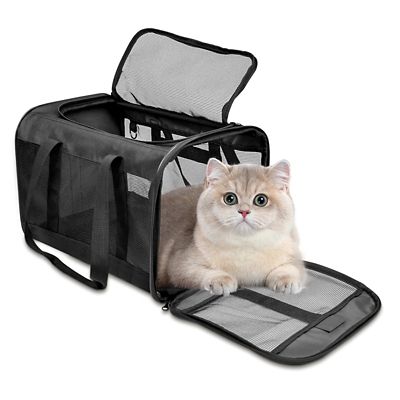
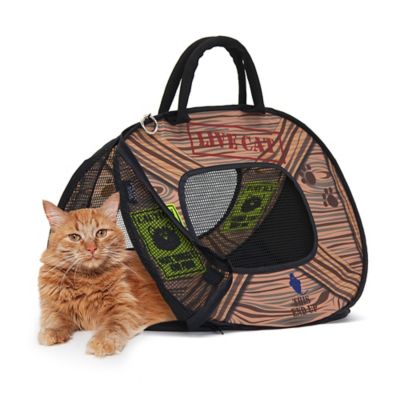
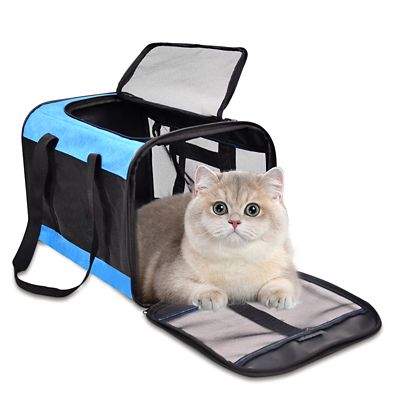
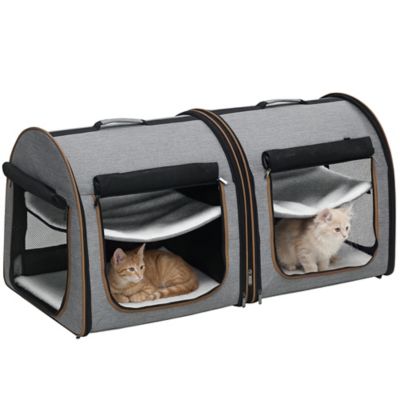
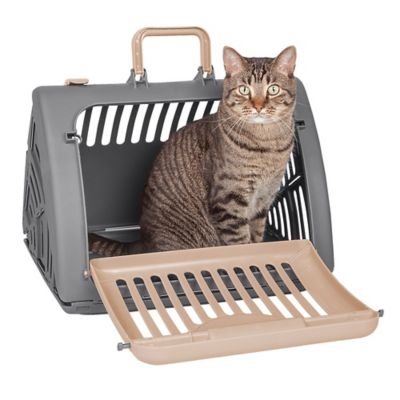
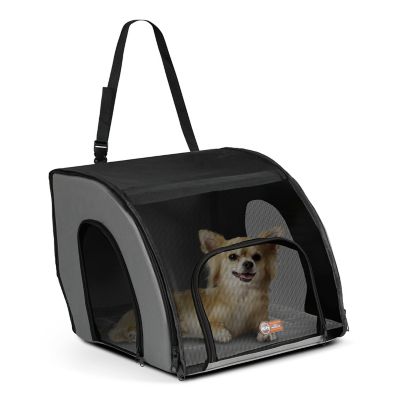
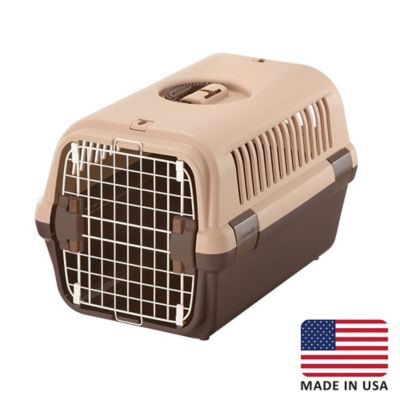
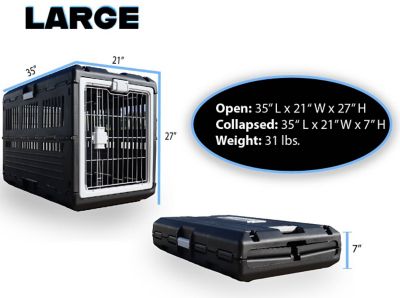
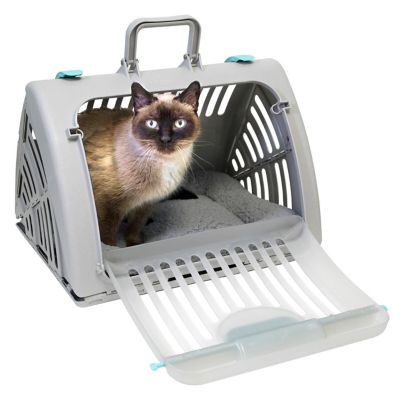
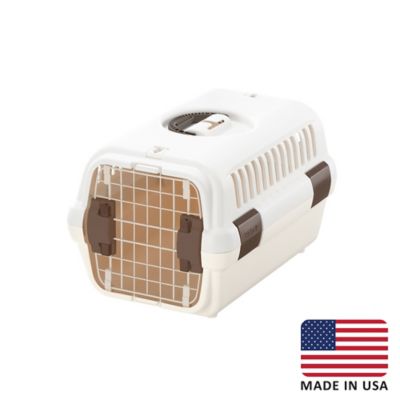
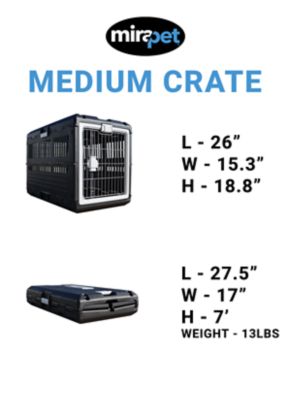
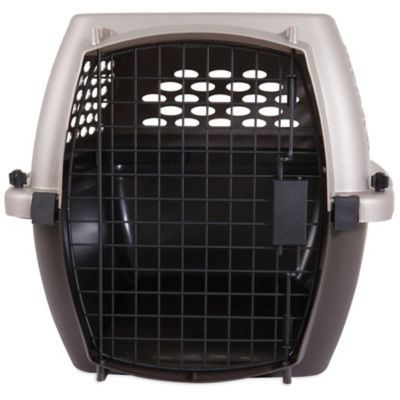
Cat carriers for road trips should offer secure containment, steady ventilation, enough room for a cat to stand, turn around and lie down comfortably, and a way to secure the carrier in the vehicle according to the manufacturer’s instructions. For shoppers comparing travel carriers, those basics matter more than extra pockets or a fancy shape. Crash protection deserves a closer look: published independent crash-test results should apply to the carrier’s particular model, size and attachment method. A seat belt loop, sturdy handle or general safety claim does not, by itself, show that a carrier provides crash protection. Restraint features also need to work with the vehicle, whether the ride is a family SUV or a pickup cab. Placement should follow both the carrier instructions and the vehicle owner’s manual, away from an active airbag. Inside, the right fit gives a cat room to change position without leaving so much open space that the animal slides around during ordinary turns and stops. Interior measurements tell more than exterior dimensions, especially when sloping walls, thick padding or rounded corners reduce usable space. Weight limits matter, too, but two cats at the same weight can need different amounts of room. A long-bodied cat needs sufficient floor length, while a tall cat needs clearance above its head when standing naturally. A stable base and a nonslip resting surface help create a steadier spot for the miles ahead. Ventilation openings should remain clear once the carrier is secured, with luggage and other belongings kept away from mesh panels or vents. Secure door hardware and zippers that resist being pushed open are worth close attention, particularly for a cat that paws at every opening when the engine starts. The best match brings fit, containment and vehicle compatibility together rather than treating any single feature as the whole answer. That balance matters on a short drive across the county just as much as on a longer stretch of highway.
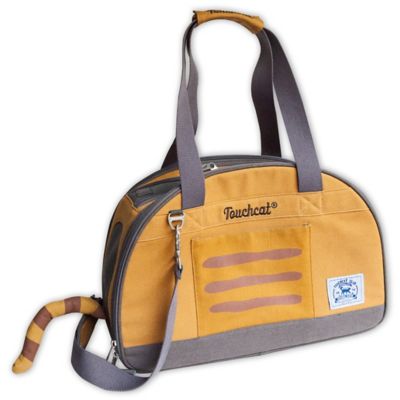
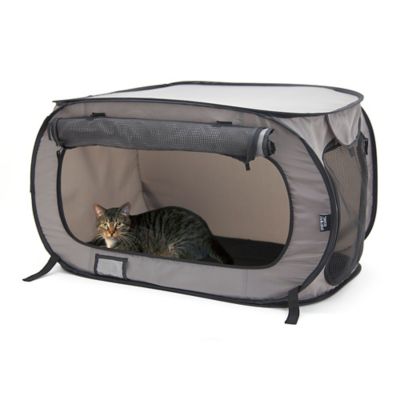
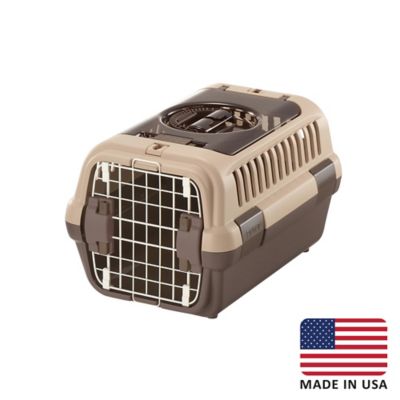
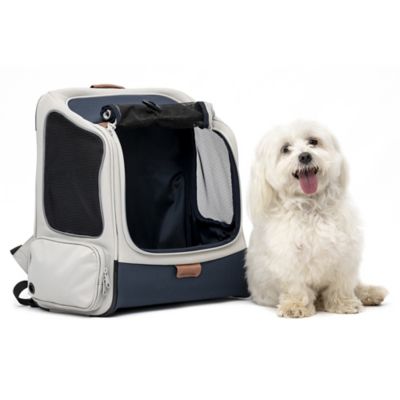
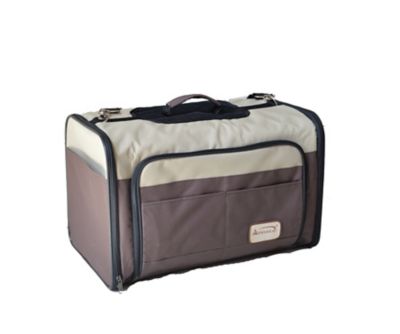
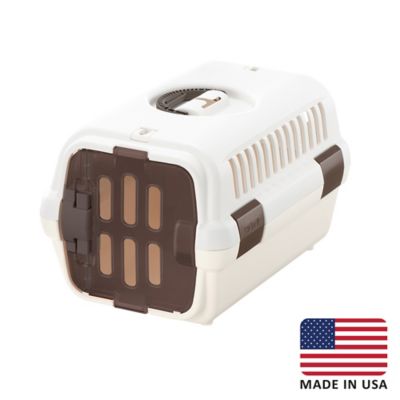
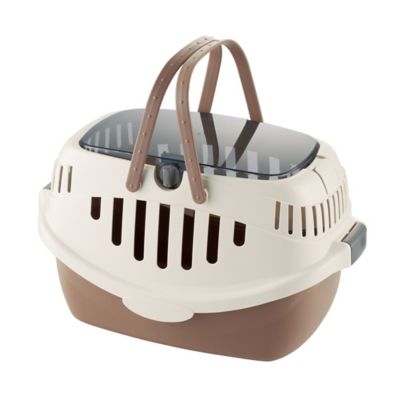
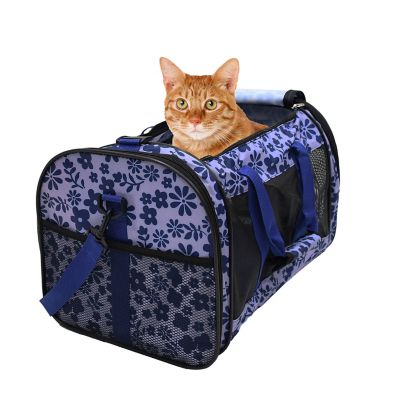
Materials shape how a cat carrier handles the road, the occasional mess and the trip from the driveway to the front door. Hard-sided carriers commonly have molded plastic shells and rigid doors, giving cats a defined resting space with surfaces that can be wiped down. Smooth interior walls, accessible corners and removable sections can make cleanup less of a chore after spilled water or an upset stomach. Hinges, door pins, latches and the fasteners joining the shell deserve attention because those connection points help keep the enclosure together. Soft-sided carriers trade rigid walls for fabric panels, mesh ventilation and a supporting frame, often making them easier to carry through narrow doorways or store between trips. Their suitability for vehicle travel depends on their construction, restraint system and the maker’s stated intended use. Mesh should be firmly attached, stitching should be even, and the floor should support the cat without sagging. Cats that chew fabric or work persistently at mesh may be better suited to a rigid enclosure. Top-entry openings can make placement easier for a cat that plants its feet at a front door, while a wide front opening gives a willing traveler a straightforward way in and out. Multiple access points can also help with cleaning, provided every closure fastens securely. A removable pad with a washable cover adds comfort without making the whole carrier difficult to freshen up. A low-profile pad leaves more usable headroom than a thick cushion, and a familiar, properly fitted blanket can give the resting area a scent the cat recognizes. Care instructions vary by material: some liners allow machine washing, while shells, frames and mesh may call for hand cleaning. Complete drying before storage helps prevent lingering odors and moisture in seams. Routine checks for cracked plastic, loose hardware, torn mesh and damaged zippers help show when a carrier needs repair or replacement. Handles and shoulder straps also need to feel manageable with the cat’s full weight inside, especially when the walk from the parking spot is longer than expected.
Road-trip cat carriers serve a range of households, from someone bringing home a newly adopted barn companion to a family moving several states away with an indoor cat. A quiet traveler may settle against a familiar pad, while a more watchful cat may spend the drive looking through the mesh at passing movement. Partial privacy panels can reduce visual commotion without closing off ventilation, and an enclosure that keeps its shape gives the cat a consistent place to settle. Carrying comfort matters for people, too. A balanced handle, a comfortable strap and a stable bottom can make the difference when one hand is busy with keys or opening a gate. Exterior pockets offer a place for waste bags, cleanup cloths or paperwork, though added storage should not interfere with the restraint system or tempt anyone to overload the carrier. On longer drives, access for checking on the cat matters, but an open carrier beside a busy rest-stop parking lot presents an escape risk. Any opening for care needs a secure setting, and a cat should never be left unattended in a parked vehicle. Familiarity can make the enclosure less of a stranger before departure; a carrier that also serves as an open resting spot at home may feel more ordinary when travel day comes around. Households bringing both cats and dogs can also browse
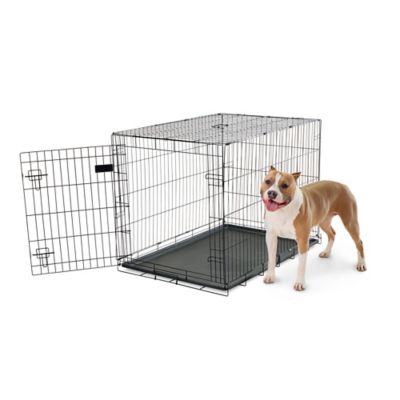
Travel Dog Crates For Thanksgiving Road Trips while planning separate travel spaces for each animal. Separate enclosures keep each pet’s space predictable and allow fit and restraint needs to be considered individually. A cat carrier can also make a practical gift for a new cat owner or someone preparing for a move, though the cat’s measurements, travel habits and vehicle setup should shape the choice. For everyday errands and longer journeys alike, a well-matched carrier brings together manageable carrying weight, straightforward cleaning, secure closures and a comfortable place for the cat to ride.