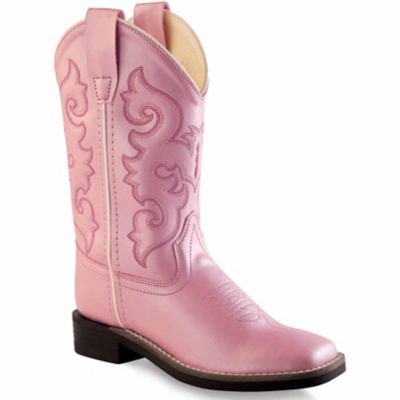
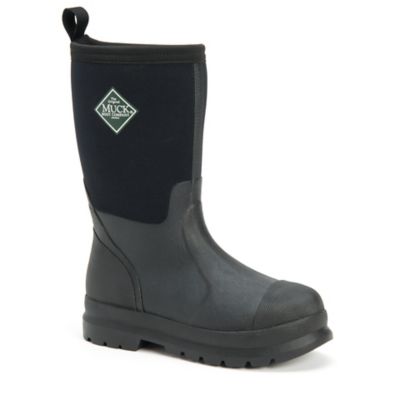
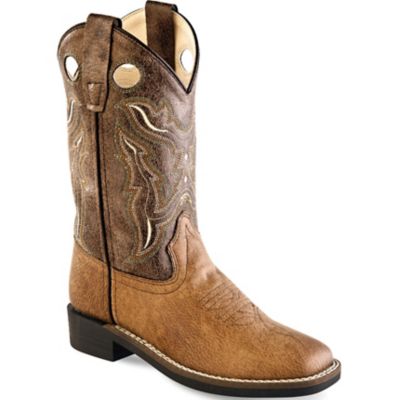
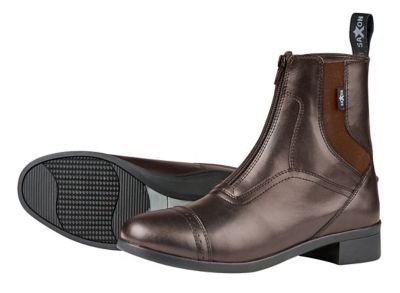
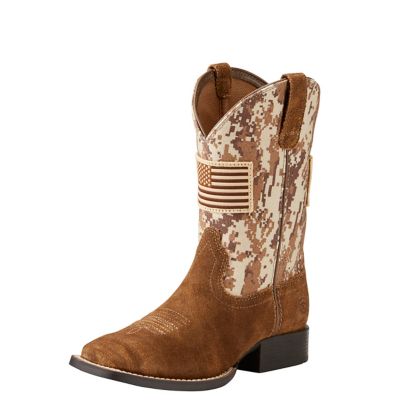
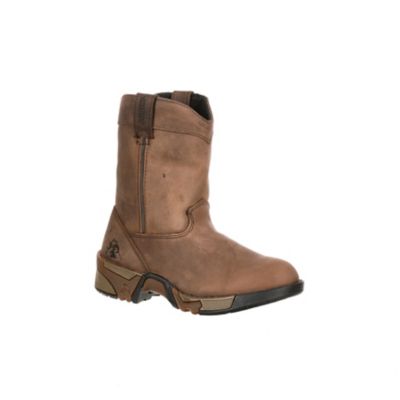
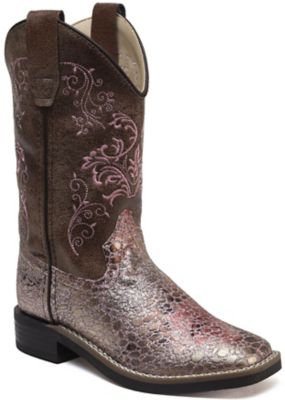
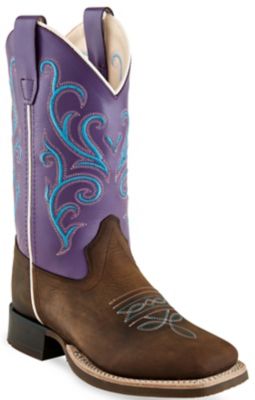
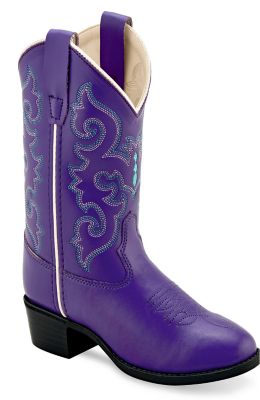
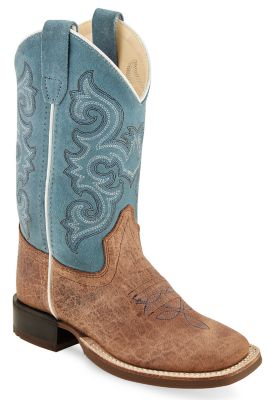
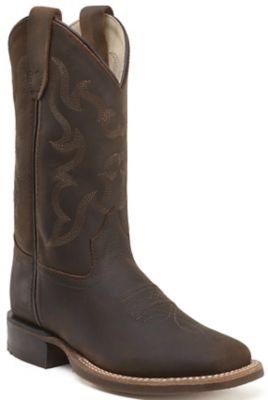
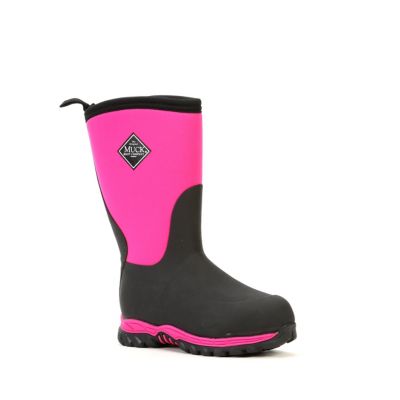
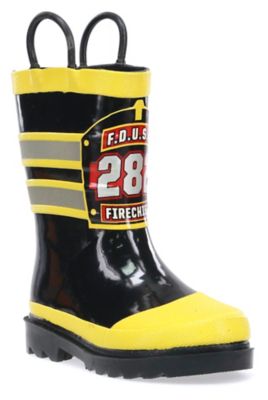
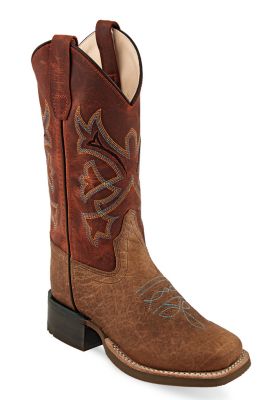
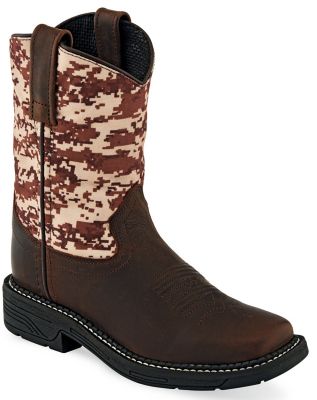
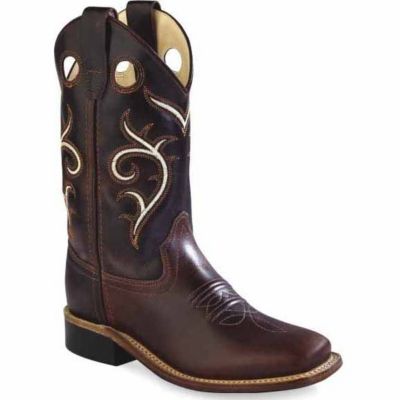
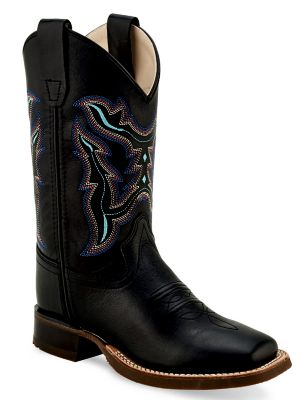
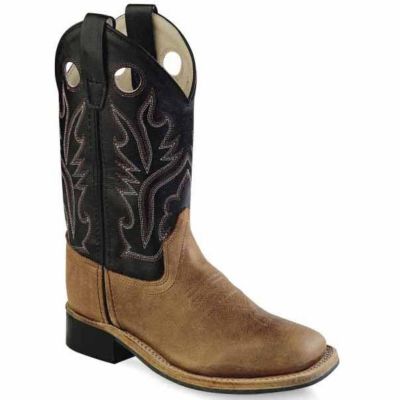
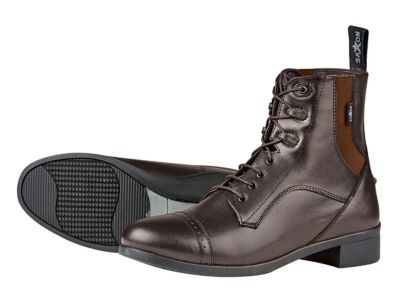
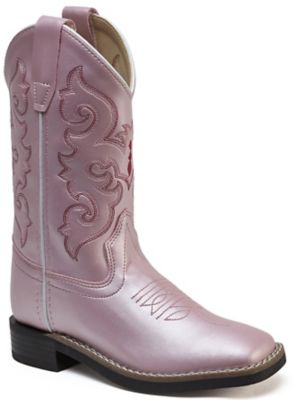
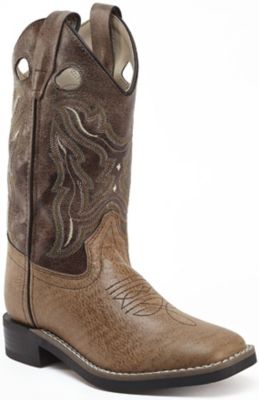
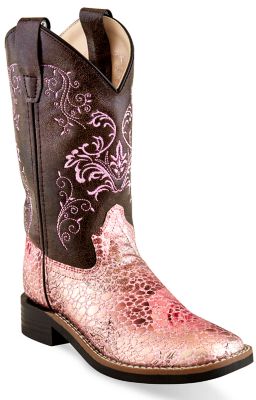
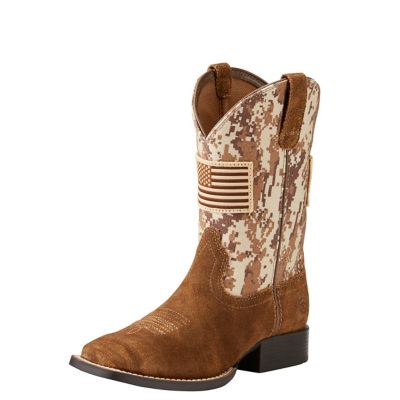
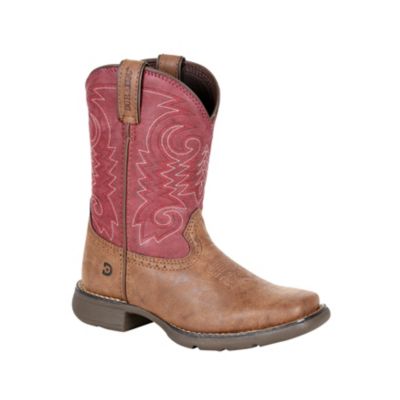
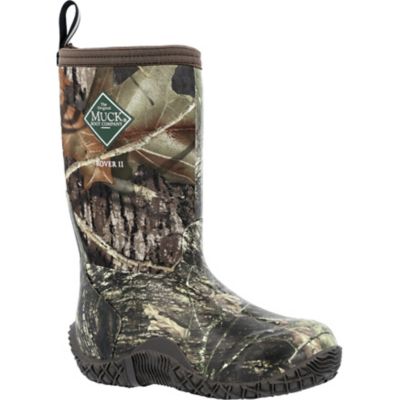
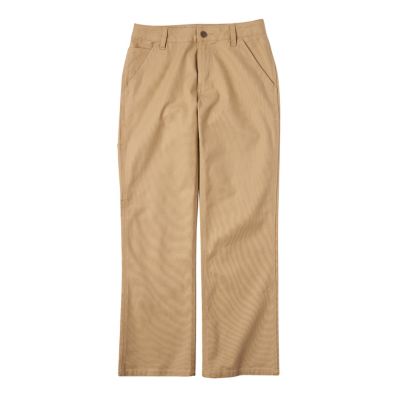
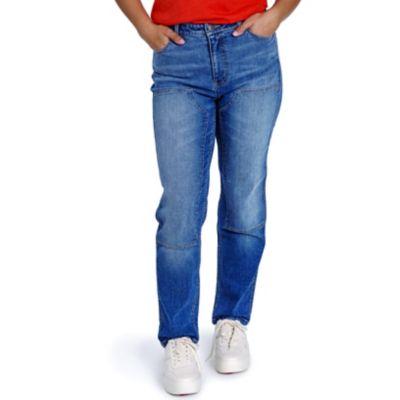
Back-to-school boots for students need to pull their weight from the first morning bell through the last bus ride home. A good pair can handle brisk walks across campus, damp grass by the playground, dusty paths around the barn, and the everyday scuffs that come with a full school year. Students may wear boots with jeans and a sweatshirt on cooler days, pair a cleaner-looking style with chinos or uniform pants, or keep a weather-ready pair by the door for rainy walks and muddy activities. When choosing boots, start with the school’s dress code and the student’s daily routine. Some schools require simple black or brown footwear, while others allow more color and outdoor styling. Consider whether the boots will be worn mostly in classrooms, on the playground, during outdoor education, or on a longer walk to and from school. Leather and other sturdy materials can offer a neat, classic appearance and stand up well to regular wear, while waterproof materials and sealed seams help keep feet dry when puddles and wet leaves cover the usual route. A rubber outsole with dependable tread can improve footing on slick sidewalks, damp playground equipment and smooth hallway floors. Look for a sole that feels flexible enough for natural movement without being so thin that every stone or crack in the pavement is felt through the bottom.
Fit matters just as much as appearance, especially for growing students. Boots should feel secure around the heel without rubbing, and there should be enough room in the toe box for the toes to move comfortably while wearing the socks the student normally uses. Avoid buying a size that is much too large simply to make room for growth; excess movement can cause blisters, sore feet and clumsy steps. A small amount of growing room is useful, but the heel should not lift with every stride. For younger children, side zippers, pull tabs, hook-and-loop fasteners or elastic panels can make getting dressed easier when little hands are working against the clock. Older students may prefer traditional laces for a close, adjustable fit, while no-tie closures can be handy for students who are still learning to tie shoes or who need to change footwear quickly after wet recess. Check the boot’s weight, too. A rugged-looking boot that feels heavy in the hand may become tiring during a long school day. Cushioned footbeds, padded collars and breathable linings can add comfort, particularly when students spend hours on their feet. For cooler weather, allow space for a warm pair of socks, but make sure the finished fit does not pinch across the toes or ankle. Boots can make a thoughtful back-to-school gift for a child, grandchild, student or college-bound young adult, especially when chosen around their usual clothing, school rules and favorite activities. Pairing new footwear with useful layers and everyday essentials can make the start of the school routine feel a little more settled; browse
Back To School Accessories For Students for complementary items.
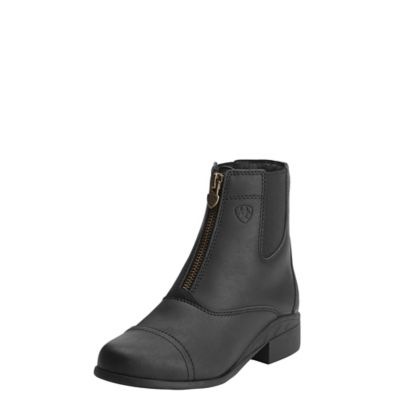
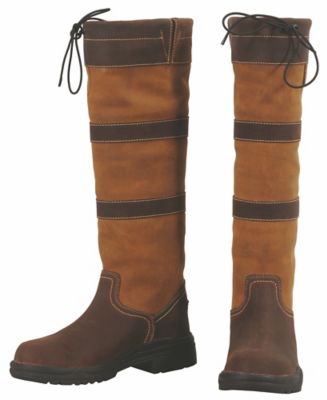
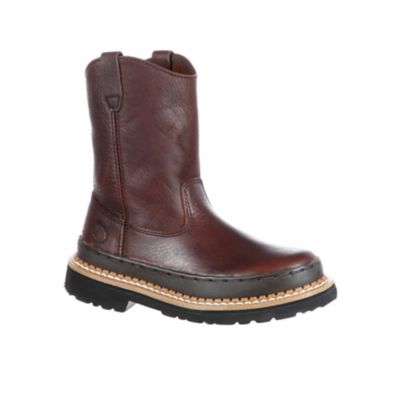
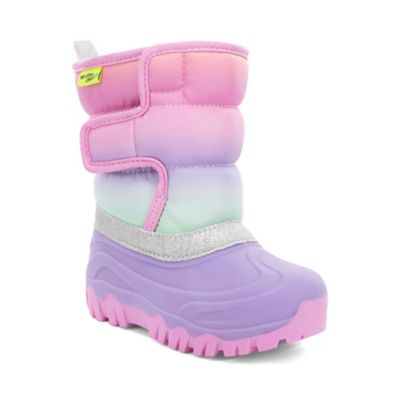
Different boot styles suit different students and schedules. An ankle-height pair can be easy to wear with everyday school clothes and may fit neatly beneath straight-leg or relaxed pants. A taller boot can provide more coverage for wet grass, loose gravel and colder walks, while a lighter pull-on design is convenient for students who move between indoor and outdoor activities. For dressier school settings, look for a clean silhouette, understated finish and simple sole that works with uniforms or polished casual outfits. For students who spend time outdoors, focus on water resistance, warmth, traction and durable construction rather than looks alone. A waterproof boot is useful during rain and early-season slush, though it may feel warmer indoors, so breathable lining and moisture-managing socks can help. No boot stays in good shape without a little care: brush off dried mud, wipe away salt or dirt, let damp footwear dry naturally away from direct heat, and follow the material’s care instructions. Keeping one pair for everyday wear and another for especially wet or messy conditions can help both last longer. Before the school year gets busy, have the student walk around the house in the boots with their regular socks, test every closure and check for pressure points. A few minutes of attention at home can prevent a sore heel or broken lace from turning into a hard lesson on the morning rush. As the weather shifts from warm school-day afternoons to cooler mornings and wet fall conditions, a well-chosen pair of student boots gives young feet dependable coverage, comfortable support and the confidence to head out the door ready for whatever the day brings.