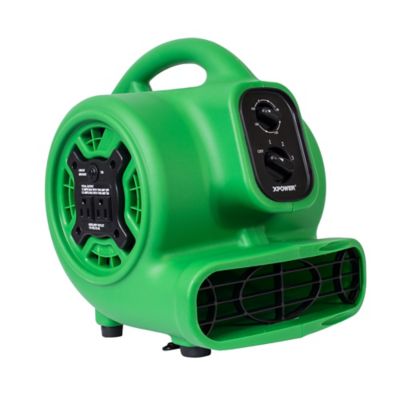
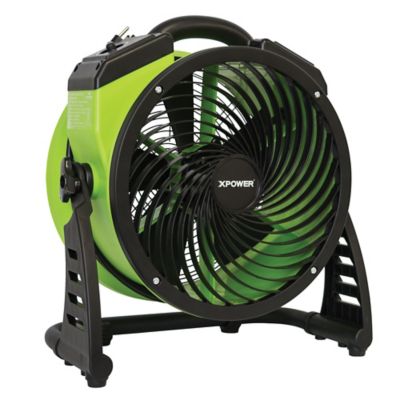
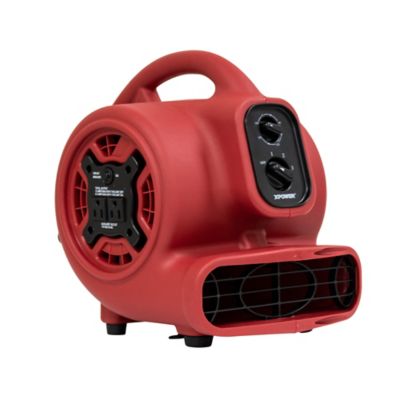
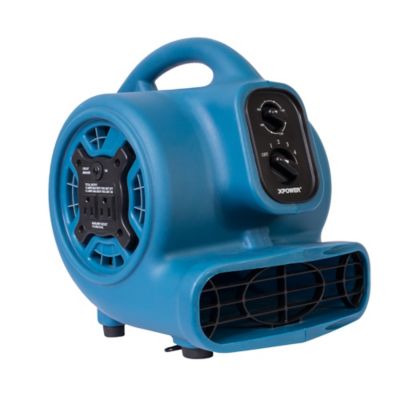
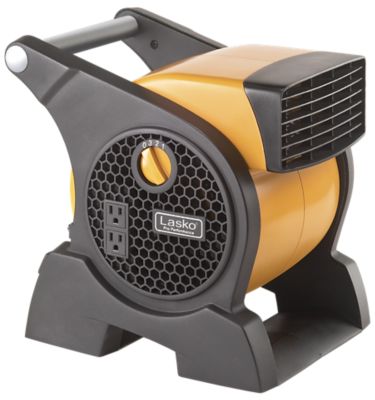
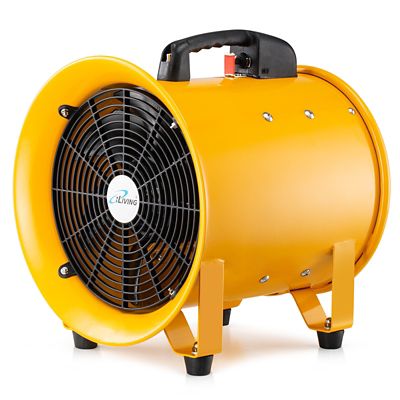
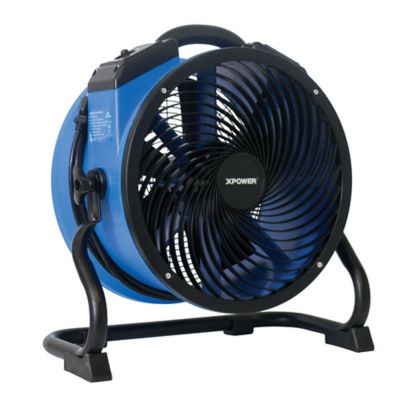
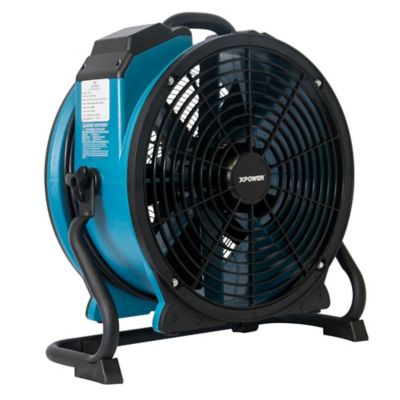
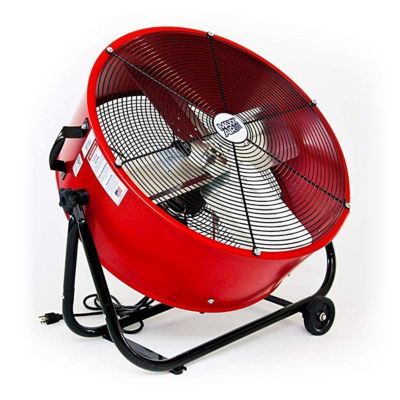
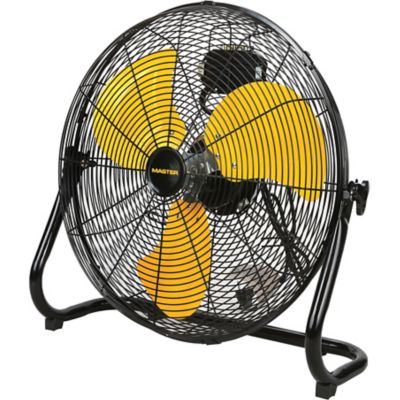
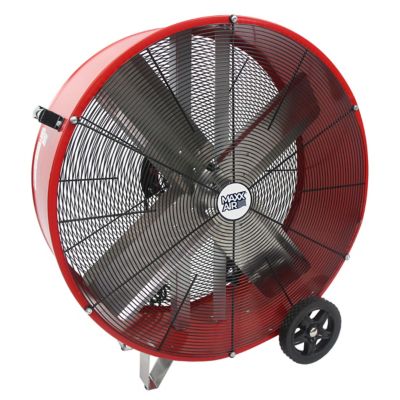
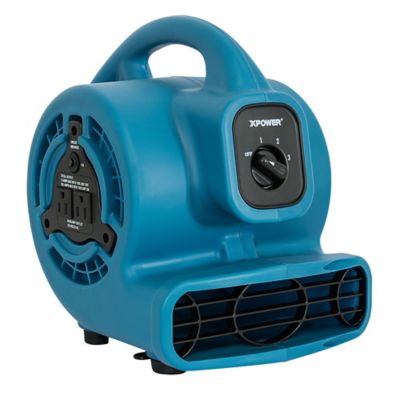
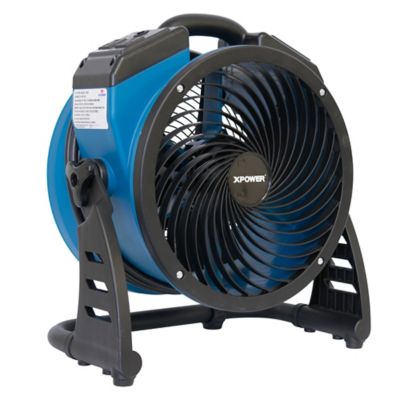
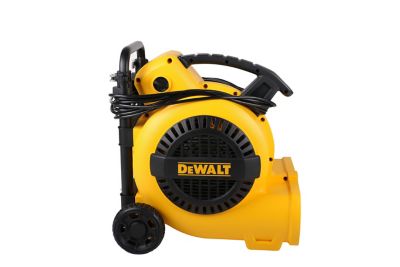
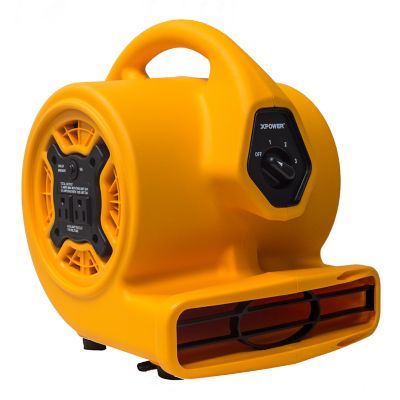
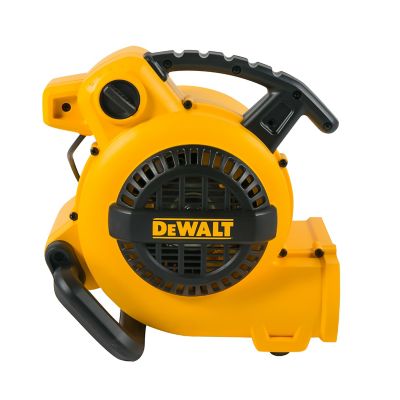
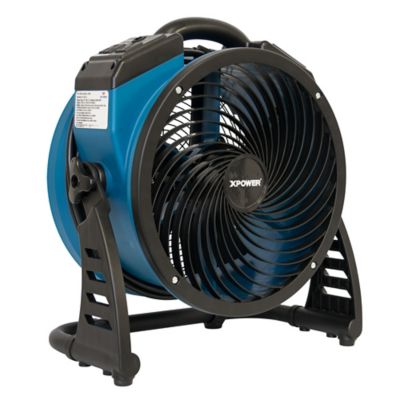
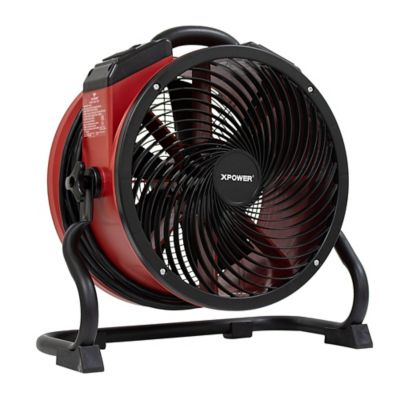
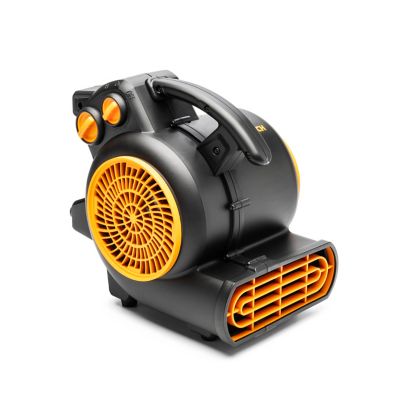
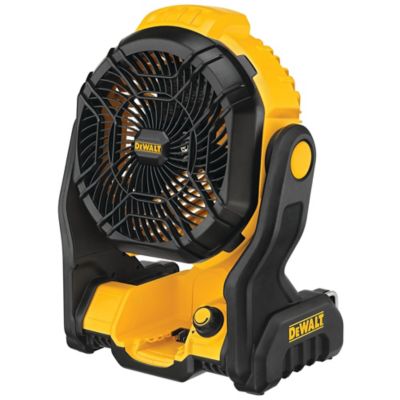
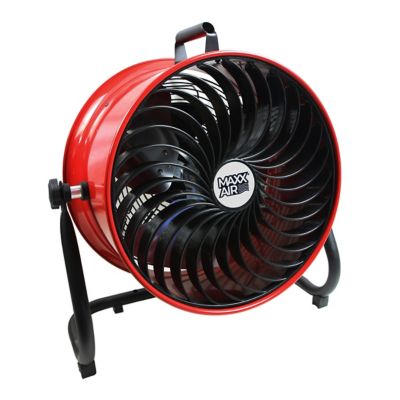
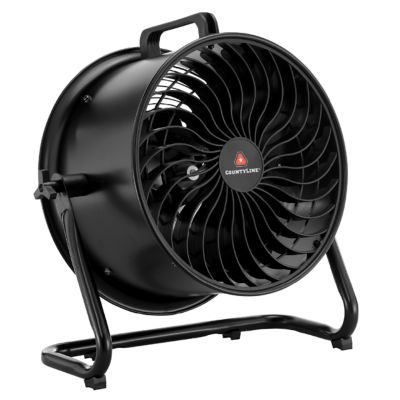
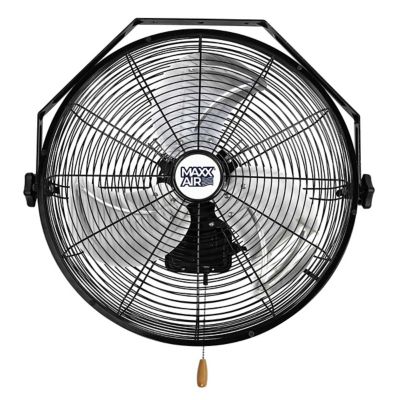
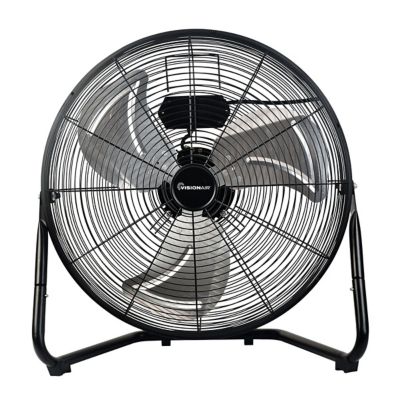
Carpet drying fans, also called air movers or centrifugal blowers, are built to move a strong stream of air across damp flooring so moisture can evaporate faster. Unlike a standard room fan that spreads air around the space, a low-profile carpet dryer sits close to the floor and pushes high-velocity airflow along carpet fibers, padding, and other hard-to-reach areas. That focused movement can be especially helpful after deep carpet cleaning, a small plumbing leak, tracked-in rain, an overflowing water bowl, or a muddy mess brought in by dogs after a wet walk. In a farmhouse, workshop office, rental property, kennel, barn entryway, or busy family room, getting carpet dry sooner helps bring the space back into use and limits the musty smell that can develop when moisture lingers. These fans may also be useful for drying upholstery, floor mats, concrete, tile, crawl spaces, and other surfaces when used according to the manufacturer’s directions. When comparing carpet drying fans, look at airflow ratings, usually listed in cubic feet per minute, along with motor strength, fan speed settings, blowing angles, cord length, carrying handles, stackable construction, and overall size. A compact unit can be easier to carry up stairs or fit into a narrow hallway, while a heavier-duty model may be better suited to large rooms, repeated cleanup work, or a small restoration business. Low-profile housing helps the fan tuck under tables and close to furniture, and a sturdy case is worth considering when equipment will be hauled between job sites, rental homes, garages, or outbuildings. A long power cord can reduce the need for extension cords, while built-in outlets on some models may help organize multiple fans when the electrical setup allows it. Noise level matters, too, especially when drying carpet in an occupied home, office, church, classroom, or shop. Anyone shopping for related supplies can also browse
Tools for Carpet Cleaning to round out a cleanup setup with equipment suited to lifting dirt and moisture from floor coverings.
For the best airflow, place an air mover on a dry, stable surface and aim it across the wet carpet rather than straight down into one spot. A roughly 45-degree angle is commonly used to sweep air across the carpet surface while helping the fibers dry evenly. Leave at least 6 inches of open space around the air intake and exhaust so the motor can breathe and the moving air does not get blocked by a wall, sofa, box, or stack of stored items. In a larger room or after a more serious spill, multiple fans can create a steady path of airflow from one section of flooring to the next. As a general sizing reference, restoration professionals often use about one 2,800-CFM air mover for every 300 square feet of wet carpet, though the right number depends on the amount of water, carpet and pad thickness, room layout, temperature, ventilation, and the equipment’s actual output. A fan alone moves moisture into the air, so pairing it with a dehumidifier can help pull that moisture back out and reduce the chance of damp air settling into nearby wood, drywall, or stored goods. Keep doors and windows adjusted to the conditions outside, since bringing humid air into a damp room may slow drying, while fresh, drier air can help when outdoor conditions are favorable. Check the carpet, pad, edges, and tack strips rather than relying only on a dry-looking surface; carpet can feel dry on top while moisture remains underneath. For any sizable flood, contaminated water, soaked padding, or damage that reaches walls and flooring materials, professional water restoration help is the safer choice. During the cooler months, drying can take longer in enclosed rooms, mudrooms, and basements, making directed airflow particularly handy after wet boots, heavy rain, or melting snow are carried indoors. Use fans only with properly grounded outlets and keep plugs, connections, and motor housings away from standing water. Follow the operating instructions, avoid daisy-chaining equipment unless the unit is designed for it, and keep children, pets, loose clothing, and bedding away from the intake and exhaust.
Carpet drying fans can be a practical addition for homeowners who clean their own floors, landlords preparing a rental between occupants, janitorial crews, cleaning contractors, kennel operators, pet sitters, and small businesses that need to recover quickly after a spill. They can also make a thoughtful gift for someone who manages rental cabins, runs a grooming or boarding operation, keeps a busy household with several pets, or spends weekends improving an older home. A dependable air mover is the kind of tool that may sit quietly in a utility room for long stretches, then earn its keep in a hurry when a washer hose lets go, a water heater drips, or a freshly cleaned hallway needs to dry before the day is done. For farm and rural homes, where boots, livestock chores, wet coats, and muddy paws can bring plenty of moisture through the door, a portable fan is easy to move between the entryway, laundry room, truck cab, or shop office. Before choosing one, consider where it will be stored, how often it will be carried, whether several units may be needed, and whether the available outlets can safely handle the load. Look for handles that are comfortable with work gloves, housing that can take ordinary bumps, controls that are easy to reach, and a footprint that will not crowd a narrow passage. Keeping the fan clean also supports dependable performance; unplug it before removing dust or hair, check the intake screen, and clear buildup that could restrict airflow. Stored in a dry place and handled with the same care as other powered shop equipment, a carpet drying fan can be ready for routine cleaning, unexpected spills, and damp-weather chores throughout the changing seasons.