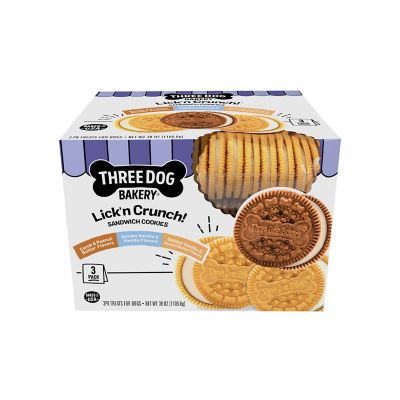
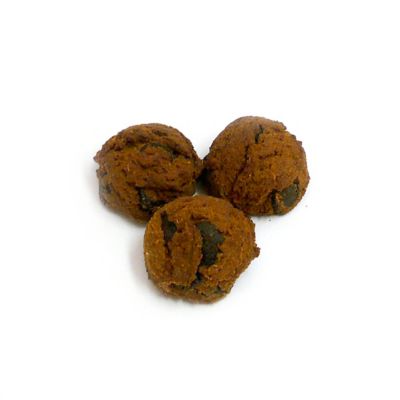
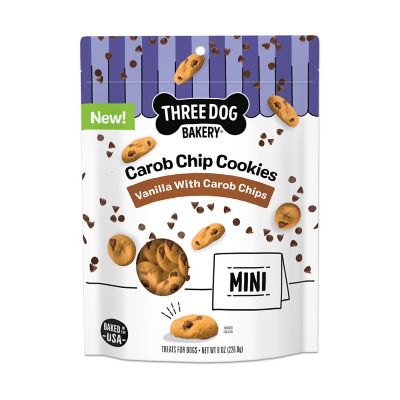
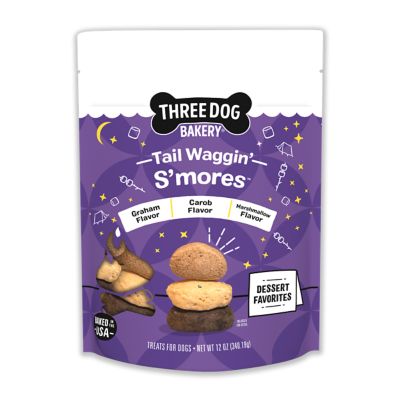
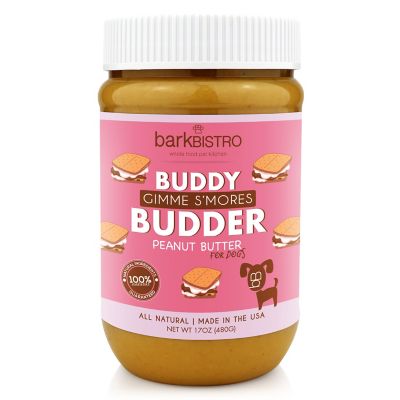
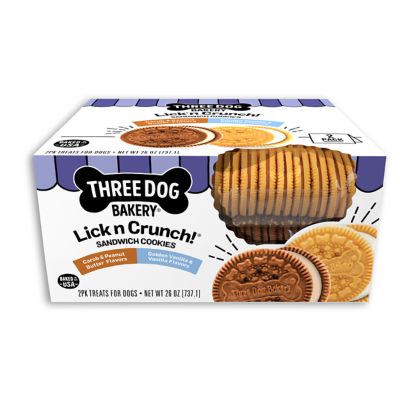
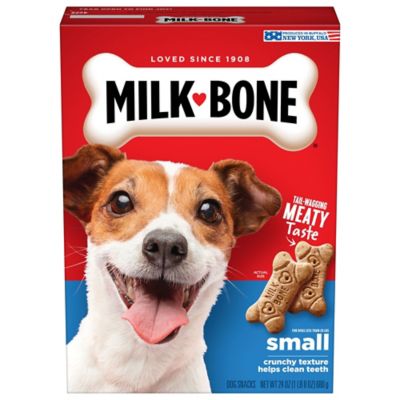
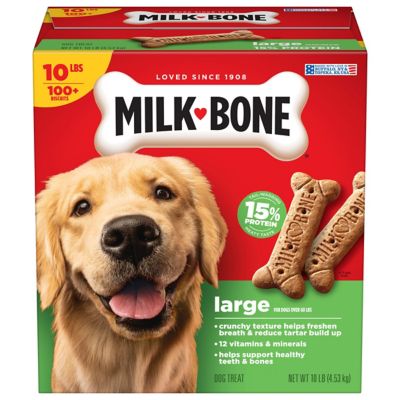
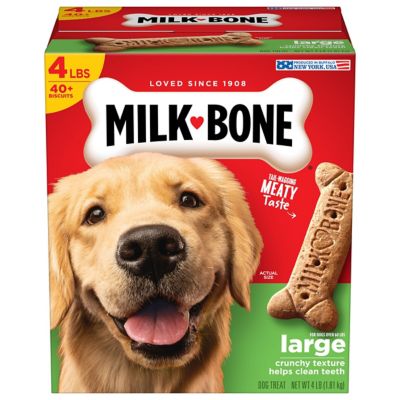
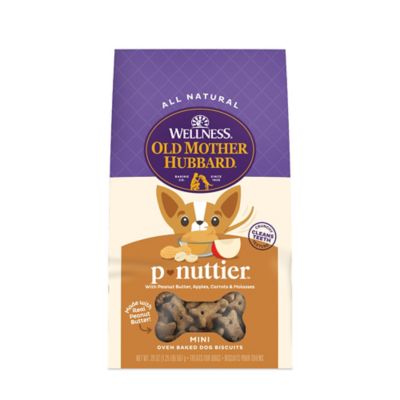
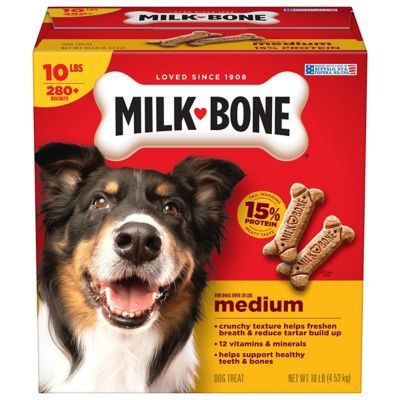
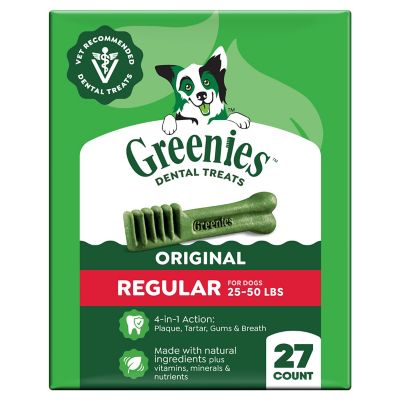
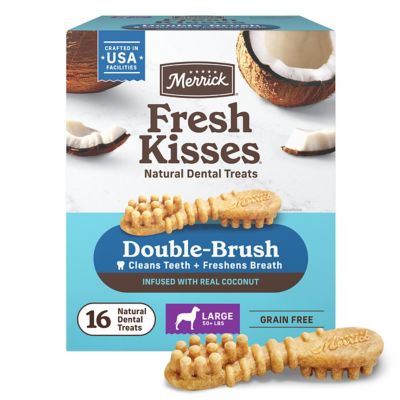
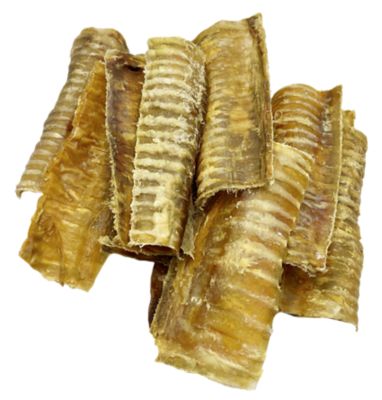
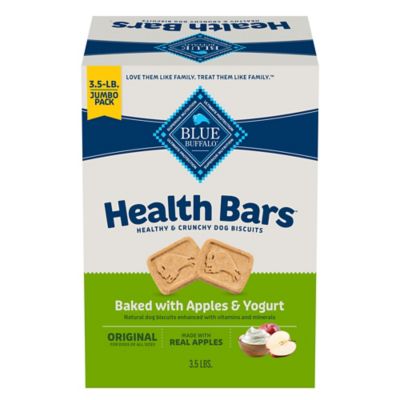
Carob dog treats bring a mildly sweet, earthy flavor to the biscuit jar without chocolate. Carob comes from the pods of the carob tree and is naturally free of caffeine and theobromine, the compounds in chocolate that are toxic to dogs. That makes carob an alternative ingredient for treats made specifically for dogs, though the full recipe still matters. Its brown color can look a lot like cocoa, especially in chips, coatings, or baked dough, so the ingredient list tells more than appearance alone. Cocoa, cacao, and chocolate are not substitutes for carob in a dog’s snack. Carob powder can be blended throughout a biscuit, while chips or a coating create a different texture and flavor balance. Depending on the recipe, carob may accompany peanut butter, oats, vanilla, or other ingredients suitable for dogs. A crisp biscuit gives an eager chewer something to crunch, while a softer bite may be easier for a dog that has trouble with hard snacks. Texture varies by recipe, and a coated treat is not necessarily soft underneath. The smell, shape, and bite all play a part in whether a dog takes to a treat, especially for a picky eater that sniffs every offering before deciding. Some dogs enjoy a plain crunch; others prefer a softer center or a stronger peanut butter scent alongside the carob. Sweetness does not have to mean a sugary human-style confection, and carob’s presence alone does not tell the whole nutritional story. The package’s ingredient panel, calorie statement, and feeding directions provide the useful details. These treats belong in the reward-and-snack part of a dog’s routine, whether that means a small bite after settling by the back door or a biscuit after a walk around the property. They complement a complete and balanced diet rather than replacing a meal.
The right carob dog treat fits the dog’s mouth, chewing habits, and dietary needs just as much as its taste preferences. A little dog may need a small piece that is easy to manage, while a larger dog that gulps snacks may need a different size or format to encourage chewing. Bigger is not automatically better, and a hard biscuit is not the right match for every mouth. Puppies, senior dogs, and dogs with missing teeth or oral discomfort can have different needs; persistent trouble chewing deserves a veterinarian’s attention rather than simply a softer snack. Treats that break cleanly into small pieces can make repeated rewards more practical without handing over a full biscuit each time. Calorie content matters even when a piece looks small, especially with fillings or coatings. A common veterinary recommendation is to keep all treats combined to no more than about 10% of a dog’s daily calories, with the rest coming from complete and balanced food. The suitable amount depends on the individual dog, and dogs on weight-management or prescription diets may need tighter limits. Carob itself does not make a recipe low-calorie, low-fat, or suitable for a sensitive stomach. Added fats, sugars, and the rest of the ingredient list still count. For dogs with known food allergies, familiar ingredients and clear labeling are more useful than a flavor name on the front of the bag. Wheat, dairy, soy, eggs, or peanuts may matter for some dogs, depending on their diagnosed sensitivities. Grain-free recipes are not automatically a better fit for every dog, either. Any peanut butter or sweetened ingredients must be free of xylitol, which is dangerous to dogs. Human carob candy can contain ingredients that do not belong in a dog’s bowl. A small first serving helps show how a dog tolerates a new treat before it becomes a regular reward. Close supervision during snack time also helps owners spot gulping, difficulty chewing, or pieces that are too large to swallow comfortably.
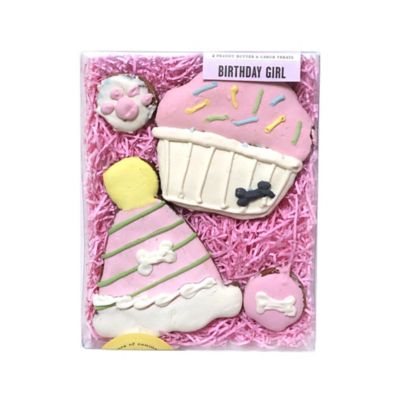
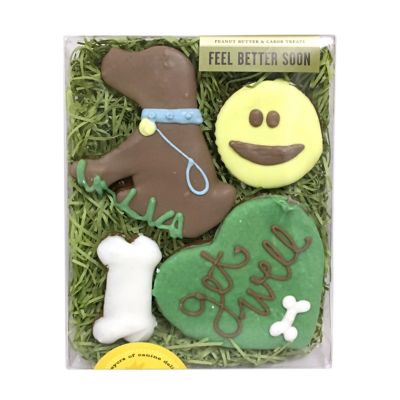
Everyday use gives these treats their place in a dog-owning household. A pocket-sized portion can reward a calm sit while the leash gets clipped on, a successful recall in a safely enclosed yard, or four paws staying on the floor when company comes through the door. For training, a treat that can be eaten promptly helps keep attention on the next cue instead of a long chewing break. A larger biscuit may fit a slower reward moment better, with the dog settled nearby rather than trying to eat while running around. Crunchy snacks can leave crumbs, and carob coatings may leave marks on clothing or upholstery, so a washable feeding spot can make cleanup simpler. Treat texture also affects how well pieces travel: a crisp biscuit may crumble in a pocket, while a soft or coated bite may call for a separate container. Keeping treats in their original package, or keeping the label with a sealed food-safe container, preserves access to feeding directions, ingredients, lot information, and the best-by date. Storage directions vary, particularly for moist or coated treats, so the package should determine whether refrigeration is necessary. A tightly closed container helps protect dry treats from moisture and curious noses. Changes in smell, visible mold, or an unexpected change in texture are reasons to discard a snack rather than offer it. Treats also make a thoughtful gift for someone who enjoys including a dog in everyday life, provided the dog’s size, allergies, and usual diet are known. For a birthday reward or a small thank-you to a friend who watches the dog, clear ingredient information matters more than a fancy presentation. For another flavor to consider,
coconut dog treats offer a different ingredient profile, with the same need to check the complete recipe and serving size. Whether the reward follows a training session or a quiet moment beside the work boots, a suitable carob treat keeps the focus on a manageable portion, a comfortable bite, and a snack the dog enjoys.