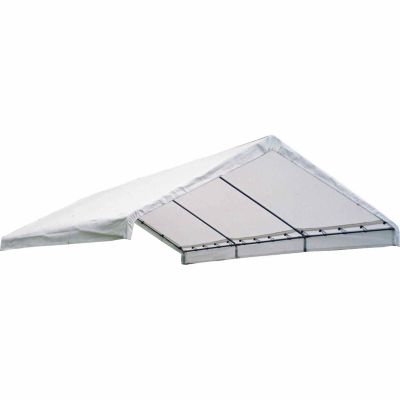
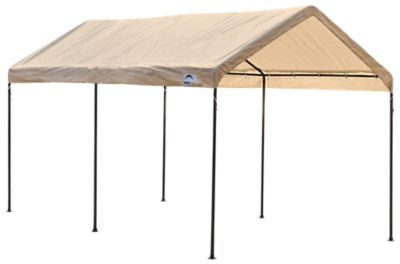
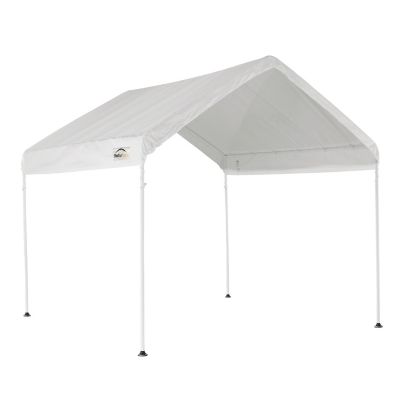
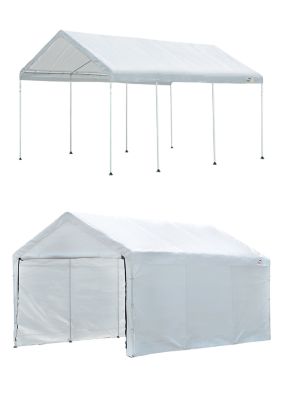
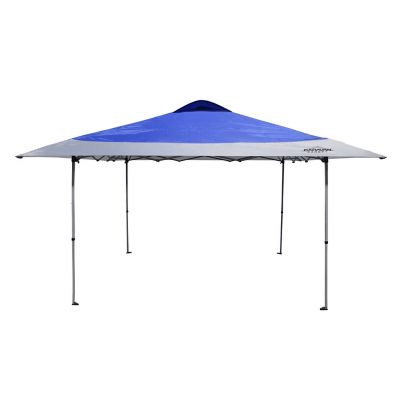
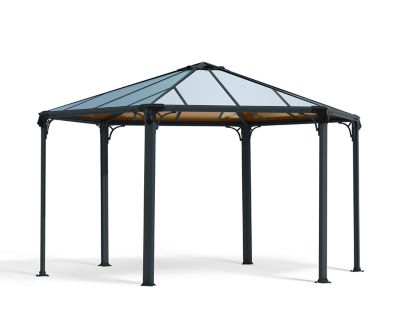
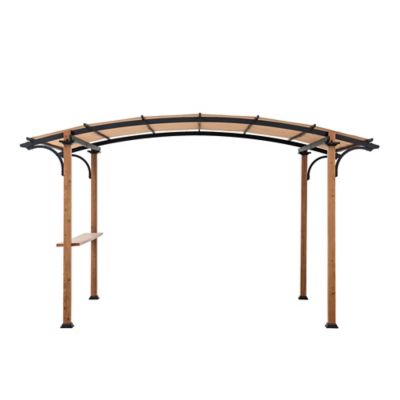
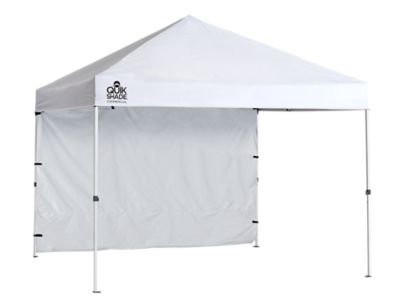
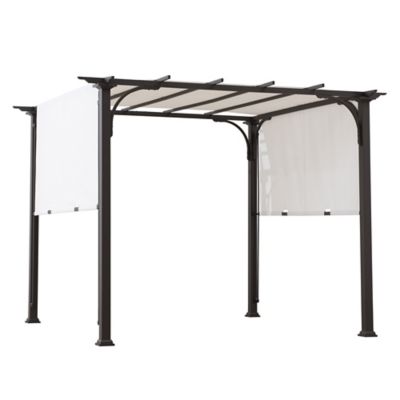
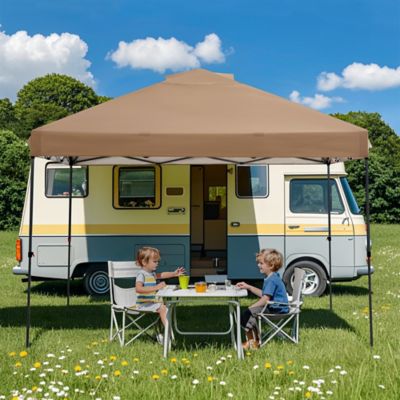
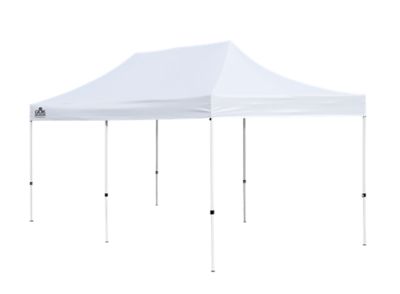
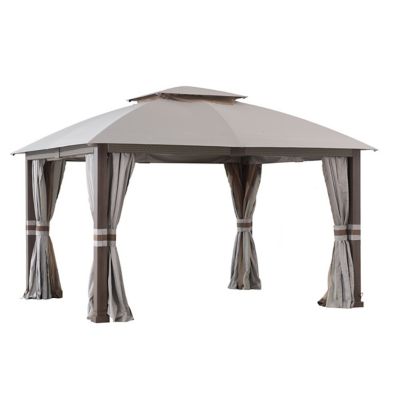
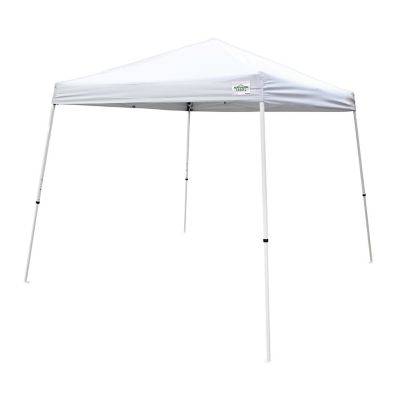
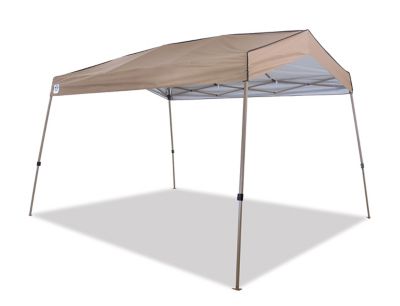
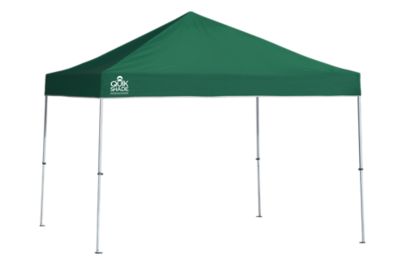
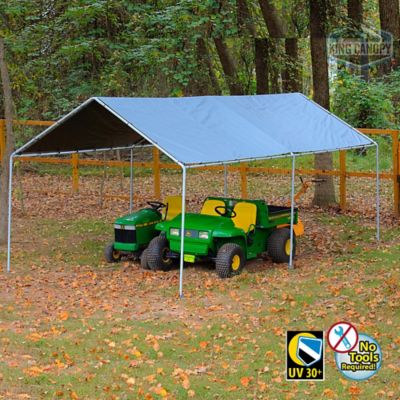
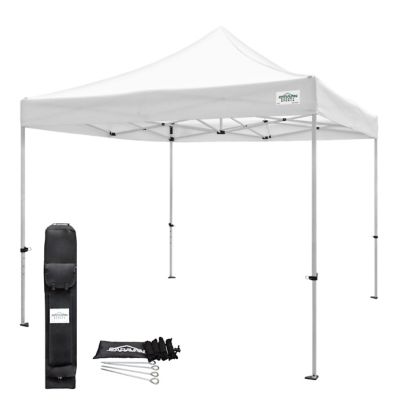
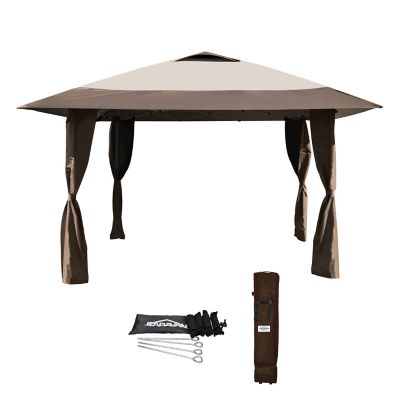
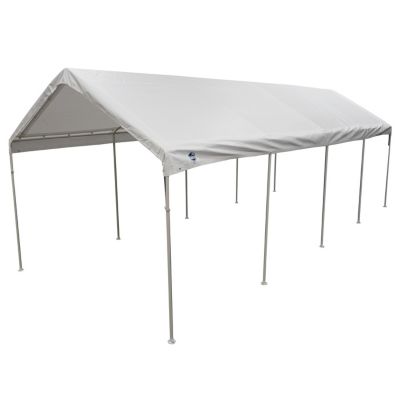
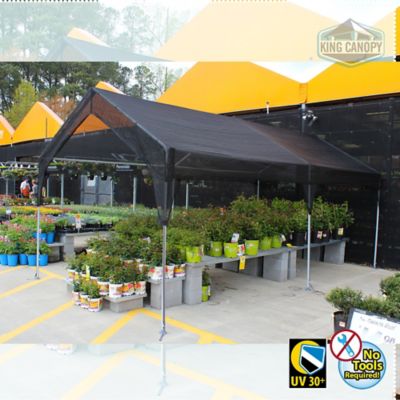
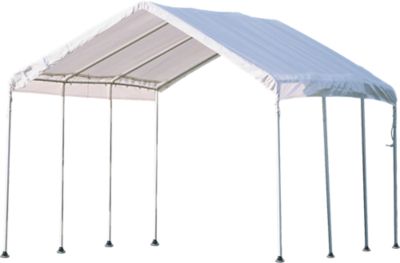
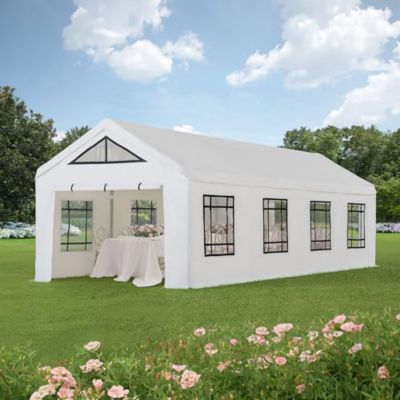
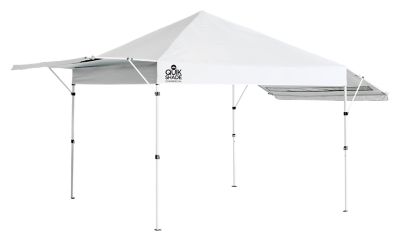
Canopies for outdoor weddings give a gathering a clear home base, whether the celebration takes place beside a barn, across a family lawn, or in an open field with a view worth keeping. These temporary shelters can define the ceremony seating, cover reception tables, or create a separate spot for refreshments, gifts, and the guest book. A small canopy beside the main gathering can keep a drink station from crowding the dinner tables, while a larger frame tent can bring several parts of the celebration beneath one roof. The best fit depends on what happens underneath, not just how many people are invited. Rows of ceremony chairs take up space differently than dining tables, and a reception layout also needs room for pulled-out chairs, serving paths, and guests moving between tables. As footprint examples, a 10-by-10-foot canopy covers 100 square feet, a 10-by-20-foot canopy covers 200 square feet, and a 10-by-30-foot canopy covers 300 square feet. Those measurements describe the ground area, not a guaranteed guest capacity; legs, table arrangements, equipment, and clear walkways reduce the space available for seating. A roomy layout matters when grandparents need an easy path to their seats or a server carries a tray past the end of a table. Roof shape and leg placement also influence how the space feels. Straight-leg frames make the relationship between the roof and ground footprint easier to judge, while slant-leg designs may have a wider base than their shaded roof area suggests. Open sides keep views of the property in sight, and a peaked roof gives the gathering a recognizable center without requiring a permanent structure. For a ceremony that stretches beyond the covered seating,
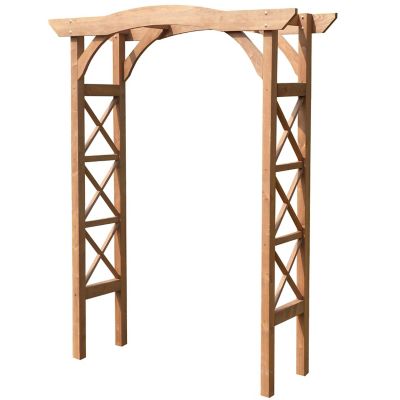
Outdoor Archways can frame the vows and connect the aisle to the rest of the setting. Simple flowers, coordinated linens, and neatly arranged chairs can tie those spaces together without getting in the way of entrances or frame connections.
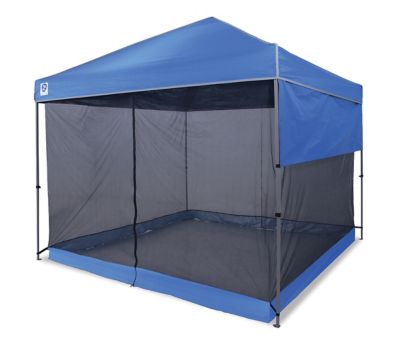
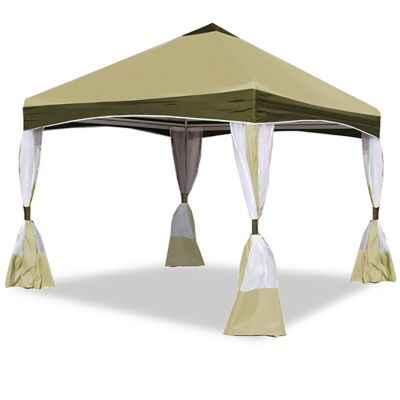
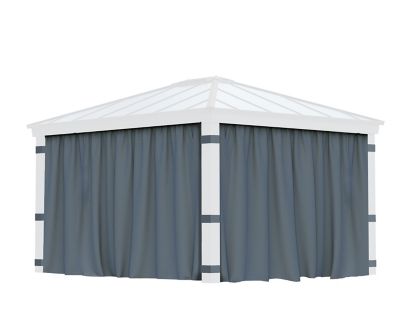
The materials in an outdoor wedding canopy affect its weight, handling, appearance, and suitability for the celebration. Polyester tops often have coatings that influence water resistance and sun protection, while polyethylene coverings offer another approach to temporary overhead shelter. Fabric names alone do not establish performance; the stated coating, seam construction, attachment points, and care requirements matter just as much. Water-resistant and waterproof descriptions are not interchangeable, and neither should be taken as a promise that a temporary canopy can handle every outdoor condition. A covering’s stated protection applies within the limits outlined by its manufacturer, including how the frame is assembled and secured. Steel frames can provide a substantial support structure, though their weight may call for more help during setup and transport. Aluminum frames generally weigh less, which can make carrying components across a lawn easier. Frame finish, connection hardware, and the design of moving parts all deserve attention, especially when the canopy will serve at family gatherings after the wedding. Pop-up designs bring the frame together in a folding assembly, while pole-and-connector tents involve separate components and a different setup process. Neither style automatically determines strength or suitability; dimensions, construction, anchoring requirements, and intended use are what count. Sidewall options change the experience beneath the roof, too. Solid panels create a more enclosed space, window panels keep some visibility, and removable walls allow different arrangements around entrances and serving areas. A wall behind the gift table can provide a simple backdrop, while an open side facing the aisle keeps the ceremony connected to the landscape. Sidewalls can also change how a canopy responds to wind, so they need to match the structure and its instructions rather than serve as an improvised addition. Eave height matters for entrances and standing room; peak height describes the tallest point and does not tell the whole story. For guests in dress shoes or carrying plates, generous clearance and unobstructed paths make the space easier to enjoy.
A wedding canopy also has to fit the property where the celebration takes place. Level ground supports a more even setup, while low branches, nearby fences, overhead lines, and narrow access paths can limit where a frame will work. On a country property, the prettiest patch of grass may be farther from parking, restrooms, or electrical service than expected, and those distances affect the experience for guests and anyone carrying supplies. The full setup area includes more than the roof footprint: stakes, guy lines, weights, and required clearances can extend beyond it. Ground anchors need soil suited to the anchoring method, and paved surfaces call for a manufacturer-approved securing arrangement rather than an assumption that the canopy’s own weight is enough. Underground utilities must be identified before stakes go into the ground, and securing points belong away from walking routes whenever the approved layout allows. Local venue rules, permits, occupancy requirements, and fire-safety provisions may also apply to temporary event shelters. Clear exits are important even for a small backyard wedding, and grills, open flames, and other heat sources need separation from canopy fabric according to applicable instructions and rules. Lighting and floral attachments should stay within the frame’s stated limits; roof bars are not automatically suitable for hanging heavy arrangements. Canopies are temporary shelters, not safe places to remain during severe weather, and a separate shelter plan belongs alongside the event arrangements. After the celebration, sensible care helps protect the structure for its next gathering. Dirt and grass marks should be cleaned with methods suited to the covering, and fabric needs to dry fully before packing to help prevent mildew. Frame sections, fasteners, and attachment points benefit from inspection before storage, with missing or damaged parts addressed before another setup. Keeping components together in their intended bags or containers makes the next occasion less of a scramble. For couples, families hosting on their own land, and event organizers, canopies for outdoor weddings can become useful gathering spaces well beyond the ceremony, provided their size, construction, and care needs suit each occasion.