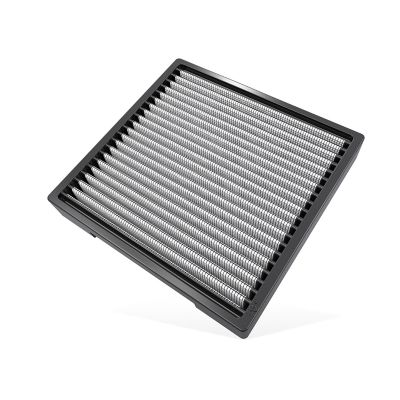
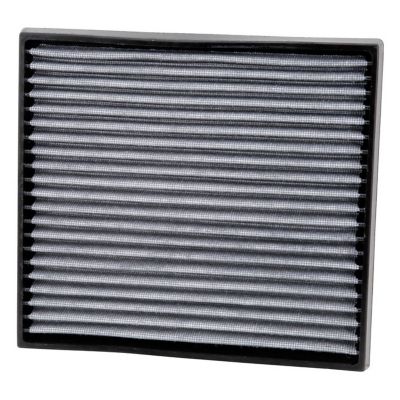
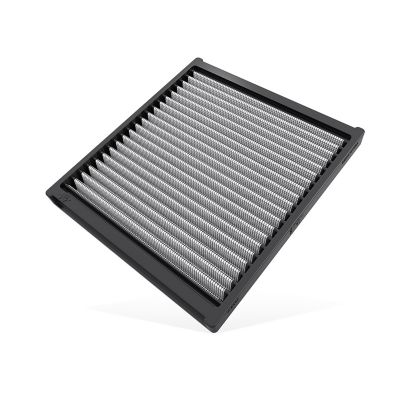
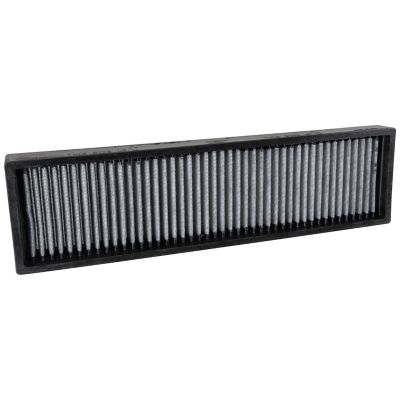
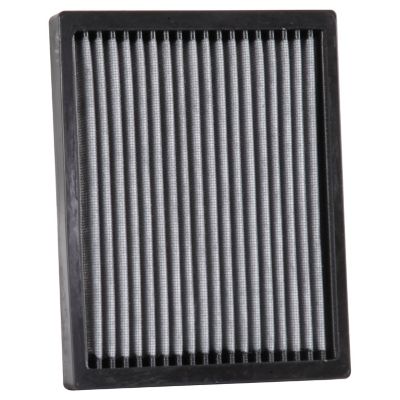
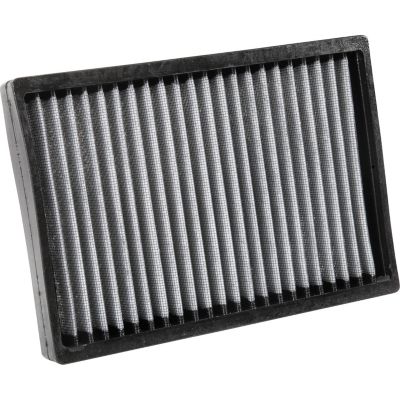
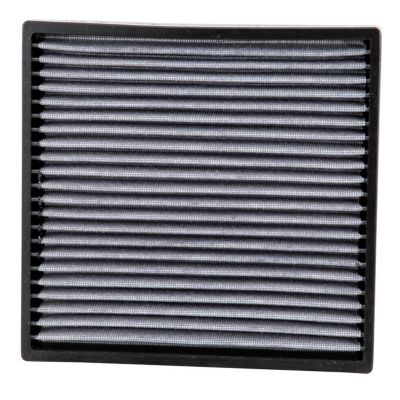
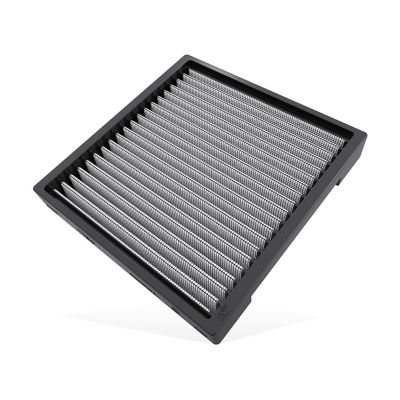
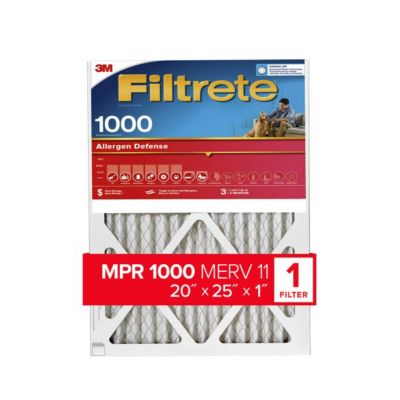
A cabin air filter traps airborne particles as air passes through a vehicle’s heating, ventilation and air conditioning system. Depending on its construction and filtration rating, it can capture dust, pollen, mold spores and other debris before that air reaches the passenger compartment. For a pickup traveling gravel roads, a family SUV hauling passengers or a work vehicle making regular trips between properties, cabin air filtration helps keep some of that airborne grit out of the vents. It serves a different purpose from an engine air filter, which filters air entering the engine rather than air supplied to the people riding inside. Cabin filters commonly feature pleated filter media supported by a frame, with construction that may include synthetic fibers, cellulose-based material or a blend of both. Those folds create more filtering surface within the space allowed by the vehicle’s filter housing. The frame and edges help hold the media in place and limit gaps that could let unfiltered air slip around it. Some designs also include activated carbon, which can reduce certain odors and gaseous contaminants in addition to trapping particles. That added layer has limits: it does not remove every gas, make exhaust exposure safe or take the place of repairing a vehicle with fumes entering the cabin. A particle filter and a carbon-containing filter may look much alike, so the stated filtration features matter more than color or appearance alone. Finer particle capture also needs to work alongside the airflow requirements of the vehicle’s ventilation system. More filtering material is not automatically a better match if the filter does not meet the application’s requirements. For everyday driving, the useful combination is suitable particle filtration, proper seating and airflow that stays within the vehicle manufacturer’s specifications. Clear descriptions of the media, construction and intended application help separate meaningful differences from packaging claims.
Fit is central to cabin air filtration because a filter can only do its job when air passes through the media rather than around the edges. Vehicle year, make and model are the starting points, though trim level, production date or ventilation-system configuration may also affect compatibility. Two vehicles with similar glove boxes or dashboard layouts can still call for different filter dimensions. Length, width, thickness, frame shape and any sealing features all matter, and a filter that looks close may leave a gap or buckle when the housing closes. Some vehicles have one filter panel, while others have a multi-piece arrangement; some do not have a serviceable cabin filter at all. A vehicle-specific application listing and the owner’s manual provide a firmer basis for selection than appearance alone. Filter location varies, too, with housings commonly positioned behind the glove box, beneath the dashboard or near the outside air intake. Access requirements can affect whether replacement fits into routine driveway maintenance or makes more sense during a service appointment. Direction markings deserve attention because an airflow arrow identifies the direction air travels through the media, while an “UP” marking identifies physical orientation. Those markings are not interchangeable. A properly fitted filter should sit as intended without crushed pleats, a distorted frame or pressure that prevents the access cover from closing. The housing and cover are part of the filtration setup, not just packaging around the filter. Cracked covers, missing seals or debris lodged along the seating surface can undermine an otherwise suitable replacement. For trucks that spend time near hay, feed dust or unpaved lanes, a secure fit is especially important because airborne particles can find small openings. Cabin filtration still will not catch everything carried inside on boots, clothing or floor mats. It works on air moving through the filter, making it one part of keeping the passenger compartment cleaner rather than a substitute for routine interior care.
Care and replacement needs depend on the vehicle’s service schedule and the conditions it encounters. A work truck following equipment down a dusty lane may load its cabin filter faster than a vehicle traveling mostly on paved roads. Mileage alone does not tell the whole story, so the manufacturer’s time-and-distance recommendations belong alongside any guidance for dusty operating conditions. As particles collect in the media, resistance to airflow can increase, and a heavily loaded filter may contribute to weaker airflow from the vents. Reduced airflow can also have other causes, including blower or ventilation-system faults, so replacing a filter is not a cure for every cabin comfort problem. A lingering musty smell can likewise point beyond the filter to moisture, a blocked drain or another condition that needs attention. Most disposable cabin filters are intended for replacement rather than washing. Water, scrubbing or compressed air can damage the media or alter its filtering performance, even when the pleats look cleaner afterward. A washable design requires its own care directions; that feature should never be assumed from the filter’s appearance. Replacement filters also need sensible handling before installation, with the media kept dry, clean and free of crushing. Leaving a filter loose on a dusty shop bench or folding it to squeeze it into the housing can work against the reason for replacing it. Cabin air filtration is a practical maintenance consideration for commuters, farm families, road crews and anyone spending steady hours behind the wheel. The benefit is straightforward: limiting particles in the air delivered through the ventilation system while maintaining the fit and airflow the vehicle calls for. Other filtration needs around a vehicle or property belong to different applications;
Shop Air Filters offers a broader place to explore those categories. For the cabin itself, the deciding details remain vehicle compatibility, filter construction, sealing and a replacement schedule suited to the miles and roads ahead.