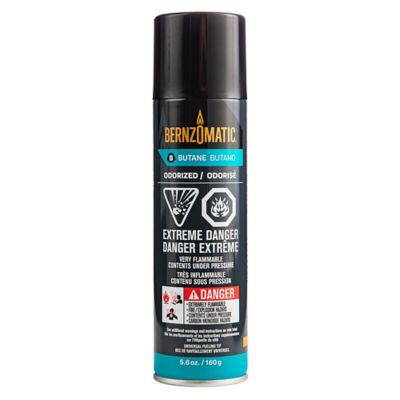
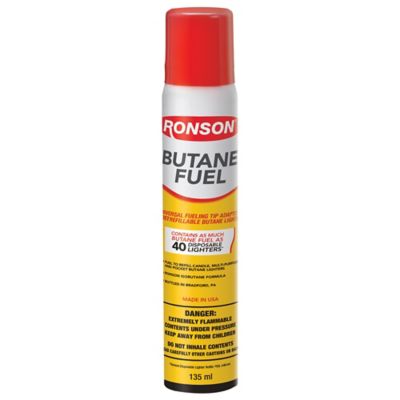
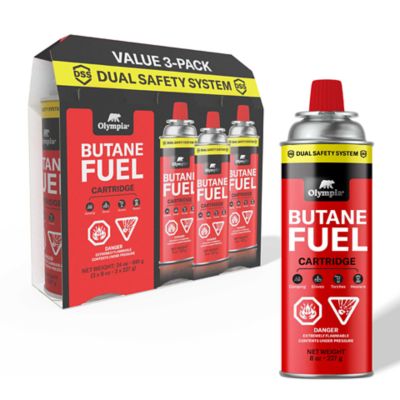
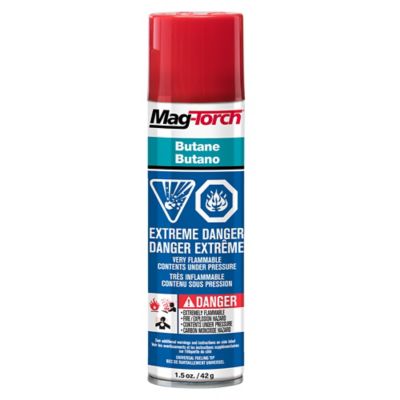
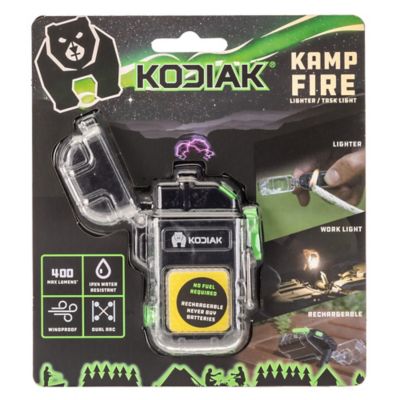
Butane fuel for torch lighters should match the lighter manufacturer’s fuel requirements and refill-valve design. For many refillable torch lighters, that means refined butane formulated for lighter fuel, with a filling tip that fits the inlet valve. A torch lighter feeds fuel through a small jet to produce a concentrated flame, so fuel cleanliness matters. Contaminants and nonvolatile residue can interfere with those small passages and contribute to uneven burning, sputtering, or ignition trouble. Highly refined butane can help limit residue buildup, but a refinement count on the label is not a universal performance rating. A higher number alone does not establish that one fuel will work better in every lighter. The clearest starting point is the lighter’s stated fuel specification, followed by the refill container’s labeling and compatibility information. Butane is stored as a liquid under pressure inside the refill container and the lighter’s reservoir, then becomes gas as pressure drops during operation. That compact storage makes it practical for small refillable tools that need a focused flame without a hose or a separate fuel tank. Around a workbench, a torch lighter may serve as an ignition tool for suitable equipment; in other settings, it may be part of an adult cigar enthusiast’s kit. The intended job still needs to fall within the lighter’s approved applications. A concentrated torch flame behaves differently from the softer flame of an ordinary pocket lighter, and fuel choice does not change those limits. Flame count, burner design, flame setting, and the length of each lighting session all affect consumption. A larger refill container may provide more total fuel, but it does not increase the lighter’s tank capacity or promise a particular number of refills. Those details matter more than broad claims about a hotter flame or longer operation, especially when the lighter already has a specified fuel type and operating range.
Fit deserves just as much attention as fuel formulation. Lighter-refill containers commonly have a narrow dispensing stem, and some include adapters for different inlet shapes. An assortment of adapters can broaden compatibility, but it does not make every container suitable for every lighter. The stem or adapter needs to match the inlet closely enough to transfer fuel without forcing the connection or allowing excessive escape. A valve that looks similar is not proof of a proper fit. Checking the lighter’s manual and the container’s stated applications helps avoid that mismatch before a refill is attempted. Container size is another practical consideration. A compact can takes less room in a designated storage spot, while a larger can holds more fuel for repeated refilling. Compare the stated net contents rather than judging capacity by the container’s height or width, since packaging shapes can be misleading. Fuel may be labeled by weight or volume, so matching the units makes comparisons clearer. The pressurized metal container, dispensing valve, and protective cap all have a part to play: the body contains the fuel, the valve controls release, and the cap helps shield the dispensing tip between refills. Dents, corrosion, valve damage, or a missing label are reasons to set a container aside and follow the supplier’s safety guidance rather than put it into service. The fuel blend matters, too. Butane lighter fuel, propane fuel, and mixed-gas cartridges are not automatically interchangeable, even when each powers a small flame-producing appliance. Related equipment such as
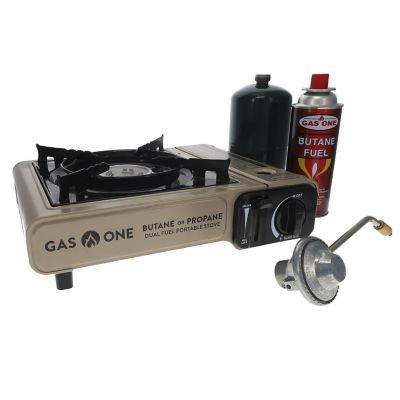
Butane Cooking Stoves has its own cartridge connections and fuel requirements. A stove cartridge should not be treated as a lighter refill simply because both labels mention butane. Keeping each fuel with its original label and matching it to the intended equipment makes a shared workshop, outdoor cooking setup, or utility storage area easier to manage without confusion.
For someone who reaches for a torch lighter regularly, a compatible refill can be a practical addition to the tool kit rather than a throwaway accessory. It can also make a sensible companion gift for an adult who already owns a refillable lighter, provided the fuel specification and valve fit are known. Guessing at compatibility leaves the recipient with another can to store and no assurance it suits the lighter. Care is mostly about protecting the fuel container and keeping the lighter’s filling area clean. Sawdust, pocket lint, and other debris around the inlet can interfere with a connection, so a clean storage spot matters in a busy shop or garage. Cleaning and maintenance should follow the lighter manufacturer’s directions; probing a jet or valve with an improvised tool can damage small parts. Fresh fuel also will not repair a worn seal, a damaged burner, or a faulty ignition system. Persistent leaks, repeated misfires, or an irregular flame call for inspection according to the maker’s guidance, not repeated refilling in hopes of fixing the problem. Because butane is highly flammable and the container is pressurized, refilling belongs away from flames, sparks, smoking, and other ignition sources, with ventilation as directed on the label. A lighter needs to be extinguished and cool before refilling, and any suspected leak needs attention before ignition. Storage should keep containers away from heat and direct sunlight, beyond the reach of children and pets, and protected from punctures or crushing. Keep the cap in place when supplied, retain the original packaging information, and follow local disposal requirements for pressurized fuel containers. Even a container that seems empty can retain flammable vapor. The right butane refill comes down to a straightforward match: the specified fuel, a compatible filling connection, useful container capacity, and clear handling information. Getting those basics right supports steady lighter operation and keeps a simple refill from turning into an avoidable hassle.