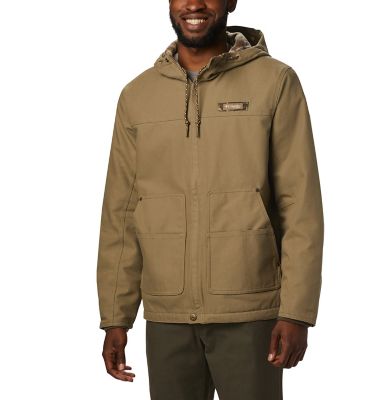
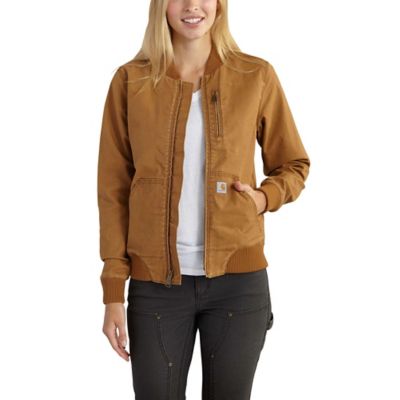
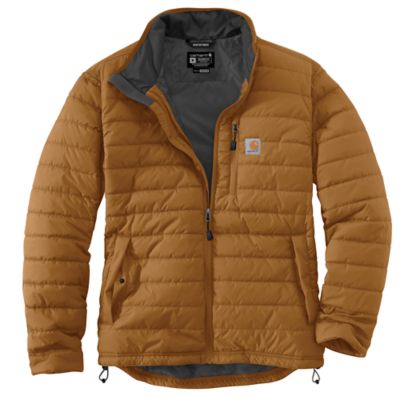
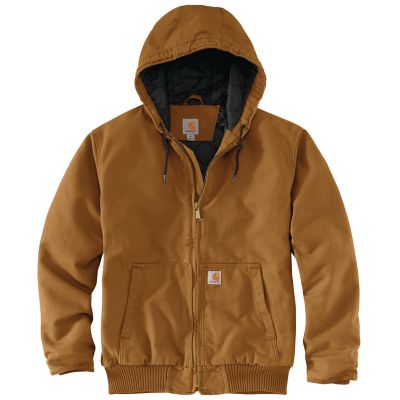
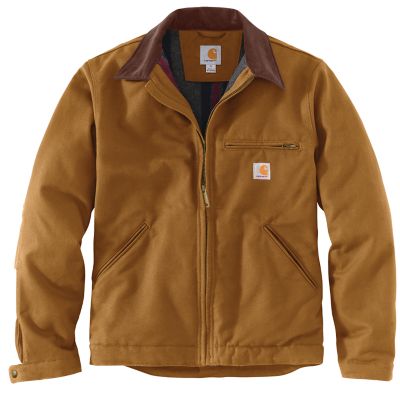
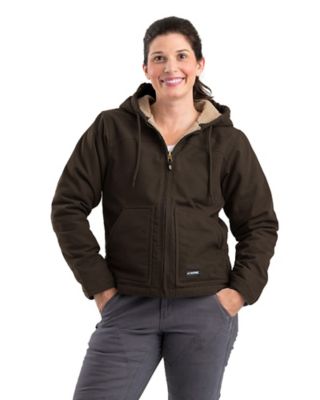
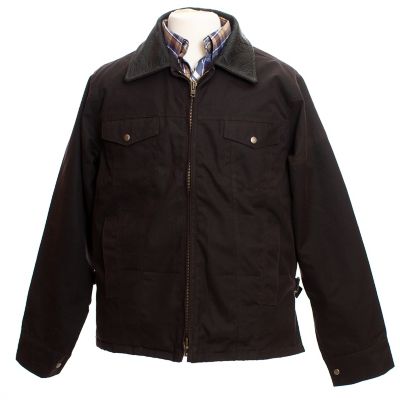
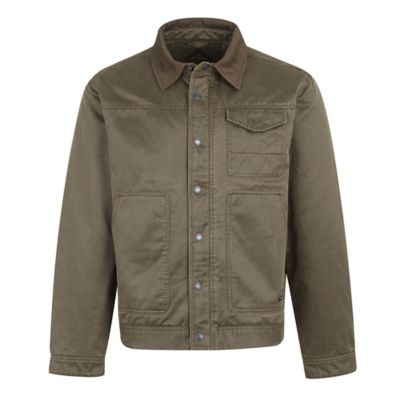
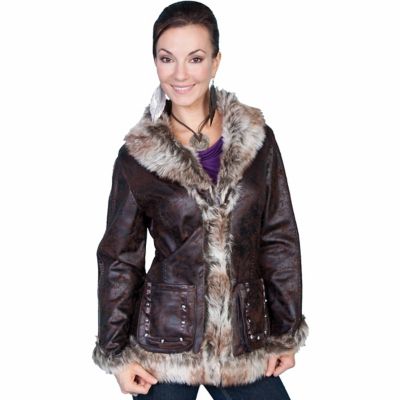
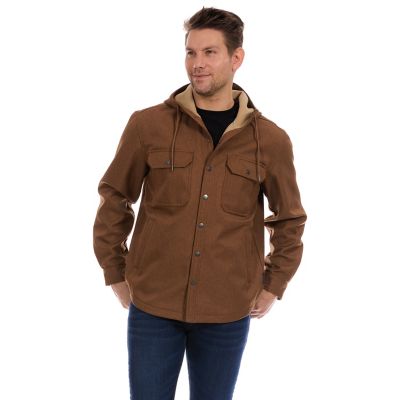
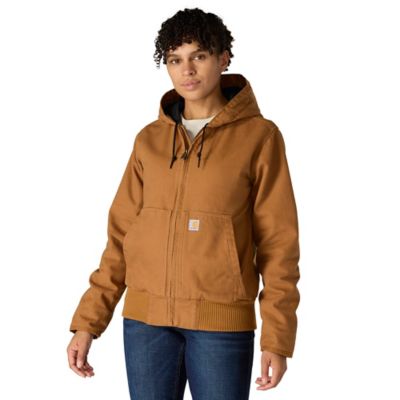
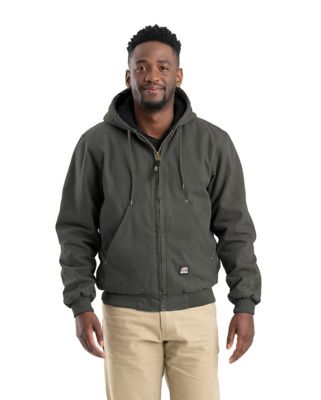
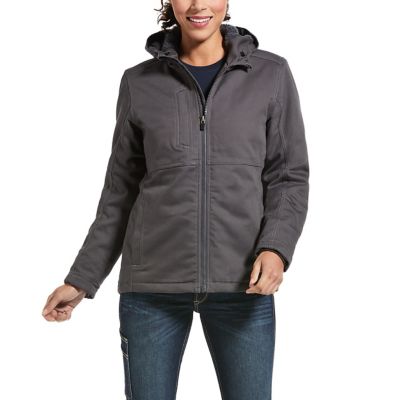
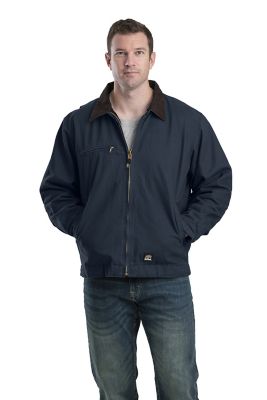
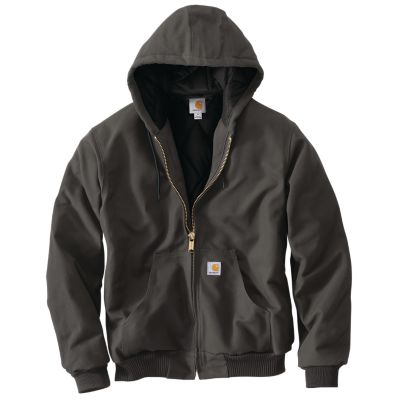
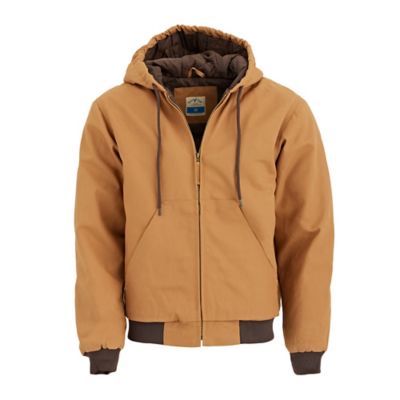
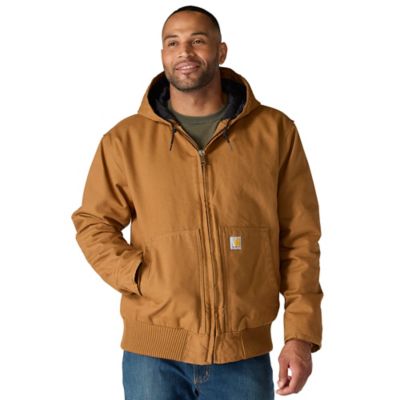
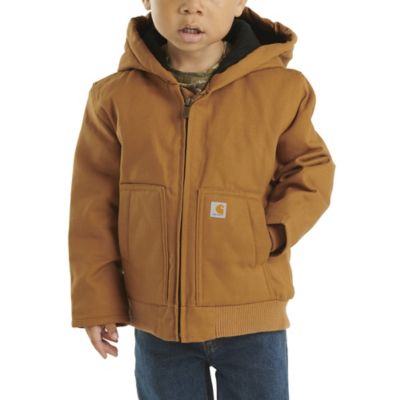
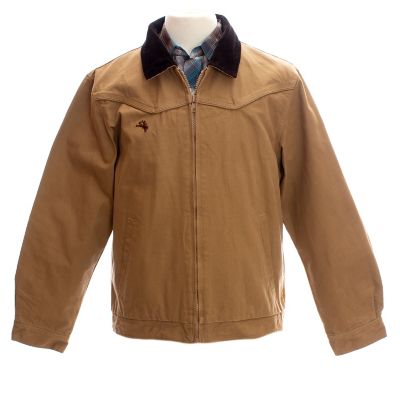
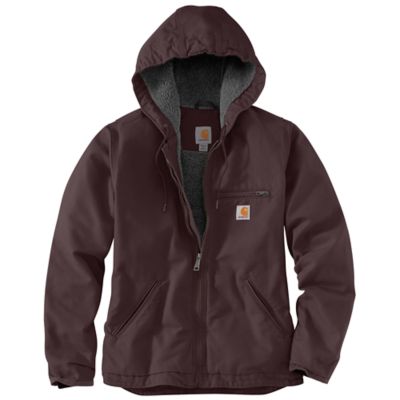
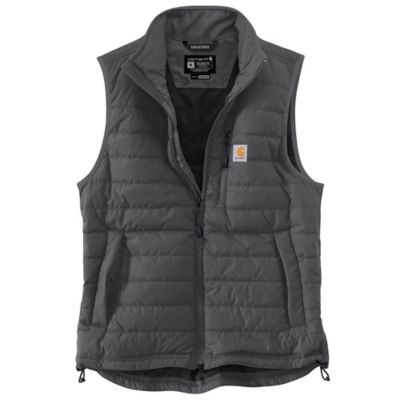
A brown fall jacket brings together practical coverage, easy layering, and a color that feels right beside blue jeans, work boots, and a flannel shirt. Brown shades range from light tan and warm caramel to chestnut and deep chocolate, giving this everyday outerwear plenty of range without making an outfit feel dressed up. Lighter shades offer a softer contrast with dark denim, while deeper browns pair well with cream sweaters, olive pants, and faded blue shirts. The fabric and cut help shape the jacket’s purpose: cotton canvas and duck cloth have a sturdy feel suited to everyday outdoor tasks, corduroy adds a ribbed texture, and leather offers a more structured look that can soften with wear. Suede has a brushed surface that works especially well for outings in dry weather, though it generally needs more protection from moisture and stains. Wool blends bring warmth for colder stretches, while twill and lighter cotton shells make sense when mornings are chilly but afternoons still turn mild. A brown barn jacket typically has a straightforward shape with room through the body, making it a natural partner for chores, trips into town, and weekends around the property. Bomber styles usually sit closer to the waist, with ribbed edges that help contain warmth, while longer utility cuts offer more coverage over the hips. A cropped jacket has a different feel, pairing easily with higher-rise pants but leaving less coverage when bending or reaching. These differences matter beyond appearance. Someone carrying feed buckets across the yard needs freedom through the shoulders, while someone headed to a family supper may care more about a neat silhouette over a sweater. A brown fall jacket can serve either purpose, with its weight, construction, and shape doing more to define its role than color alone. That combination of familiar color and varied styling makes brown outerwear an easy fit for cooler days, whether the schedule includes a morning at the barn or a drive down a country road.
Comfort starts with the space between the jacket and whatever goes underneath it. A close-fitting brown jacket may feel comfortable over a T-shirt yet pull across the back once a sweatshirt joins the mix. Room through the chest, upper arms, and shoulders helps with reaching for a truck door, stacking firewood, or leaning across a fence rail. Extra room should still feel manageable rather than leave loose fabric hanging near tools or equipment. Sleeve length matters, too: cuffs that cover the wrists while arms are extended offer better coverage than sleeves that only fit with hands resting at the sides. Adjustable cuffs, a shaped hem, and a drawcord waist can help manage the fit, depending on the design. For time spent sitting or driving, a shorter cut may keep fabric from bunching at the lap; a longer back can provide welcome coverage during outdoor chores. Inside, lining choices make a noticeable difference. Smooth linings slide more easily over knit sleeves, fleece feels soft and adds warmth, and quilted construction can hold insulation in place. An unlined shell offers less warmth on its own but leaves flexibility for changing layers throughout the day. Insulation needs depend on activity as much as temperature. Brisk work can build heat quickly, while standing at a livestock pen or watching an outdoor game calls for more protection. A hood can help cover the head and neck, and a collar that closes comfortably gives an extra barrier against a breeze. Water-resistant finishes may help with a light shower, but they do not make every jacket waterproof; shell fabric, seams, and closures all affect weather protection. Pocket placement deserves the same practical attention. Hand pockets offer a place to tuck cold fingers, chest pockets keep small essentials within reach, and secure closures help keep keys from slipping out during a busy day. Where a jacket meets the waistband also affects how easily those pockets can be reached while seated.
The way a brown fall jacket holds up over time depends on its fabric, stitching, hardware, and the work it takes on. Closely woven canvas can handle regular rubbing against rough surfaces better than many lighter fashion fabrics, though fabric weight alone does not tell the whole story. Reinforcement at pocket corners, firmly attached buttons, and even stitching at stress points all support everyday wear. Leather needs care that matches its finish, and suede calls for its own cleaning tools and moisture precautions. Neither should be treated like a washable cotton shell. Even within cotton and corduroy styles, linings, trims, and surface treatments can change the care requirements, so the sewn-in label is the best starting point. Closing zippers before laundering can help keep hardware from snagging other fabrics, and following the stated drying directions helps protect fit and finishes. Wool blends may require gentle washing or professional cleaning, depending on their construction. A jacket that gets damp during chores benefits from proper drying before it goes back into a closet, with leather kept away from direct heat that can dry it out. Between wears, brushing away loose dirt and addressing spills promptly can keep a brown surface looking cared for without unnecessary washing. Those small habits matter for outerwear that moves between the mudroom hook, the truck seat, and a walk across the pasture. Brown jackets also make thoughtful gifts for people who spend plenty of time outdoors, provided the fit leaves room for their usual layers and the care needs suit their routine. A parent who tends a garden, a friend who enjoys cool-weather walks, or a family member who likes a simple jacket for town may each favor a different weight and cut. For a brighter cold-weather look alongside earthy brown, a
Red Winter Jacket offers another color direction. Brown remains an easy match for an everyday wardrobe, carrying the same grounded look from a light layer over a work shirt to a lined jacket worn with a sweater as the air turns colder.