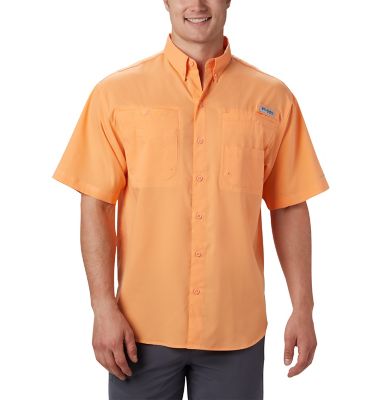
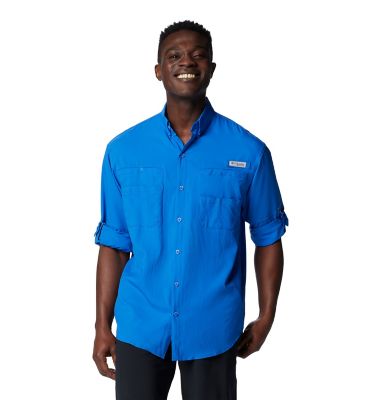
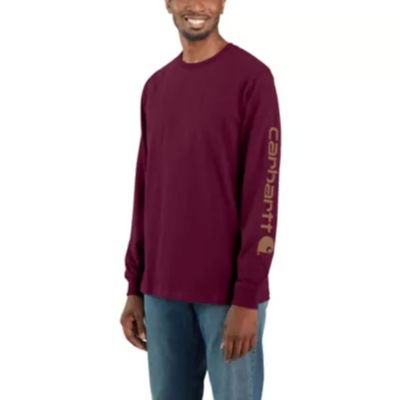
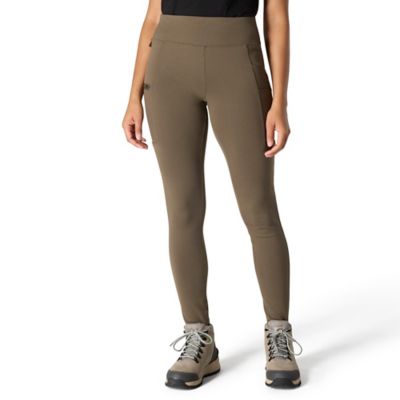
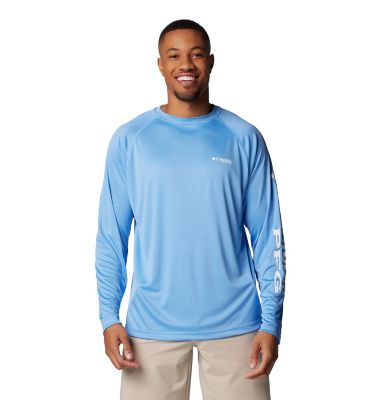
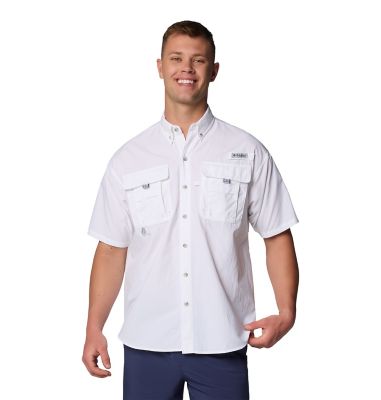
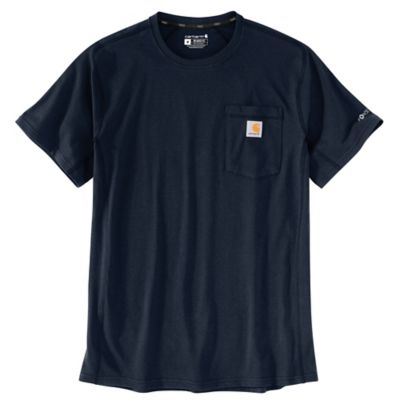
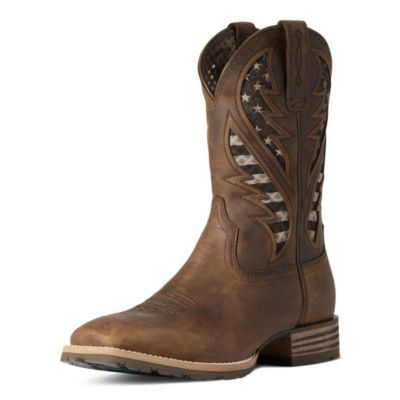
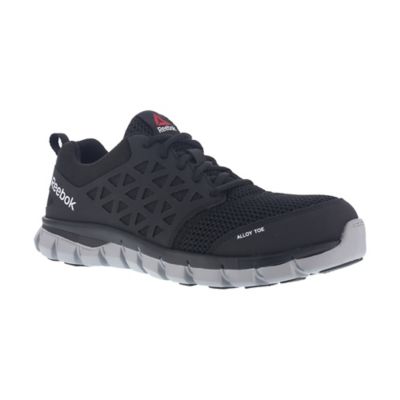
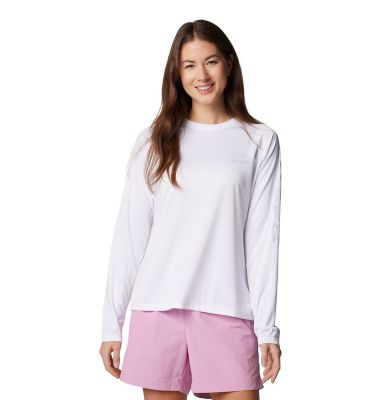
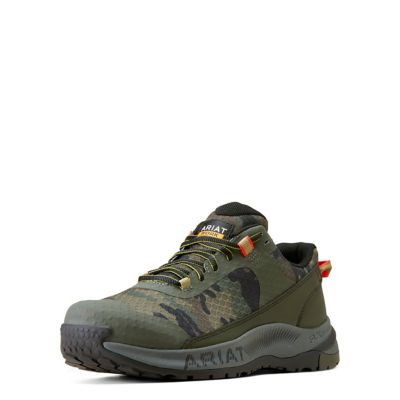
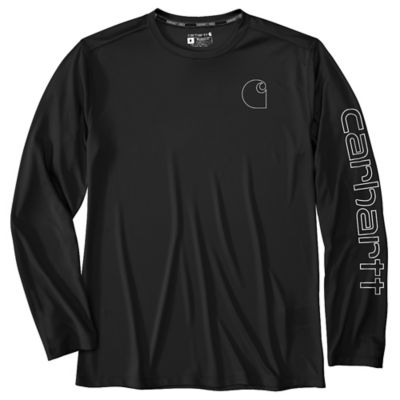
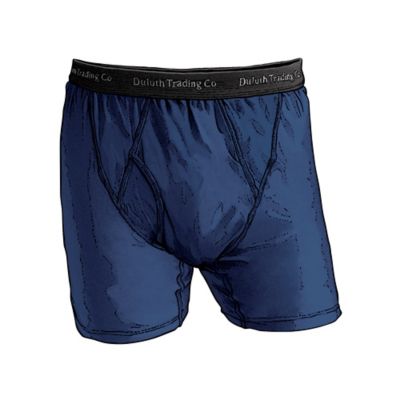
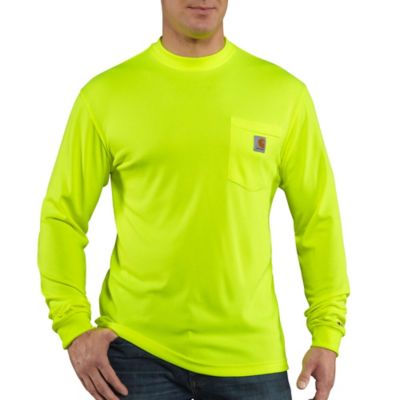
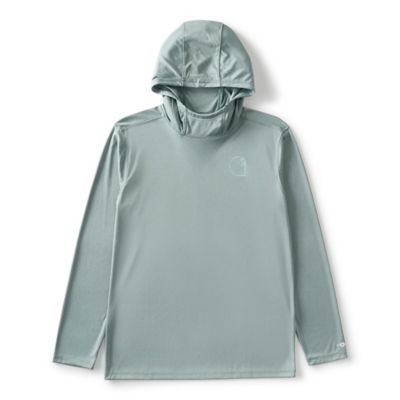
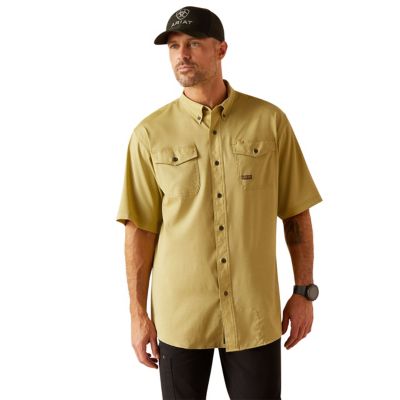
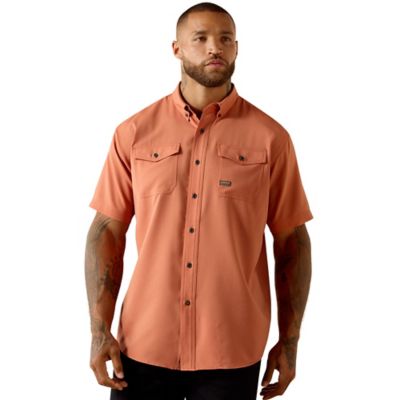
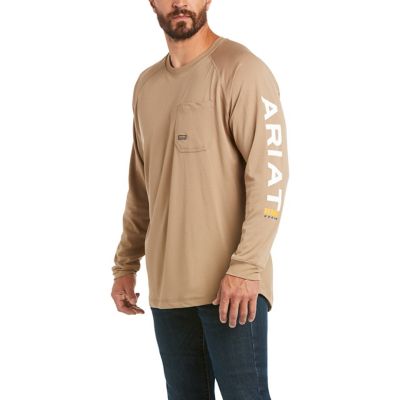
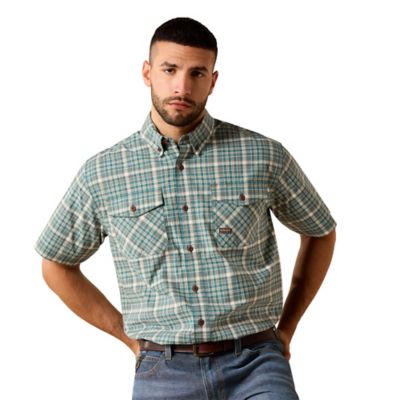
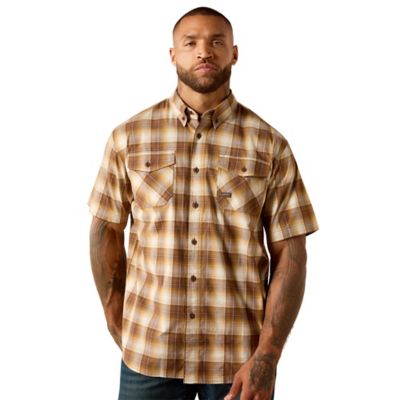
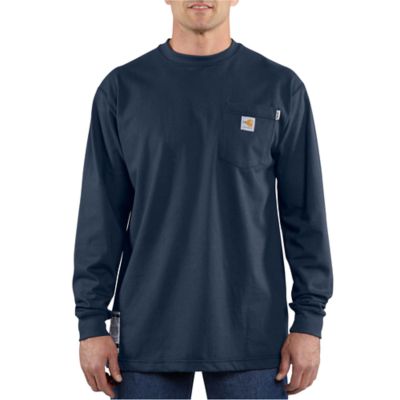
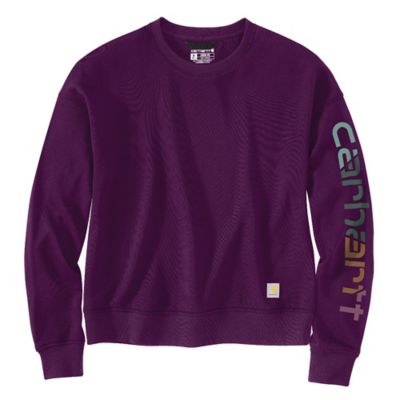
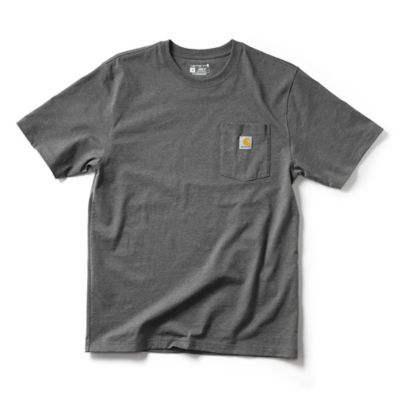
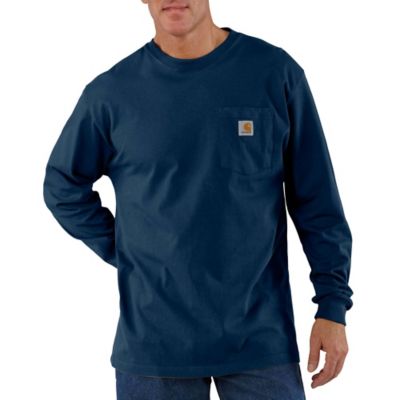
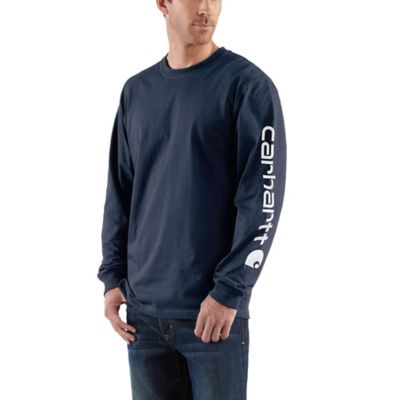
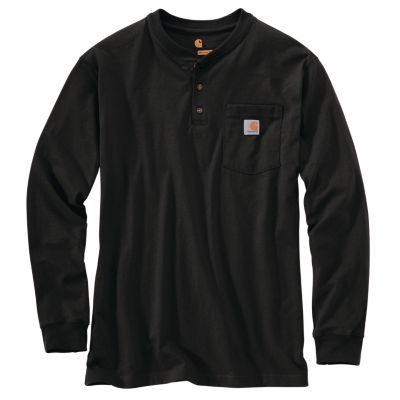
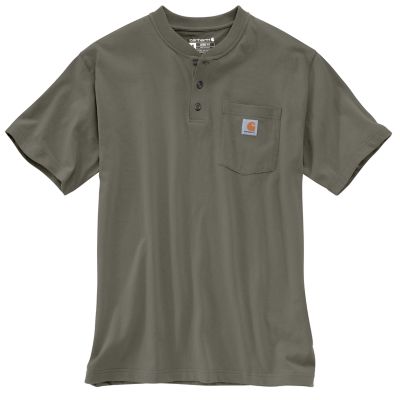
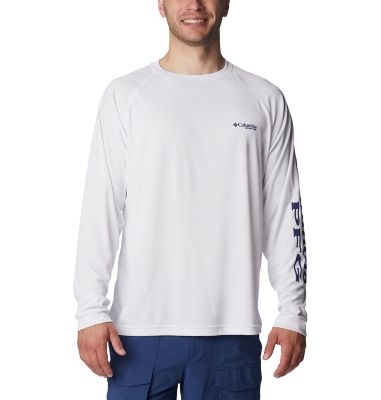
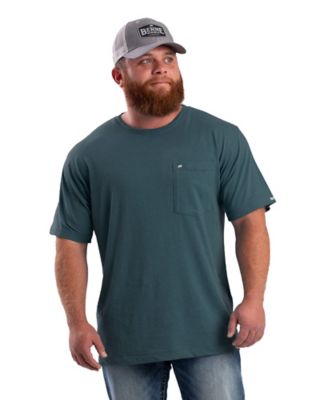
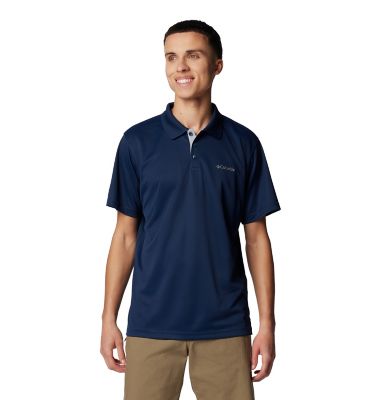
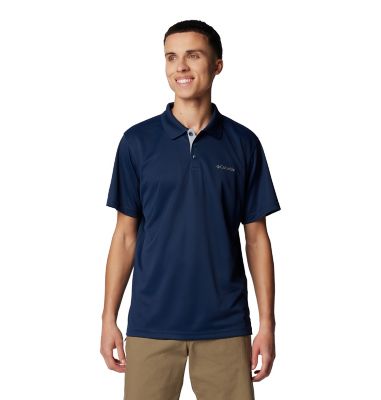
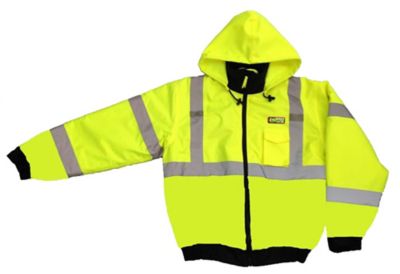
Breathable clothing helps you stay more comfortable when the day starts cool, the sun comes out, or the work at hand has you moving hard. These garments are made with lightweight, airy fabrics and practical fits that allow air to move around your body while helping heat and sweat escape. On the farm, that can make a long stretch of fence work, feeding chores or time in the tractor seat feel a whole lot easier. The same goes for walking the dog, working in the yard, traveling, exercising or spending a full day outdoors with the family. Look for shirts, pants and layers made with an open weave or smooth, lightweight material that does not cling. Loose and relaxed fits generally encourage better airflow than tight clothing, while lighter colors can reflect sunlight instead of soaking up heat. Natural fibers such as cotton are soft, familiar and comfortable for everyday wear, though cotton tends to hold moisture longer after you sweat. Linen has a naturally open weave and dries quickly, making it a handy choice when airflow is the priority. Rayon and Tencel offer a smooth drape that feels cool against the skin, and performance fabrics made with polyester or nylon blends are often designed to pull moisture away from the body so it can evaporate faster. Each fabric has its own feel, so consider whether you prefer the soft, broken-in comfort of a natural fiber or the quick-drying performance of a synthetic blend.
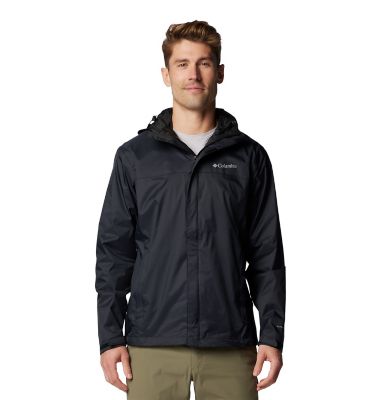
When choosing breathable clothing, start with the kind of work and weather you expect to face. A loose shirt may feel just right while hauling feed on a warm afternoon, but a moisture-wicking layer can be more useful when you are splitting wood, walking rolling pasture or working up a sweat. Check the fabric weight, weave and stretch, and pay attention to areas that tend to trap heat, including the underarms, waistband and back of the neck. Room through the shoulders and seat makes it easier to reach, bend and climb without fabric pulling tight. Flat seams, soft waistbands and tag-free necklines can also help prevent rubbing during a long day. Breathability does not mean a garment has to be flimsy or suited only to hot weather. During the cooler months, a breathable base layer can help move moisture away from your skin beneath a warmer shirt, vest or jacket, keeping you from feeling damp when you come back inside or slow down after a hard job. If wind and wet weather are part of the day, look for outer layers that balance protection with ventilation. A helpful place to continue browsing is
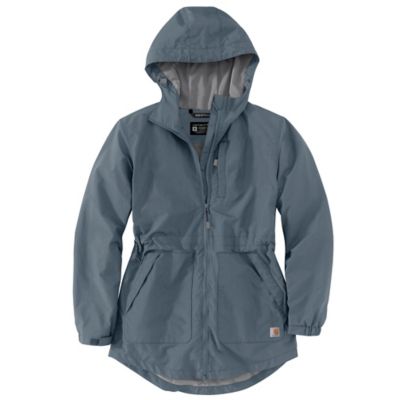
Breathable Rain Jackets for Men, especially for outdoor work where staying dry matters but a heavy, stuffy layer gets uncomfortable. Fit matters just as much as fabric. Sleeves should cover the wrist without getting in the way, pant legs should allow a full stride, and the hem should stay put when you bend or reach. Care instructions matter, too. Washing performance fabrics as directed and skipping heavy softeners when recommended can help preserve their moisture-moving finish.
Breathable clothing also makes a practical gift for anyone who spends time outside, from a ranch hand or gardener to a hunter, dog walker, camper or weekend DIYer. It is a thoughtful choice for someone who is always on the go because comfortable layers get plenty of use in the truck, barn, shop and around the house. For a gift, consider the recipient’s usual routine, preferred fit and the conditions they face rather than choosing by appearance alone. Someone who works outdoors may appreciate durable, easy-care fabric and a cut that leaves room for movement, while an active person may prefer stretch, fast drying and a close but nonrestrictive fit. A breathable shirt can be worn on its own when the air is mild or layered under warmer clothing when temperatures dip. Lightweight pants can help with everyday chores, travel and recreation without feeling stiff or heavy. Neutral shades are easy to work into an existing wardrobe, while light colors can be especially comfortable in bright sunshine. For anyone who spends early mornings outside, layering is the reliable approach: begin with a breathable next-to-skin layer, add warmth as needed, and choose an outer layer that helps block wind or rain without trapping too much heat. Keep a spare layer in the truck or mudroom for changing conditions, and let damp garments dry fully before storing them. With the right fabric, fit and layering plan, breathable clothing can help you stay ready for a busy day outdoors, whether the job involves muddy boots, a dusty gate, a brisk trail or a chilly ride home.