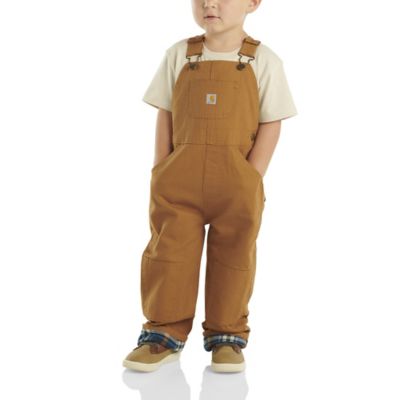
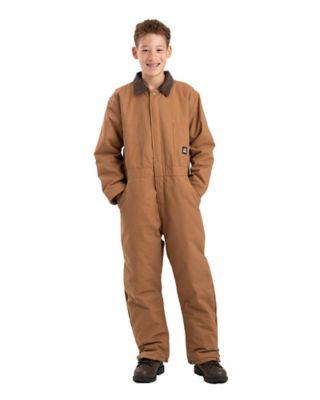
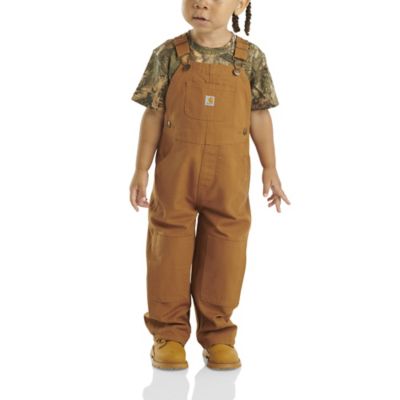
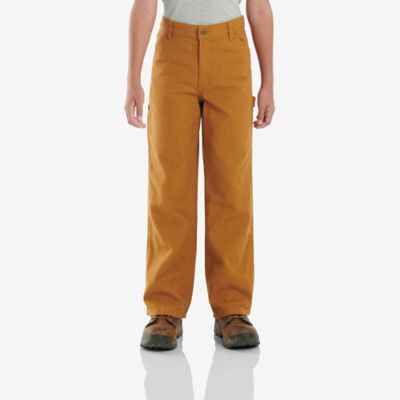
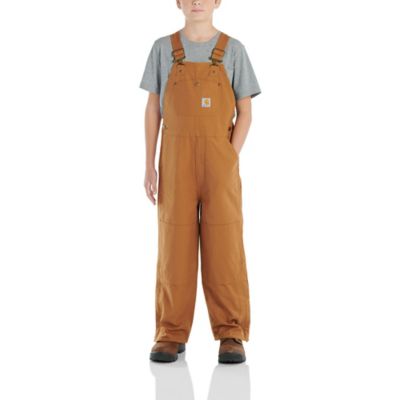
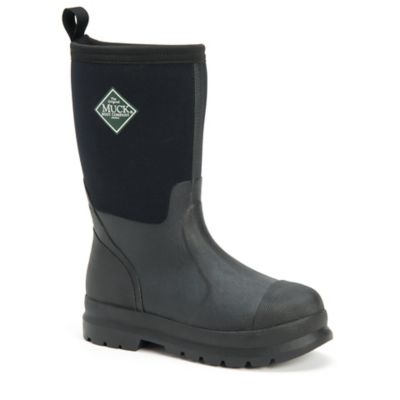
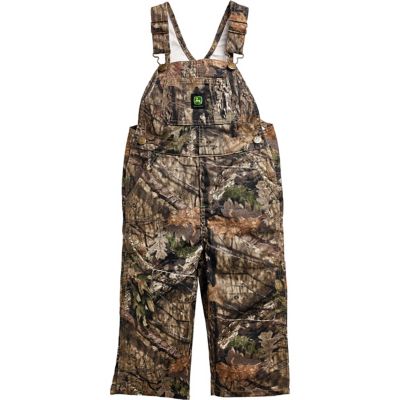
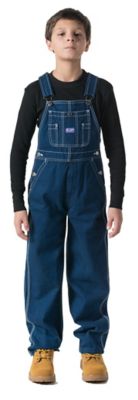
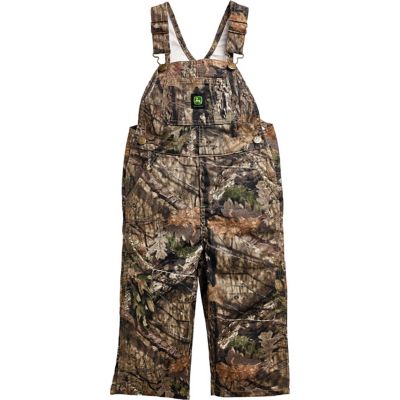
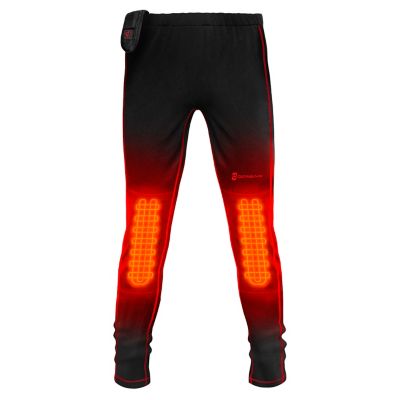
Boys' snow pants help keep snowy adventures comfortable, whether the day brings sledding behind the house, building a fort by the fence line or walking out to the barn with the family. They add protection that everyday pants cannot provide when kids kneel in snow, sit on a sled or brush against wet drifts. The category includes insulated snow pants, lighter shell pants and snow bibs, with different combinations of weather protection, warmth and coverage. Nylon and polyester are common outer fabrics because they are lightweight, dry relatively quickly and stand up to the rubbing that comes with active play. Water-resistant fabric can shed light snow and brief contact with moisture, while waterproof construction offers more protection against melting snow and slush. The distinction matters when a quick trip outside turns into an afternoon spent making snowballs. Sealed seams help keep moisture from working through stitching, and a water-repellent surface treatment encourages droplets to bead on the outer fabric. Not every pair has the same construction, so those details matter more than a thick appearance alone. Synthetic insulation, often made from polyester fibers, adds warmth without making every step feel stiff or heavy. Insulation amounts vary, and the best match depends on activity level, the layers underneath and the conditions where the pants will be worn. A child riding a sled downhill and walking back up may need a different balance of warmth and breathability than one standing along the edge of a snowy field. Breathable fabrics let some moisture vapor escape, helping limit the damp feeling that can develop during hard play. Some styles also have ventilation openings for releasing extra heat. Wind-resistant construction helps cut the chill across open ground, while a smooth lining makes it easier to pull snow pants over a base layer. Together, these features give boys winter pants suited to everything from backyard fun to family trips to the ski hill, with protection matched to how much time they spend in the snow.
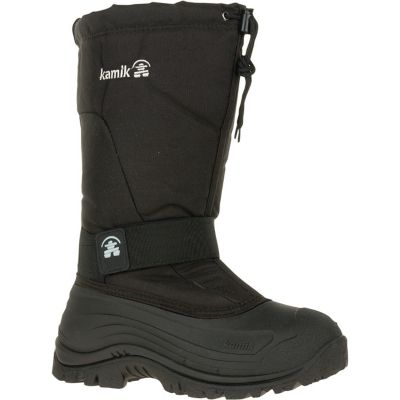
Fit makes a difference once a boy starts climbing a snowbank, crouching to pack a snowball or stepping over a sled. Boys' snow pants need enough room through the seat, thighs and knees for movement and a light insulating layer underneath, without so much extra fabric that the legs drag or catch under boots. Articulated knees and shaped seams can make bending feel easier, while an adjustable waistband helps keep pants in place over changing layers. Regular waist-style snow pants are straightforward to pull on and take off, which can be handy for school days and quick breaks indoors. Boys' snow bibs provide higher coverage through the front and back, with shoulder straps that help hold everything up. That extra coverage helps limit snow slipping inside when a jacket rides up during a tumble or a long reach for the top of a snowman. Adjustable suspenders allow changes in torso fit, though the bib should still leave room to sit and squat without pulling at the shoulders. Front closures and easy-to-grasp zipper pulls make dressing simpler for smaller hands. At the bottom of the leg, an inner snow gaiter stretches around the outside of a winter boot to help block loose snow. The outer cuff then rests over the boot rather than bunching inside it. Leg openings with zippers or snaps can make that arrangement easier, especially with substantial winter footwear. Reinforced knees, seat panels and cuffs add protection in places that see repeated contact with packed snow, sled edges and boot soles. Some designs include extendable hems that release extra leg length as a child grows; that feature varies by style and does not replace a comfortable fit through the hips and waist. Size charts based on body measurements are more useful than age alone, especially when boys fall between sizes. Secure pockets offer a place for small essentials, while covered closures help keep snow from collecting around openings. These practical details support everyday wear without getting in the way of play.
Snow pants earn their keep through repeated outings, and a little attention between adventures helps them stay ready for the next snowfall. After a day outside, loose snow can be brushed away before the pants come indoors, and damp cuffs need a chance to dry fully. Hanging pants where air can circulate helps moisture escape from folds, pockets and the inside of bibs. Care labels determine the washing method, since waterproof coatings, membranes and insulation do not all call for the same treatment. Many technical fabrics call for a gentle wash and a suitable detergent, while fabric softener can interfere with moisture management or water-repellent performance. High heat is not right for every garment, and direct contact with a heater can harm fabric or trim. Some water-repellent finishes benefit from a care-label-approved drying treatment or an appropriate renewal product after repeated washing. Small tears, loose stitching and worn cuff edges are easier to address before they become bigger openings for snow. Fully dry storage also helps prevent musty odors between outings. For everyday comfort, moisture-managing base layers and socks work alongside snow pants, while a jacket with enough overlap at the waist helps close the gap when a child bends or reaches. Gloves, a warm hat and properly fitting boots complete the outfit for sledding, snow play or a walk across the property. Families getting brothers and sisters ready for the same outing can also explore
girls' snow boots for snowy-day footwear. Boys' insulated snow pants or bibs can make a practical gift for a child who would rather be outside than watch the snow through a window, particularly when the fit leaves room for comfortable layers and easy movement. From a first attempt at snow angels to another trip up the sledding hill, well-fitting snow clothing lets kids spend less time fussing with wet knees and slipping waistbands and more time enjoying the day.