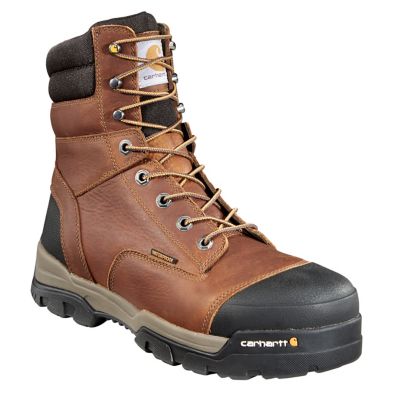
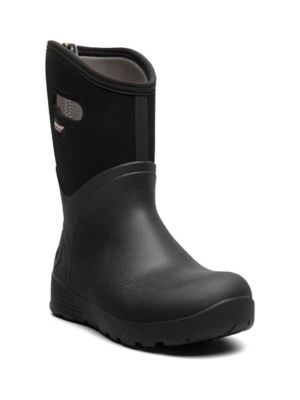
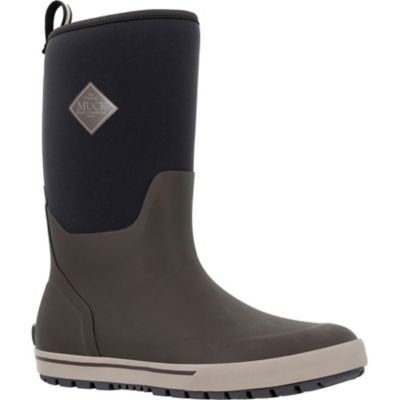
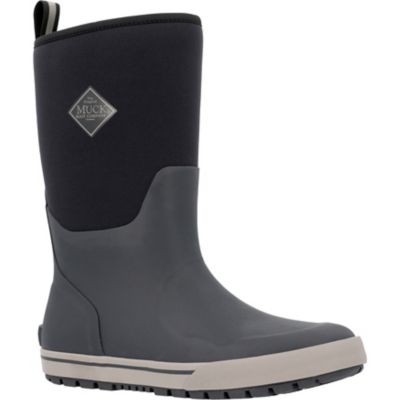
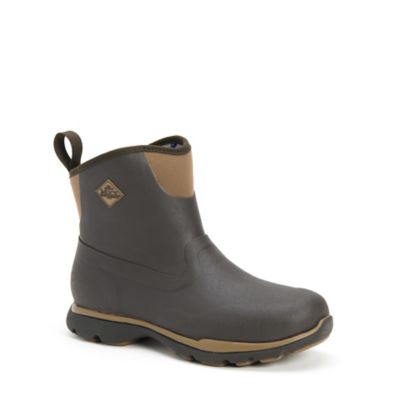
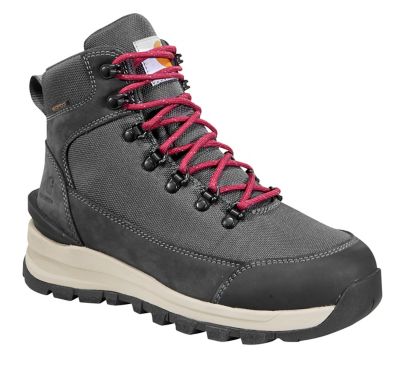
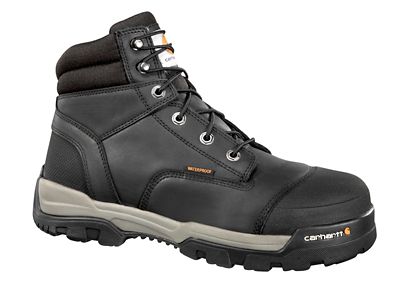
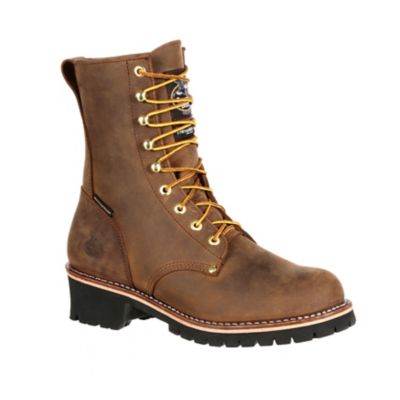
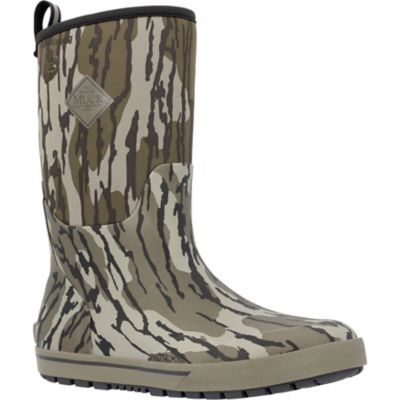
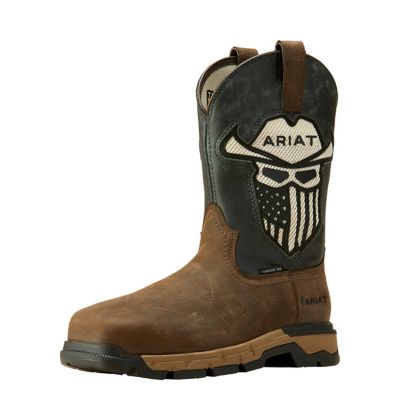
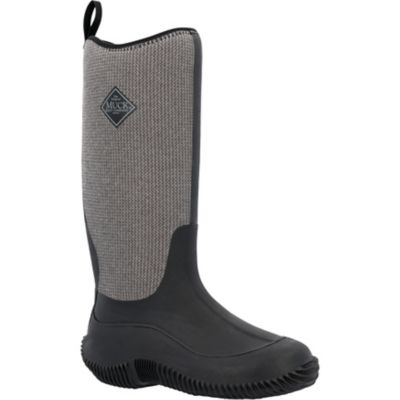
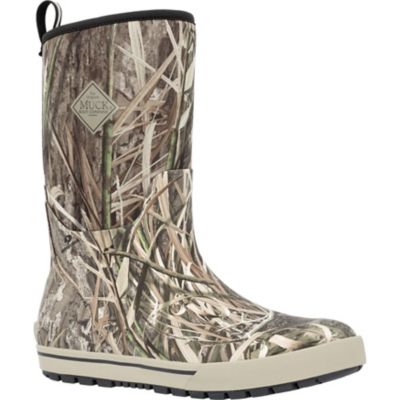
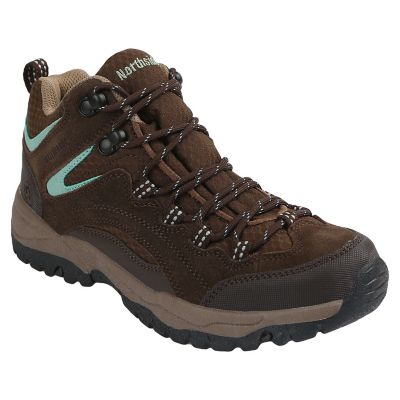
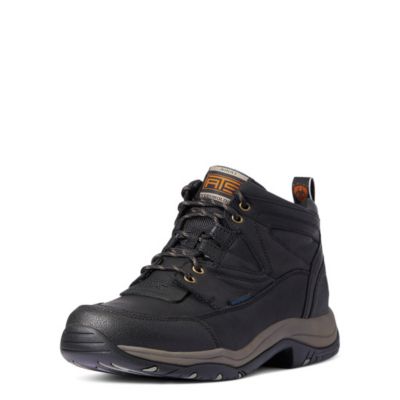
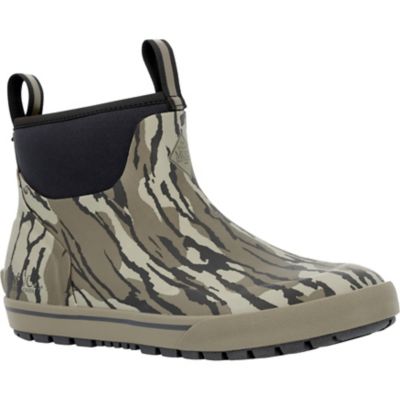
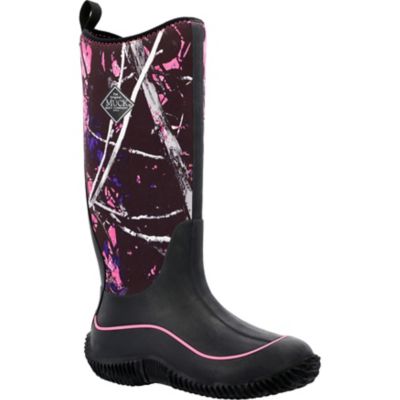
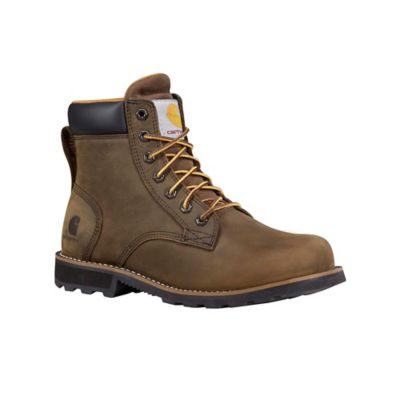
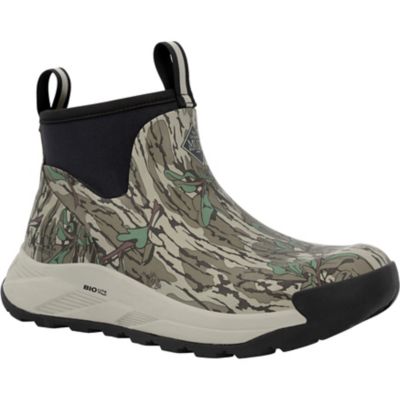
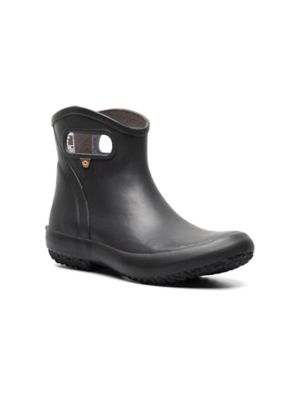
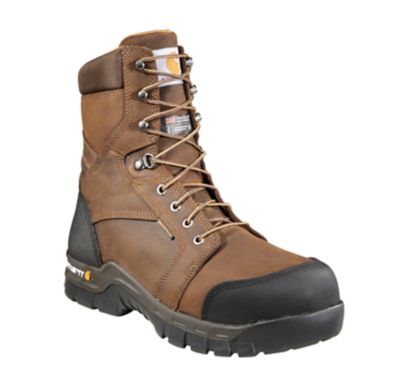
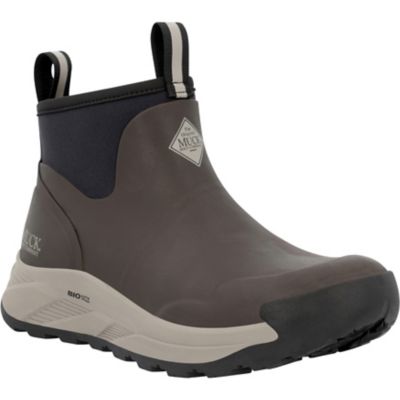
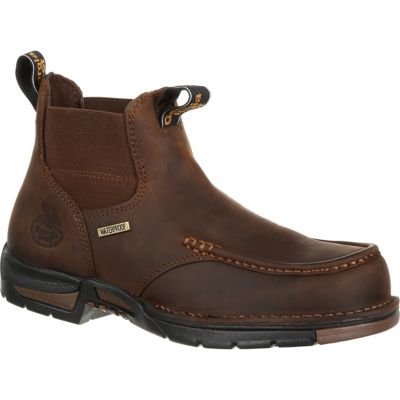
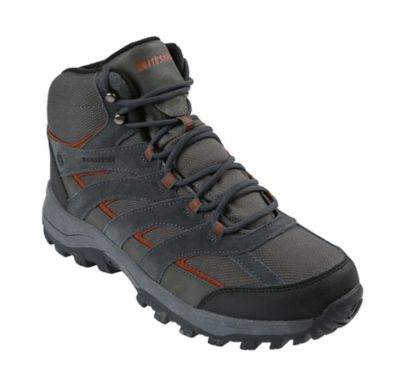
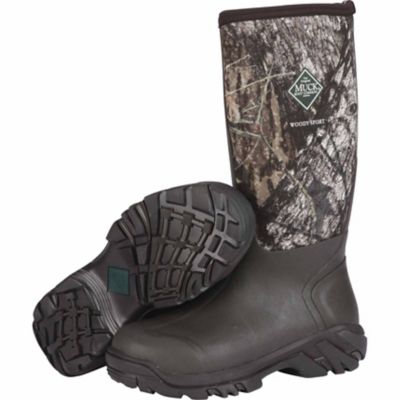
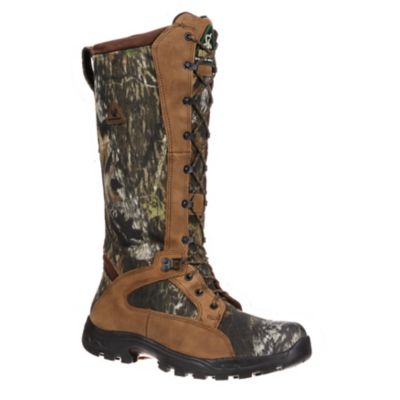
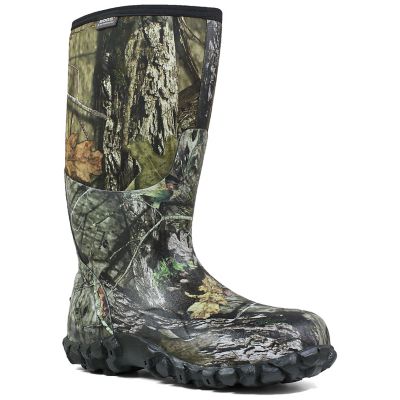
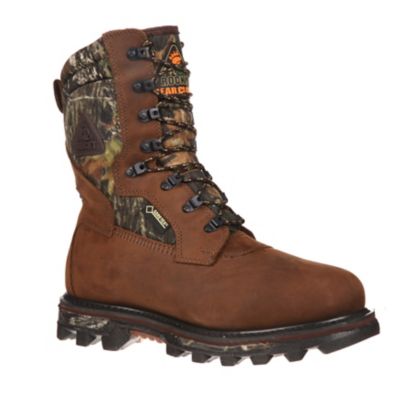
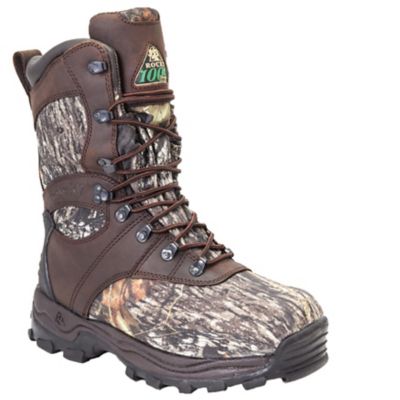
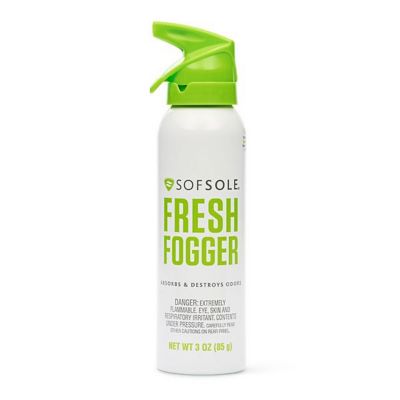
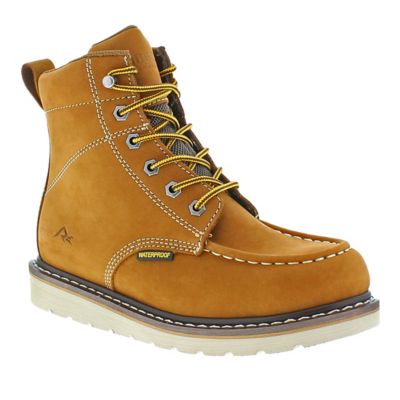
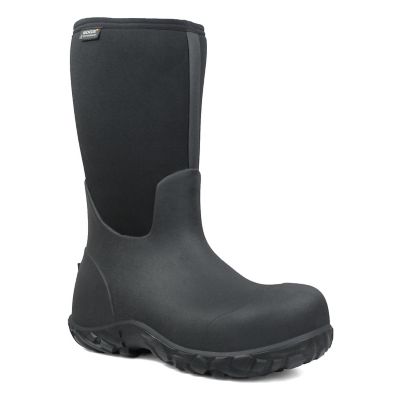
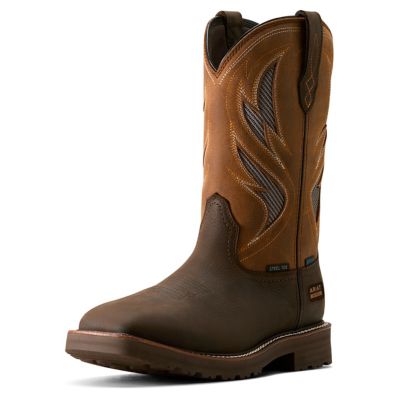
Breathable materials, moisture-wicking linings and a comfortable fit are the main things to look for in boots for sweaty feet. Long hours walking fence lines, standing at a workbench or carrying feed can leave feet damp even when the ground stays dry. The right boot construction helps moisture move away from the skin and gives it a path to escape, rather than holding it against the foot. Breathable textile panels and mesh linings can encourage airflow, while leather offers coverage and structure for demanding chores. Leather construction varies, though, and a thick upper with a heavily padded lining will feel different from a lighter, less layered design. Moisture-wicking linings help spread perspiration across the fabric so it can evaporate more readily; they do not stop feet from sweating. The outer construction matters just as much, since moisture still needs somewhere to go after it leaves the sock. For work around wash bays, wet bedding or standing water, waterproof protection may be necessary, but a waterproof boot is not automatically the best choice for managing perspiration. Breathable waterproof membranes can allow some moisture vapor to escape, though performance depends on the full boot design and working conditions. Rubber boots keep outside water away from the foot, but their limited airflow makes sock choice and drying time especially important. Insulated linings add another layer around the foot, so the amount of lining deserves attention when moisture management is a priority. A straightforward leather or textile work boot may make more sense for dry shop tasks than a heavily layered waterproof design. The goal is a balance between protection from the job and enough breathability for the person wearing the boots. That balance can look different for someone moving between stalls all day and someone spending a shift in one spot on a concrete floor. Neither situation calls for a promise of perfectly dry feet, but thoughtful materials can make dampness easier to manage.
Fit has a big say in how boots for sweaty feet feel by the end of a workday. A cramped toe box presses toes together and leaves less room for socks to do their job, while an overly loose boot lets the foot slide and rub. A steady heel, comfortable instep and enough space to wiggle the toes help create a fit that stays comfortable through walking, kneeling and climbing. Width matters as much as length, especially when a safety toe is part of the construction. A protective toe cap should leave room around the toes without requiring a longer boot that slips at the heel. Trying boots with the same type of socks worn for chores gives a better sense of how the whole setup will feel. Moisture-wicking synthetic socks and merino wool blends can move perspiration away from the skin, while cotton tends to hold moisture once it gets damp. Sock thickness also changes the fit: a thick cushion may feel good underfoot but take up space inside a close-fitting boot. Removable footbeds offer another consideration, giving shoppers a way to compare cushioning, arch shape and drying access. A footbed should sit flat and leave enough room above the foot rather than lifting the heel out of its intended position. When low arches are also a concern,
boots for flat feet are worth considering alongside moisture-managing features. Support and breathability serve different purposes, and neither makes up for a poor fit. Intended work matters, too. Barn chores may call for traction on slick surfaces, while warehouse work may put more emphasis on cushioning for repeated steps across concrete. Jobs involving impact, compression or electrical hazards call for the appropriate safety rating rather than a choice based on airflow alone. Pull-on and lace-up styles can both suit sweaty feet; the better choice depends on the construction, the fit and how much adjustment the wearer needs.
Everyday care plays a large part in keeping moisture-managing boots comfortable and helping them last. Sweat can collect in socks, linings and footbeds, and a boot that stays damp between wears starts the next chore session at a disadvantage. Removable insoles make it easier for the inside of the boot to dry, while loosened laces and an open tongue expose more of the lining to air. Pull-on boots also benefit from an open shaft and a well-ventilated drying spot. Allowing boots to dry fully between wears helps limit lingering dampness and odor; rotating between pairs can give each pair more drying time when the work schedule allows it. Fresh socks matter just as much as a fresh start inside the boot, and a spare pair can be handy after several hours of hauling, walking or working on foot. Cleaning methods should match the materials. Leather generally needs surface dirt brushed away and care products suited to its finish, while textile uppers and synthetic linings may have different cleaning requirements. Manufacturer care directions help keep soaps, conditioners and waterproofing treatments from interfering with the materials or their moisture-handling features. More conditioner is not always better, and a boot lining should not be soaked with leather treatments. Construction details also affect long-term wear: sound stitching, secure sole attachment and reinforcement at high-friction areas all deserve a look. Outsoles need to match the surfaces underfoot, whether that means barn aisles, gravel paths or shop floors, without adding more weight than the job calls for. Inside the boot, worn lining at the heel or a compressed footbed can change comfort even when the upper still looks serviceable. Persistent rubbing, crowded toes or dampness that never clears between wears can signal that the fit, materials or care routine needs another look. For ranch hands, tradespeople and anyone whose day keeps them on their feet, the most useful combination is straightforward: suitable protection, room to move, moisture-managing socks and boots that get a proper chance to dry.