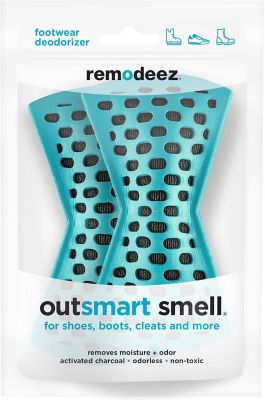
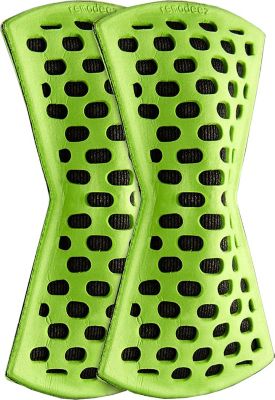
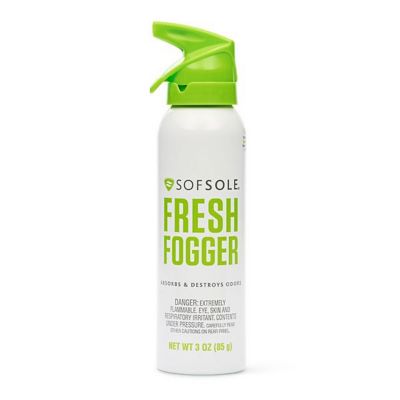
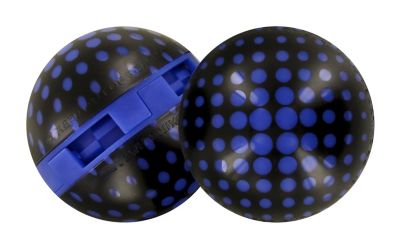
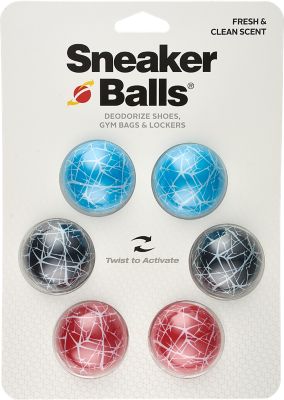
Boot deodorizers help reduce odors inside footwear by absorbing moisture, trapping odor molecules, or applying ingredients formulated to control odor at its source. Sweat and damp linings give odor-causing bacteria a place to grow, which is why a boot that looks clean on the outside can still smell strong when it comes off. The best match depends on the boot’s materials, how much moisture collects inside, and whether the goal is everyday freshening or help with stubborn smells after a long shift. Work boots, pull-on ranch boots, hiking boots, and rubber chore boots have different shapes and linings, so one deodorizing format may suit a particular pair better than another. Sprays can reach the footbed and lining without leaving a loose layer of powder, while powders can help manage moisture along with odor when the footwear’s care directions allow them. Removable pouches and inserts sit inside boots between wearings, keeping their contents contained rather than spreading them across the insole. Depending on the formula, materials such as activated charcoal can trap odor molecules, baking soda can help neutralize certain smells, and silica gel can absorb moisture. Those functions are not interchangeable, and an odor absorber does not necessarily kill bacteria. Antimicrobial claims belong to products specifically labeled for that purpose. Fragrance is another consideration: an unscented option may suit someone who wants less smell without adding a perfume, while a scented formula leaves a noticeable freshening scent. A strong fragrance alone does not mean moisture or the source of an odor has been addressed. For anyone spending hours on concrete, climbing in and out of equipment, or walking from the barn to the feed room, boot odor control is less about covering up a smell and more about keeping everyday footwear pleasant to pull on again. A format that fits the daily routine is often easier to keep up with than one that needs extra handling every time the boots come off.
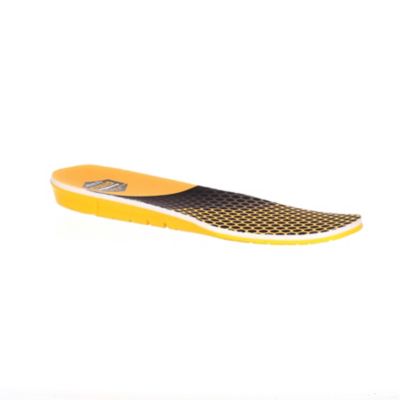
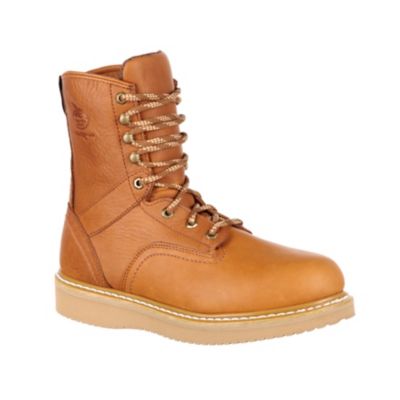
Materials matter because a boot deodorizer goes near surfaces that spend hours against socks and feet. Leather uppers, suede panels, rubber shells, fabric linings, foam footbeds, and waterproof membranes can each have different care requirements. A formula intended for footwear is not automatically suitable for every leather finish or lining, and liquid treatments can leave marks or affect adhesives if the application does not match the manufacturer’s directions. Product labeling and the boot maker’s care information provide the clearest basis for choosing a compatible treatment. Powders deserve attention around dark socks, textured insoles, and deep seams, where residue may collect. Sprays need the specified drying time before the boots go back on, particularly when a lining already holds moisture. Removable deodorizing inserts should fit into the foot area without stretching the shaft, crushing the heel lining, or getting wedged beyond easy reach. Tall pull-on boots can benefit from an insert that is simple to retrieve, while a narrow toe box calls for a shape that slips in without force. These inserts generally belong in boots between wearings unless their labeling specifically allows wear. Keeping the original fit of work footwear matters, especially with safety toes and supportive footbeds, where added material can crowd the toes or change how the heel sits. Odor control also works alongside ordinary boot care rather than replacing it. Dirt, sweat residue, and grime need cleaning suited to the affected surface; a deodorizer does not remove a layer of barn dust or mud. For leather uppers,
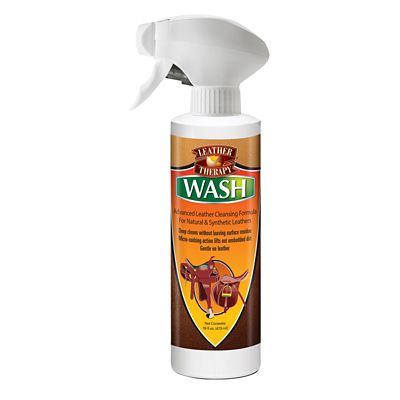
Leather Boot Cleaners serve a separate role from treatments meant for interior odor. Cleaning the outside and managing moisture inside address different parts of the same pair. Removable insoles may have their own cleaning directions, and letting compatible components dry fully helps keep trapped moisture from lingering. Excessive heat can damage leather, foam, and bonding materials, so faster drying is not always better for the boot.
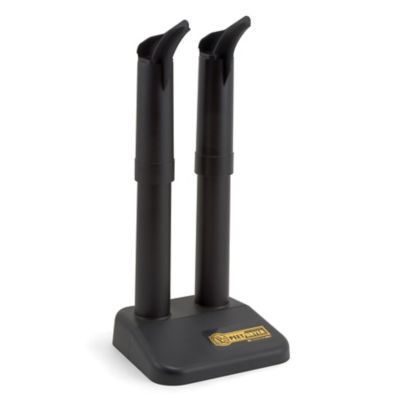
The way boots get worn can help narrow the choice between an occasional freshener and an ongoing moisture-control option. A pair worn through a full warehouse shift may collect sweat deep in the footbed, while chore boots pulled on several times a day may have little time to air out between trips. Boots kept in a gear bag or locker can hold on to moisture and odor longer than a pair with room for air to circulate. A contained absorber can be convenient for storage between wearings, while a compatible spray or powder may fit a routine built around treating the interior directly. None of these formats replaces giving damp footwear enough drying time. Where practical, rotating between pairs gives each set more time to release moisture, and clean socks help limit the sweat residue carried into the lining. For persistent odor, the condition of the insole matters, too: a flattened, dirty footbed can hold buildup that surface freshening will not remove. Deodorizer care varies by format. Some pouches require periodic reactivation according to their labels, some inserts have a replacement interval, and sprays or powders have application limits worth checking before repeated treatment. Contained filling, intact seams, and a shape that tolerates regular handling matter for inserts that get moved in and out every day. Storage matters as well, especially around feed rooms, tack areas, and households with animals; scented powders, sprays, and absorbent packets belong out of reach of children and pets. Boot deodorizers can also be a practical gift for a ranch hand, tradesperson, hiker, or anyone whose favorite footwear puts in long hours, particularly when the format suits the boots they already wear. The most useful choice supports that person’s routine without changing the feel of the footwear or adding a scent they would rather skip. Freshening a hardworking pair is a small part of boot care, but it can make a difference at the mudroom bench, in the truck, or beside the locker after a full day on foot.