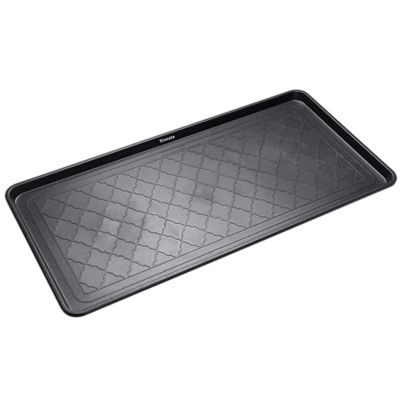
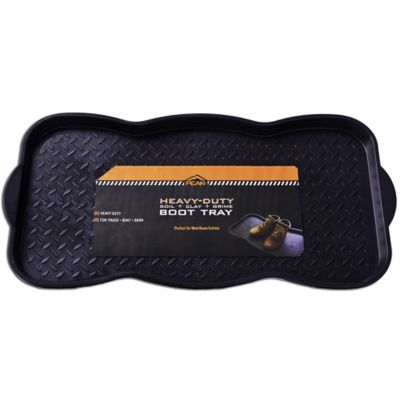
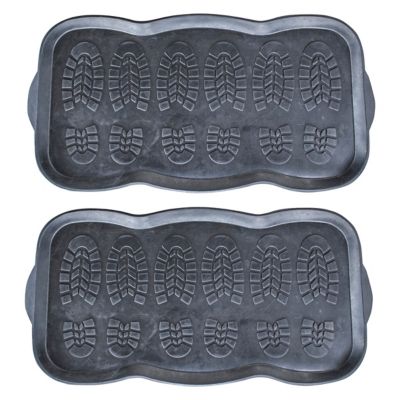
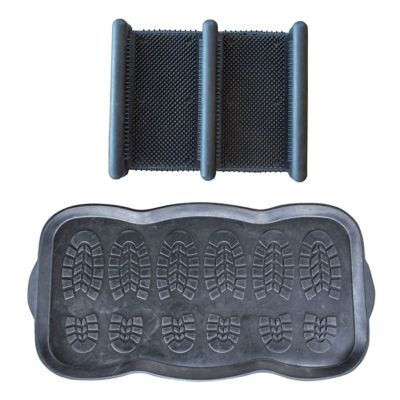
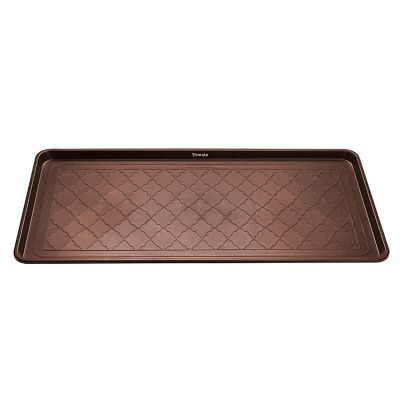
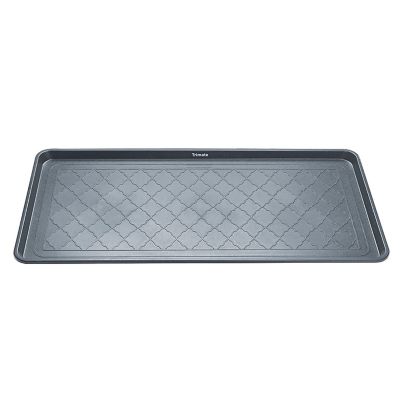
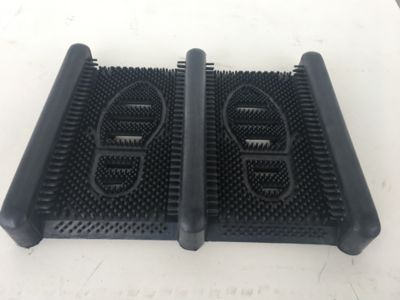
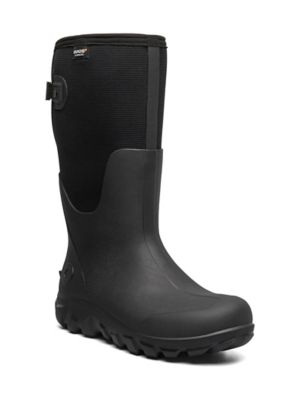
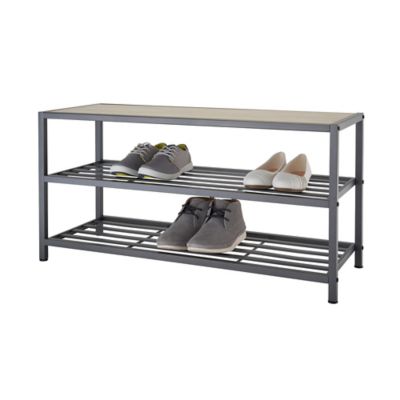
A boot tray is a shallow tray with raised edges that holds footwear and catches mud, water, grit, and other debris before it spreads across the floor. It gives work boots, chore boots, and everyday shoes a place to land near the door, keeping the mess from a trip to the barn or a walk across the yard in one manageable spot. Unlike a flat entry mat, a boot tray has a rim that helps contain loose dirt and small amounts of moisture, although its capacity depends on its size and depth. That makes it a practical addition to a mudroom, enclosed porch, laundry room, or garage entrance where footwear comes off before anyone heads farther inside. The right fit starts with both the boots and the space around them. Measure the length and width of the intended spot, then compare those measurements with the tray’s outside dimensions. Inside dimensions matter, too, since thick rims and sloped sides can leave less room for soles than the overall measurements suggest. Large work boots need enough space to sit flat without hanging over the edge, and tall chore boots benefit from room between pairs so the shafts do not crowd together. For a household with several people, allow for the footwear that gathers at the busiest entrance rather than counting only the pairs that look tidy in a row. A narrow tray may suit a small doorway, while a broader layout can keep several pairs together along a mudroom wall. Leave enough clearance for the door to swing freely and for people to walk past without stepping over boots. A tray belongs on a flat, stable surface outside the main walking path, not where its rim can catch a toe. Keeping it beside a bench can also make taking footwear off easier, especially after a long stretch on your feet. The goal is a landing spot that fits the way people actually come and go.
Boot tray materials affect weight, flexibility, cleanup, and how the tray sits against the floor. Molded plastic often provides a lightweight option that is easy to carry to a utility sink or an appropriate washing area. A more rigid construction can help the tray hold its shape, while flexible rubber can make it easier to loosen dried dirt by gently bending the tray, when the care directions allow. Rubber may also provide grip, but the amount depends on the backing, the floor surface, and whether either surface has moisture or grit on it. Metal trays bring a firmer structure and may have a coating or finish that needs particular care to limit scratches and corrosion. Material alone does not tell the whole story: base thickness, corner construction, rim shape, and the underside all deserve a look. A thin tray can flex when lifted, especially with water and several pairs of boots inside, so footwear should come out before the tray is carried. Raised ribs or textured channels can hold soles slightly above collected moisture and give loose debris somewhere to settle. Those details can also take more attention during cleaning than a smooth basin. A higher rim offers more room for runoff, but it should still sit where nobody needs to step across it. No tray replaces wiping heavy mud from soles, and a shallow basin should not be expected to hold unlimited water. For wood, laminate, vinyl, or other finished flooring, check both the tray’s care information and the flooring manufacturer’s recommendations. Some backing materials or trapped moisture can affect a floor’s finish. Lift the tray periodically to check underneath, even when the top looks dry. A tray can contain the mess from footwear without protecting against moisture that has already worked beneath it. Construction that suits the floor and the daily routine matters more than choosing by appearance alone.
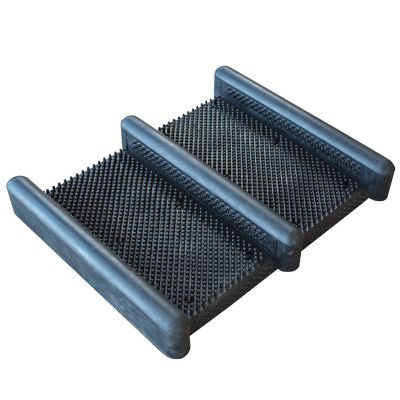
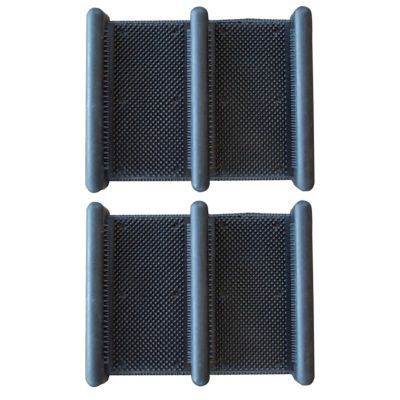
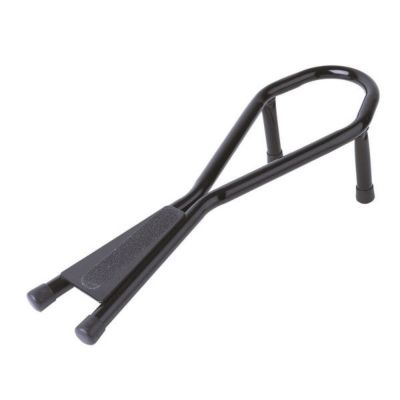
A boot tray works best as part of a simple entryway routine: knock off loose clods where they belong, remove footwear at the door, and set each pair upright with the soles fully inside the rim. For snug pull-on boots,
Boot Jacks can help with removal without grabbing a muddy heel by hand; leave room beside the tray for a steady stance. Tall boots should stand without folding over neighboring pairs, while laces and straps should stay tucked clear of the walkway. Leaving space between footwear helps air circulate, but a tray is not a boot dryer, and standing water should be emptied rather than left beneath the soles. Keeping one landing spot for barn footwear and another for everyday shoes can also keep grit from getting onto a cleaner pair. In a busy household, a clear place for each person’s boots makes the entrance easier to manage without much fuss. The same shallow, rimmed design can also serve beneath plant pots or pet water bowls, provided the material suits that purpose and the tray receives appropriate cleaning. Those uses call for separate attention to spills and sanitation rather than moving a muddy footwear tray straight into another job. For regular care, remove the boots, shake or brush out dry debris, and wash the tray according to its material and care directions. Mild soap, water, and a soft brush may be suitable for many designs, while abrasive tools, harsh cleaners, or forceful washing can damage certain surfaces. Work into corners and around raised ribs, rinse away soap, and let the tray and the floor beneath it dry before putting everything back. Check occasionally for cracks, sharp edges, worn backing, or loose pieces that could let moisture escape or create a stumbling hazard. With sensible placement and routine cleanup, a boot tray gives hardworking footwear a home and keeps the doorway easier to look after, whether it serves one pair of chore boots or a whole household’s daily lineup.