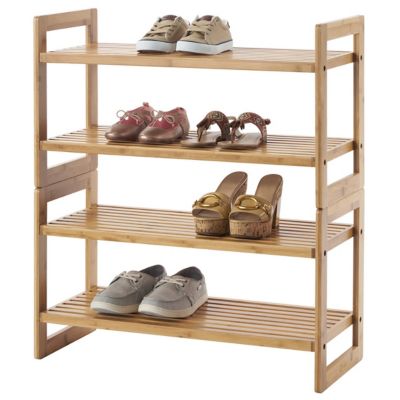
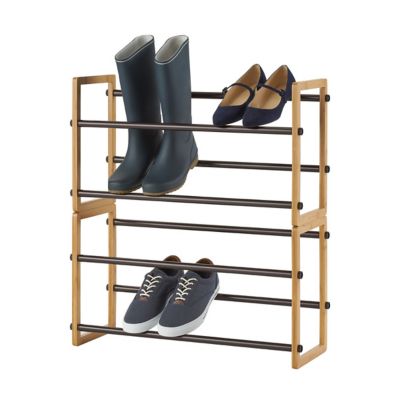
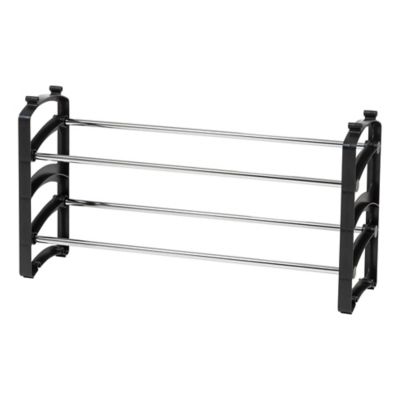
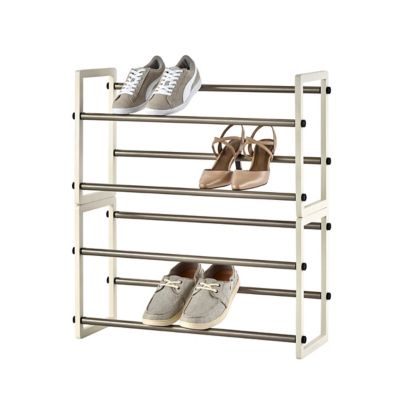
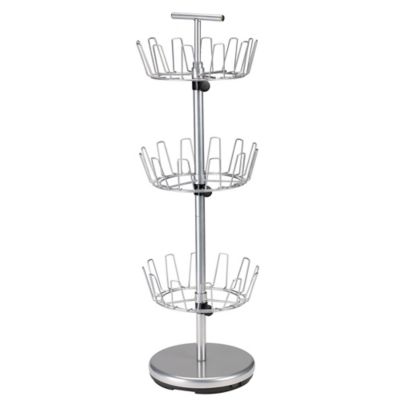
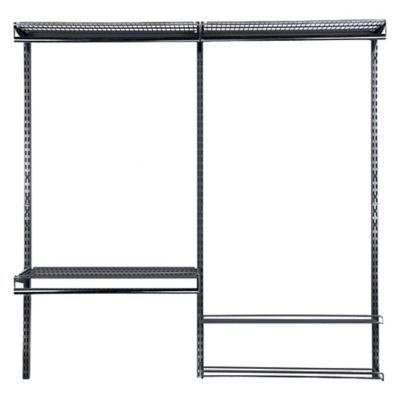
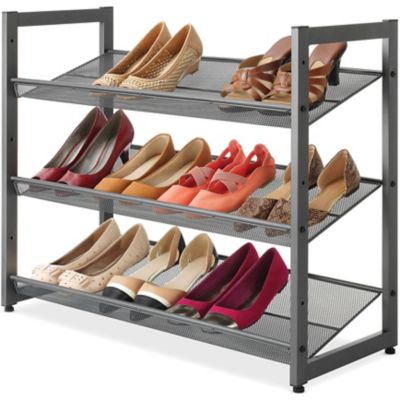
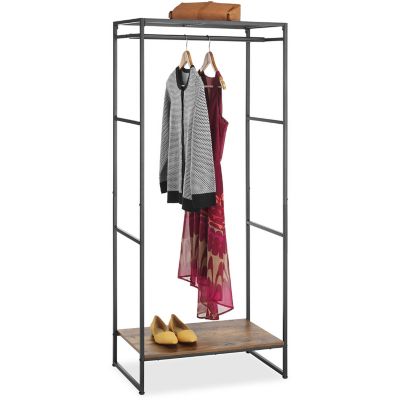
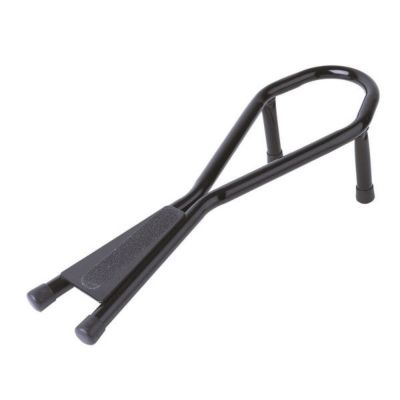
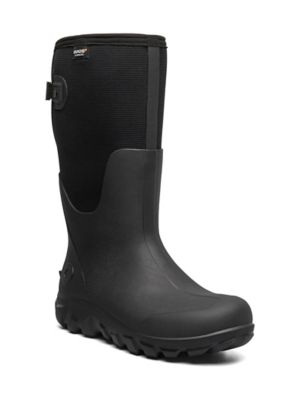
A boot rack keeps footwear organized, lifts pairs out of the walkway and gives boots room to air out between wears. It also keeps tall shafts from slumping into a heap, with the right support helping limit the folds that come from leaving boots piled by the door. Around a working household, that means less hunting for a missing boot before feeding livestock, heading to the shop or getting out the door for a shift. Boot racks fit naturally in mudrooms, entryways, garages and tack rooms, wherever footwear comes off before folks step farther inside. Different rack layouts suit different routines. Open shelves hold boots upright and make it easy to see each pair, while post-style racks support boots upside down when their shape and construction allow it. Hanging designs can free up floor space, and taller freestanding racks make room for several pairs without spreading them across the entry. The best fit depends on more than how many boots a household owns. A pair of tall riding boots needs different clearance than ankle-height work boots, and wide soles take up more shelf space than narrow ones. Spacing matters, too: boots packed tightly together are harder to grab, and the sides have less exposure to moving air. For a family coming and going through the same back door, separate spots for everyday footwear can keep chore boots apart from boots worn to town. In a tack room, enough vertical space helps keep tall shafts from folding beneath a shelf above them. A rack near a bench gives folks a convenient place to sit while pulling boots on, but the arrangement still needs to leave a clear path through the room. Doors should swing freely, and the rack should sit where a boot toe or projecting support will not catch someone walking past. A compact setup can work well for one person’s daily pair, while a wider layout makes sense where several people change footwear throughout the day.
Materials and construction affect how a boot rack handles that daily traffic. Steel frames can provide firm support for heavier footwear, while a protective finish helps separate the metal from moisture carried in on soles. The condition of that finish matters over time, especially at joints and places where boots rub against the frame. Wood brings a different look and feel to an entryway, with care needs that depend on its finish and construction. It generally benefits from having damp soles kept off unprotected surfaces rather than left sitting against them. Plastic components can be easy to wipe down, though their weight limits and resistance to bending vary by design. Across materials, a steady base, secure connections and smooth contact points matter more than appearance alone. Heavy work boots can put a fair load on a rack, particularly when several pairs sit on an upper tier. A freestanding frame needs level footing, and a wall-mounted rack needs fastening that suits both the wall and the load specified by its manufacturer. Capacity is worth considering in terms of the boots themselves, not just a pair count. Broad toe boxes, deep tread and thick soles may need more room than a rack’s layout suggests at first glance. Shelf depth should support the footwear without leaving too much of the sole hanging over an edge. On upright posts, the height, diameter and spacing of the supports should suit the shaft opening without stretching the boot or pressing hard against its lining. Tall leather boots benefit from support that respects their natural shape rather than forcing a sharp bend. Pull loops, buckles and laces also need room so they do not snag when a pair comes off the rack. For shared spaces, lower positions can keep smaller boots within reach, while taller pairs take the openings with more clearance. Enough space around each pair makes loading and unloading simpler, even with gloves tucked under an arm and chores still waiting outside.
Keeping
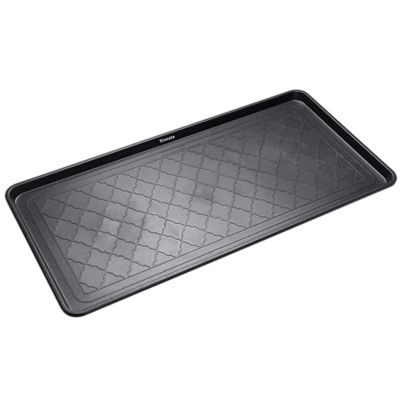
farm boots in a regular spot helps separate footwear care from the rest of the day’s mess. A boot rack provides a place to set pairs after loose dirt has been knocked or brushed away, but it does not replace cleaning or drying practices recommended for the footwear. Packed tread can drop grit onto a shelf or floor, so a removable tray beneath the rack can make cleanup easier where the design allows one. Trays need emptying and wiping rather than being left with standing water underneath the boots. Open shelving allows air to move around footwear, but a rack is not a heated boot dryer, and crowded storage can leave damp areas tucked between neighboring pairs. Leather, rubber and fabric-lined boots have different care needs; direct heat can harm some materials, finishes and adhesives. A spot away from heaters and prolonged direct sunlight generally gives footwear a gentler place to rest. For the rack itself, routine care often comes down to clearing away dirt, wiping surfaces as directed and checking that fasteners remain snug. Scraped finishes, rough edges or loose supports deserve attention before they rub against a boot or let the frame shift. In a garage or barn entry, keeping the rack away from feed bags, tools and busy work paths helps preserve access without turning footwear storage into another obstacle. For someone who rides, works on their feet or keeps separate boots for chores and errands, a well-fitting rack can be a practical gift that serves a clear purpose every day. The useful details are personal without being complicated: room for the pairs they actually wear, support suited to their boot height and a footprint that fits their doorway. When those details line up, boots have a place to rest, floors are easier to sweep and the next pair is close at hand when it is time to head out.