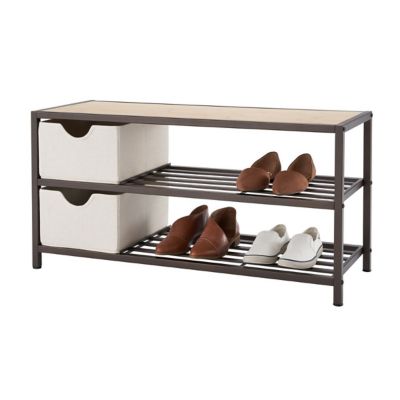
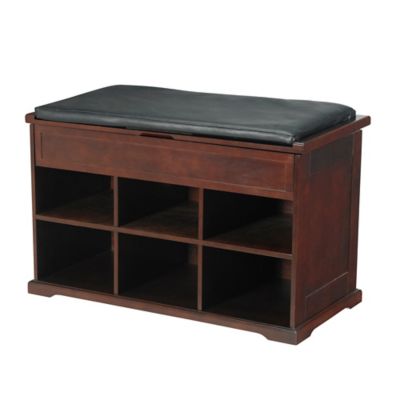
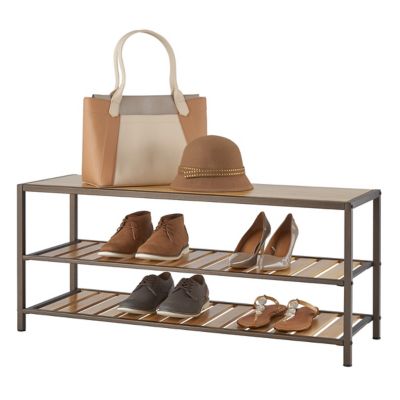
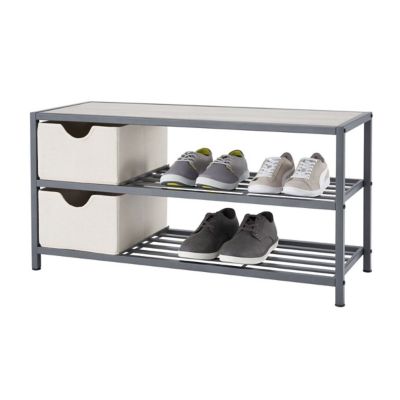
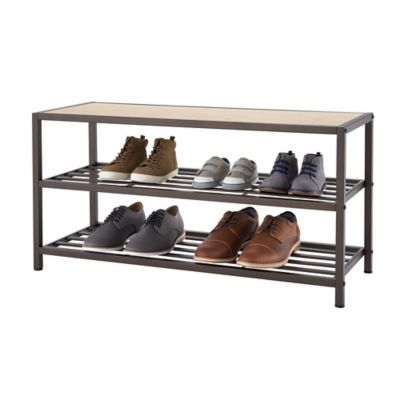
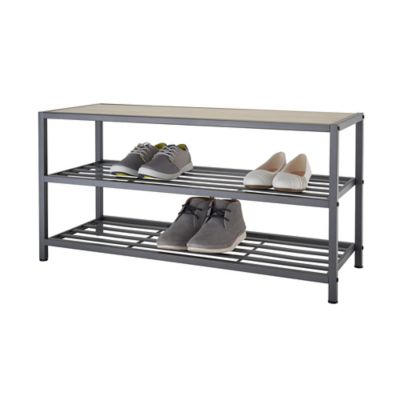
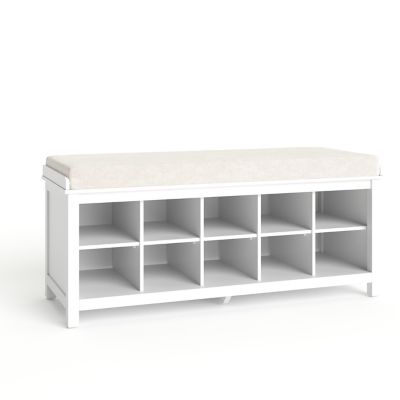
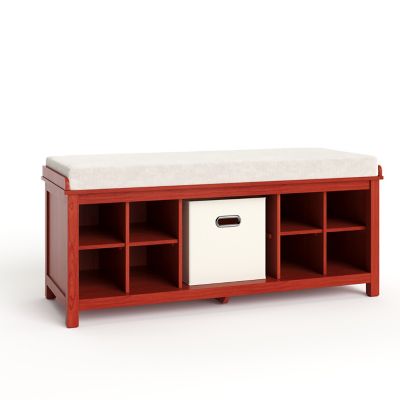
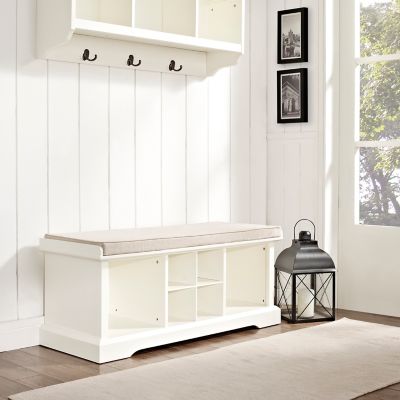
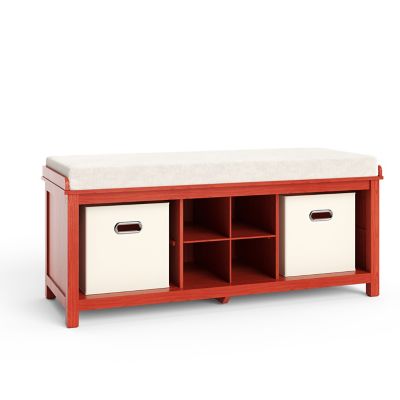
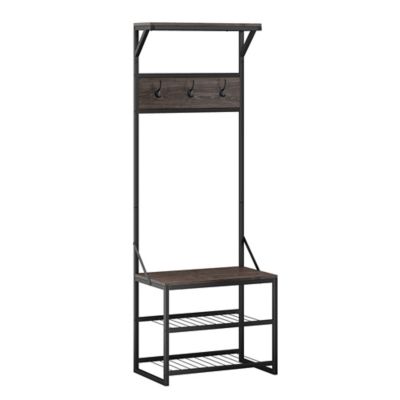
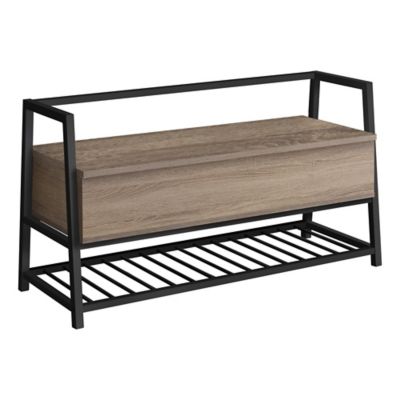
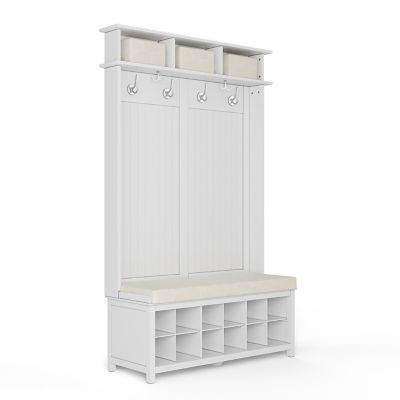
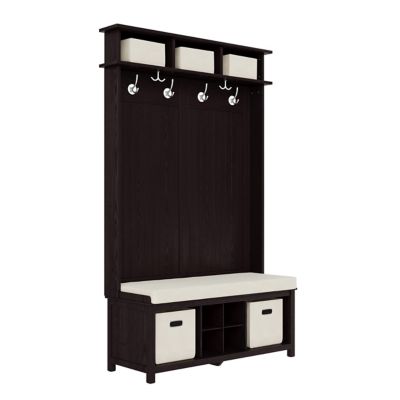
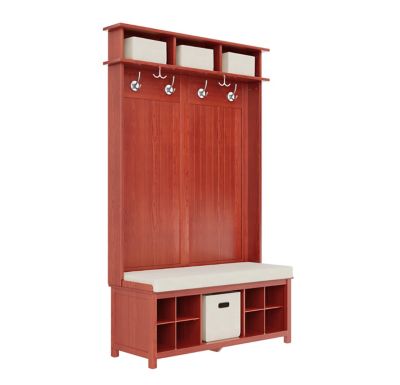
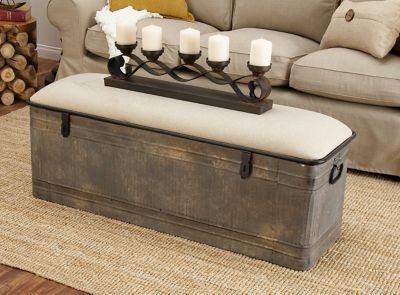
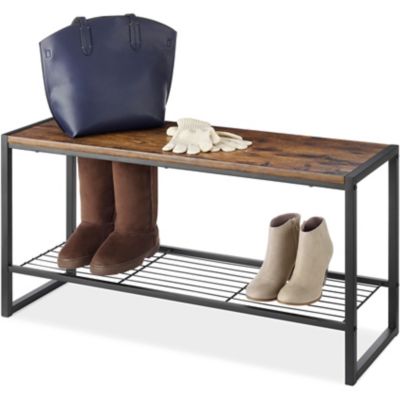
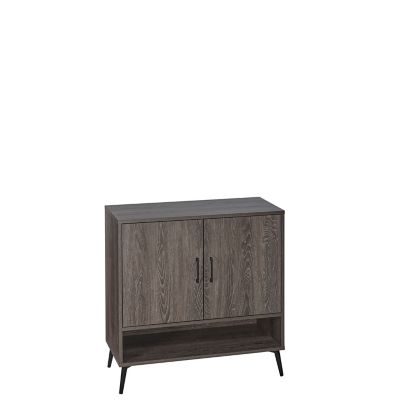
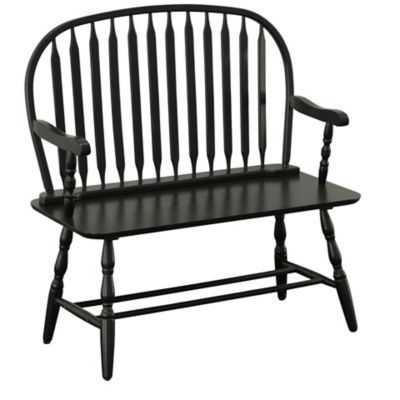
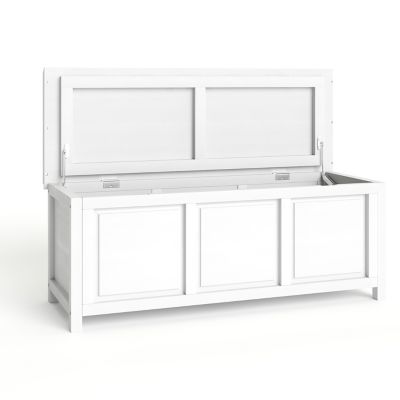
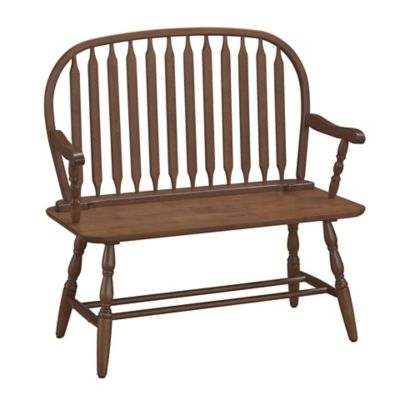
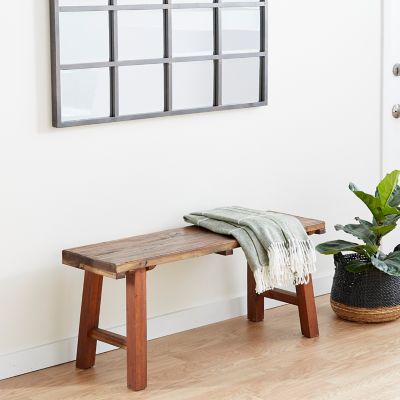
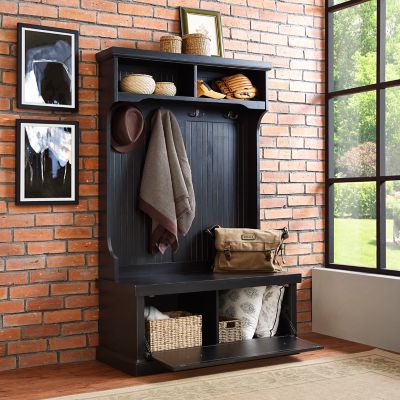
A shoe bench gives everyday footwear a landing place and puts a seat right where it comes in handy. Beside the back door, along an entryway wall or just inside a laundry room, it can help keep work boots, school shoes and slippers from spreading across the floor. That small bit of order matters when someone is carrying groceries, the kids are heading outside or a pair of muddy boots needs to come off before reaching the kitchen. Unlike a simple shoe rack, a shoe storage bench combines a place to tuck footwear with a surface for sitting while tying laces or pulling on socks. Open shelves keep pairs easy to spot, while divided cubbies give each household member a spot of their own. Enclosed compartments offer a more tucked-away look, though footwear should be dry before going behind a door. The right arrangement depends as much on daily habits as it does on how many pairs need a home. A household that rotates between chore boots and everyday shoes may appreciate taller openings, while lower shelves can make sense for sneakers and slip-ons. In a smaller home, an entryway shoe bench can give a narrow stretch of wall a practical purpose without adding a separate chair and rack. In a farmhouse with a busy side entrance, a longer bench can establish a clear place to pause before coming farther inside. During the cooler months, when heavier footwear joins the usual lineup, that space becomes especially handy. A bench also gives visitors somewhere to sit without balancing against a wall or leaving shoes in the doorway. For homes with a larger drop zone,
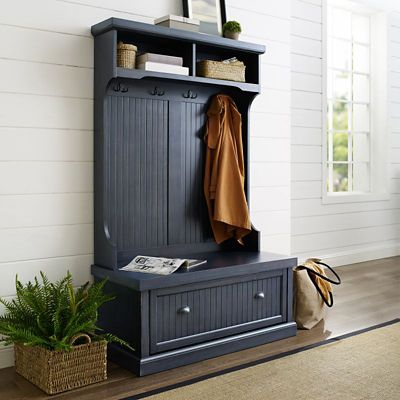
Mudroom Benches With Storage can serve a similar purpose where footwear shares space with hats, gloves and other everyday belongings. Whether the setting is a compact entry or a hardworking back hall, the appeal is straightforward: a comfortable stopping place and less clutter underfoot.
Materials and construction shape how a shoe bench feels in the room and how it holds up to everyday traffic. Solid wood brings visible grain and a substantial feel, with finishes ranging from light tones to deeper shades that sit comfortably alongside familiar wood furniture. Wood can dent or scratch when boot hardware scrapes against it, and standing moisture can damage some finishes, so the surface treatment matters as much as the wood itself. Engineered wood offers another furniture-style option, but exposed edges and joints need protection from wet footwear and damp floors. Metal frames can create an open, straightforward look, often paired with wood, composite or upholstered seats. Their performance depends on factors such as joint construction, the protective finish and the conditions where the bench sits. For any material, secure connections and a level stance matter when people sit down, shift their weight or lean forward to reach their laces. A stated seating weight limit deserves attention; a shelf load rating does not establish what the seat can support. Cushioned seats add some softness for the morning routine, while firm, unpadded tops generally offer a simpler surface to wipe after dusty chores. Upholstery brings its own care needs, especially near a door where rain, grit and damp coats are part of daily life. Removable covers, when included, should be cleaned according to their fabric instructions rather than assumed to be machine washable. Slatted shelves let air move around footwear, although dirt can fall through to the level below. Solid shelves catch more of that grit but need regular wiping so it does not collect around seams. A removable tray beneath wet boots can help protect the surrounding area, provided it fits without blocking walkways or interfering with the bench. An indoor shoe bench belongs in a sheltered interior unless its stated specifications allow another setting; a covered porch can still expose furniture to windblown rain, humidity and temperature swings.
Fit starts with the space around a shoe bench, not just the length of the wall behind it. An entryway still needs room for the door to swing freely, people to pass and someone seated to bend forward without bumping a nearby cabinet. Seat depth affects both comfort and floor space, while seat height changes how easily a person can sit down and stand back up. A low bench may suit smaller family members, but it can be harder for someone with stiff knees to rise from. A furniture bench is not a substitute for a mobility support device, and any handhold or backrest should only bear weight as permitted by its design. Inside the storage area, shelf height and depth determine whether footwear sits neatly or hangs over the edge. Tall chore boots need more clearance than running shoes, and larger shoe sizes can take up more shelf depth than expected. Compartments that look roomy when empty can fill quickly once several pairs of winter boots are lined up. Adjustable shelves, where part of the design, allow the layout to change as footwear needs shift. Lift-top seats and pullout compartments require their own opening clearance, and households with young children will want to pay attention to hinges, pinch points and any manufacturer-specified anchoring requirements. Day-to-day care can stay simple: loose soil brushed off before shoes reach the shelf, spills wiped promptly and floors beneath the bench swept often enough to keep grit from gathering around the feet. Cleaning methods should match each surface, with harsh cleaners or excess water avoided unless the care directions permit them. Periodic checks of fasteners help catch loosening from repeated sitting and movement. For a housewarming gift or a family setting up a new home, a shoe bench can be a thoughtful, practical choice when the room measurements and household needs are known. Its usefulness comes from fitting the routine already happening at the door, whether that means lacing up before feeding animals, changing shoes after work or making room for family coming in out of the cold.