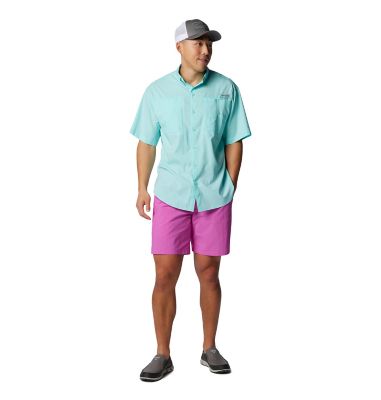
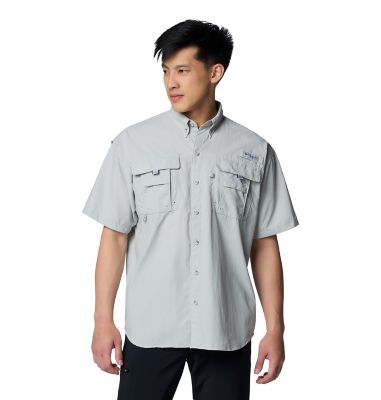
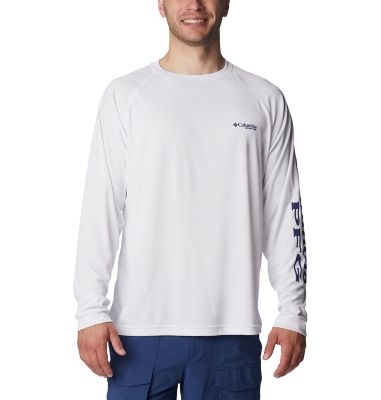
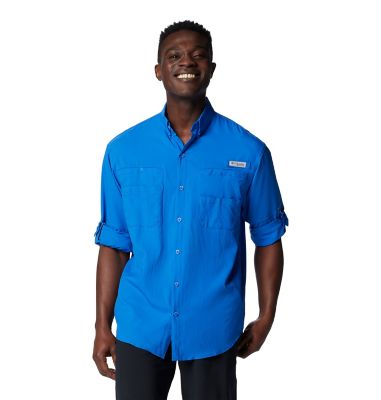
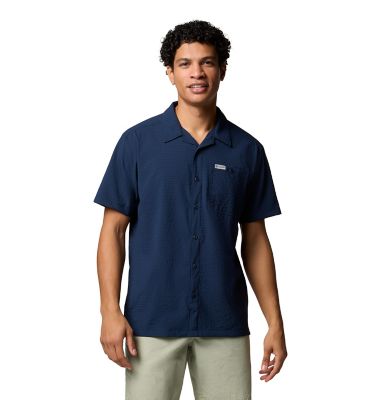
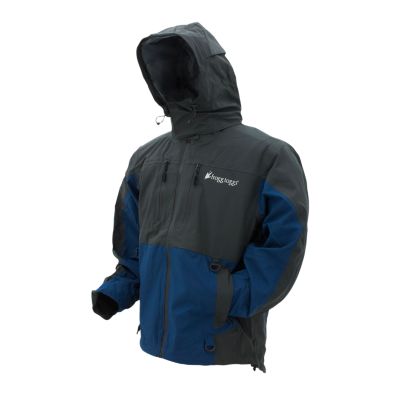
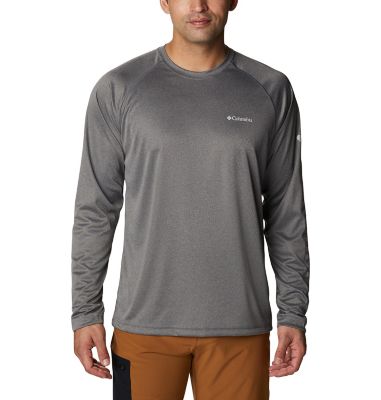
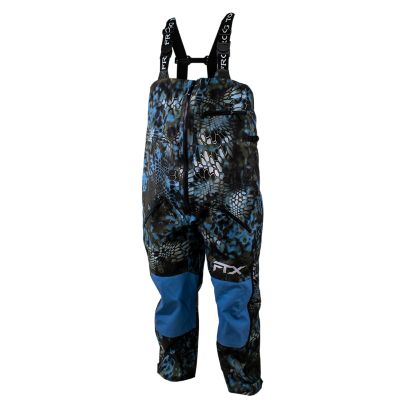
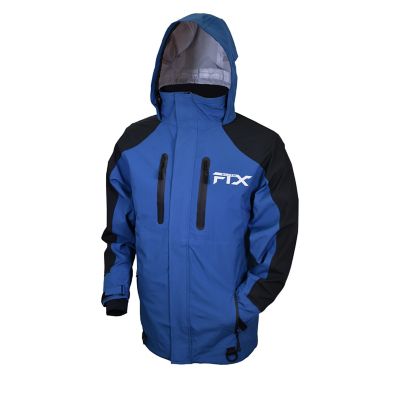
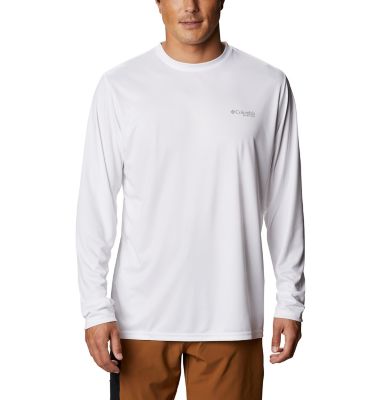
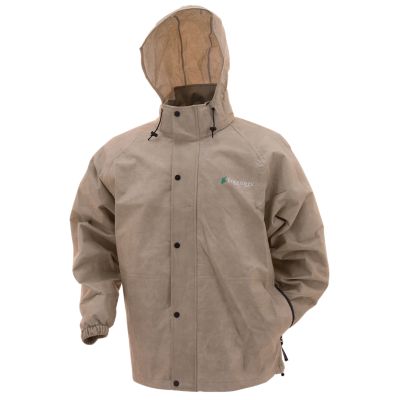
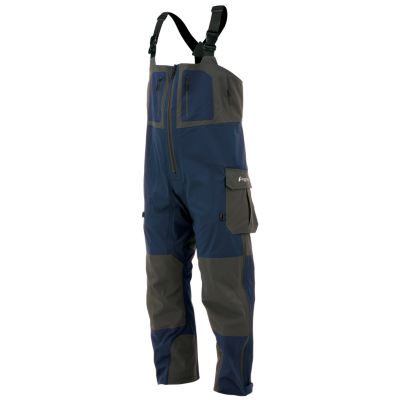
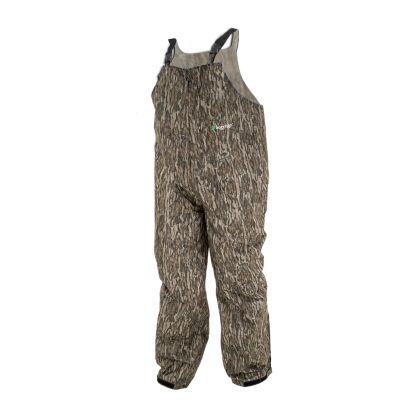
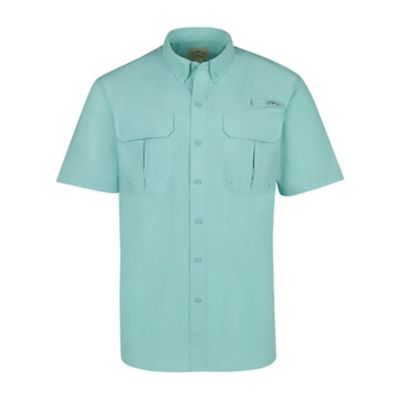
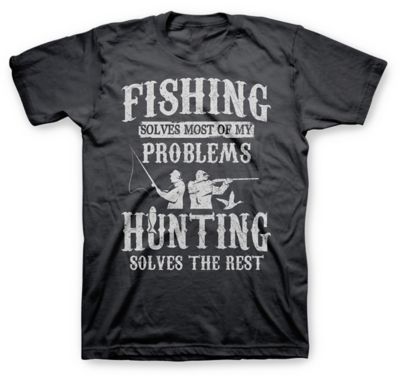
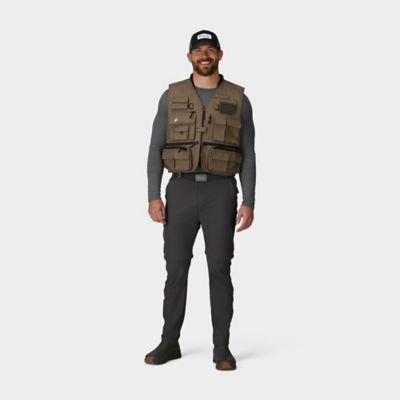
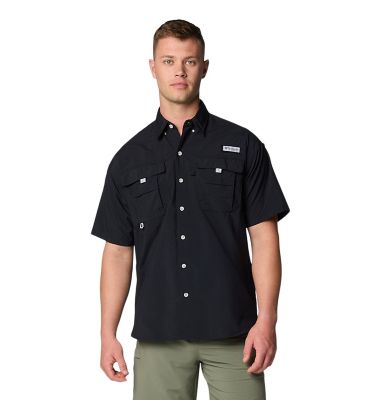
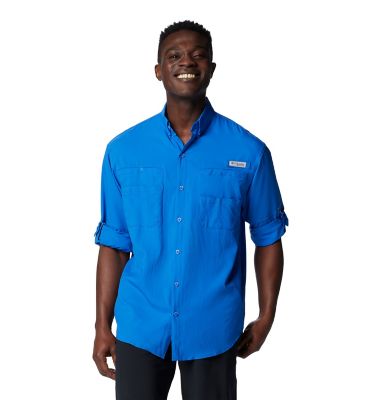
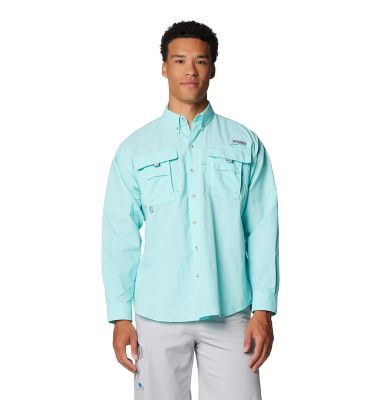
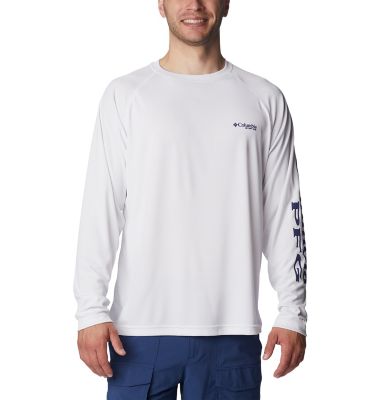
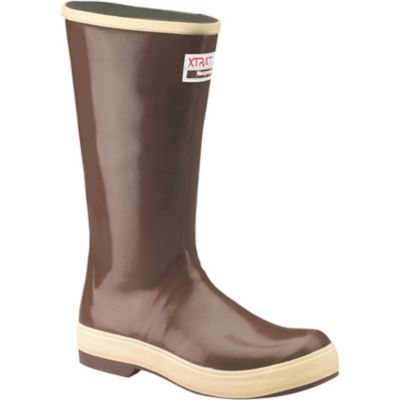
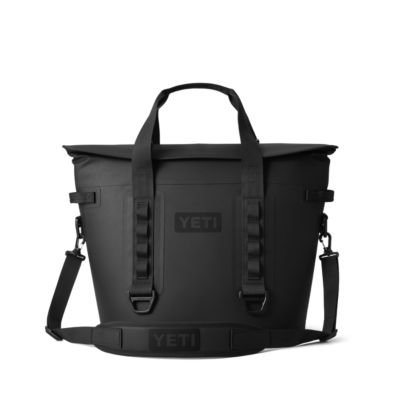
Men’s fishing clothes bring together easy movement, practical storage and fabrics that handle the splashes, sweat and repeated bending that come with a day on the water. Whether the plan is casting from a farm pond bank, working a line along a creek or spending hours in a boat, the right clothing leaves room to concentrate on the next bite. Fishing shirts, pants and shorts often feature polyester, nylon or blended fabrics that shed moisture and dry faster than many heavier cotton garments. Moisture-wicking fabric moves perspiration away from the skin so it can evaporate, while mesh panels and vented construction let air circulate. Those features serve different purposes, and a shirt may have one without the other. Cotton blends bring a familiar, soft feel for casual outings, though they generally hold moisture longer than lightweight synthetic materials. Clothing with a stated ultraviolet protection factor, or UPF rating, helps limit the ultraviolet radiation that passes through the fabric. Coverage matters alongside that rating: long sleeves and a collar cover more skin than a short-sleeve crewneck, but clothing does not replace protection for exposed areas. Stretch woven fabrics and knit panels can make a difference when reaching across a boat seat or lifting an arm for a cast. Smooth seams and soft collar edges help limit rubbing during repetitive movement, especially beneath a life jacket. A plain, comfortable fishing shirt can also fit naturally into the rest of the day, from loading tackle at the house to stopping for lunch after the boat is back on the trailer. The appeal is practical rather than complicated: clothing that moves easily, manages moisture and feels comfortable through the small tasks that surround the fishing itself. For anglers who spend as much time tying knots and tending gear as they do casting, those everyday details count.
Fit makes a real difference in how men’s fishing apparel feels once the tackle box is open and the rods are out. A relaxed cut gives the shoulders and upper back space to move, but too much loose fabric can bunch beneath a life jacket or catch on equipment. Sleeves should allow a full reach without pulling hard across the back, and cuffs that stay clear of the hands make it easier to tie a leader or thread a hook. Shirt length matters when leaning over the side of a boat or crouching beside a landing net; a little extra coverage at the hem can keep the waist from pulling bare. Pants and shorts need similar freedom through the seat, thighs and knees. A gusseted crotch, articulated knees or a modest amount of stretch can ease the motion of stepping onto a dock, climbing into a boat or squatting to unhook a fish. Waistbands should sit comfortably while seated, without pinching beneath a belt or folding against the stomach. Pocket placement deserves attention, too. A pocket that feels fine while standing may press its contents into a thigh on a low boat seat. Zippered or securely fastened pockets help keep small belongings contained, although an ordinary pocket should never be treated as waterproof storage for a phone or keys. Drainage details can help pockets release water rather than hold it. Reinforcement at pocket edges, belt loops and other high-stress areas supports clothing through repeated wear, while neatly finished seams help prevent rough edges from becoming a distraction. Lightweight construction suits anglers who want less fabric weighing them down, while a more substantial weave may make sense around brushy banks and rough surfaces. Neither fabric weight nor stretch alone tells the whole story; the way a garment is put together matters just as much. For fishing from a kayak or canoe, low-profile pockets and smooth waist details can be especially comfortable during long stretches of sitting and paddling.
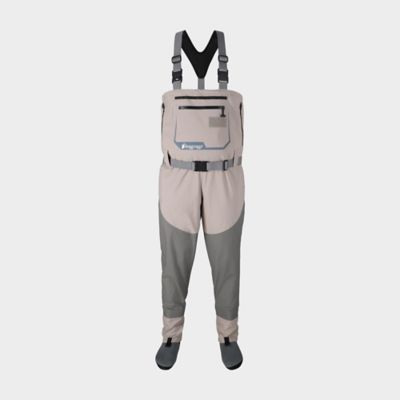
Intended use helps explain the range within men’s fishing clothes, from simple shirts for an afternoon at the pond to purpose-built apparel for frequent trips. Bank fishing often involves walking uneven ground, brushing past vegetation and carrying gear, so freedom of movement and resistance to abrasion are useful traits. Boat fishing brings more seated time, contact with deck surfaces and the need to keep clothing from interfering with safety equipment. For anglers wearing waders, smooth garments that fit beneath them without thick folds or crowded pockets can reduce rubbing and make movement less awkward. Saltwater outings also add care considerations, since salt residue can collect in fabric, seams and fasteners. Following the garment’s care label, rinsing when directed and letting clothing dry fully before storage helps keep it ready for another trip. Moisture-wicking finishes, stretch fibers and water-repellent treatments may have different washing requirements, and fabric softener can interfere with some performance features. Strong detergents, bleach or excessive dryer heat may also be unsuitable, depending on the material. A water-repellent finish helps moisture bead on the surface, but it does not mean a garment is waterproof; that distinction matters when comparing fabric descriptions. Fish slime, bait residue and mud are easier to manage when clothing gets attention promptly rather than sitting in a closed gear bag. Checking seams, closures and pocket corners between trips can catch small problems before they become a nuisance at the water’s edge. Fishing apparel can also make a thoughtful gift for a dad, brother, partner or friend who would rather spend a free afternoon watching a bobber than sitting indoors. Familiar sizing, preferred sleeve length and the kind of fishing they enjoy are more useful starting points than a bold pattern alone. The broader
Fishing Clothing category brings related apparel into the picture for building an outfit around those habits. For the regular angler and the occasional pond visitor alike, useful clothing earns its place through comfortable fit, sensible details and straightforward care, trip after trip.