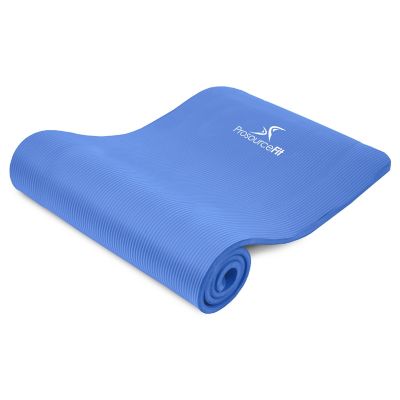
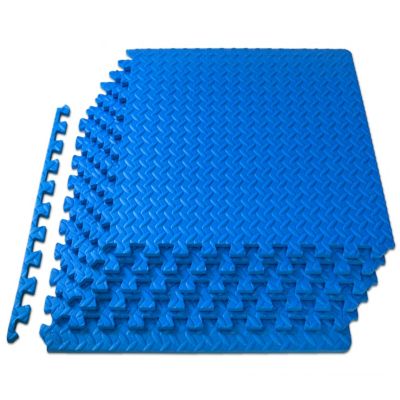
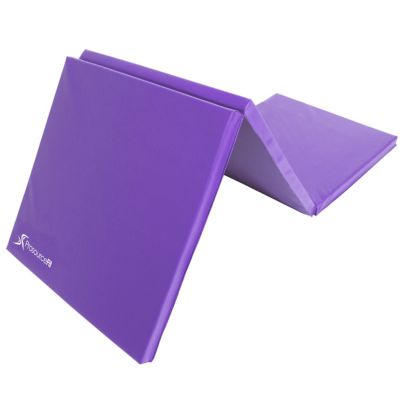
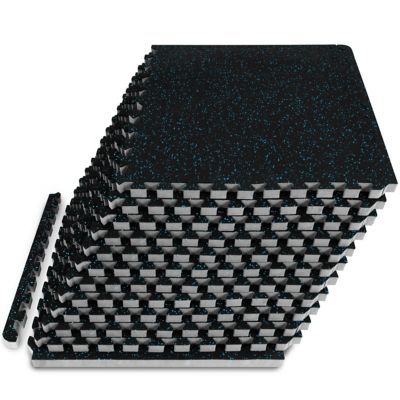
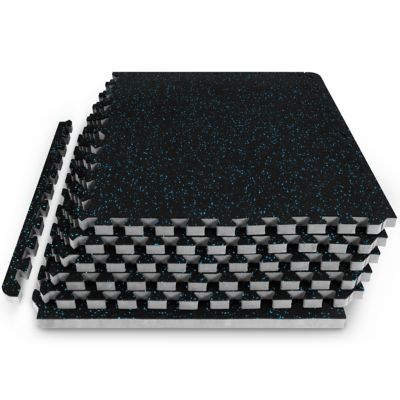
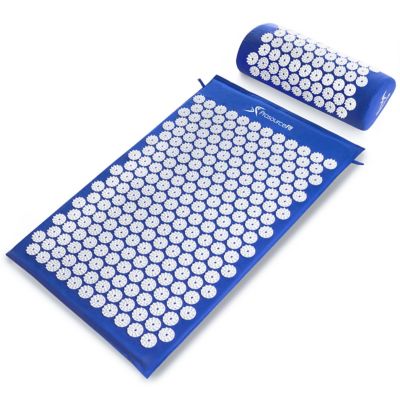
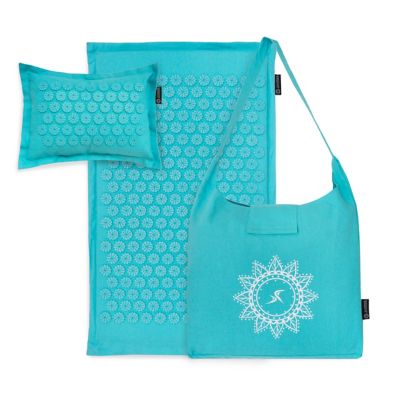
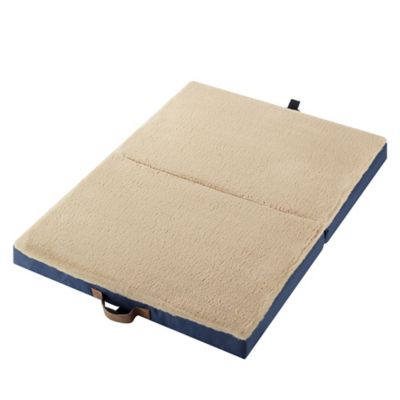
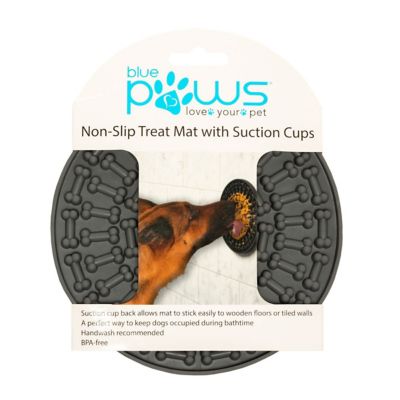
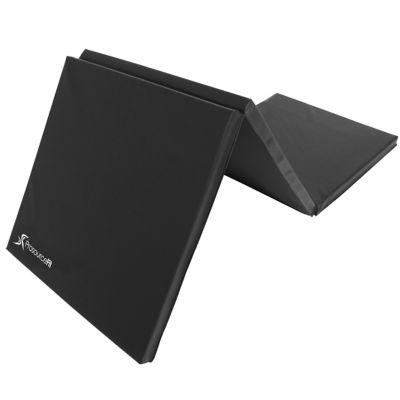
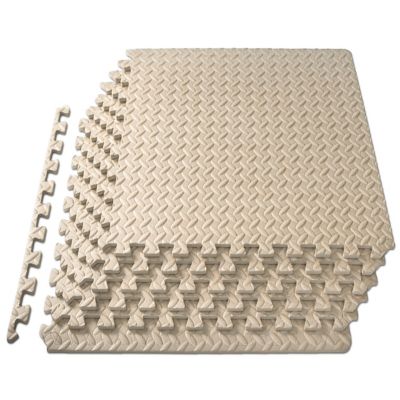
Blue mats bring a practical pop of color to workspaces, workout areas, bathrooms, patios and outdoor jobs, but color is only one part of finding the right fit. The best mat depends on where it will be used, what kind of wear it will take and how easy it needs to be to clean. For indoor spaces, soft foam mats can cushion knees, elbows and hands during stretching, home workouts, playtime or martial arts practice. Interlocking tiles are handy when you want to cover a larger area a section at a time, while folding or roll-up styles can be moved out of the way when the room needs to serve another purpose. Look for a thickness that matches the activity: light exercise and floor play may call for a comfortable, flexible surface, while tumbling, grappling or repeated impact generally benefits from thicker cushioning and a stable base. Mats with textured or nonslip surfaces can help keep feet planted, though any exercise mat should be placed on a clean, level floor and checked regularly for curled edges, tears or worn spots. A blue workout mat can be a thoughtful gift for someone setting up a home gym, a young athlete practicing drills indoors, or a family that wants a more comfortable place for stretching and floor games during the cooler months. When choosing a size, measure the open area rather than relying on a quick guess, and leave enough room around the mat for safe movement. If you are comparing several types of floor protection for a barn, shop, garage or home, browse
Flooring Mats to help narrow down the material, coverage and intended use that make sense for your space.
In bathrooms and entryways, blue mats serve a different purpose. Absorbent bath rugs help catch water near a tub, shower or sink, giving bare feet a warmer, softer landing and helping keep slick spots off the floor. Cotton loops, microfiber and other quick-drying materials each have their own feel and care needs. A plush surface can feel cozy first thing in the morning, while a thinner mat may dry faster and slide more easily beneath a door. Check the backing before placing a mat on smooth flooring, and make sure it sits flat without blocking cabinets or creating a raised edge that could catch a toe. Regular washing, shaking out loose dirt and allowing the mat to dry fully can help control odor and keep it feeling fresh through humid stretches and changing weather. Blue can work well with light tile, gray fixtures, white walls or deeper navy accents, making these mats useful when you want a simple way to bring color into a laundry room, mudroom or guest bath. In a busy household, it can help to keep more than one mat available so a damp one can be washed and dried without leaving the floor uncovered. Blue outdoor and utility mats can also add comfort and traction around a porch, patio, boat, camper or back entry. For these settings, look for weather-resistant construction, drainage-friendly textures and a surface that can handle tracked-in soil. A mat near the door gives muddy boots, wet paws and garden shoes a place to land before dirt travels farther into the house. During late-summer rains or the cooler, wetter parts of the year, a properly sized entry mat can make everyday cleanup a whole lot easier.
For demanding outdoor work, blue ground protection mats are made to spread weight and help protect grass, soil and other surfaces from foot traffic, carts, equipment and heavy machinery. These tough plastic sheets are useful around construction areas, farms, event spaces, utility work and maintenance projects where wet ground could quickly turn into deep ruts. Their purpose is different from that of a soft household rug or exercise mat, so pay close attention to load rating, thickness, dimensions and surface texture. A larger mat may cover more ground with fewer seams, while smaller sections can be easier to carry, place and store. Interlocking edges or built-in connection points can help create a broader temporary work surface, and textured tops may offer more dependable footing when boots are wet or muddy. Before laying mats down, clear away sharp rocks and debris, check that the route is reasonably level, and follow the maker’s guidance for vehicle weight and placement. Ground protection does not replace safe operation, proper drainage or attention to underground utilities, but it can be a useful part of planning a cleaner, more stable work area. Once the job is done, rinse away soil, let the mats dry and store them where they will not warp or become a trip hazard. Whether you need a cushioned place for daily exercise, a water-catching rug by the shower, a brighter accent at the door or a rugged surface for outdoor work, blue mats offer a practical way to protect floors, improve footing and make frequently used areas more comfortable. Consider the people and animals using the space, the amount of moisture and dirt involved, and how the mat will be cleaned, moved and stored before making a choice.