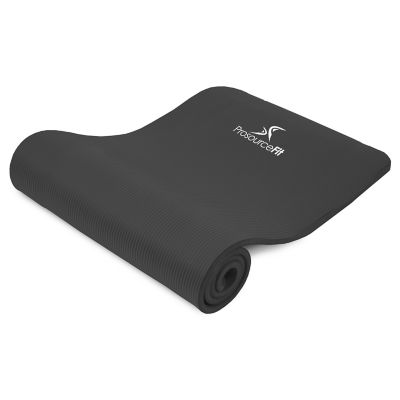
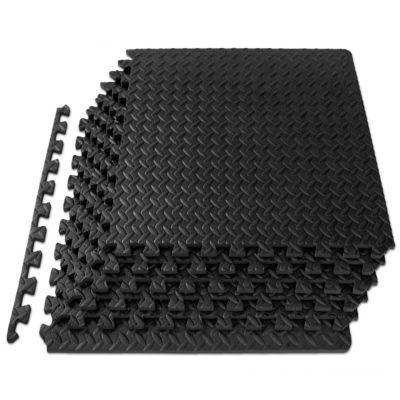
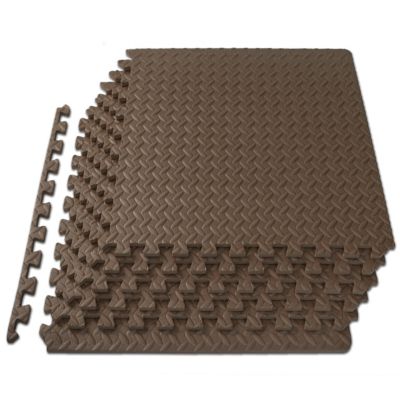
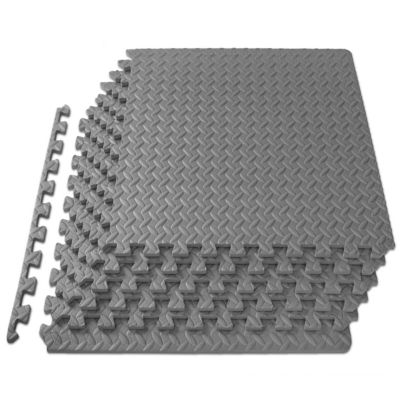
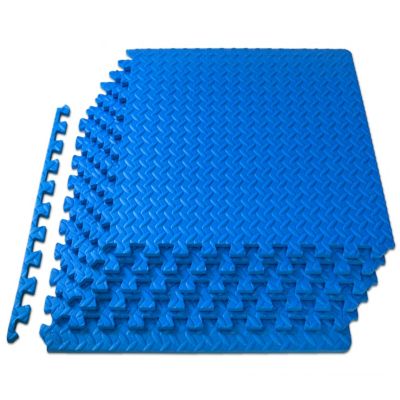
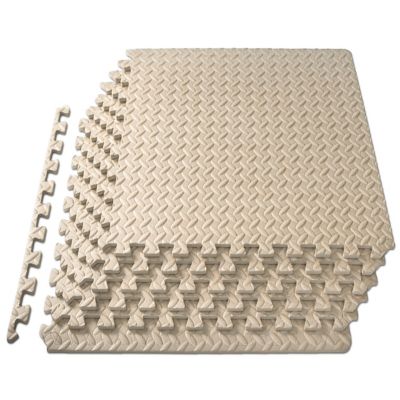
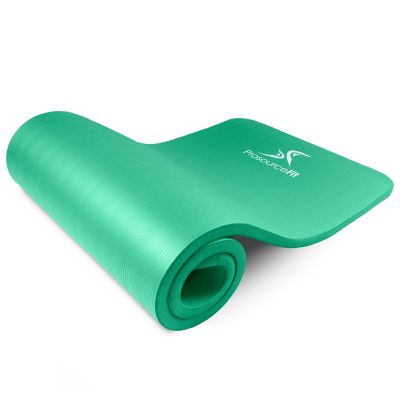
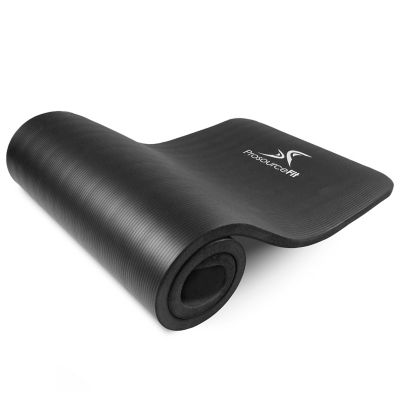
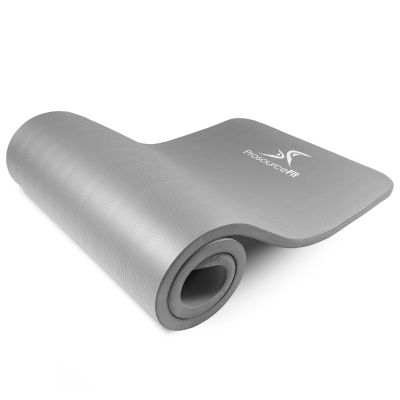
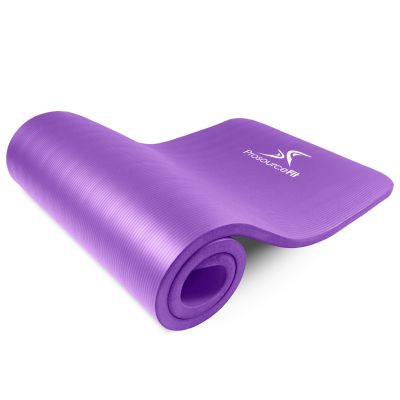
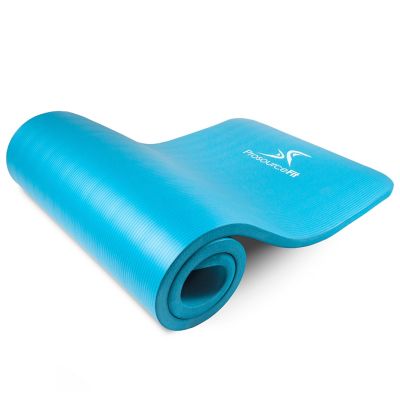
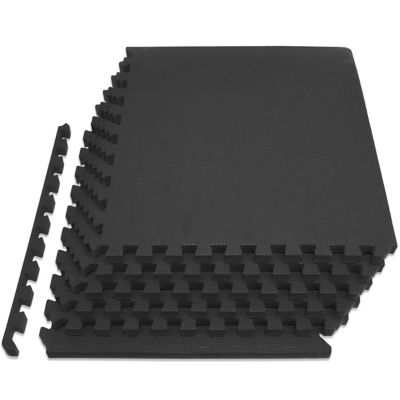
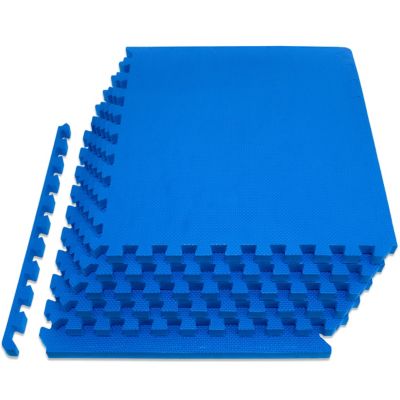
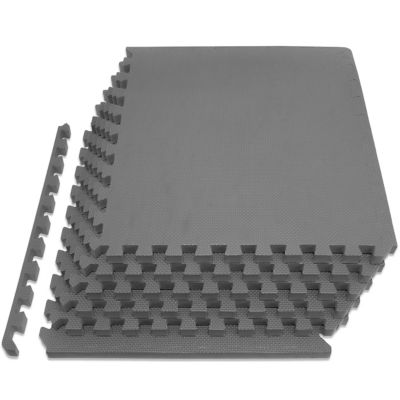
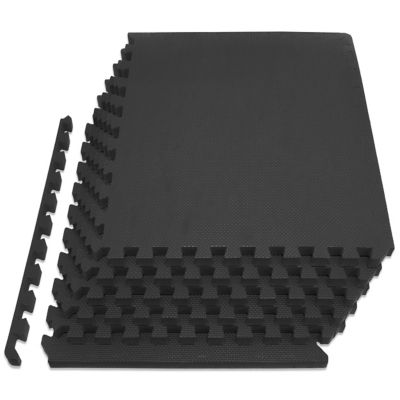
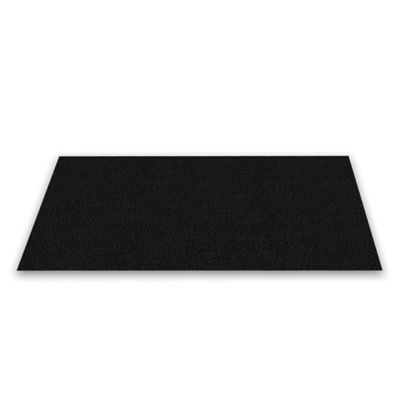
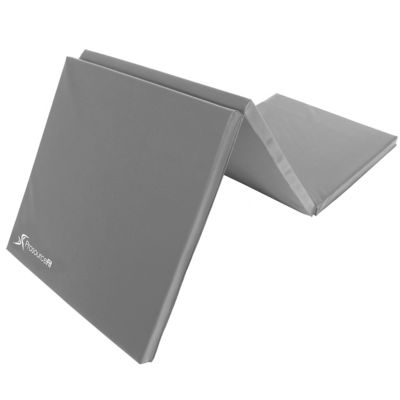
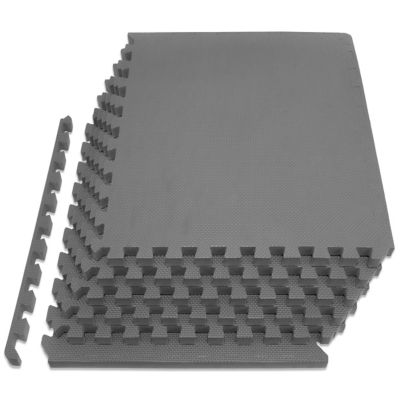
Sports mats give athletes, families and fitness-minded folks a more comfortable place to move, train and practice at home, in a garage, barn, basement or rec room. They help cushion knees, elbows, hips and other joints while creating a buffer between equipment and the floor below. The right mat can also help define a workout area, reduce noise and make cleanup easier after muddy shoes, dusty boots or a hard training session. Options range from interlocking foam tiles and folding panel mats to roll-out wrestling mats and rubber floor mats made for weightlifting and busy exercise spaces. Dense foam tiles are a handy pick for yoga, stretching, bodyweight workouts, martial arts drills and light fitness. They fit together like puzzle pieces, so you can cover a small corner or expand the surface as your space changes. Folding mats offer a thicker landing area for tumbling, gymnastics practice, playtime and floor exercises, then fold down for storage against a wall or inside a closet. Roll-out mats provide broad coverage for wrestling, jiu-jitsu, cheer practice and other activities that call for a continuous surface. Rubber tiles and rolls are well suited to free weights, cardio machines and areas where equipment places concentrated pressure on the floor. For more options that can help protect floors around the home, shop or workout area, browse
Flooring Mats.
Start with the activity, then consider the people who will step onto the mat and the surface beneath it. For general fitness, stretching and low-impact movement, mats around 1/4 inch to 8 millimeters thick can provide a comfortable layer without making doors, benches or equipment sit too high. Martial arts practice, gymnastics landings and other activities with falls or takedowns call for more cushioning, often in the range of 1.5 to 2 inches. A thicker mat may help soften impact, but it can also be heavier and take more room to store, so measure the training area and storage spot before choosing. Foam feels soft under bare feet and is easy to arrange in sections, while rubber stands up to heavy point loading, repeated foot traffic and the steady weight of racks, benches or machines. Check the floor for dust, moisture and uneven spots before laying anything down. A clean, level base helps sections sit flat and keeps edges from lifting during movement. For interlocking mats, press the seams together firmly and leave enough clearance around the perimeter for natural expansion. Folding and roll-out mats should lie flat before practice, especially if they have been stored for a while. If the mat will sit on concrete, tile or another slick surface, look for a backing or surface texture that helps keep it in place. Keep shoes, sharp objects and rough edges away from foam, and follow the care directions for cleaning sweat, grass and tracked-in grit. A quick sweep and wipe after each session can keep the training area ready for the next workout.
Sports mats can fit into all kinds of routines, from a parent setting up a soft play space for kids to a high school athlete practicing drills during the cooler months. They can also make a thoughtful gift for someone building a home gym, learning martial arts, coaching a youth team or looking for a more comfortable place to stretch before heading out to the pasture or shop. A folding mat tucked beside the wall can turn an open room into a practice area, while interlocking tiles can give a garage corner a warmer, softer feel when the weather keeps outdoor training on hold. In a wrestling or jiu-jitsu space, a broad roll-out surface leaves fewer seams beneath moving athletes. In a weight room, rubber flooring helps shield the floor from dropped plates and eases the clatter of each session. Families may appreciate mats that pack away when chores, guests or indoor projects take priority, while serious athletes may prefer broad coverage that stays in place between workouts. Think about how often the mat will be moved, how much floor area needs coverage, whether several people will train at once and how much impact the surface must handle. Also account for ventilation and cleaning in enclosed spaces, particularly when several athletes share the area. With the right size, thickness and material, a sports mat can make practice feel more comfortable, help organize a busy space and give everyone a steady place to build strength and skill through the changing seasons.