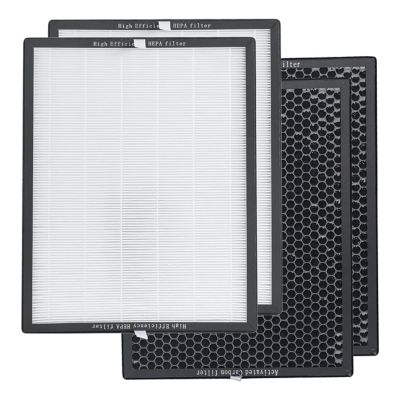
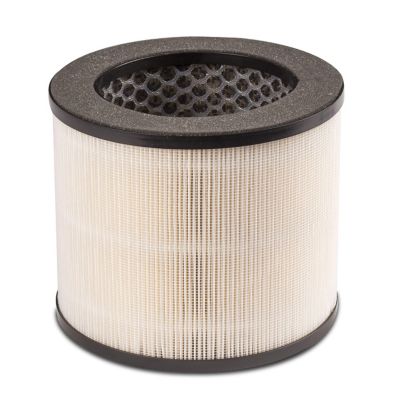
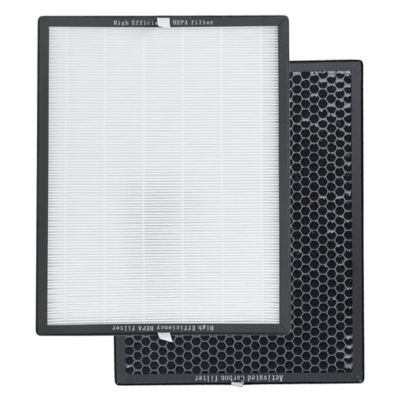
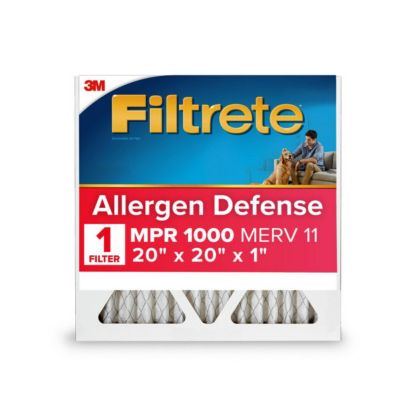
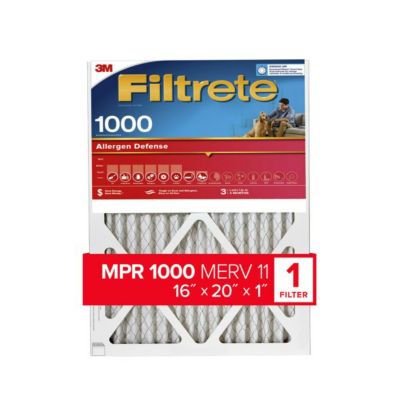
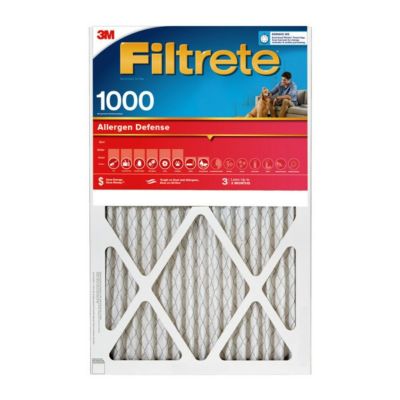
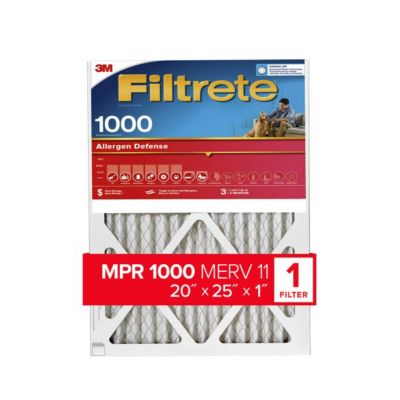
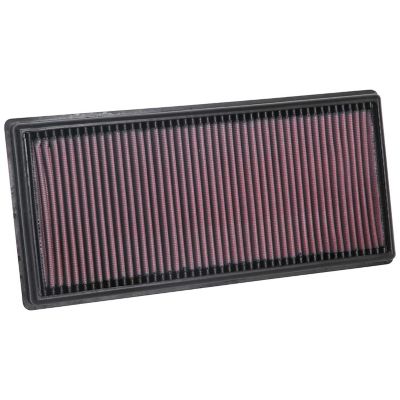
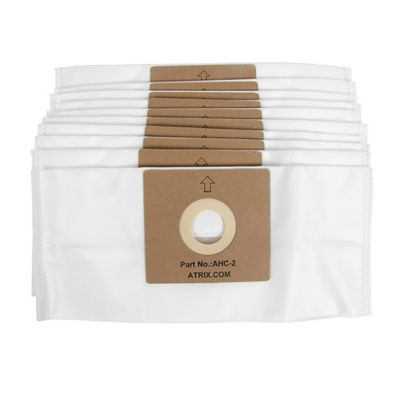
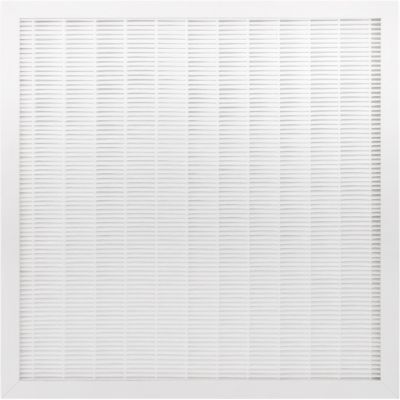
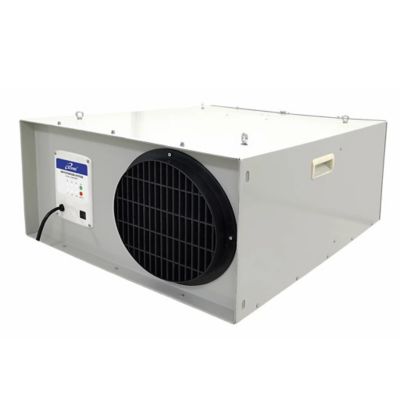
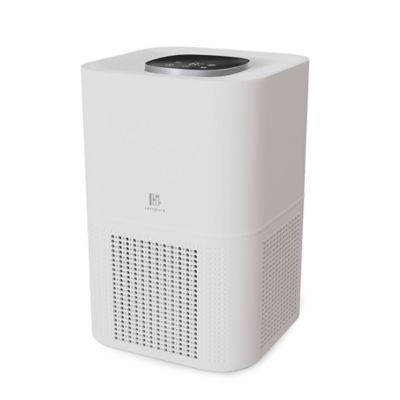
Air purifier replacement filters are model-specific: the right replacement matches the purifier’s model number and the compatible filter designation in its manual or the manufacturer’s fit information. A similar shape or matching outer measurements alone does not establish compatibility. The model label, often found on the back or bottom of the appliance, helps distinguish between units that look alike but take different filter assemblies. That distinction matters whether the purifier sits beside a living room chair, in a bedroom, or near the hallway where the family’s boots and jackets land. Replacement filters may have a flat panel shape, a cylindrical body, or several separate layers that fit together inside a housing. Some combine particle filtration and odor control in one assembly, while others require separate components. The frame, thickness, center opening, tabs, and sealing surfaces all contribute to a proper fit. Where a gasket is part of the design, it helps direct incoming air through the filter rather than around its edges. A replacement should sit in its intended position without bending the frame, bunching the filter material, or keeping the access panel from closing normally. Airflow arrows, pull tabs, and alignment marks can also matter, depending on the unit. Even two filters with the same general dimensions may differ in how they seal or how much resistance they place on the fan. Manufacturer-listed compatibility is therefore more useful than appearance alone. Package counts deserve attention as well: several separate filter stages are not necessarily several complete replacements. For a purifier that handles everyday household dust, pet dander, or cooking-related particles, the intended assembly needs to provide the filtration stages that appliance was designed to run with. A well-matched filter supports the purifier’s intended operation without asking the fan to work through an unsuitable material or leaving gaps along the edges.
The materials inside air purifier replacement filters determine what they are intended to capture. A prefilter generally catches larger debris, such as hair and lint, before it reaches finer filter media. That first layer can be especially helpful in a house where a shedding pet naps near the purifier or a busy laundry area sends lint into nearby rooms. Pleated particle-filter material provides a larger filtering surface within a compact space. Depending on the stated filtration rating, it may capture fine airborne particles such as dust, pollen, and pet dander that pass through the appliance. HEPA filtration refers to particle-capture performance; it does not mean that a filter removes every kind of indoor air concern. Odor-control layers often contain activated carbon, which adsorbs certain gases and odor-causing compounds. The amount of carbon, its form, the airflow, and the substances present all affect that performance. A thin carbon layer and a deeper carbon bed should not be assumed to have the same capacity. Likewise, a particle filter alone is not a substitute for a filter specifically designed for gas removal. These differences help explain why replacement assemblies can look quite different even when they serve the same broad purpose. A home with a cat that spends the afternoon on the sofa may place different demands on a filter than a quiet bedroom with little foot traffic. Indoor cooking, open doors, and tracked-in soil can also contribute to what circulates through a room. Filtration works alongside regular cleaning and appropriate ventilation rather than taking their place. It does not remove settled dust from a shelf or fix a moisture problem behind a wall. Air purifiers also do not replace carbon monoxide alarms or eliminate the need to address a source of smoke or fumes. For everyday household use, matching the filter’s stated capabilities to the job is more useful than expecting one layer of material to handle everything.
Care requirements and replacement timing depend on both the filter construction and the conditions in the room. Many fine-particle filters are intended for replacement rather than washing, while some separate prefilters may allow cleaning according to the appliance instructions. Water, scrubbing, or compressed air can damage media that was not designed for that treatment, even if the surface looks cleaner afterward. The same caution applies to vacuuming: it is appropriate only when the manufacturer permits it for that particular filter component. Moisture can also affect filter materials and carbon layers, so replacements belong in a clean, dry place until installation. A filter’s service life varies with operating hours, airborne debris, and the purifier’s design. A unit running steadily near a favorite pet bed may collect material faster than one operating occasionally in a lightly occupied room. The manufacturer’s replacement interval provides a starting point, while the manual explains how to interpret the filter indicator. Some indicators track elapsed operating time rather than measuring how much debris the filter holds. Visible buildup, reduced airflow, or a change in operation can warrant inspection, but filter color by itself does not establish remaining performance. Power should be off and the appliance unplugged before the filter compartment is opened, following the unit’s care directions. Any protective packaging on a new filter must be removed before operation, and the access panel needs to close as intended. Consistent replacement and permitted prefilter cleaning help keep ordinary household buildup from interfering with airflow. For families balancing pets, chores, and plenty of trips through the back door, a clearly identified model number and compatible replacement designation make repeat selection simpler. The broader selection of
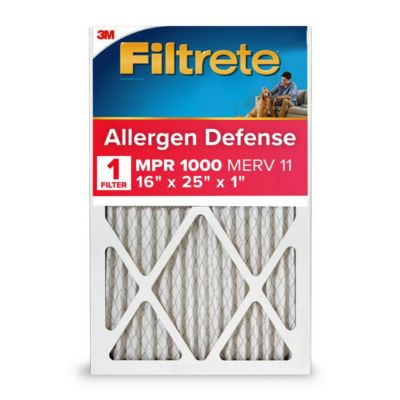
Replacement Air Filters can help with other household filtration needs, but each appliance still calls for its own specified filter type and dimensions. Portable purifier filters and heating-system filters are not interchangeable simply because both help capture airborne particles. The right fit, suitable materials, and straightforward care keep the focus on the work the purifier was built to do.