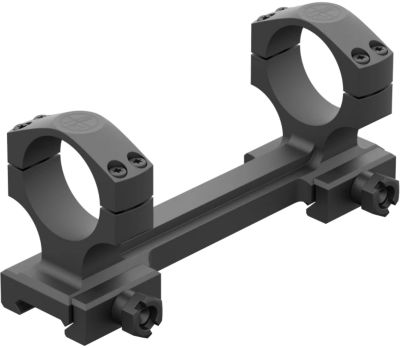
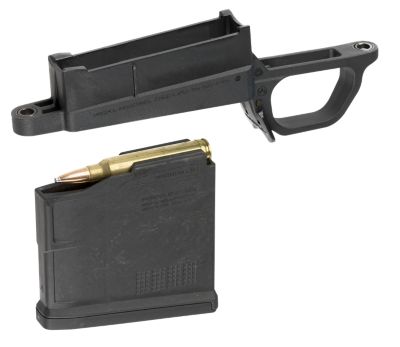
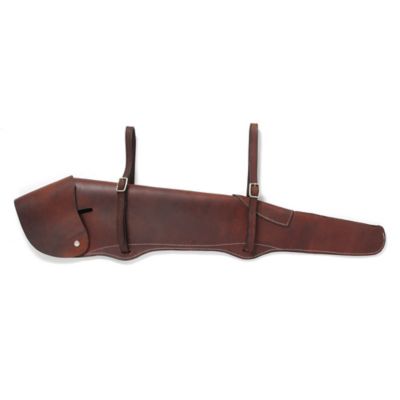
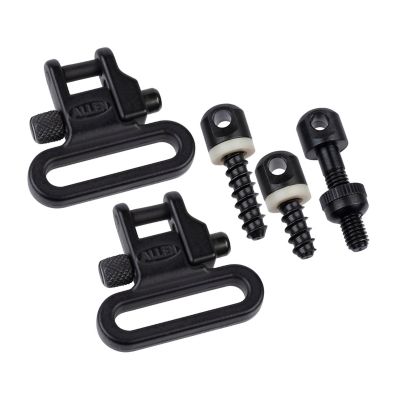
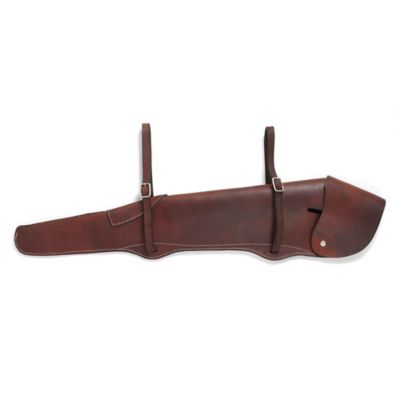
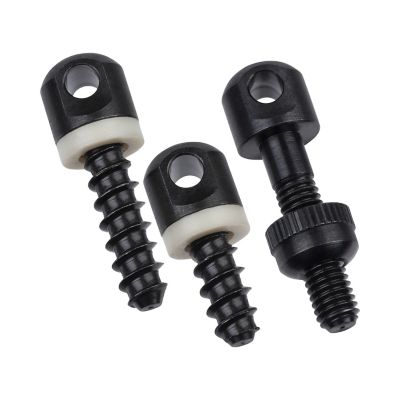
Bolt action rifle accessories include carrying slings, protective cases, cleaning supplies, scope covers, shooting bags, bipods, and comfort-focused stock accessories for lawful hunting, recreational target shooting, transport, and routine care. The right assortment depends on the rifle and the way it fits into your day, whether that means a trip to the local range or carrying equipment along a marked hunting trail. A rifle case handles a different job than a sling, and a cleaning mat serves a different purpose than a shooting rest. Keeping those roles separate helps make sense of a category that covers everything from protection to everyday handling. Fit is one of the biggest considerations because bolt action rifles vary in overall length, stock shape, attachment points, and scope configuration. An accessory described for a particular rifle platform should not be assumed to fit every rifle with the same general appearance. Manufacturer compatibility information matters, especially for anything that attaches directly to the firearm. Cases need room for the rifle’s complete dimensions, including an attached optic, without forcing the zipper or putting pressure on the scope. Slings need compatible attachment hardware, while scope covers need to match the optic rather than simply the rifle. Stock pads and cheek rests have their own fit requirements and should not obstruct controls or interfere with normal operation. These details matter in everyday situations: a padded case that closes easily at home should also be manageable when carried alongside a range bag, and a sling should lie comfortably across the shoulder without bunching against clothing. Hunters, recreational shooters, and firearm owners who prioritize organized storage may each favor a different mix of accessories. Someone who travels light may prefer straightforward carrying and protection essentials, while someone who spends time at a designated shooting bench may also need a mat, rest bags, and organized space for cleaning supplies. Practical bolt action rifle accessories earn their place by serving a clear purpose, fitting correctly, and staying easy to care for between outings.
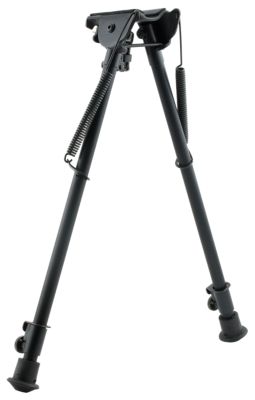
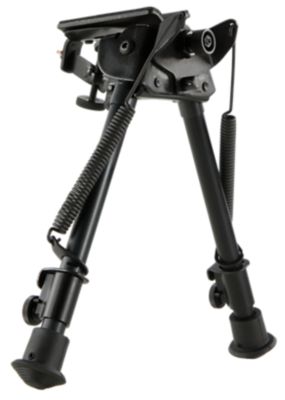
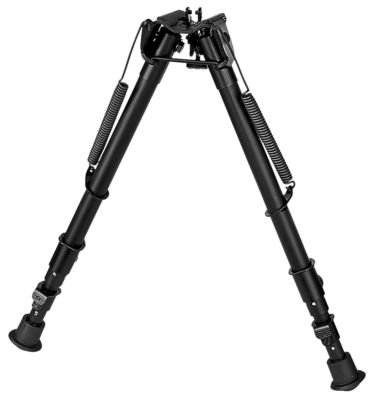
Materials and construction make a noticeable difference in how rifle accessories feel, carry, and hold up to routine handling. Woven nylon and polyester appear in many soft cases, slings, and equipment bags because they offer flexible construction without much added weight. Leather provides a different feel and calls for care suited to its finish. Molded polymer cases have a firm outer shell, while foam or padded fabric interiors help separate the firearm from hard surfaces. Neither a firm shell nor thick padding tells the whole story on its own; seams, handles, closures, and the way the interior supports the rifle deserve attention, too. Reinforced stitching around a carrying handle matters when a case gets lifted from the truck repeatedly, and a zipper that opens smoothly makes packing less of a chore. Metal fittings may be steel or aluminum, with coatings intended to limit surface wear or corrosion. Any hardware attached to a firearm needs manufacturer-confirmed compatibility, not a close-enough fit. Shooting bags commonly pair a fabric shell with an enclosed fill, while shooting mats provide a separate surface for designated range use. Bipods are rifle-mounted supports, so attachment requirements and the manufacturer’s stated application are central considerations. For shooters browsing related equipment,
Long Range Shooting Accessories brings together another category of sporting equipment worth considering alongside carrying and care essentials. Maintenance needs vary just as much as materials do. Fabric accessories may need loose grit brushed away before cleaning, leather needs appropriate treatment, and metal hardware benefits from inspection for damage or corrosion. Follow the care directions for each material rather than treating every surface alike. Cleaning supplies should be intended for the firearm’s materials and bore dimensions, and products meant for one surface may not suit another. A separate cleaning mat can help keep residue away from a workbench, while divided storage keeps brushes, cloths, and small supplies from becoming a jumble at the bottom of a bag. Letting cleaned equipment dry fully before storage helps keep enclosed spaces from trapping moisture.
Comfort, organization, and protection often decide which bolt action rifle accessories become everyday essentials and which stay on the shelf. A broad sling may distribute carrying pressure differently than a narrow strap, but overall comfort also depends on adjustment range, attachment compatibility, and how much equipment is being carried. A soft case can be convenient for straightforward transport, while a rigid case may better suit situations where the exterior needs to resist bumps from nearby gear. Interior pockets are useful only when they keep their contents separate from the rifle, and external handles should provide a secure grip without requiring an awkward reach. At a range bench, a bag with divided compartments makes it easier to keep eye protection, hearing protection, cleaning cloths, and paperwork organized. Back at home, accessories that have a clear storage spot are easier to inspect and less likely to disappear beneath unrelated tools. Scope covers help protect exposed lenses during appropriate transport and storage, while padded stock accessories focus on contact and comfort rather than replacing the need for correct rifle fit. Any accessory that changes the fit or configuration of the firearm warrants review against the manufacturer’s instructions; compatibility questions are best taken to the manufacturer or a qualified gunsmith. Firearms should be unloaded before cleaning, inspection, or accessory fitting, and a carrying case is not a substitute for secure storage that prevents unauthorized access. For gifts, non-fitting essentials such as equipment organizers or care accessories can be more straightforward than parts that require exact firearm specifications, though material compatibility still matters. A gift for a hunter or target shooter is most useful when it matches an established routine rather than adding something that has no clear job. Across carrying, storage, range use, and upkeep, the strongest starting point is a clear purpose: protect the rifle, keep equipment organized, support comfortable handling, and make routine care easier to maintain. Thoughtful details such as manageable weight, straightforward closures, and accessible compartments help an accessory fit naturally into a day spent enjoying lawful shooting sports.