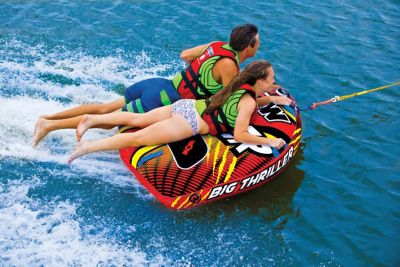
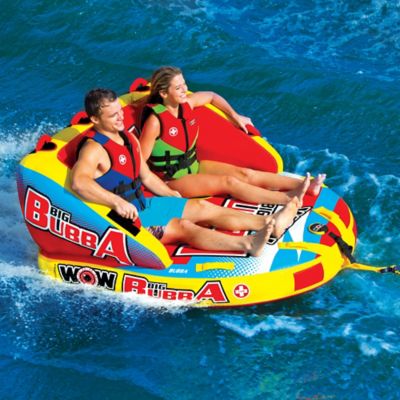
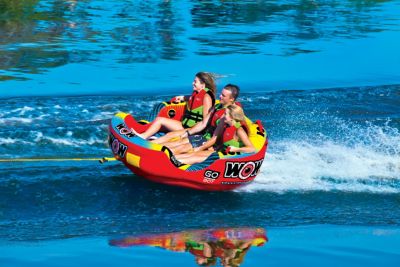
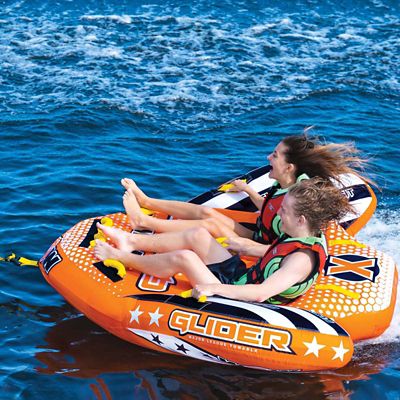
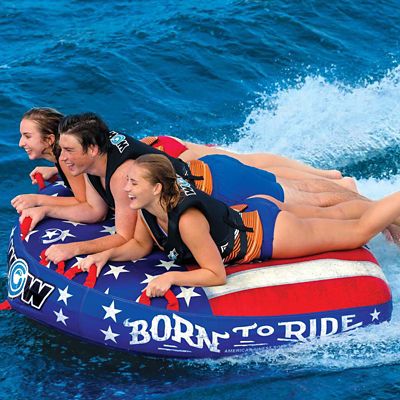
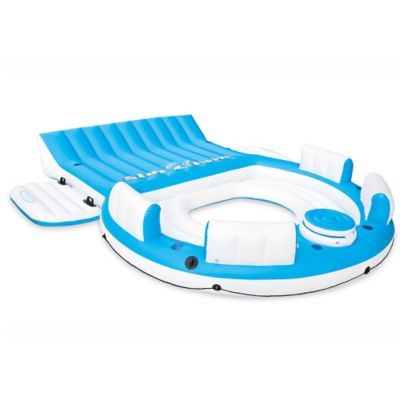
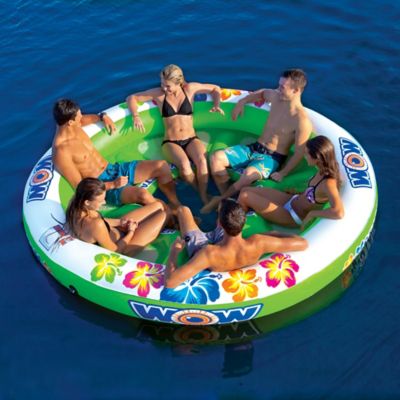
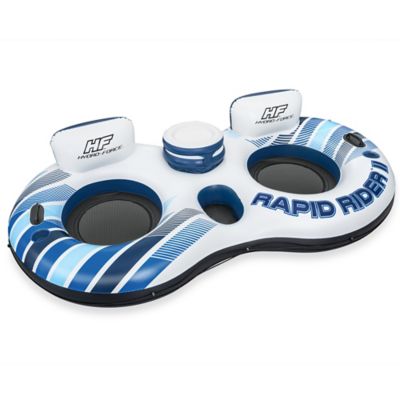
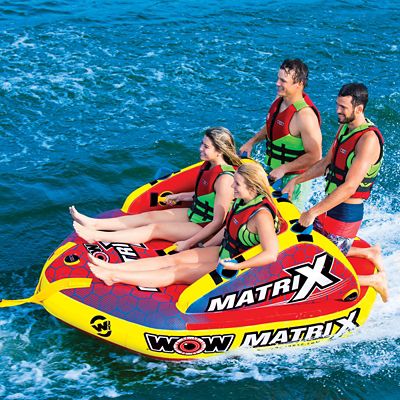
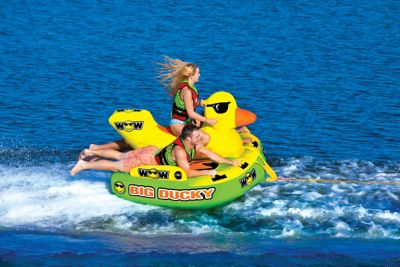
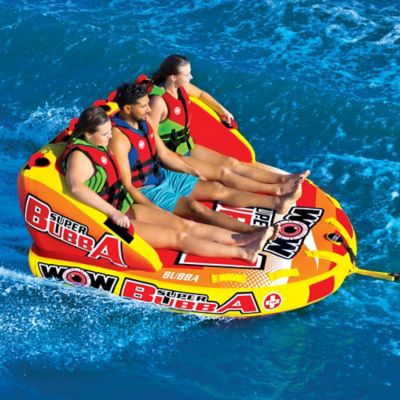
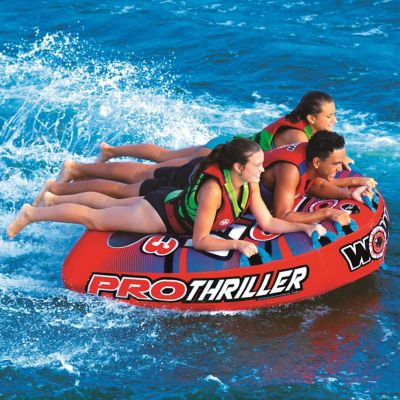
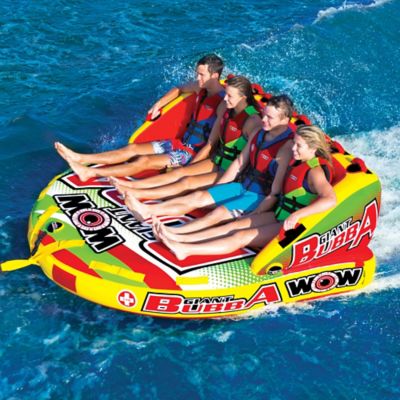
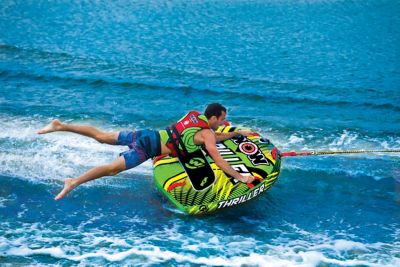
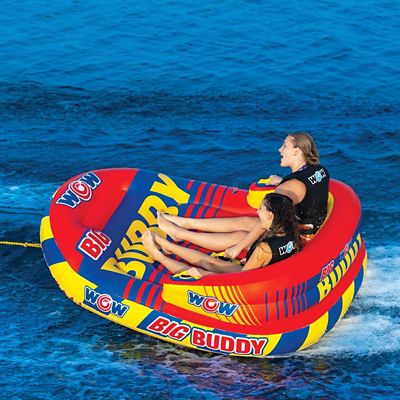
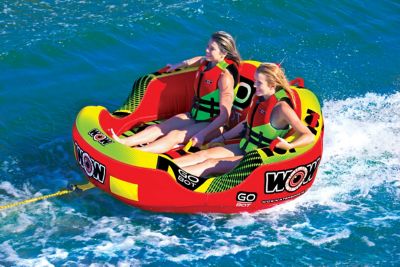
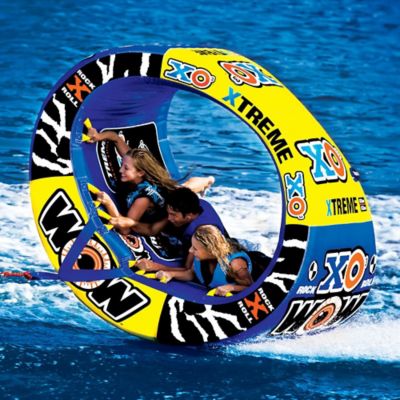
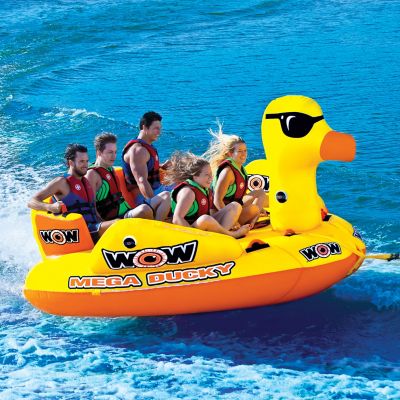
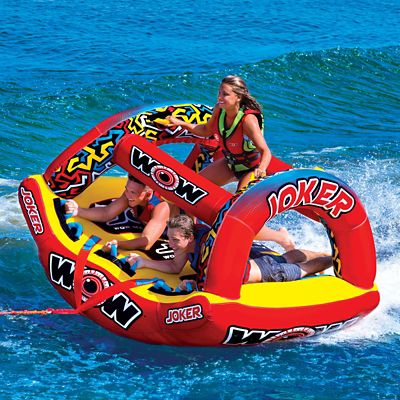
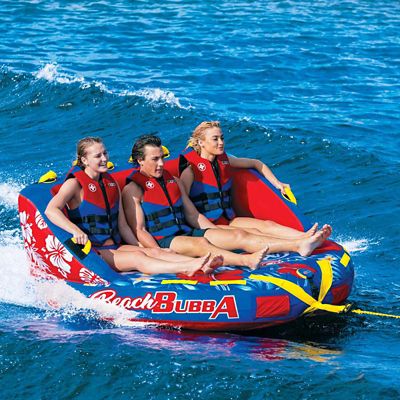
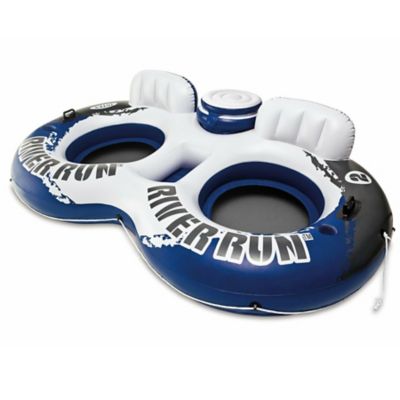
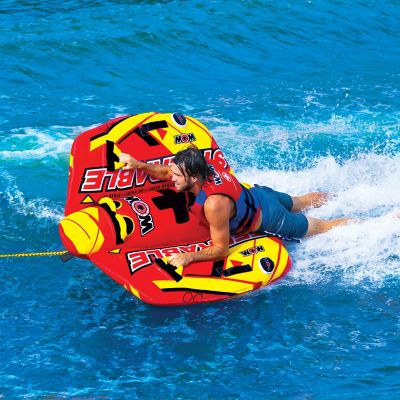
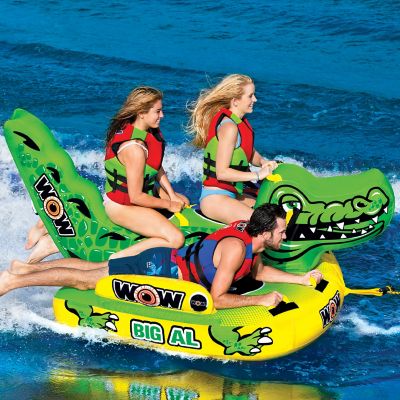
Big boat tubes bring a shared ride to a day on the lake, with room for family members or friends to hang on together behind a properly equipped boat. These inflatable towables are built for recreational towing, not simply drifting near the dock, and their size affects everything from passenger space to storage on board. Large multi-rider tubes commonly come in deck, couch, and cockpit styles, each with a different feel on the water. A flat deck gives riders a low platform for lying on their stomachs and holding front-mounted handles, while a couch-style tube generally provides a seated position with a backrest. Cockpit designs place riders down inside recessed seating areas, which can feel more contained than an open platform. The riding positions permitted by the manufacturer matter more than what a tube’s shape might seem to allow. Some designs have more than one designated tow point for different riding arrangements, but that feature is not standard across all big boat tubes. Rider count and total passenger weight are separate limits, and both deserve a close look. A tube rated for several passengers may not accommodate the same number of larger adults within its weight limit. Families comparing
4 Person Towable Tubes can weigh seating space, handle placement, and the combined weight of their usual riding group alongside the stated capacity. Elbow room counts, too: riders need space to keep a firm grip without crowding the person beside them. A broad platform can make a shared ride appealing for siblings, cousins, or lake-going friends, but bigger does not automatically mean gentler or better suited to children. The boat operator, towing speed, turns, water conditions, and tube design all shape the experience. For a family that enjoys boating together, a large towable can also make a thoughtful gift when its capacity and towing requirements match the recipient’s boat and the people who will ride.
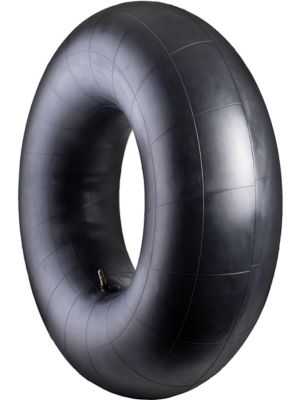
The construction of a big towable tube combines an inflatable inner chamber with surfaces and attachment points that handle repeated contact with riders, ropes, and water. PVC bladders are common, often paired with woven nylon or polyester covers that help protect the inflatable chamber from abrasion. Cover coverage varies, so a fully covered tube and a partially covered design may expose different amounts of bladder material around the sides or bottom. Fabric weight, stitching, reinforced tow connections, and the construction around handles all contribute to how a tube stands up to regular outings. No material makes a towable immune to sharp gravel, dock hardware, or dragging across a rough boat ramp. Padded handles and knuckle guards can help reduce rubbing during a ride, while foam pads beneath knees, elbows, or seating areas can make contact surfaces more comfortable. Their placement matters as much as their presence; a pad beneath a rider’s chest will not help knees resting farther back on the deck. Backrest height and seat depth also change how much support riders feel, though neither replaces a properly fitted life jacket. Inflation valves affect setup and packing, especially with a larger air chamber. Valve compatibility with the pump, the specified inflation level, and access to each chamber are practical details worth comparing. A tube that feels soft or folds excessively under its intended load may need attention before towing, following the manufacturer’s inflation directions rather than guesswork. Overall inflated dimensions tell another part of the story. A wide tube needs room beside the boat for loading and unloading, and its footprint can take up considerable space on a swim platform or dock. Packed dimensions matter for the ride home, particularly when the boat already carries tackle boxes, towels, and other gear. Product photos alone do not always show that scale. Measurements, passenger limits, permitted riding positions, and included components offer a clearer picture of how a large boat tube will fit into an ordinary lake day.
Matching the tube to the towing setup helps keep that lake day running smoothly. A multi-rider towable needs a rope rated for its passenger capacity and load, along with a boat attachment point approved for tubing by the boat manufacturer. A connection intended for another watersport is not automatically suitable for the pull of a large inflatable carrying several people. Rope length, attachment method, passenger limits, and maximum towing speed should follow the applicable equipment instructions, with any lower limit taking priority. Riders need properly fitted, U.S. Coast Guard-approved life jackets suitable for the activity, and children need close adult supervision. A designated observer, agreed-upon hand signals, and a clear riding area help the operator keep track of everyone behind the boat. Plenty of clearance from shorelines, docks, swimmers, and other vessels is especially important because a tube can swing well outside the boat’s path during a turn. Loading, unloading, and retrieving fallen riders call for careful boat handling, with the engine off whenever anyone is near the propeller. Once the ride is over, routine care helps protect the tube’s seams, cover, and inflatable chambers. Fresh-water rinsing removes grit and residue, while thorough drying before packing helps prevent mildew inside folds and beneath the cover. Drain openings, where provided, let trapped water escape rather than adding weight during handling. Before another outing, seams, handles, valves, and tow connections deserve a look for fraying, separation, leaks, or other damage; compromised equipment belongs out of service until addressed according to the manufacturer’s directions. Storage away from direct sunlight, sharp tools, fuel, and rodents helps keep a packed tube ready for its next trip. With the right seating arrangement, enough room for the intended riders, and towing equipment matched to the load, big boat tubes add another way for a boating crew to spend time together on the water.