Toys for 1-year-olds give busy little hands something to carry, turn, stack, roll, and explore. Around a first birthday, play often centers on simple actions and plenty of repetition: putting something in a container, tipping it out, and doing it all over again. Age-appropriate stacking toys, large-piece sorters, soft playthings, and easy-to-grasp rolling toys can support that curiosity without making play complicated. Some children are crawling and pulling up, while others are taking early steps, so the right match depends on a child’s abilities as well as the age printed on the package. A toy labeled for 18 months and up may suit an older 1-year-old but still be too advanced for a child just turning one. Large handles, rounded edges, and pieces that fit comfortably in a small hand make it easier to join in. Simple cause-and-effect features, such as a flap that opens or a wheel that turns, give toddlers a clear connection between an action and what happens next. Toys that invite reaching, grasping, and passing objects between hands offer opportunities to practice coordination, while stacking and fitting pieces together let children explore size, shape, and space. There is no need for every attempt to end with a finished tower or a correctly matched shape. Knocking a stack down and starting again can be the whole point. Familiar themes, including farm animals and everyday chores, also give grown-ups plenty to talk about during play. Naming an animal, making its sound, or describing a rolling wheel adds language to an activity a child already enjoys. Lights and music can be engaging, but they are not necessary for meaningful play. A straightforward toy with a few things to discover can hold a toddler’s attention through many short play sessions, especially with a parent, grandparent, or caregiver nearby to share the fun.
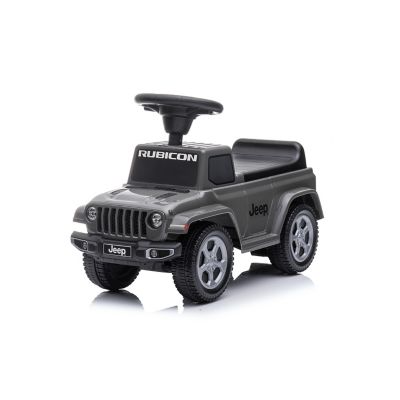
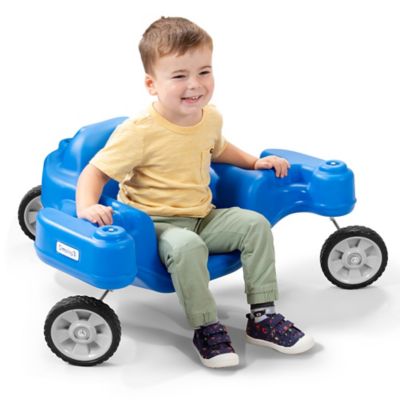
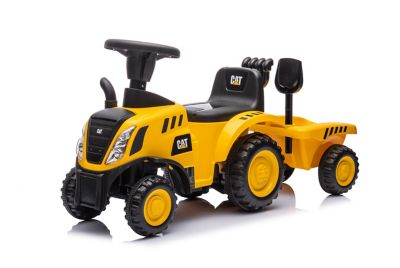
Materials, construction, and cleanup matter when toys spend their days moving between little hands and the floor. Smooth wood, sturdy molded plastic, soft fabric, and flexible silicone each bring a different feel, and the care label helps show where a toy fits into everyday family life. Wooden surfaces should be smooth and free of splinters, while plastic parts should have no sharp edges or cracks. Fabric seams need to stay closed, with attached features firmly secured rather than loose or easily pulled away. Because many children this age explore with their mouths, toys should meet the stated age requirements, and anything intended for chewing should be specifically labeled for that purpose. Small parts, loose magnets, accessible button batteries, and long cords do not belong within a toddler’s reach. An older sibling’s toy does not become suitable for a 1-year-old just because an adult is watching. For toys with batteries, a compartment secured with a screw helps keep the contents out of small hands; any damaged closure is a reason to take the toy out of play. Everyday wear deserves attention, too. Cracked parts, lifting surface finishes, loose wheels, and torn stitching can change whether a toy is safe to handle. Cleaning directions vary by material: some washable fabrics can go in the washing machine, while wood and electronic components may need a light wipe rather than soaking. Thorough drying before storage helps keep moisture from lingering in seams and enclosed spaces. Fit matters just as much for active play. A push-along toy needs a stable base and a design suited to the child’s stage of movement, with close adult supervision and a clear path away from stairs. For ride-on toys, the manufacturer’s age, size, weight, and skill requirements take priority. Easy access to handles and proper foot placement help distinguish a toy that fits from one that is better saved for later.
The most inviting toddler toys often leave room for a child to decide what happens next. A large container might become a place to collect play pieces, a soft animal might ride along on an imaginary chore, and a stack might turn into a fence before it tumbles down. The same interest in exploring, arranging, and pretending carries into
Toys for Open Ended Play, where the activity can change as a child’s abilities grow. For a 1-year-old, though, that freedom still needs an age-appropriate design and a safe place to play. A clear stretch of floor gives rolling toys room to travel, while a comfortable seated play area keeps grasping and stacking within reach. A few accessible choices can make it easier to settle into an activity than a floor crowded with playthings. Storage that works for the household helps, too: lightweight pieces are easier to gather after play, and an open bin without a heavy closing lid avoids a pinch point. Sound is another everyday consideration, especially in a shared living room or a home with a napping sibling. Volume controls and an off switch let families make room for quieter play when needed. For first-birthday gifts or a present from grandparents, the child’s current interests, the package’s age rating, and the family’s available space are more helpful than a complicated list of features. A child who enjoys carrying and collecting may gravitate toward graspable pieces, while one who keeps testing how things move may spend longer with rolling or turning actions. Gifts that welcome a grown-up’s participation can make time together especially enjoyable: taking turns, naming colors, making animal sounds, and celebrating another attempt all fit naturally into everyday play. The goal is not to rush toward the next skill. It is to give a curious little one something suitable to explore, with enough freedom to repeat a favorite action and discover a new one along the way.