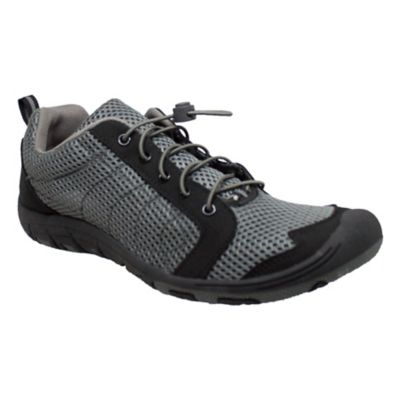
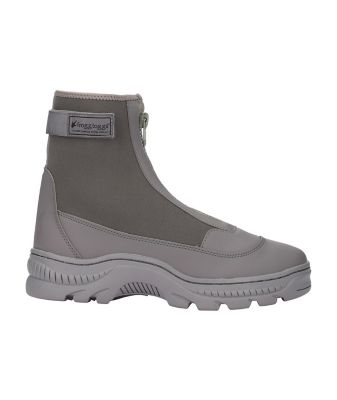
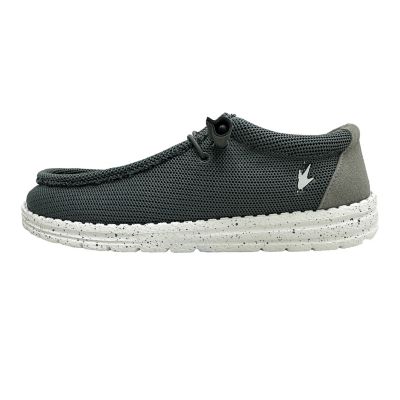
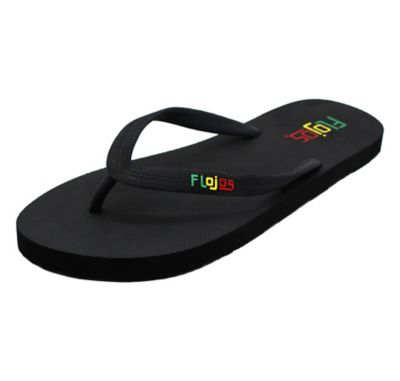
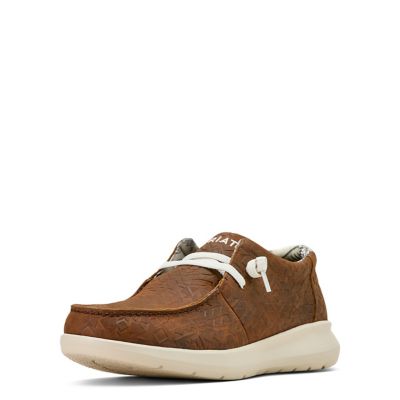
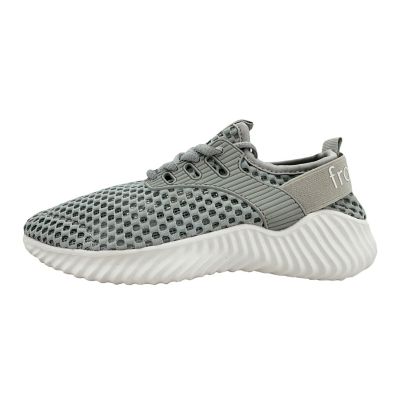
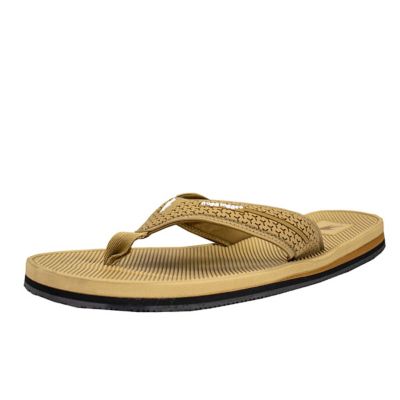
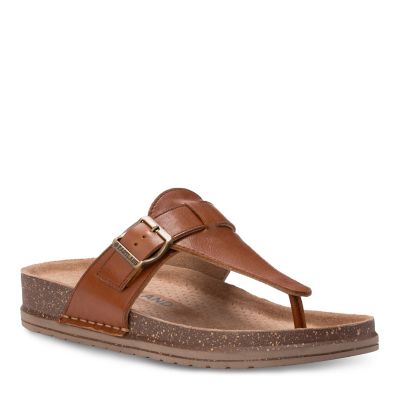
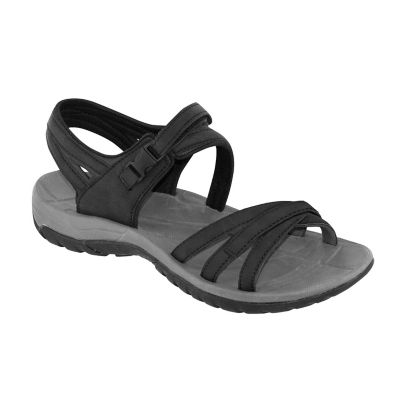
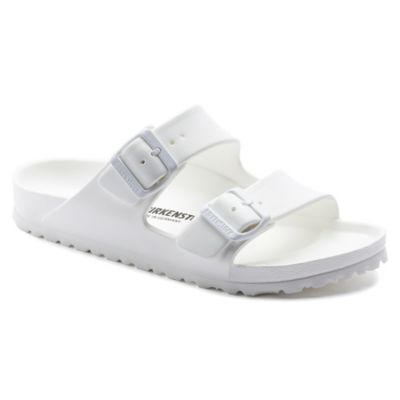
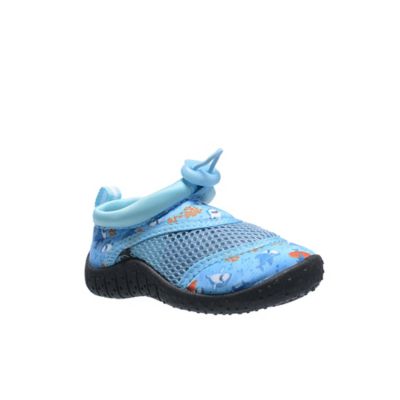
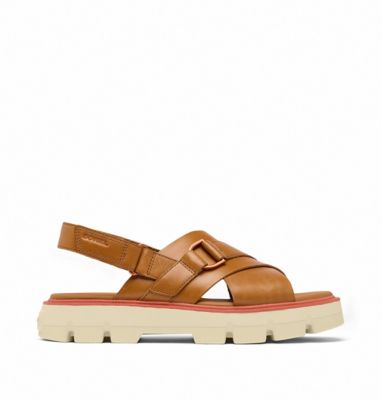
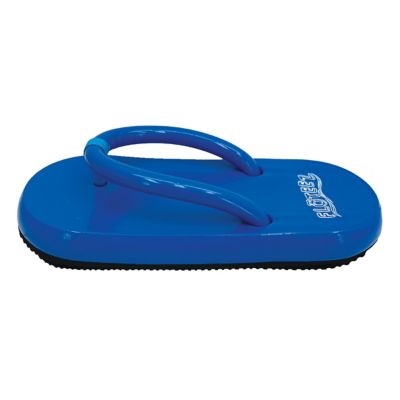
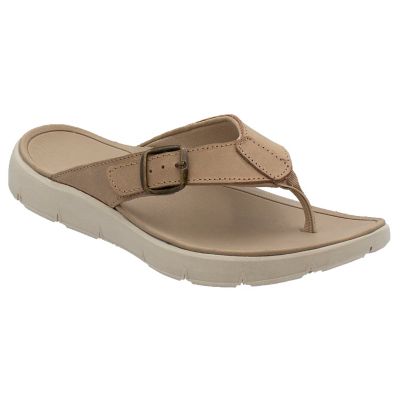
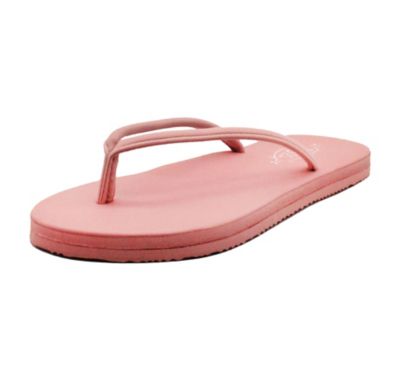
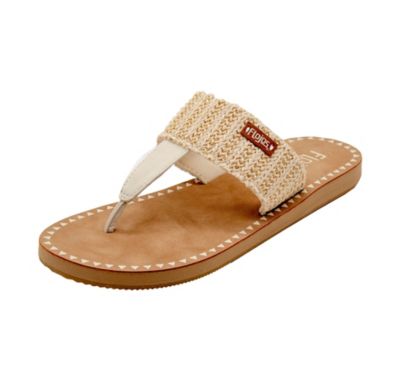
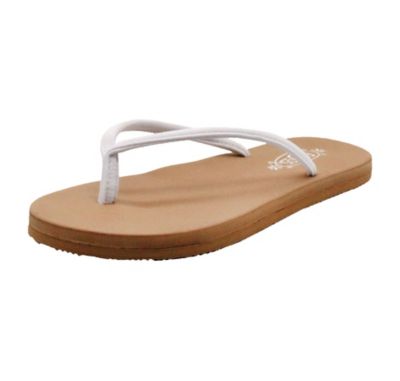
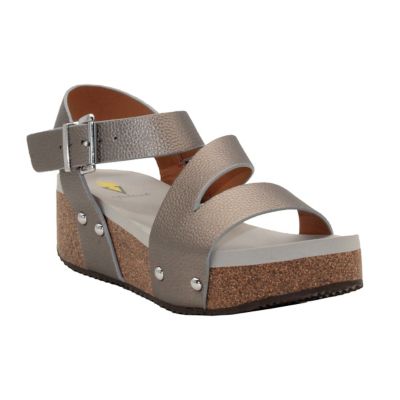
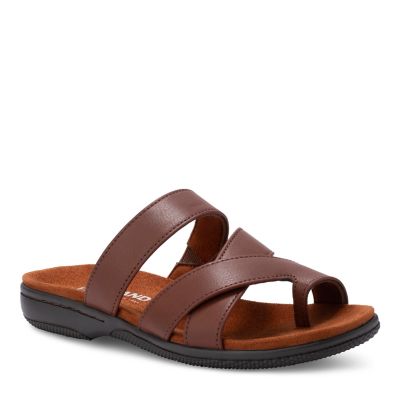
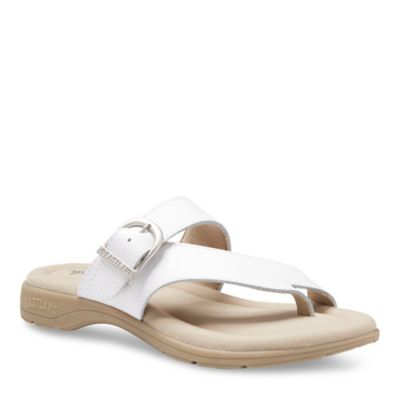
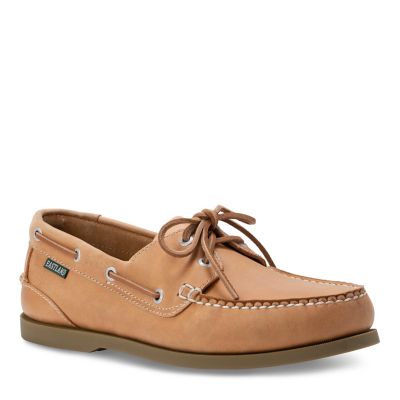
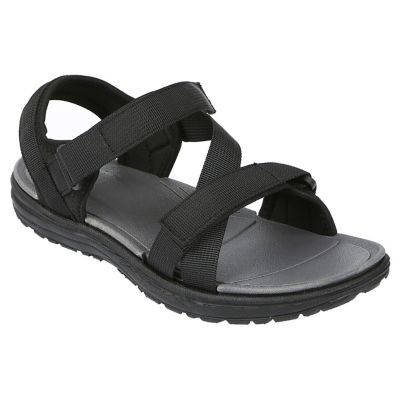
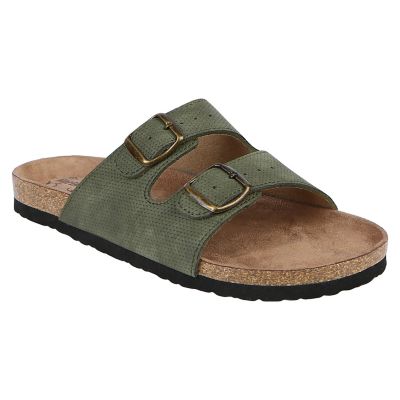
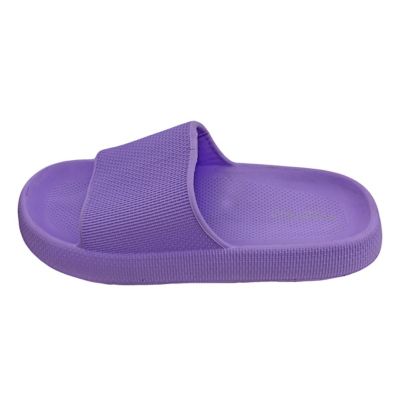
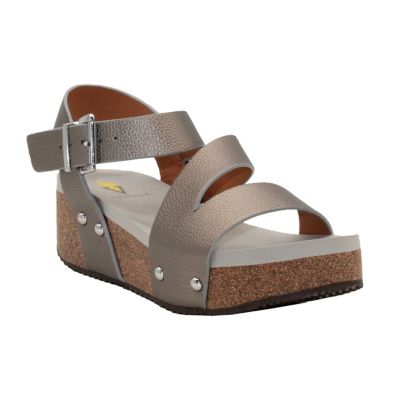
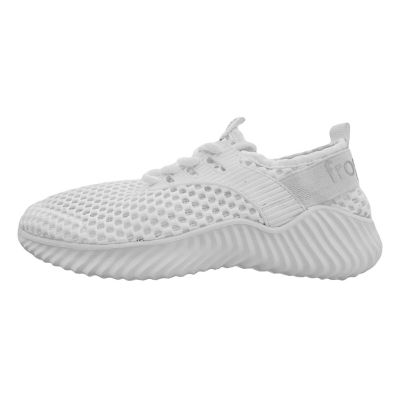
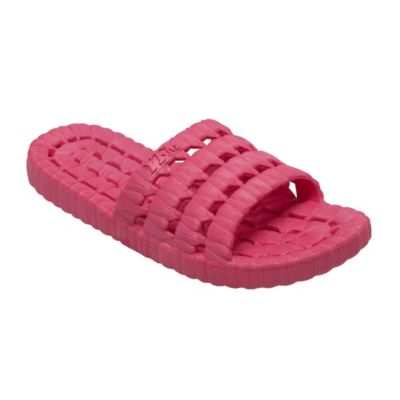
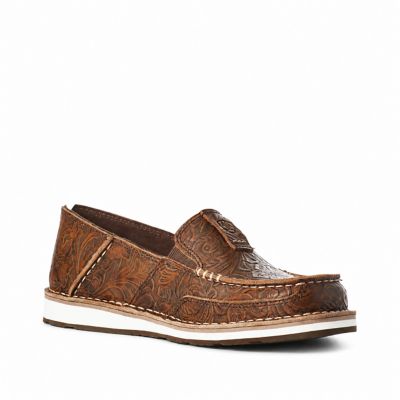
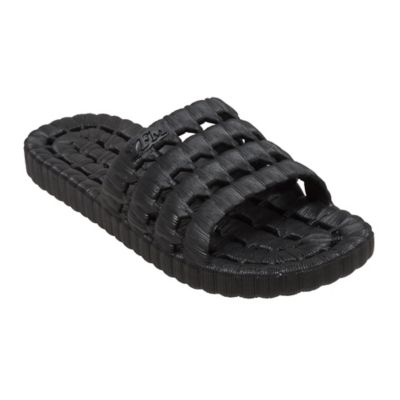
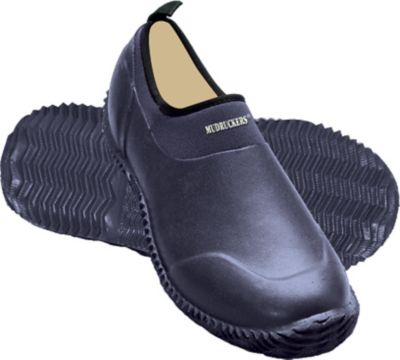
Beach shoes help keep warm-weather outings comfortable from the first step across a sandy parking lot to the last walk back from the water. They are a handy choice for beach days, lake trips, river adventures, backyard splash areas and vacations where regular shoes can quickly fill with grit. The right pair can help protect feet from hot sand, rough ground, small shells and scattered stones while giving you a little more footing around wet surfaces. Look for a comfortable fit that stays in place without pinching, rubbing or feeling loose when you walk through shallow water. A secure heel and flexible upper can make a big difference when moving over shifting sand, while a textured outsole may provide useful traction on damp docks, boat ramps and pool decks. Breathable materials are helpful in warm, sunny weather, especially when your feet will be in and out of the water. Some people prefer a lightweight slip-on style for quick trips from the campsite to the shoreline, while others like a more closed design for rocky beaches, paddle trips or long walks along the water. Pay attention to how the shoe drains and dries, too. Water that stays trapped inside can leave feet feeling heavy and uncomfortable, and damp footwear tossed into a closed bag can develop an unpleasant odor. A pair that rinses clean with fresh water and dries easily in the open air is often easier to live with after a full day outdoors. For similar needs around a swimming area, explore
Pool Sandals for another practical option.
When choosing beach shoes for the whole family, think about where they will be worn most often and what kind of ground they will cover. A sandy ocean shoreline calls for a different feel than a rocky creek bank or grassy lakefront. Children may benefit from a lightweight pair that is easy to pull on and take off, with a fit that stays secure while they run between the water and a towel. Adults spending time on a boat, dock or campground may appreciate a sole with dependable grip and a design that will not feel bulky during a long day on their feet. For fishing, kayaking, paddleboarding or other active outings, a snug fit and good flexibility can help shoes move naturally with each step. If you plan to wear them during the cooler parts of the day, leave room for comfortable socks only if the shoe is designed to accommodate them; a shoe that fits well barefoot may feel too tight once extra layers are added. Check the care instructions before buying and consider how much maintenance fits your routine. Sand should be shaken or rinsed out instead of left to grind into the fabric, and wet shoes should be allowed to dry completely before storage. Keeping a spare towel or ventilated bag in the vehicle can make cleanup easier after a muddy shoreline or an impromptu swim. Beach shoes can also make a thoughtful gift for someone who spends weekends at the lake, takes an annual coastal trip, enjoys boating or simply likes having dependable gear ready for outdoor plans. They are useful for grandparents, kids, campers and anyone who would rather spend the day watching the waves than worrying about scraped feet or slipping on a slick surface.
As the weather warms, beach shoes earn their place in a gear tote alongside sunscreen, towels, water bottles and a change of clothes. During the cooler months, they can still be useful for indoor pool visits, warm-weather travel, covered water parks and trips to places where the shoreline stays mild. Before heading out, try shoes on with the same kind of socks, if any, that you expect to wear, and walk around on a clean floor to check for pressure points. Toes should have enough room to move, but the foot should not slide forward when walking downhill or stepping across wet ground. A little flexibility is useful, though a sole that bends too easily may not offer the support needed for uneven paths. Families may want to measure growing feet carefully rather than guessing several sizes ahead, since a loose shoe can be harder for a child to control near water. It is also worth considering color and visibility when several people are packing similar gear; an easy-to-spot pair can save time at a crowded beach or busy campground. Store beach shoes in a dry, shaded place once they are clean, away from prolonged heat that can weaken adhesives or change the shape of the materials. With a comfortable fit, practical traction and easy care, beach shoes can become a reliable part of warm-weather gear. They are there for sandy strolls at sunset, cool creek crossings, muddy walks back to the truck and those quick barefoot-to-shoed dashes when the ground is too hot for unprotected feet.