BBQ Grill Tools Fourth Of July Sale
Fire up the flavor and make your backyard the place to be with the BBQ Grill Tools Fourth Of July Sale. Whether you're flipping burgers, turning ribs, or roasting fresh veggies, we've got everything you need to keep the good times rolling at the grill. Stock up now and get ready to celebrate with friends, family, and plenty of tasty eats.
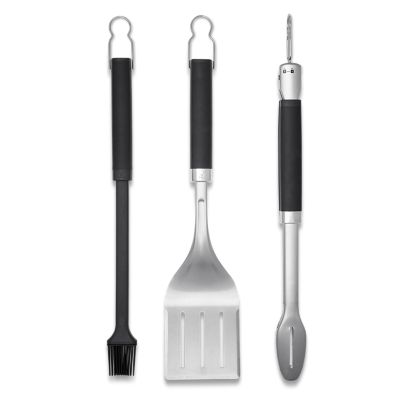
$23
.99
Sale Was $39.99 Save $16.00 (40%)
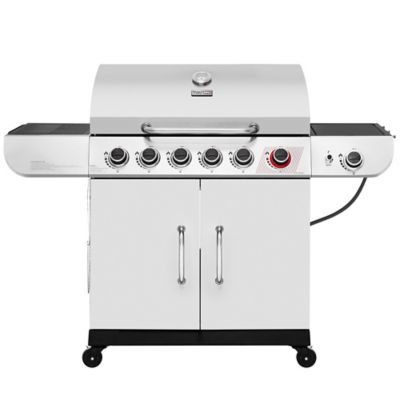
$429
.99
Sale Was $479.99 Save $50.00 (10%)
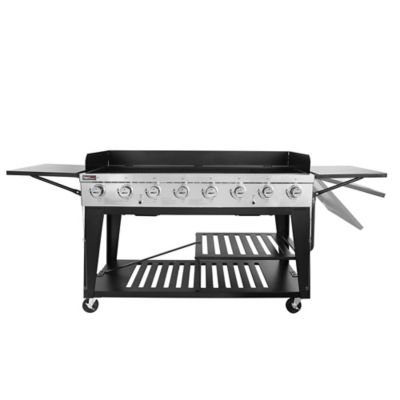
$497
.99
Sale Was $559.99 Save $62.00 (11%)
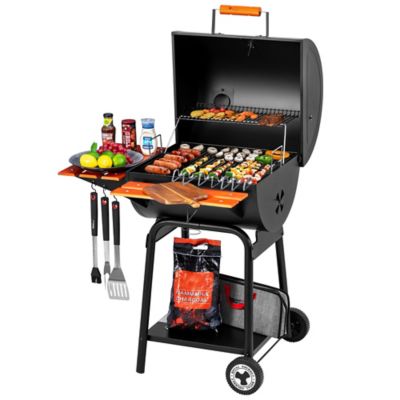
$109
.99
Sale Was $119.99 Save $10.00 (8%)
$109
.99
Sale Was $124.99 Save $15.00 (12%)
$75
.99
Sale Was $84.99 Save $9.00 (11%)
$289
.99
Sale Was $329.99 Save $40.00 (12%)
$59
.99
Sale Was $69.99 Save $10.00 (14%)
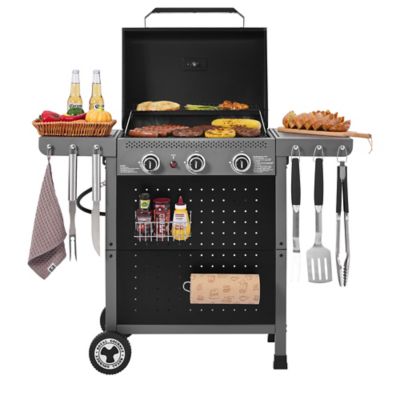
$179
.99
Sale Was $199.99 Save $20.00 (10%)
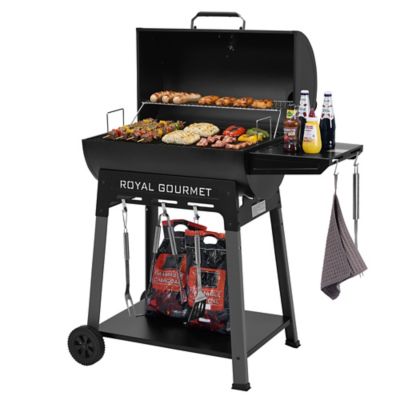
$109
.99
Sale Was $119.99 Save $10.00 (8%)
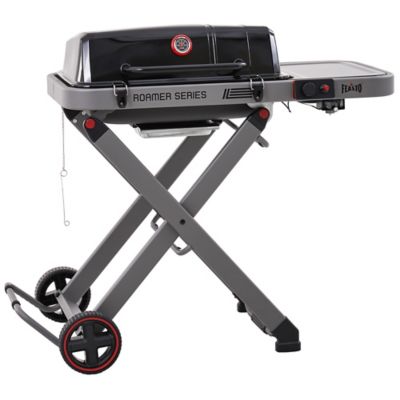
$249
.99
Sale Was $399.99 Save $150.00 (38%)
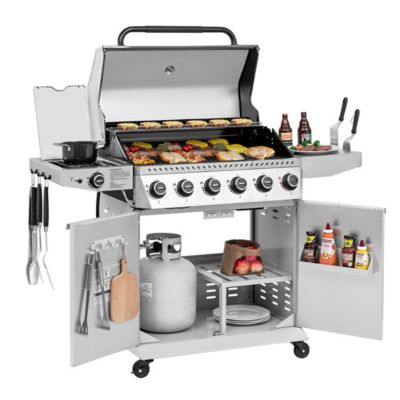
$479
.99
Sale Was $539.99 Save $60.00 (11%)
$114
.99
Sale Was $129.99 Save $15.00 (12%)

$389
.99
Sale Was $449.99 Save $60.00 (13%)

$259
.99
Sale Was $289.99 Save $30.00 (10%)
Best Of FAQ
What types of BBQ grill tools are essential for a Fourth of July cookout?
Essential BBQ grill tools for a Fourth of July cookout typically include spatulas, tongs, grill brushes, meat thermometers, skewers, and basting brushes. These tools help ensure you can flip, clean, check temperatures, and serve your grilled favorites with ease.
How do I choose the right BBQ grill tool set for my grilling needs?
When choosing a BBQ grill tool set, consider the types of food you plan to grill and the features you need. Look for sets that include sturdy tongs, spatulas with serrated edges for cutting, and heat-resistant handles for comfort. Additional tools like corn holders or marinade brushes can also be helpful.
Are there any special features to look for in BBQ grill tools during summer celebrations?
For summer celebrations like the Fourth of July, look for BBQ grill tools with long handles to keep your hands safe from heat, non-slip grips for better control, and dishwasher-safe materials for easy cleanup after your gathering.
Can BBQ grill tools work on different types of grills?
Yes, most BBQ grill tools are versatile and can function on gas, charcoal, pellet, or electric grills. Just make sure the materials can handle high temperatures and frequent use.
How should I care for my BBQ grill tools after a holiday cookout?
After your holiday cookout, clean your BBQ grill tools by washing them with warm soapy water or placing them in the dishwasher if they are dishwasher-safe. Dry them thoroughly before storing to prevent rust and prolong their lifespan.
Best Sellers
-
"So far great! Haven’t cooked on it yet. Easy assembly. Heated up well. Great size. Fold easily"
-
"Great new grill. Quality it great, and love all the features"
-
"Great carrying bag, ordered wrong size"
-
"i love this grill for the price point you cant beat it"
-
"Love the new grill. Best of both worlds with gas or charcoal cooking! And can't wait to use smoker"